Blog
Phototherapy Types of Light

Did you ever find yourself frustrated by skin problems or mood swings that will never disappear, regardless of everything you do? Sometimes it is tiresome to fight such problems as acne or even seasonal affective disorder and sometimes the feeling that you are exhausting yourself can appear. You probably ask yourself whether there is anything that can be used, something that does not entail drastic medications and lengthy treatments.
Well, you’re in the right place. This blog will plunge into phototherapy types of light and discuss the various light forms used in phototherapy. You will understand how these therapies work, the benefits that such therapies provide and what type of therapy can best suit your needs. At the end, you will know everything you need to make your informed decision about whether phototherapy can be the solution you are looking for or not.
Exploring Phototherapy Types of Light
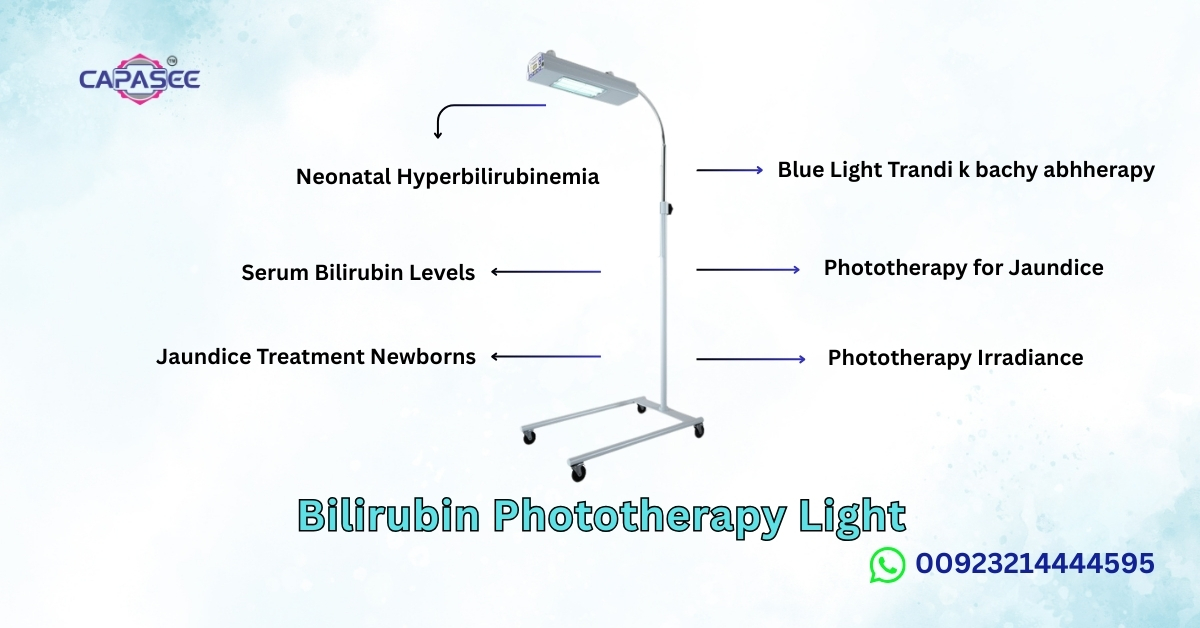
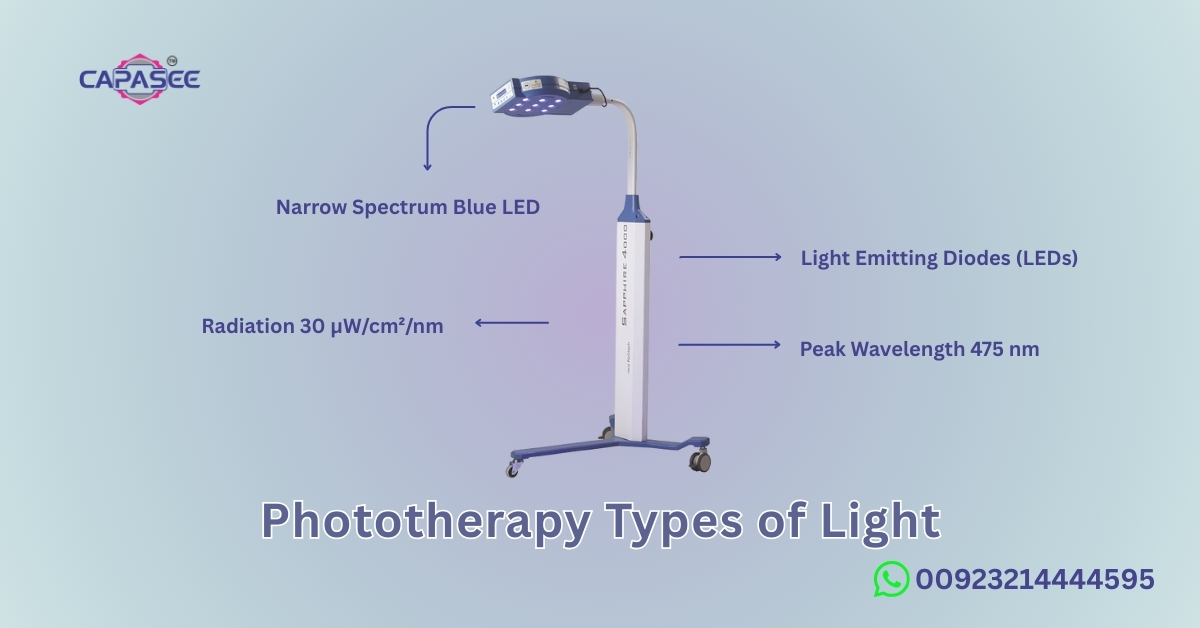
Examples of phototherapy types of light are LED phototherapy, compact fluorescent tubes (CFL) and halogen lamps. Narrow spectrum blue LED and blue green LED with a wavelength of 460 to 490nm reduce the levels of bilirubin in newborns.
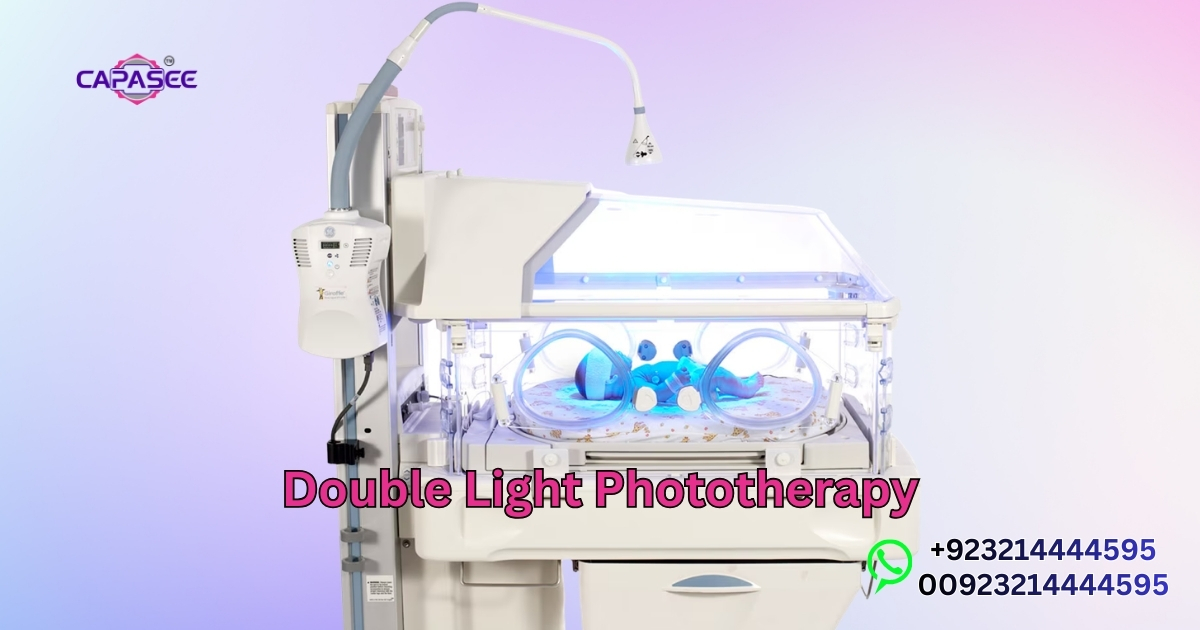
Intensive phototherapy types of light for neonatal hyperbilirubinemia are offered by fiber optic blankets, quad halogen lamps, as well as LED phototherapy. Radiation 30 µg/cm²/nm and maximum wavelength 475 nm enhance the safety and quick recovery of serum total bilirubin.
LED Phototherapy Benefits
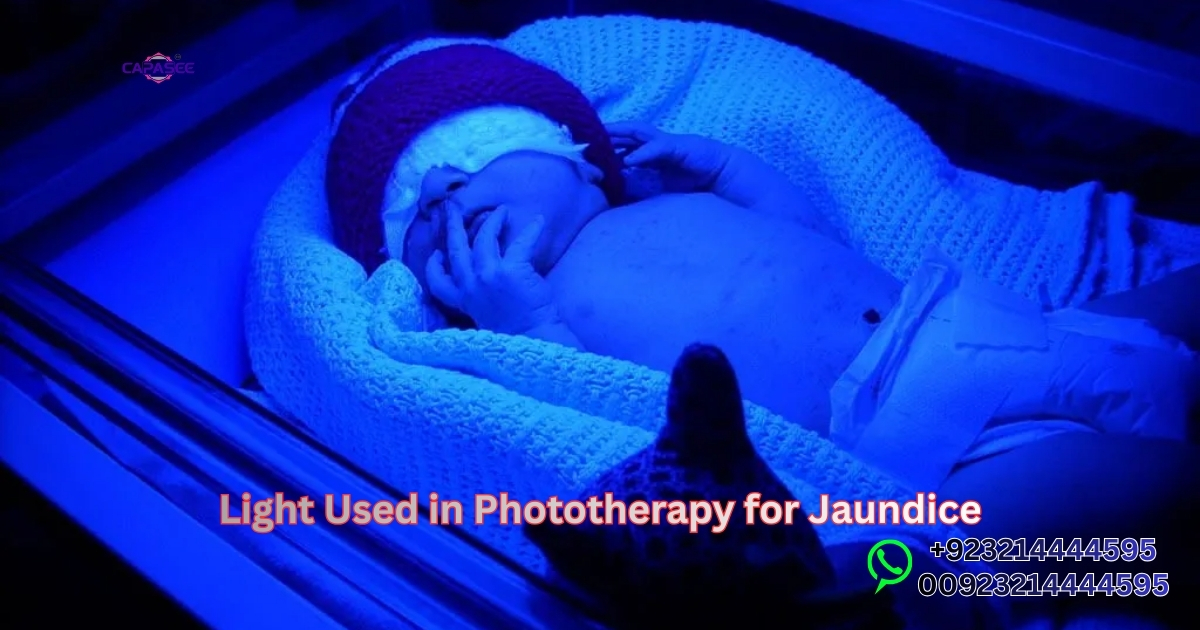
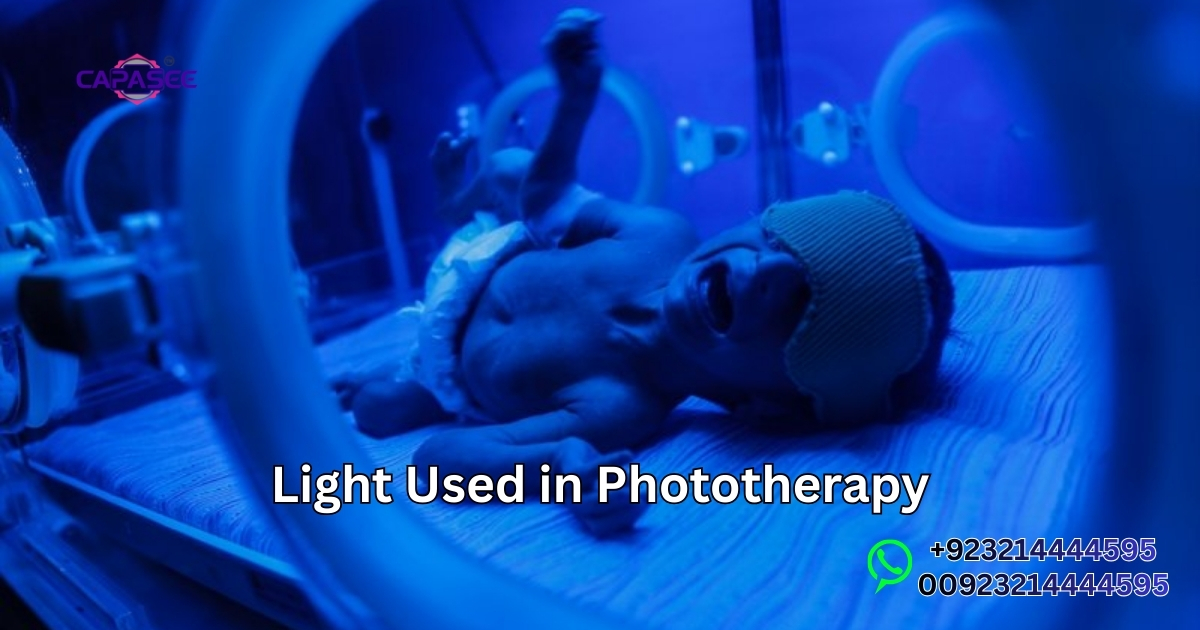
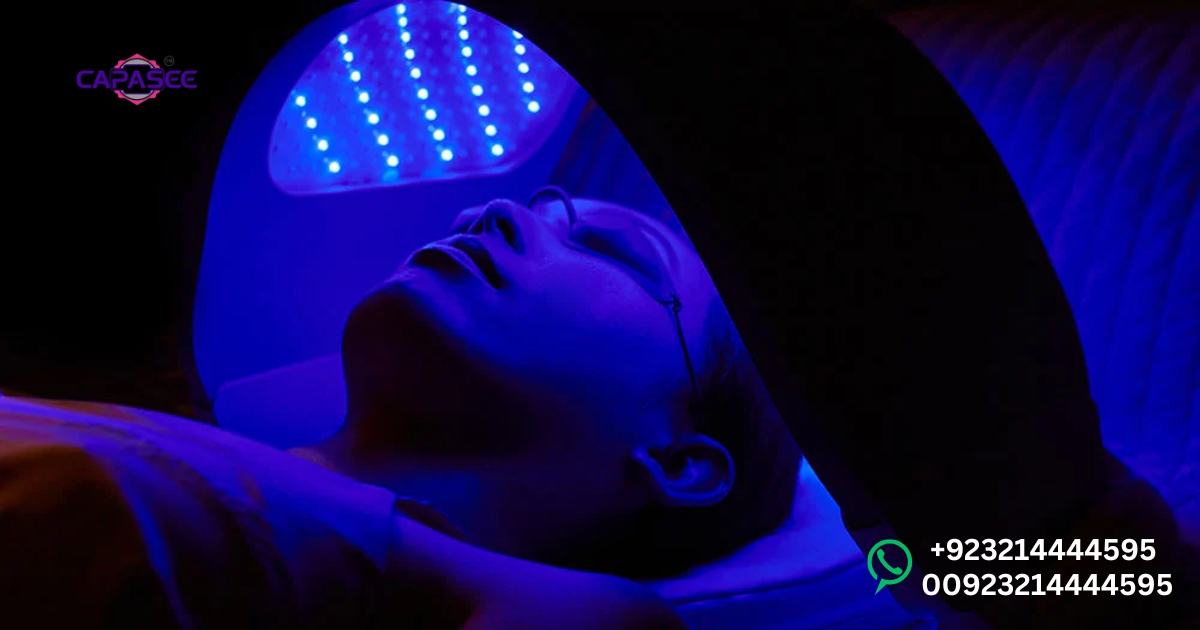
LED phototherapy involves the use of light emitting diodes (LEDs) and turquoise LED light of bandwidth 470 nm to 490 nm. The process minimizes heat and maximizes the treatment process, besides managing elevated bilirubin in infants.
The photothermal agents (PTA) and NIR (760 nm to 900 nm) are effective in the treatment of neonatal hyperbilirubinemia at a safe level. LED phototherapy, one of the advanced phototherapy types of light, offers even light distribution, superior to the conventional fluorescent tube, and intensive phototherapy results more quickly.
You May Also Read This Blog: Phototherapy Light Machine
Compact Fluorescent Lamp Phototherapy
Fluorescent tubes and compact fluorescent tubes (CFL) are reliable in providing light in the intensive method of phototherapy types of light. Quartz halogen lamps and halogen lamps are also an option to cure high serum total bilirubin.
LED phototherapy can be more sophisticated, yet CFL phototherapy still remains the most common phototherapy type of light. The characteristics of these lamps are a stable radiation of 30 µW/cm²/nm, a peak wavelength of 475 nm, and safe management of bilirubin levels.
UV Light Phototherapy Varieties
The forms of phototherapy types of light are narrowband UVB phototherapy, halogen lamps and fluorescent tubes. Phototherapy with fiber optic blankets and LED is safe to treat cases of neonatal hyperbilirubinemia and reduce serum total bilirubin rapidly.
Controlled radiation is used in UV light phototherapy, 30 µW/cm²/nm, peak wavelength of 475 nm. Intensive phototherapy is offered by the use of quartz halogen lamps and compact fluorescent tubes (CFL) that guarantee an effective decrease in the high level of bilirubin in newborns.
Narrowband UVB Phototherapy Treatment
The narrowband UVB phototherapy produces blue green lights of bandwidth 470-490 nm, which neutralize bilirubin levels effectively. The blue LED provides narrow spectrum exposure to avoid neonatal hyperbilirubinemia and reduces the treatment time.
The photothermal agents (PTA) are used with LED phototherapy and fiber optic blankets. The wavelengths 460 nm to 490 nm and NIR results (760 nm to 900 nm) enhance recovery, thus it is safer in the treatment compared to the fluorescent tubes used in traditional methods.
Alternative UV Phototherapy Types
Other forms of UV phototherapy types of light are the halogen lamps, the quartz halogen lamps, and the compact fluorescent tubes. These have offered consistent radiation of 30 µW/cm²/nm, enhancing intensive phototherapy outcomes in high serum total bilirubin.
LED phototherapy and Turquoise LED light improve efficiency. Monochromatic peak wavelength 475 nm lowers heat and secures newborns. Photothermal agents (PTA) are safe and effective in the treatment of neonatal hyperbilirubinemia.
Phototherapy for Skin Conditions in Pakistan
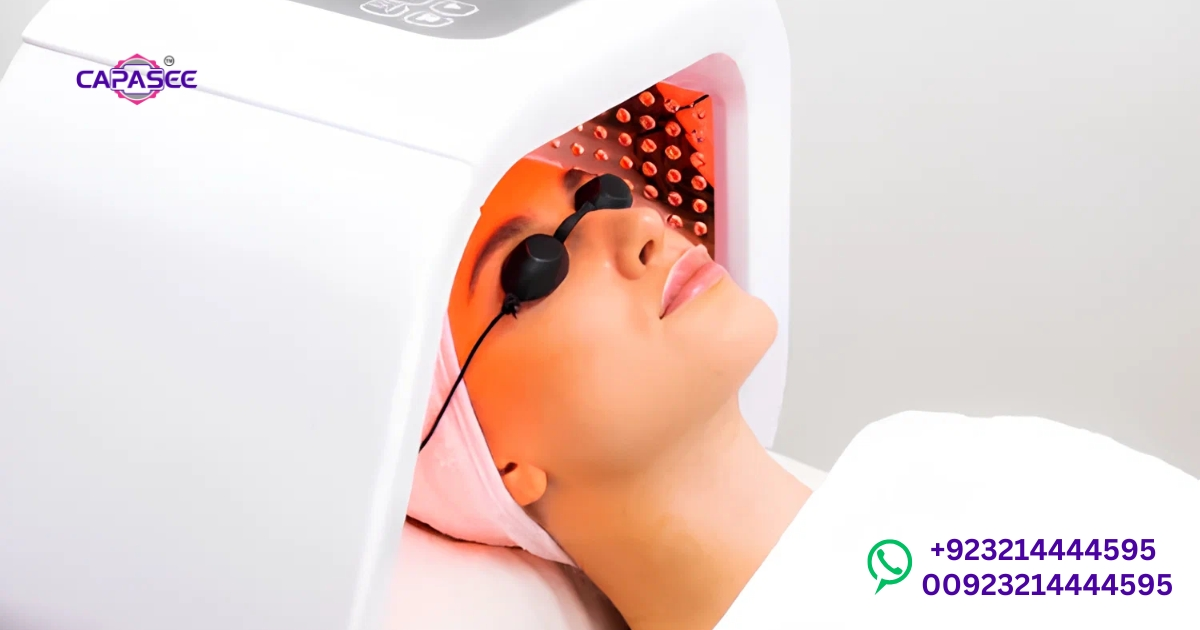
In Pakistan, phototherapy types of light are very effective for skin conditions. The safe treatment of radiation 30 µW/cm²/nm can be applied with LED phototherapy, fluorescent tubes, and quartz halogen lamps.
Fiber optic blankets and narrow spectrum blue LED contrive lower inflammation. Blue green light and bandwidth 470nm to 490 nm are useful in restoring the health of the skin. Therapeutic management stops the fluctuating serum total bilirubin in sensitive cases.
Check More & Purchase: Our Products
Effective Skin Treatments with Light Therapy
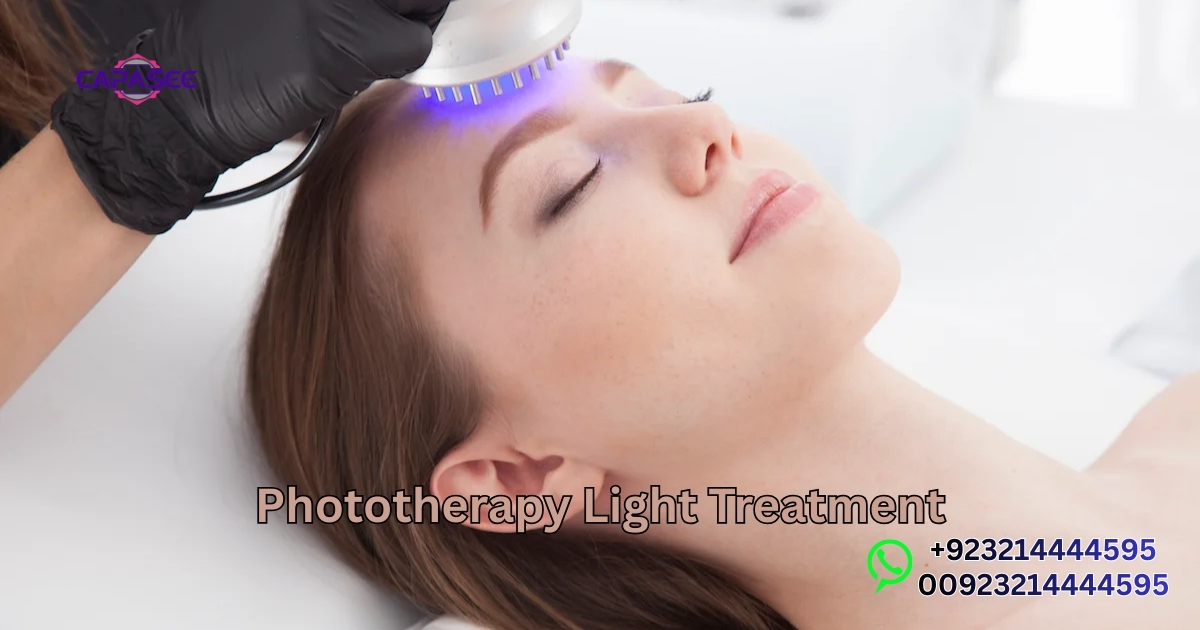
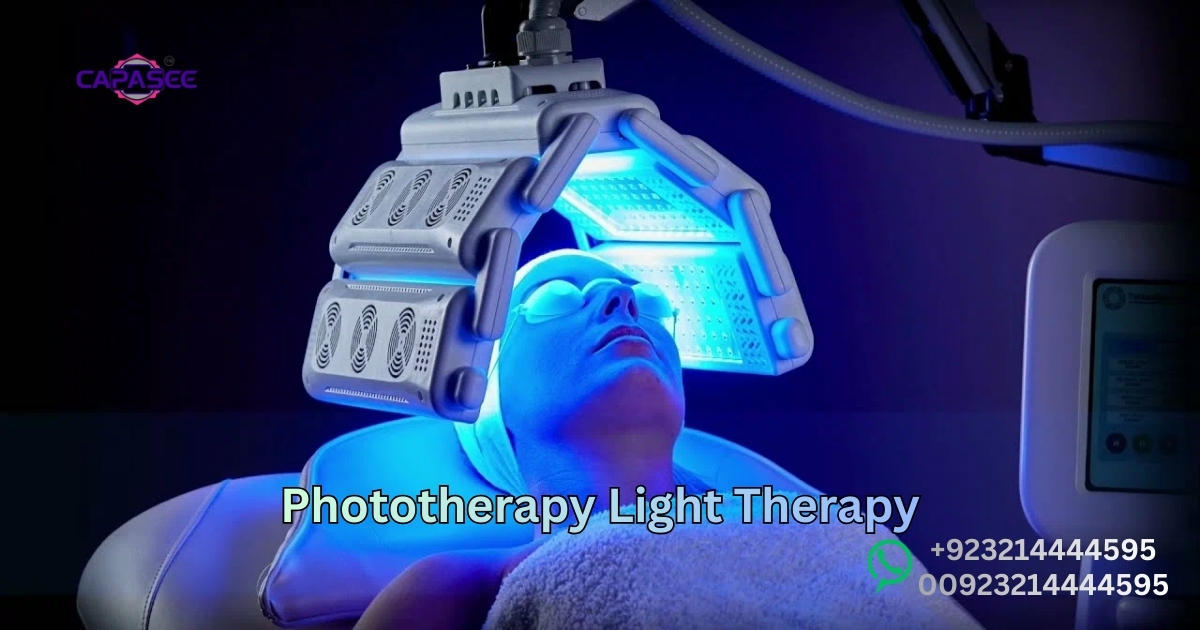
LED phototherapy and Turquoise LED light are used to treat skin conditions (such as eczema and psoriasis). The wavelength 460 to 490 nm and peak wavelength 475 nm were safe and effective in affecting the areas.
Therapy is improved by compact fluorescent tubes (CFL), halogen lamps, and photothermal agents (PTA). NIR spectra (760 to 900 nm) decrease swelling and intensive phototherapy types of light enhance the recovery of Pakistani patients.
Local Access and Options
Several clinics in Pakistan offer phototherapy types of light to take care of their skin. Treatment is now available to all ages since LED phototherapy, fiber optic blankets, and fluorescent tubes are quite common.
Superior centers have narrow blue LED and Quartz halogen lamps. Safe exposure is 30 µW/cm 2/nm of radiation. The bilirubin level is monitored by local professionals, and LED phototherapy yields positive results.
FAQ’s
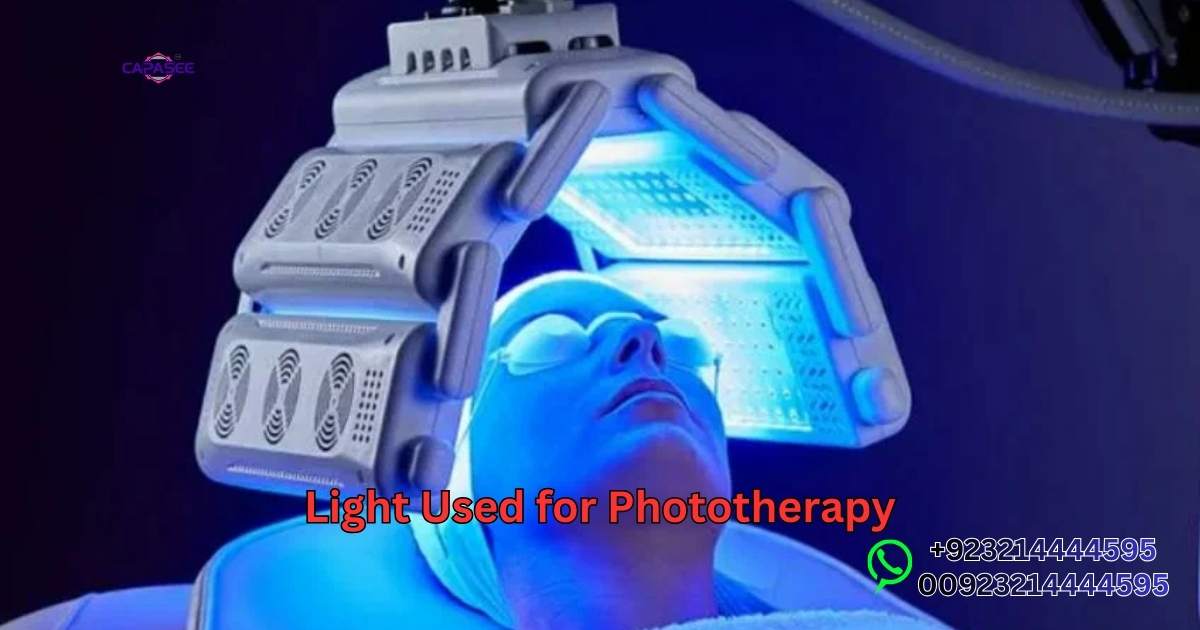
What kind of light is used for phototherapy?
The light that is used to safely treat skin conditions and lower the levels of bilirubin is normally the blue green LED light or fluorescent tubes.
What are the three types of light therapy?
These include the LED phototherapy, UV light therapy, and compact fluorescent lamp (CFL) therapy of the skin and neonatal therapies.
What are the different types of phototherapy?
Common ones used with skin and neonatal hyperbilirubinemia include ED phototherapy, CFL phototherapy, UVB narrowband, and quartz halogen lamps.
What type of light is used for light therapy?
Improved skin and reduced serum total bilirubin are achieved through the use of blue green LED light, turquoise LED light and narrow spectrum blue LED safely.
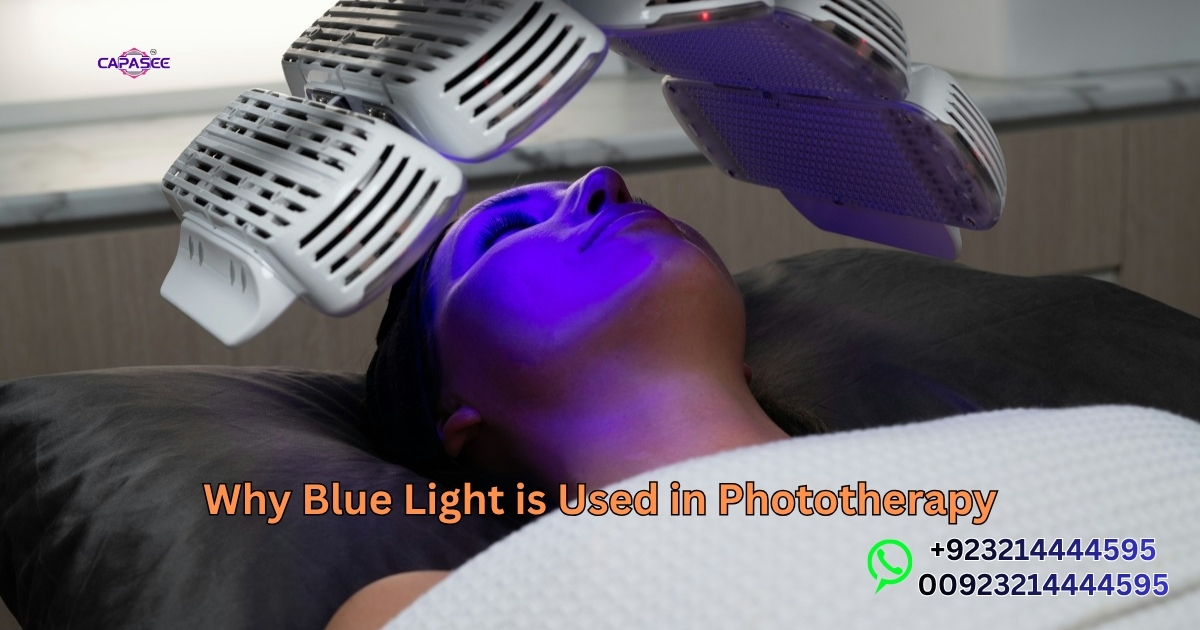
Why is blue light used for phototherapy?
The blue light (460-490 nm) digests bilirubin to reduce jaundice, accelerates the rate of recovery in infants, and improves skin treatments.
Final Thoughts
The understanding of the phototherapy types of light assists in the determination of the appropriate treatment of skin and neonatal hyperbilirubinemia. Compact fluorescent tubes, LED phototherapy, and UVB narrowband light are safe and effective in lowering the level of bilirubin and enhancing the condition of the skin. Blue green LED light and fiber optic blankets have modern treatment and guarantee excellent results with minimal side effects. In Pakistan, the availability of different forms of phototherapy light enables patients to enjoy intensive and dependable forms of therapy, which facilitates quick recovery and general well being. Opting for the appropriate type of light will guarantee effective, efficient and safe care.