Blog
What Light is Used in Phototherapy for Jaundice

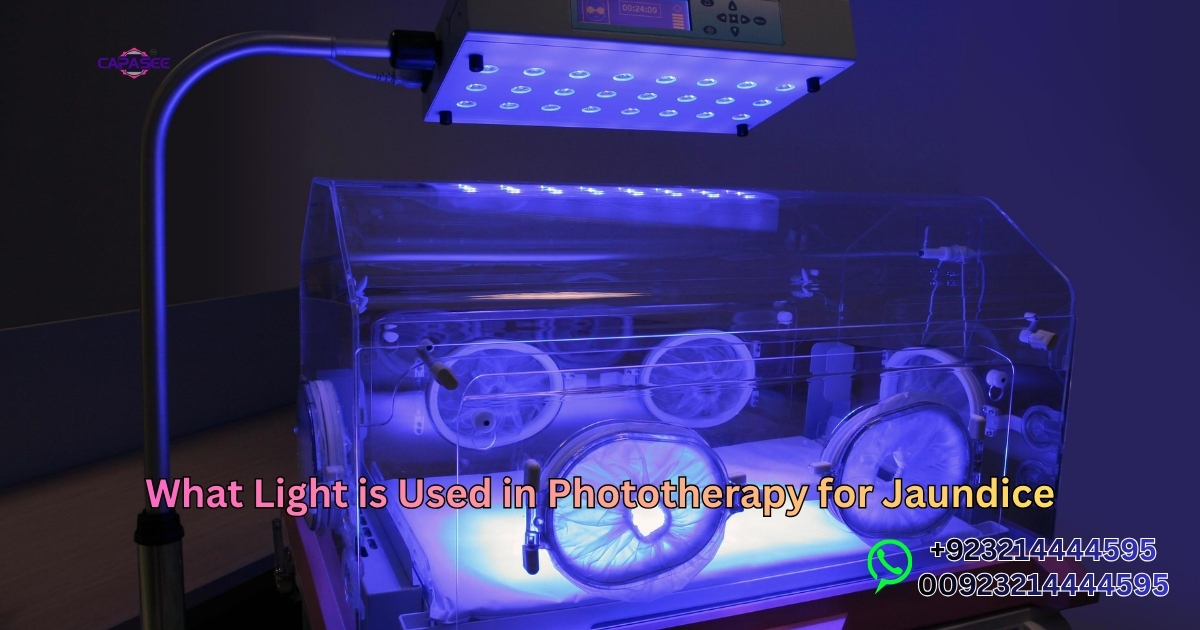
It’s scary when someone you love gets diagnosed with jaundice. You may be sitting there with your mouth agape, trying to figure out what is really going on, and how something so simple as light can do anything about it, especially how light is used in phototherapy for jaundice. Then a question arises in your mind; what light is applied in phototherapy on jaundice, and why does it even work? This is not the only one who feels confused or at least overwhelmed. This is what many people in Pakistan seek since they simply require straightforward, honest answers about how light is used in phototherapy for jaundice.
In this blog, you will know what is meant by light and the use of light in phototherapy of jaundice, as well as the way light assists the body in healing, including how light is used in phototherapy for jaundice. We will divide things into plain, simple language, so you will not be lost in medicalisms. You will also learn the reason why doctors select certain types of light and what outcome you can expect. By the conclusion, you will be more at ease and be in a position to make sense of the treatment.
What Light is Used in Phototherapy for Jaundice
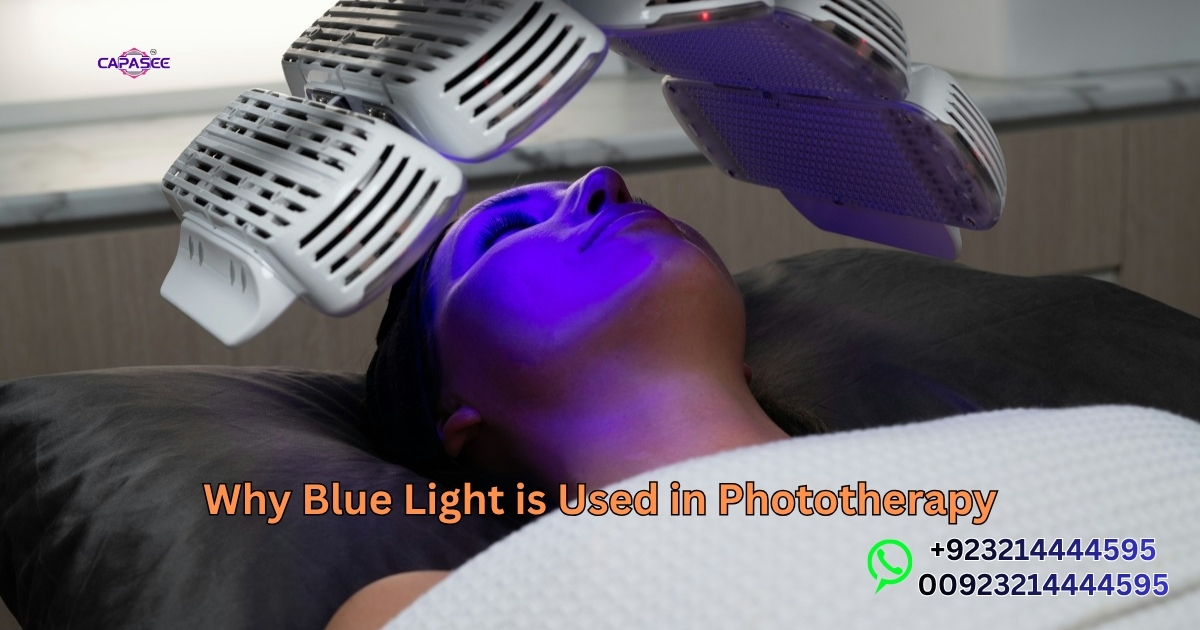
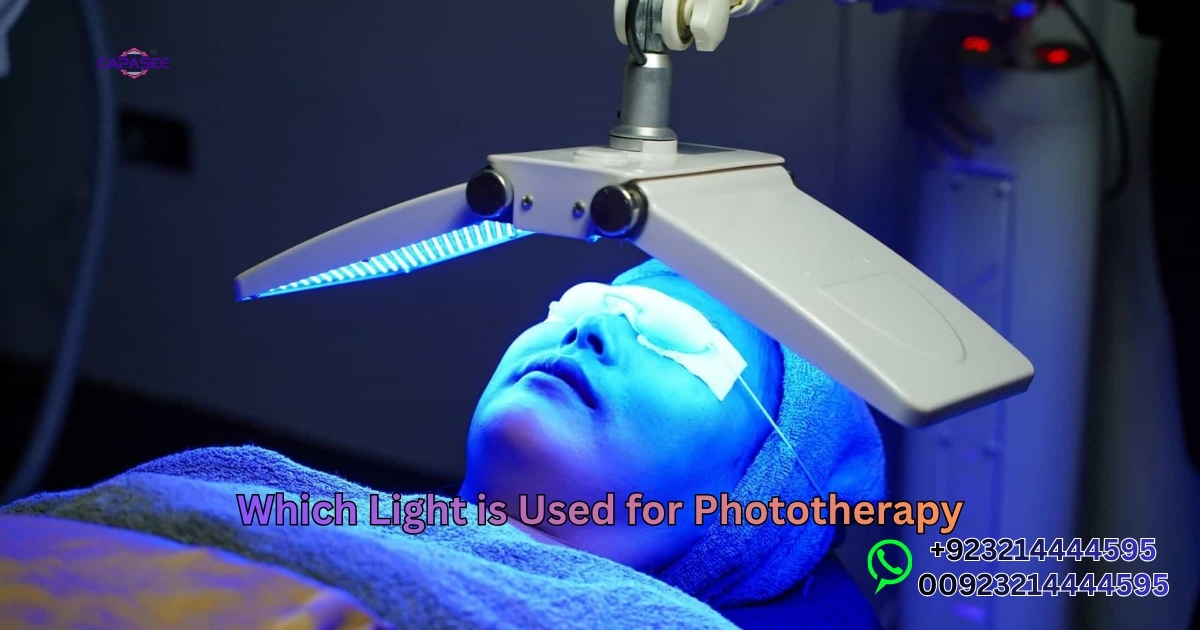
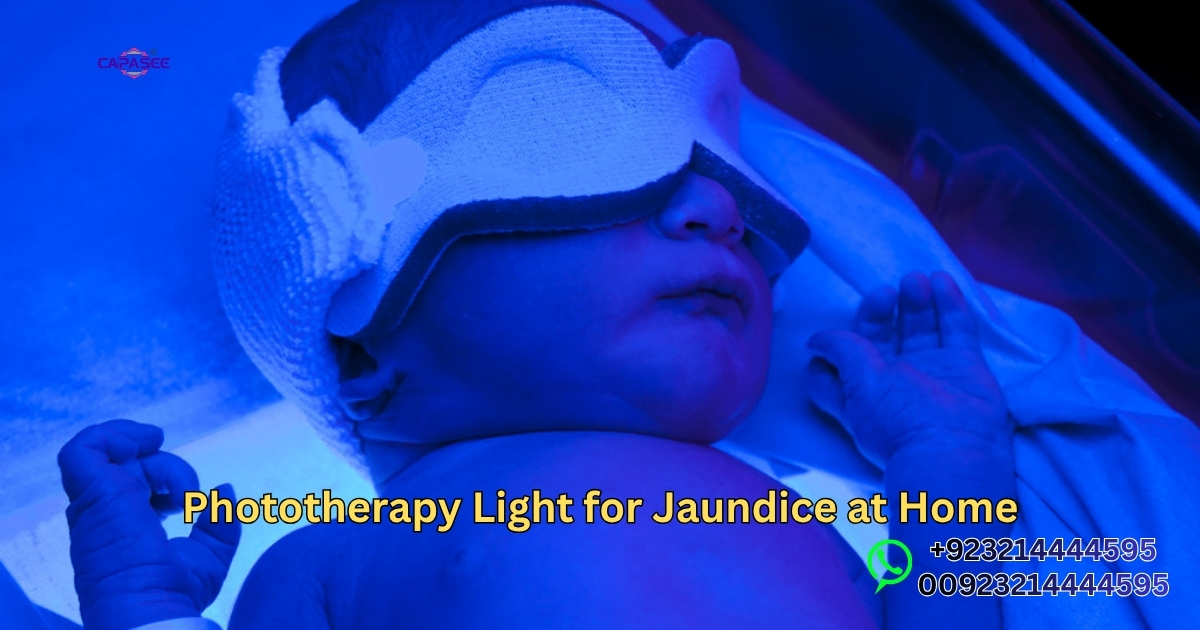
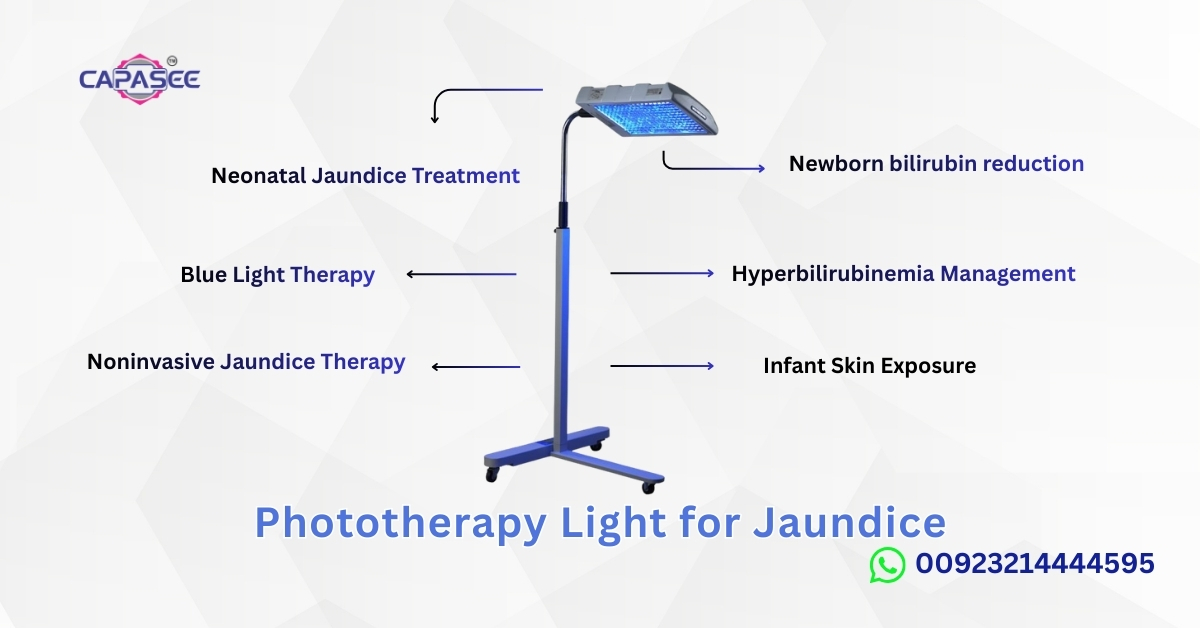
In phototherapy, doctors employ special blue light, which explains how light is used in phototherapy for jaundice. This light is within the Blue light wavelength spectrum. It usually stays within the Wavelength 430-490 nm and the 420-490 nm spectrum. This spectrum forms visible blue green light, which can safely treat babies. It assists in the treatment of Neonatal jaundice and enhances the treatment of Hyperbilirubinemia. Hospitals favor non ultraviolet light therapy due to its being safe on soft baby skin.
The light assists the body in transforming bilirubin in a natural Bilirubin conversion process, showing how light is used in phototherapy for jaundice effectively. It becomes water soluble bilirubin isomers, which are easily excreted. The results are enhanced by the proper Light intensity requirements and extensive Newborn skin exposure. Physicians abide by the best irradiance levels to prevent danger. This approach aids in Neonatal hyperbilirubinemia management and prevents Kernicterus. This system is safe, and many hospitals in Pakistan rely on it to give safe care to their newborns.
Why blue light works for newborn jaundice
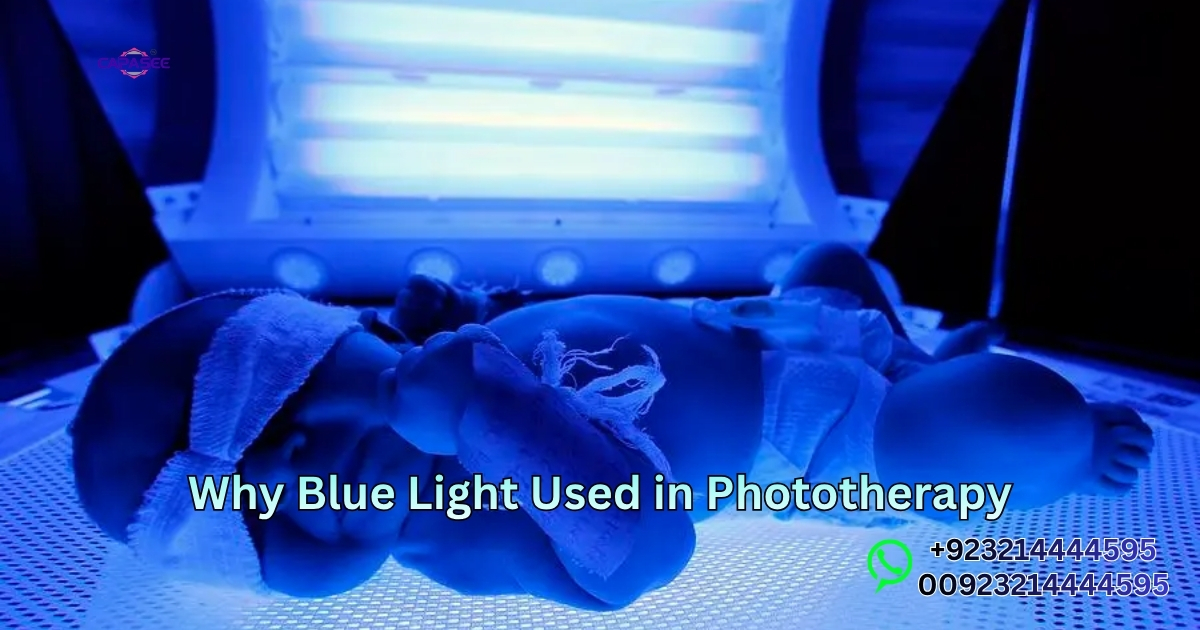
Blue light is quick, as it corresponds to the level of bilirubin absorption, demonstrating how light is used in phototherapy for jaundice. The blue green light spectrum helps the body start Bilirubin photoisomerization quickly. This procedure transforms the dangerous bilirubin into non harmful forms. Physicians use the technique to treat Neonatal jaundice. It also reduces hospital stays and stress for families.
This technique incorporates a regulated Blue light wavelength and harmless exposure time. It helps in the good management of Hyperbilirubinemia in infants. The Visible blue-green light remains soft on the skin. Physicians keep the levels of Optimal irradiance as high as possible. This maintains treatment in a stable condition.
You May Also Read This Blog: How To Use Phototherapy Light
Role of Capasee Phototherapy Light in bilirubin reduction
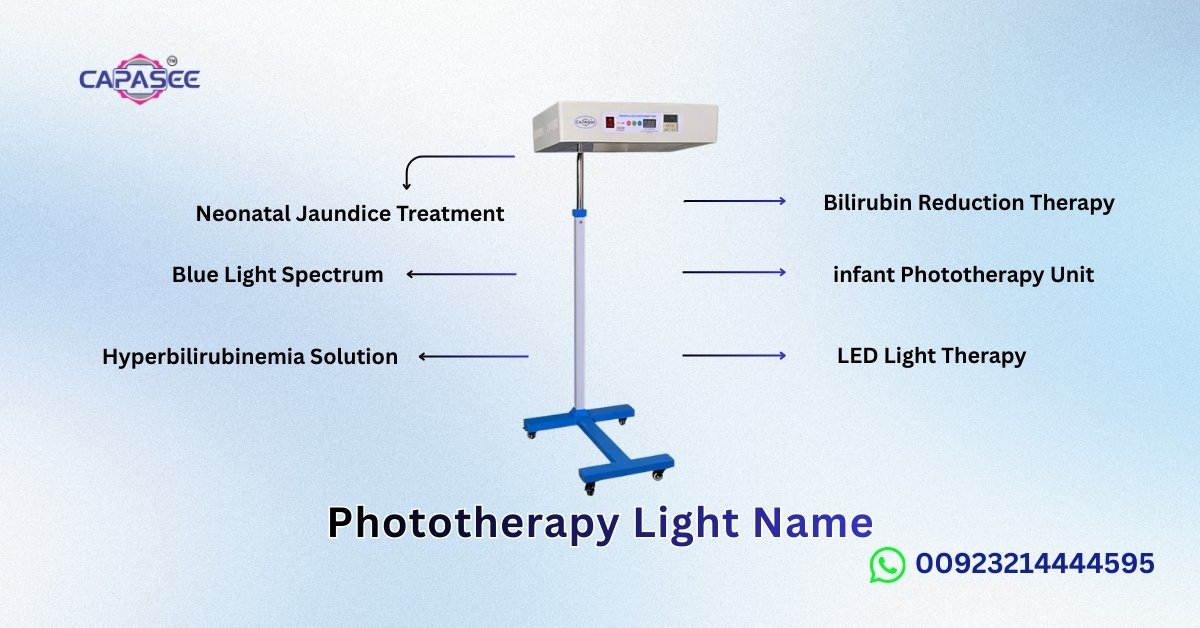
Capasee Electro Medical Engineering systems deliver light output that is stable and high, supporting. These systems adhere to the 420-490 nm spectrum of effective treatment. They enhance the process of converting Bilirubin with consistent light flow. Hospitals that utilize trusted Phototherapy light jaundice treatments. This guarantees a fast breakdown of bilirubin.
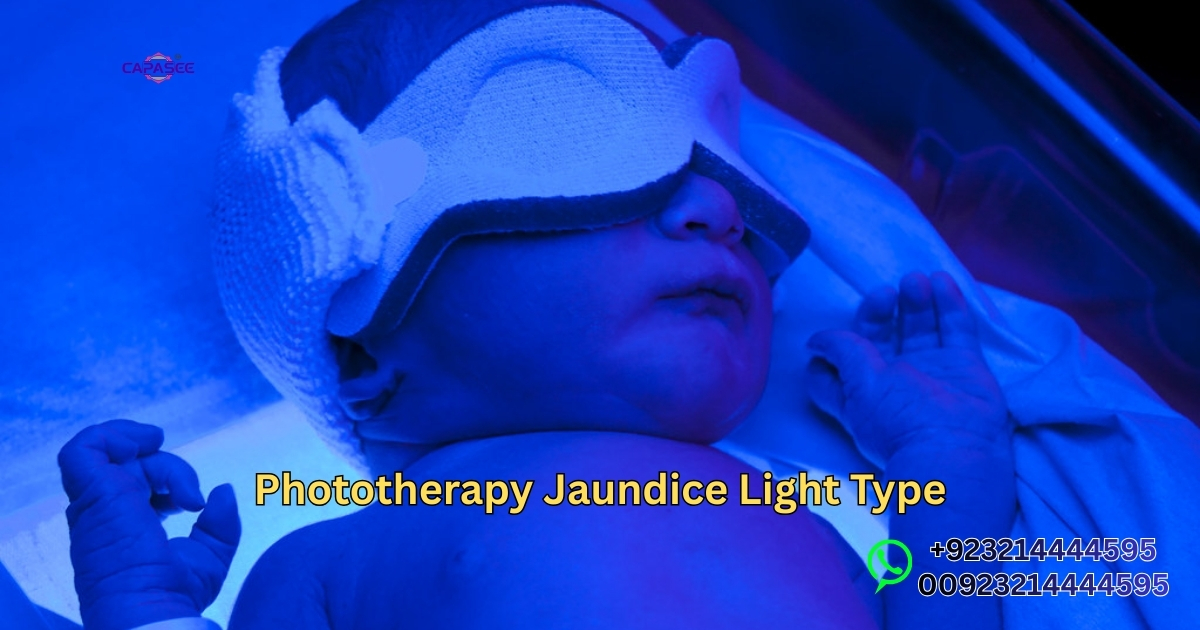
Capasee Electro Medical Engineering lights allow even exposure of Newborn skin. This enhances the formation of water soluble bilirubin isomers. The system is appropriate in terms of Light intensity to ensure safe treatment. Physicians have confidence in it to treat advanced Neonatal hyperbilirubinemia.
Blue Light Phototherapy for Jaundice
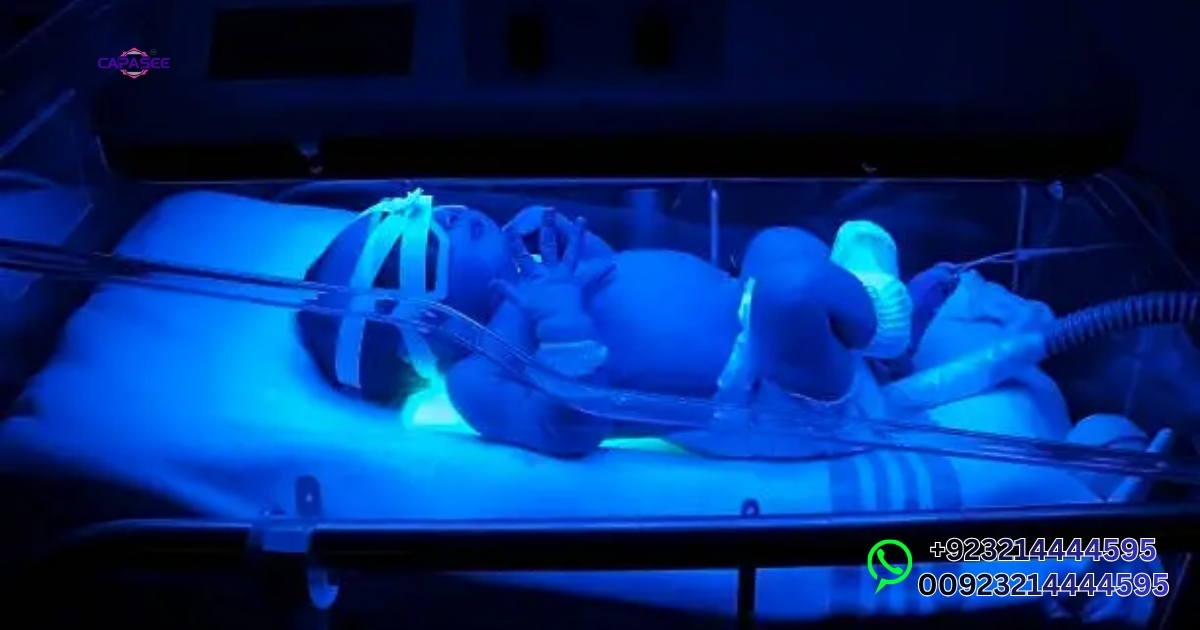
The most reliable treatment option currently is blue light therapy, clearly showing how light is used in phototherapy for jaundice. It operates under the Wavelength 430-490 nm range of Visible blue green light. This guarantees safe non ultraviolet light treatment to infants. It is extensively used by doctors in the treatment of neonatal jaundice. It aids in lowering the bilirubin level within a short time.
Hospitals adhere to strict levels of Optimal irradiance to safeguard babies. The approach enhances the management of Hyperbilirubinemia at an early age. The therapy helps in the prevention of Kernicterus as it reduces toxic bilirubin in a short time. It also maintains treatment easy and effective in Pakistan’s healthcare settings.
How blue light breaks down bilirubin in babies
Bilirubin is altered by Blue light, Bilirubin photoisomerization, explaining how light is used in phototherapy for jaundice in practice. This process transforms it into safe forms, which dissolve in water. These types get converted to water soluble bilirubin isomers. They are excreted in the urine and stool by the body. This enhances the speed of recovery.
This reaction is best done with the Blue light wavelength. Physicians make sure the newborn’s skin is completely exposed to therapy. The process is enhanced by the blue green light spectrum safely. The approach helps to manage Neonatal hyperbilirubinemia.
Capasee LED blue light systems in NICU
Capasee Electro Medical Engineering LED systems provide consistent and focused lights, supporting how light is used in phototherapy for jaundice in NICUs. Their peak results are in the 420-490 nm. These systems meet exact Light intensity requirements. They are in use in NICUs to administer safe and rapid phototherapy light jaundice treatments.
During treatment, these systems maintain constant Optimal irradiance levels. They promote good Kernicterus prevention. They have been used by doctors in the current management of Hyperbilirubinemia. This enhances the quality of care in the hospitals in Pakistan.
| Feature | Benefit |
| Blue light wavelength | Fast bilirubin breakdown |
| 420-490 nm spectrum | Safe and effective treatment |
| Optimal irradiance levels | Consistent therapy results |
| Non ultraviolet light therapy | Protects newborn skin |
LED Phototherapy for Jaundice Newborns in Pakistan
LED phototherapy enhances the treatment of Neonatal jaundice in Pakistan hospitals that apply phototherapy to treat jaundice in order to decrease bilirubin quickly through the use of safe non ultraviolet light therapy to treat newborn recovery care, showing how light is used in phototherapy for jaundice.
Pakistan has modern NICUs with Visible blue green light systems that adhere to the 420-490 nm range of light and help in the treatment of Hyperbilirubinemia and prevention of safe Kernicterus if light is applied in phototherapy for jaundice treatment, further reflecting.
Why hospitals choose Capasee LED phototherapy units
Pakistan hospitals have confidence in Capasee LED units since they provide consistent brightness and harmless exposure. Those systems facilitate constant Light intensity needs and enhance the result of Neonatal jaundice treatment, where light is used in phototherapy for jaundice. They are also favorable to doctors due to the decreased time of treatment and the ease of exposing the newborn’s skin.
Capasee Electro Medical Engineering units also have good Optimal irradiance levels to enhance bilirubin breakdown. It is claimed that these systems have simplified and enhanced the management of Hyperbilirubinemia in many NICUs. They are also applied by doctors in strong Kernicterus prevention outcomes in newborn care.
Check More & Purchase: Our Products
Cost effective neonatal jaundice treatment in Pakistan
Pakistan hospitals prefer LED systems since they are less expensive and consume less energy. Families receive quality care at affordable rates. The system continues to provide effective phototherapy in jaundice using light in rural and urban hospitals, where light is used in phototherapy for jaundice.
These systems contribute to safe treatment and reduced hospitalization. They enhance access to Neonatal jaundice treatment among low income families. Neonatal hyperbilirubinemia cases also record quicker recovery and outcomes among doctors.
| Feature | Benefit |
| LED systems | Low cost treatment |
| Blue green light spectrum | Fast bilirubin control |
| Non ultraviolet light therapy | Safe newborn care |
| Optimal irradiance levels | Stable results |
Fiberoptic and Wavelength Choices in Jaundice Treatment
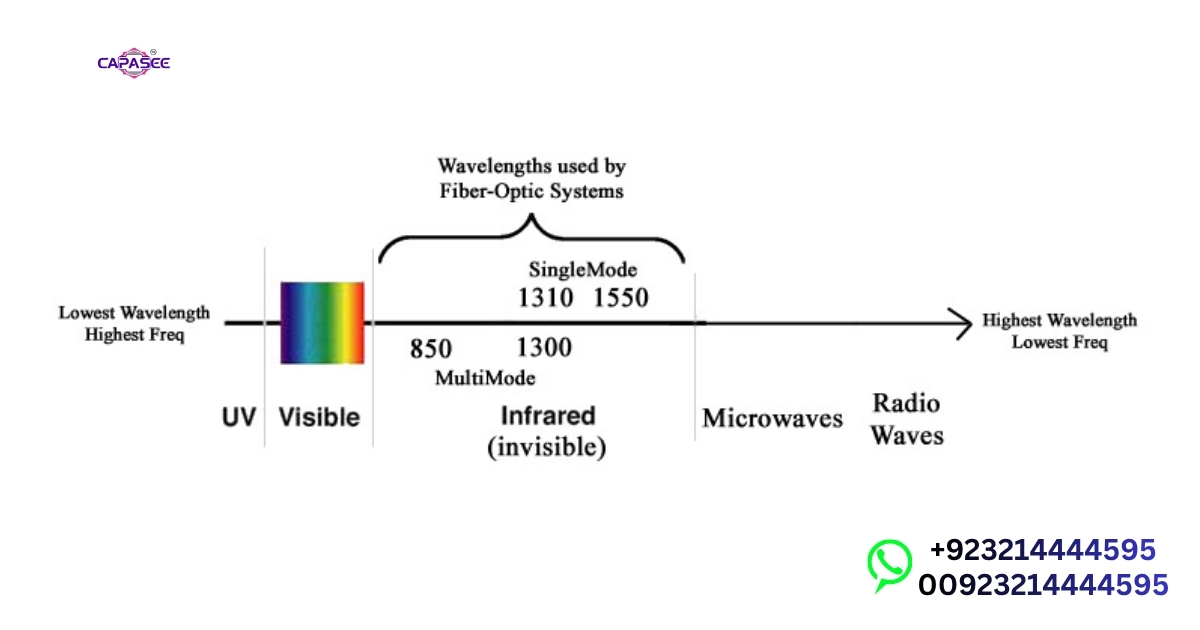
Fiberoptic systems are used in Neonatal hyperbilirubinemia treatment, as well as to allow Newborn skin exposure, with light in phototherapy of jaundice via flexible pads that enhance comfort during the bilirubin conversion process safely and smoothly, showing how light is used in phototherapy for jaundice.
In the management of Neonatal hyperbilirubinemia, doctors select Blue light wavelength within the Wavelength 430-490 nm range of the blue green spectrum as a safe and effective method of photoisomerizing bilirubin and achieving the best therapy outcomes.
Fiberoptic phototherapy neonatal jaundice explained
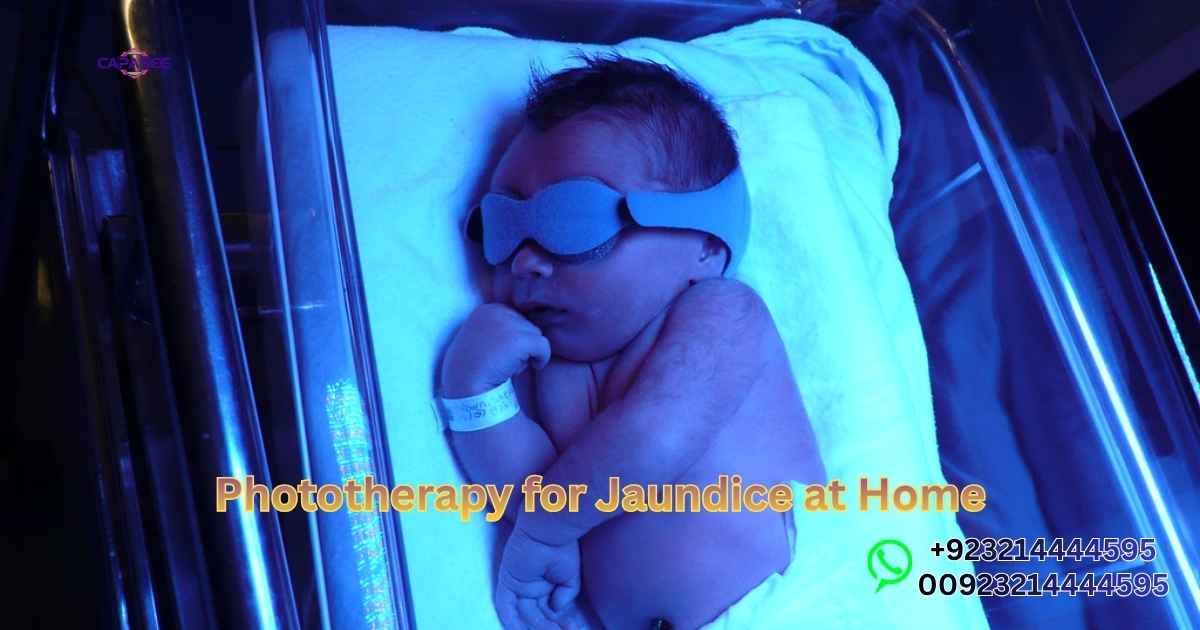
Fiberoptic phototherapy involves the use of light pads on the baby underneath or surrounding them. This system will enable feeding and holding during treatment. It aids in the treatment of Neonatal jaundice in a mild manner and without exposing the entire body to the sun.
This technique employs non ultraviolet light treatment and assists in making the babies comfortable. It also helps maintain a consistent Bilirubin conversion mechanism and maintain babies in a stable and safe hospital care setting.
Optimal wavelength used in jaundice phototherapy (blue vs blue green)
Physicians compare blue and blue green light to get the most effective results. The blue green spectrum of light tends to be quicker in the breakdown of bilirubin. It promotes intense Bilirubin photoisomerization within the blood systems of infants.
Blue light will provide concentrated energy, where as blue green light will have a broader coverage. Both aid in the treatment of Hyperbilirubinemia and aid in the prevention of Kernicterus. The selection of hospitals is based on the conditions of the babies and the light intensity needs.
Conventional vs LED Phototherapy for Jaundice
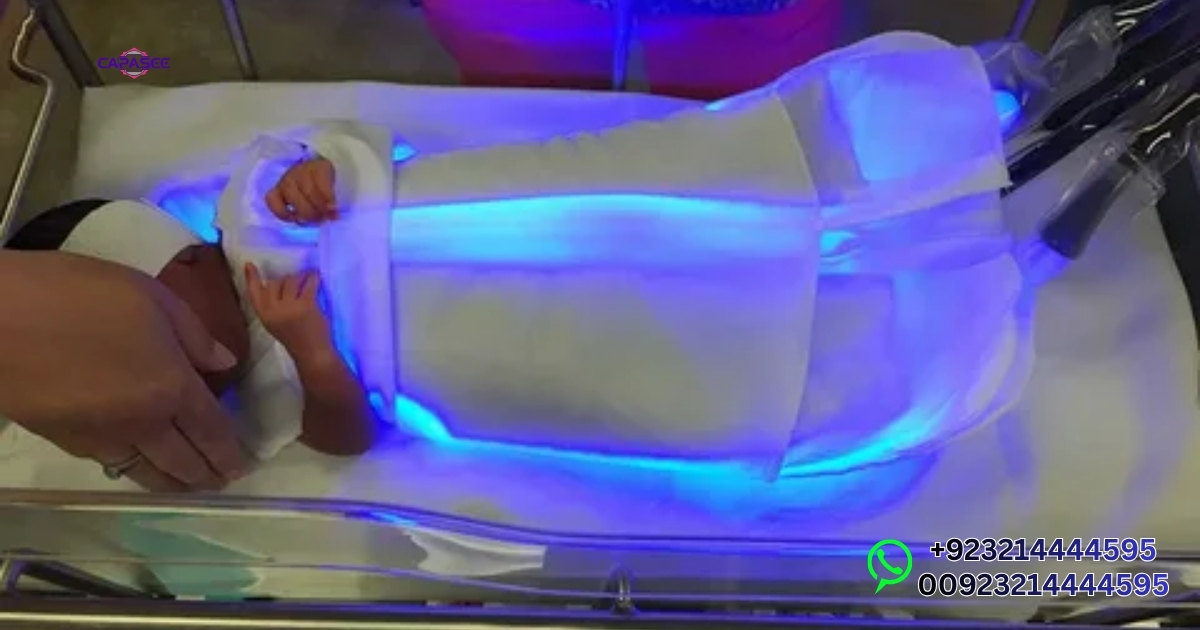
Light in phototherapy of jaundice is applied in hospitals in both antique and modern systems. Light is used in phototherapy for jaundice. Traditional systems are fluorescent light based, and LED systems are based on focused Phototherapy light jaundice technology. They are both used to treat Neonatal jaundice in Pakistan and are differentiated by the speed and safety of performance.
LED systems operate in the 420-490 nm range, producing visible blue green light to enhance the Bilirubin conversion process. This enhances management of Hyperbilirubinemia and a safer non ultraviolet light therapy. Stable and reliable newborn care outcomes are now preferred by doctors to LED.
Advantages of Capasee LED over conventional phototherapy
Capasee LED systems provide good control over Light intensity requirements and provide superior Optimal irradiance levels. These systems enhance skin exposure of the Newborns and minimise the time of treatment. They are used in hospitals in Pakistan with improved Neonatal hyperbilirubinemia outcomes.
They also facilitate the smooth formation of water soluble bilirubin isomers, which are involved in the faster elimination of waste by the body. Physicians have confidence in LED units to prevent Kernicterus with lower risks and enhance recovery in newborn cases of jaundice in busy hospital settings.
Blue green light vs blue light in neonatal hyperbilirubinemia
Both blue light and blue green light aid in Neonatal hyperbilirubinemia. Blue light is a focused Blue light wavelength where as the blue green light is broader. Both advocate Bilirubin photoisomerization in newborns as a way of promoting quick healing.
The reason why the blue green light spectrum tends to be quicker is that the light enhances the absorption of bilirubin. It promotes good management of Hyperbilirubinemia and enhancement of improved treatment outcomes of Neonatal jaundice. Doctors make the choice depending on the condition of a baby and the speed of treatment.
| Light Type | Effect |
| Blue light | Focused bilirubin breakdown |
| Blue green light spectrum | Wider treatment coverage |
| LED phototherapy for jaundice | Fast recovery support |
| Non ultraviolet light therapy | Safe newborn care |
Both procedures involve Visible blue green light in the Wavelength 430-490 nm. They guarantee safety measures in Kernicterus prevention and stable Light intensity in the treatment of newborns in hospitals in Pakistan, where light is used in phototherapy for jaundice.
Frequently Asked Questions
What kind of light is used for phototherapy jaundice?
A special blue LED light, 420 nm to 490 nm, is used safely to decompose bilirubin in newborns by doctors.
Why is only blue light used in phototherapy?
The blue color is the most effective since it fits in the absorption spectrum of bilirubin and assists it in transforming to a form that can be eliminated rapidly by the body.
How long is bili light treatment?
The majority of the newborns require 1 to 3 days of treatment based on the level of bilirubin and the rate at which the body reacts.
Can bili light be used at home?
Yes, in certain instances, doctors permit home phototherapy, but only under appropriate medical advice and supervision.
Can sunlight help jaundice in newborns?
Mild sunlight can be a bit helpful, but it cannot substitute medical phototherapy and may also pose safety risks to babies.
Final Thoughts
Understanding what light is used in phototherapy for jaundice will make parents more confident when dealing with the baby in their care. A safe blue LED light with a wavelength ranging between 420-490 nm is mostly used by doctors as a way of breaking down bilirubin in a quick and natural manner, where light is used in phototherapy for jaundice. This therapy assists in rapid healing and minimizes health dangers such as severe jaundice. Modern LED systems are being used in hospitals in Pakistan to achieve improved results and safety. Understanding what light is applied in phototherapy to treat jaundice will help you trust the treatment process and follow the healing process with your baby without the fear that you may be treating it with incorrect light.