Blog
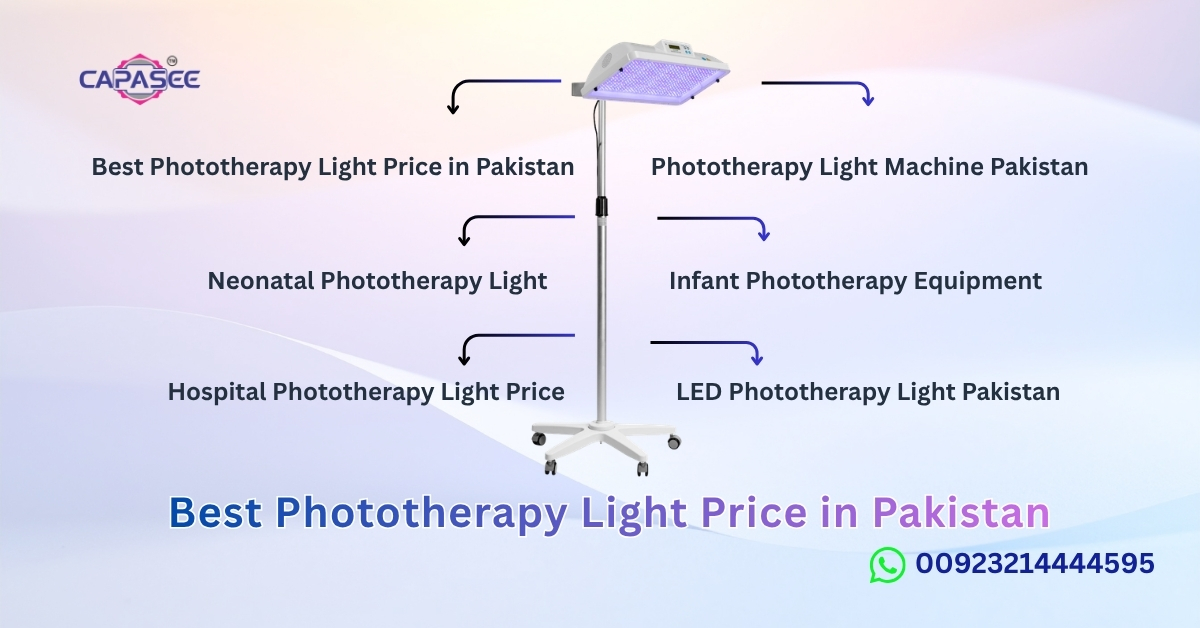
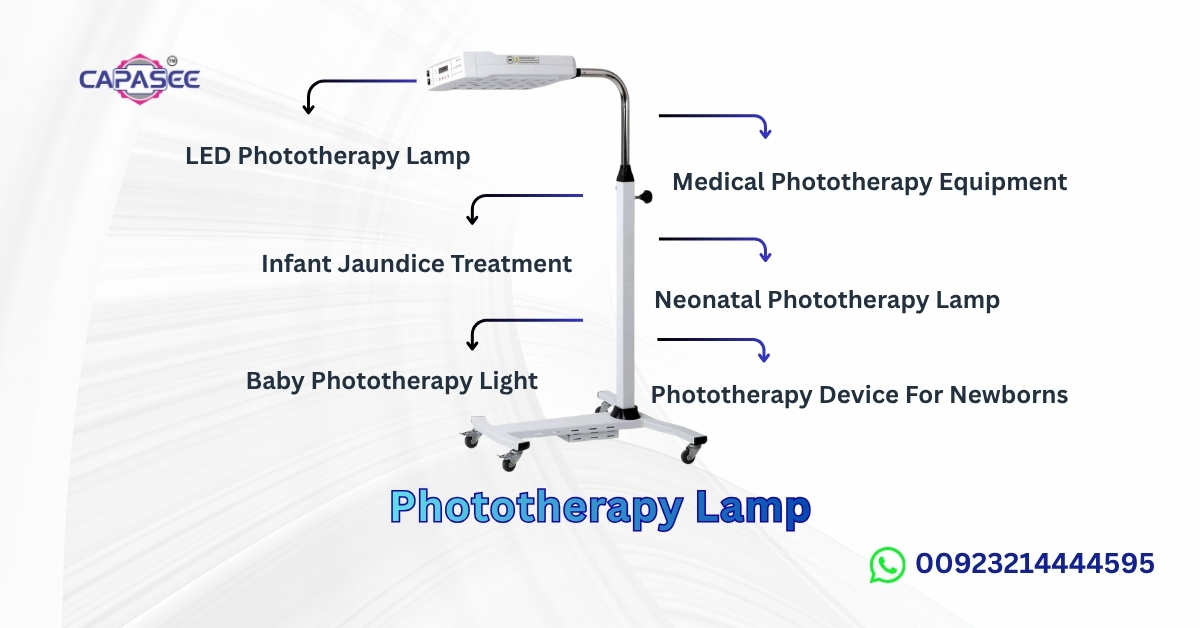
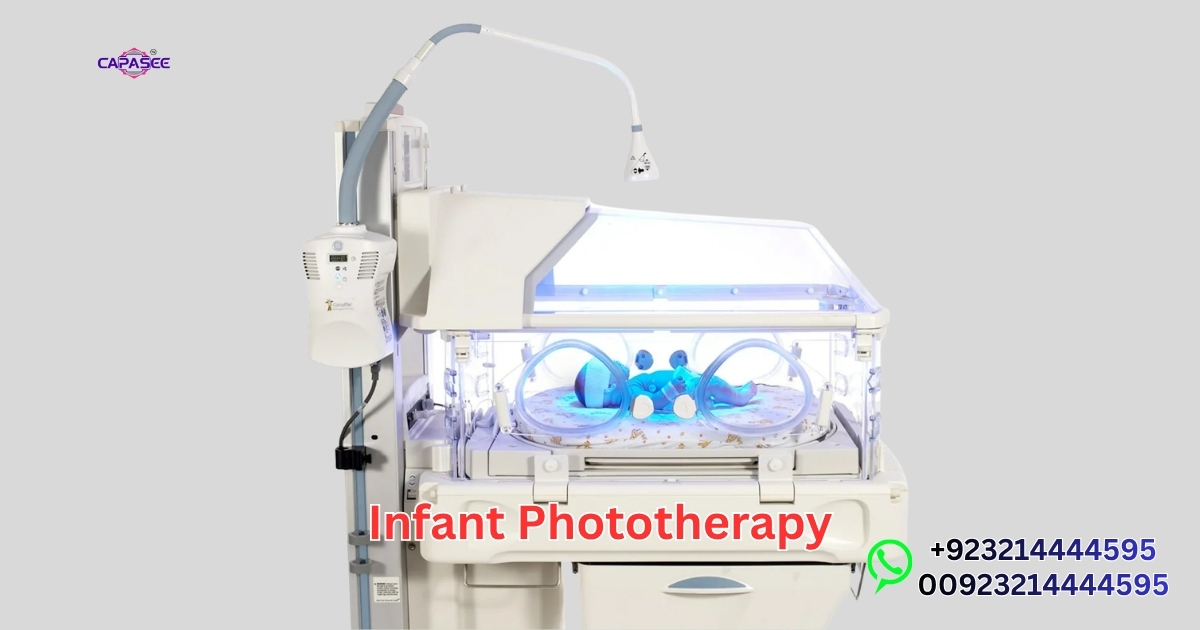
Neonatal Phototherapy Light

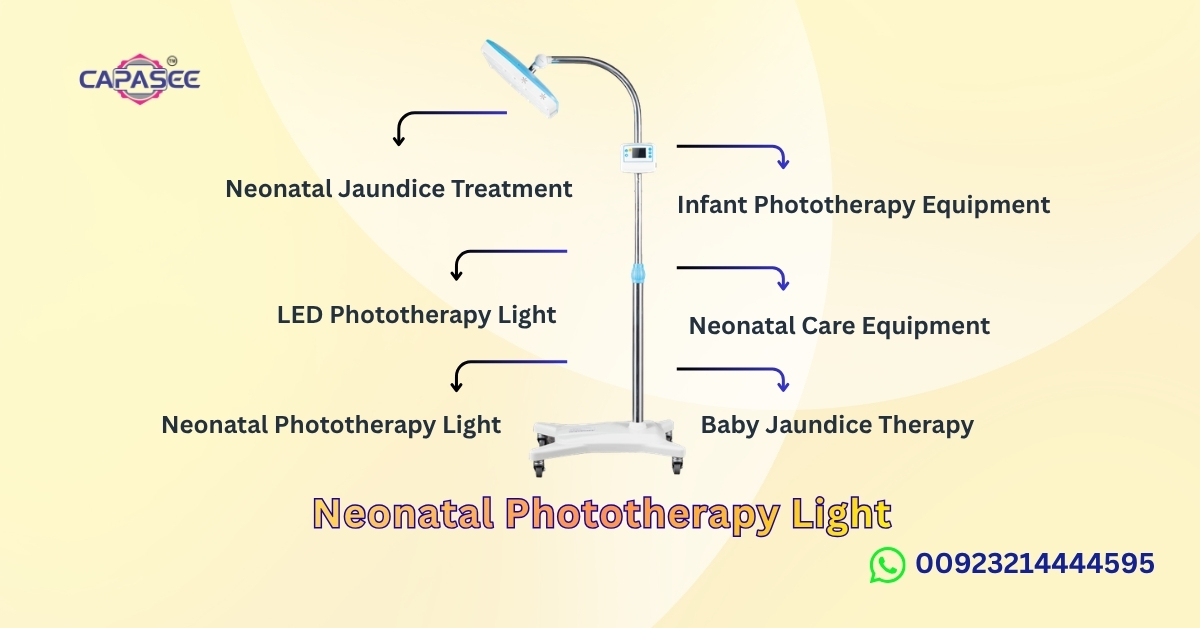
In Pakistan, thousands of children are born jaundiced in the NICUs every year, and if not treated adequately, they may become brain damaged forever within days. However, many hospitals and clinics in Tier 2 and Tier 3 cities continue to use older fluorescent phototherapy equipment that provides unreliable energy and irradiance levels and is a burden on energy costs. Most medical buyers are unaware of a significant discrepancy between neonatal needs and the services most facilities offer today.
The technology of neonatal phototherapy light has come a long way, and the decision between different units is a clinical, financial, and operational choice. This guide provides details on how modern phototherapy systems function, what the clinical and technical specifications are all about, and why more health workers in Pakistan are investing in Capasee Electro Medical Engineering cost effective and reliable systems that are tailored to local conditions.
What Is a Neonatal Phototherapy Light and Why Is It Essential in Pakistan?
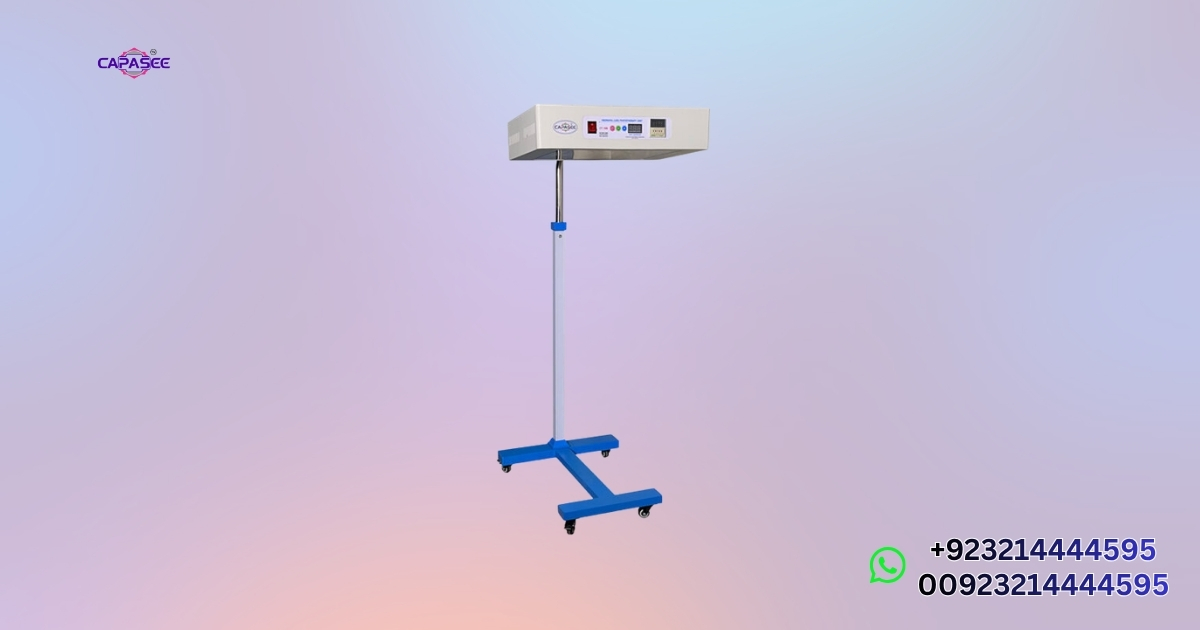
An estimated 60% of babies born in a full term pregnancy will have neonatal jaundice, and as high as 80% of all premature babies around the world will suffer from neonatal jaundice. Pakistan is not an exception. Neonatal phototherapy light is a medical light that can emit a specific wavelength of visible light, which can break down excess bilirubin in a newborn’s blood, allowing it to be excreted naturally. Hyperbilirubinemia can progress to irreversible brain damage (kernicterus) if it is not treated on time; this represents brain damage that no family should have to endure.
Neonatal jaundice in Pakistan is further exacerbated by late detection, insufficient medical equipment in nonmetropolitan areas, and high density of the NICUs. Both the WHO and the Pakistan Pediatric Association suggest that the first line treatment of phototherapy is noninvasive. The selection of a neonatal phototherapy light unit is no longer a luxury; it’s a duty for any serious healthcare facility.
How Neonatal Phototherapy Light Treats Jaundice in Newborns
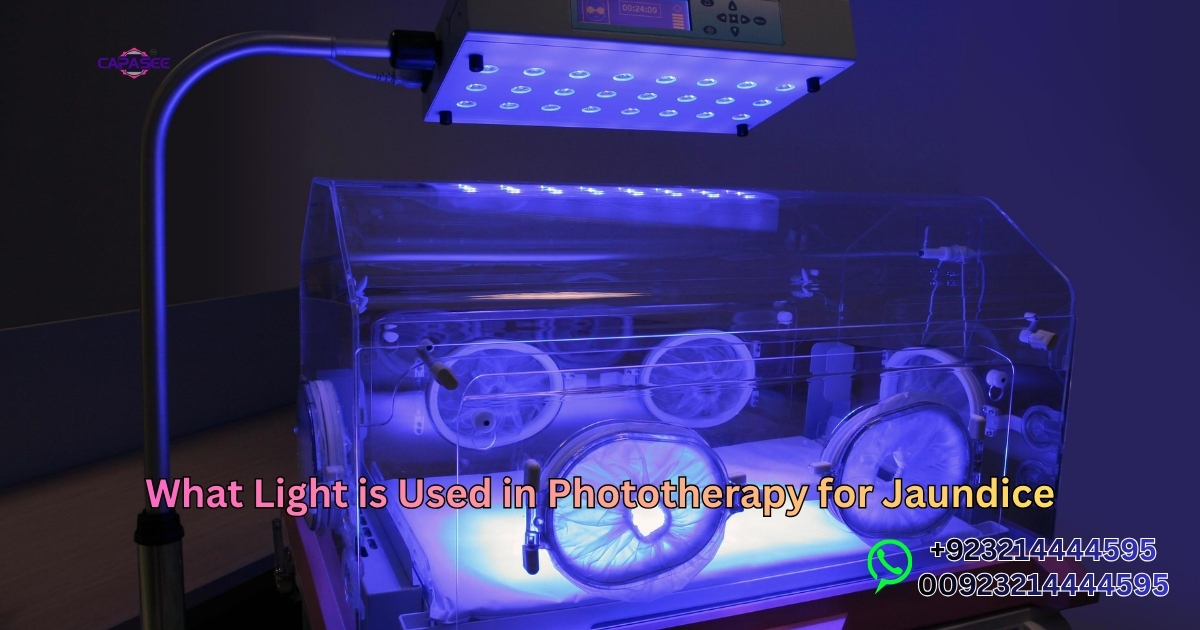
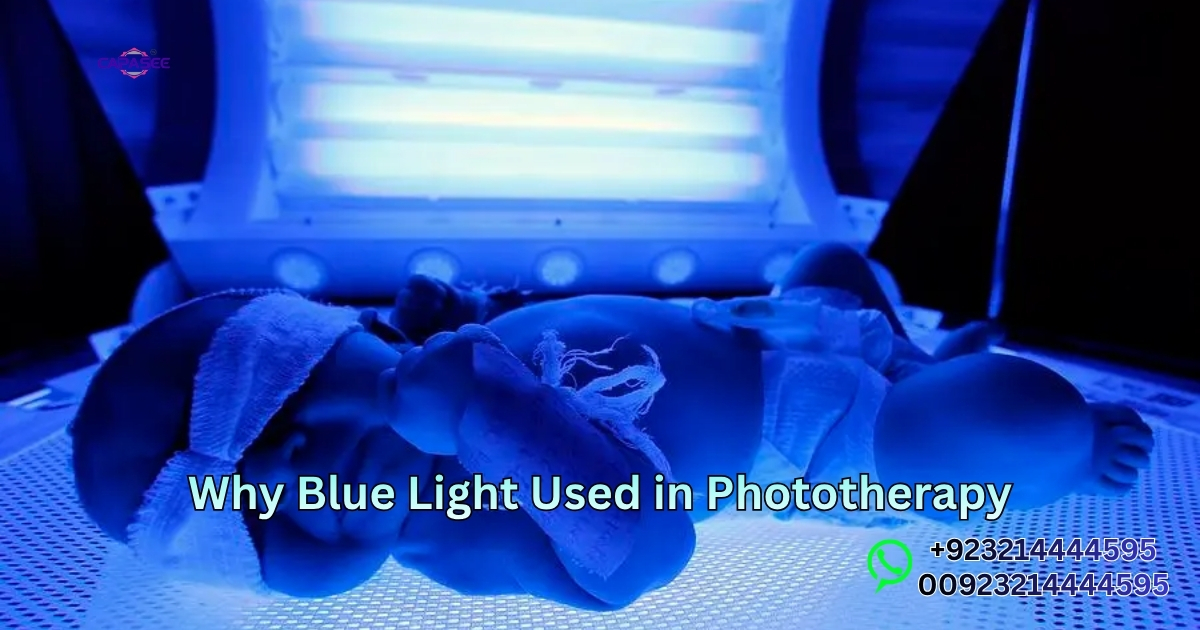
The mechanism of action is that phototherapy is applied to the skin of a newborn in the form of blue spectrum light (430 nm to 490 nm). This light into the skin turns bilirubin molecules into water soluble isomers called “lumirubin” that can be excreted by the baby’s liver and kidneys without being conjugated. It is known as photoisomerization and starts to work within hours of correct exposure.
Two important factors that determine the effectiveness of treatment are the level of irradiance (expressed in μW/cm²/nm) and the area of the skin that is exposed to light. The faster the bilirubin breaks down, the higher the irradiance. They are designed to provide at least 40 μW/cm²/nm, which is a higher level than the clinical standard, giving intensive level phototherapy for all jaundiced neonates, even the most severely affected.
Why Pakistani Hospitals Prefer LED Phototherapy Over CFL Systems
Driven by both clinical and practical considerations, LED phototherapy is largely replacing CFL (compact fluorescent lamp) systems in a modern NICU setting. LED units emit a narrower bandwidth of light with a higher concentration of light absorbed by bilirubin, while CFL bulbs emit a wider bandwidth and heat the infant’s body, which causes it to need more frequent feeding and temperature checks.
In terms of the operation, LED systems waste up to 70% less power compared to CFL systems. That represents significant savings in energy, a resource that is not only becoming more expensive but is also increasingly being lost due to load shedding in the country, particularly in Punjab, Sindh, and KPK. LED phototherapy units from Capasee are also designed to be compatible with UPS uninterruptible power supply; they continue to operate during a power failure, which is not possible with alternatives using CFLs.
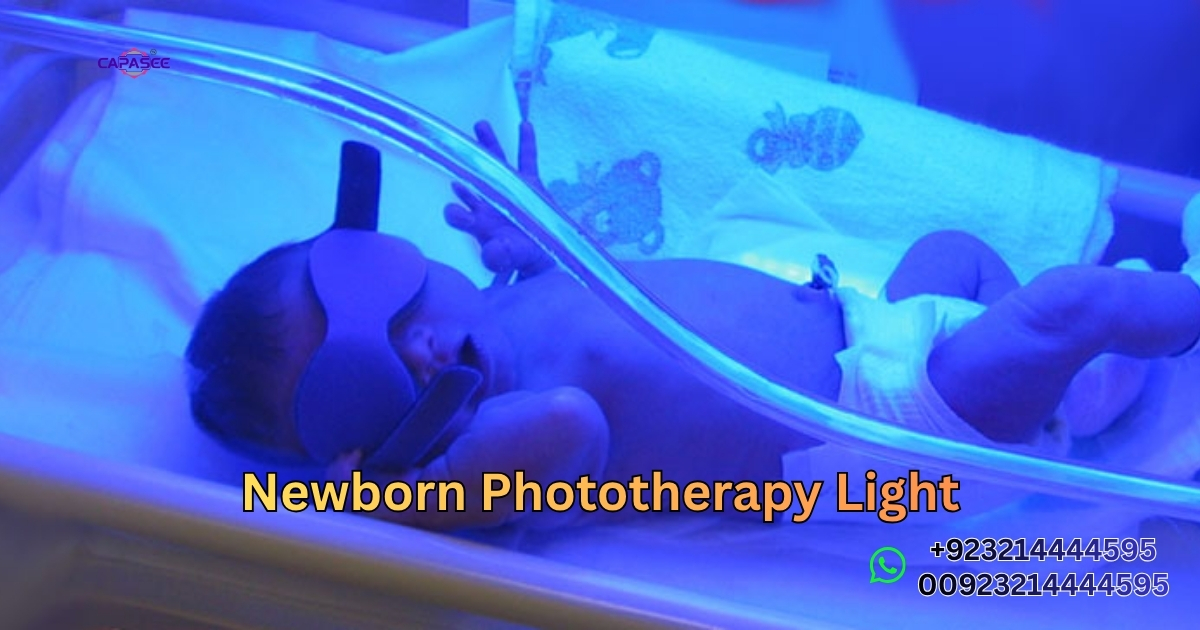
You May Also Read This Blog: Newborn Phototherapy Light
Key Features to Look for When Buying a Neonatal Phototherapy Light in Pakistan
Many smaller clinics in Pakistan make the wrong choice of the phototherapy unit, and it is a costly error that they will come to regret. It should possess clinical specifications, withstand the power situation in Pakistan, and have reliable after sales support. Before any purchase, all buyers must ensure they are getting irradiance output, wavelength accuracy, safety certifications, and local warranties.
The low retail price can come with high maintenance expenses; frequent bulb changing, shortages of spare parts, and no service. Each of these pain points is directly addressed by Capasee Electro Medical Engineering, which provides units specifically designed for the Pakistani healthcare environment and not generic imports without local support.
Critical Specifications: Irradiance, Wavelength, and Safety Features
The most important clinical specification found on any phototherapy device datasheet is irradiance. According to the American Academy of Paediatrics, the irradiance level of intensive phototherapy is 30 μW/cm²/nm or greater in the wavelength range of 430 to 490 nm. Any device that operates below this level should not be used for the treatment of high levels of bilirubin.
Below is a side by side comparison of minimum acceptable standards and what Capasee Electro Medical Engineering provides:
| Feature | Minimum Standard for Pakistan Hospitals | Capasee Electro Medical Engineering Standard |
| Irradiance (μW/cm²/nm) | 30 (visible spectrum) | 40 (high intensity LED) |
| Wavelength Range | 400 to 500 nm | 430 to 490 nm (peak bilirubin absorption) |
| Eye Protection | Included | Auto shutoff + padded eye mask |
| Power Backup | Optional | Built in UPS compatibility for load shedding |
| Warranty | 1 year | 2 years + on site service in major cities |
Capasee standard is above the clinical minimum for all critical parameters, as shown in the table. If the hospital is in the cities of Lahore, Karachi, Faisalabad, or Multan, then the autoshutoff and UPS compatible feature is worth the cost.
Price Range and Budget Options for Pakistani Clinics
The prices of the phototherapy machine in Pakistan range from the technology type and irradiance output to after sales support. The entry level units that use CFL technology are between PKR 35,000 and 60,000, but the short lamp life and high power consumption of these units offset the initial savings within 12 to 18 months. Midrange LED phototherapy units are available and begin at PKR 80,000 and provide much greater clinical return on investment.
Capasee provides flexible pricing options that would appeal to private clinics, district hospitals, and large tertiary care centres. The team will not have a standard price list to choose from, but will perform a facility needs assessment and recommend a unit that meets both the clinical workload and budget. Volume based pricing and instalment options are available upon direct enquiry for bulk procurement, especially for the government hospitals or NGO funded maternal health programmes.
Check More & Purchase: Our Products
How to Operate and Maintain Neonatal Phototherapy Light Safely
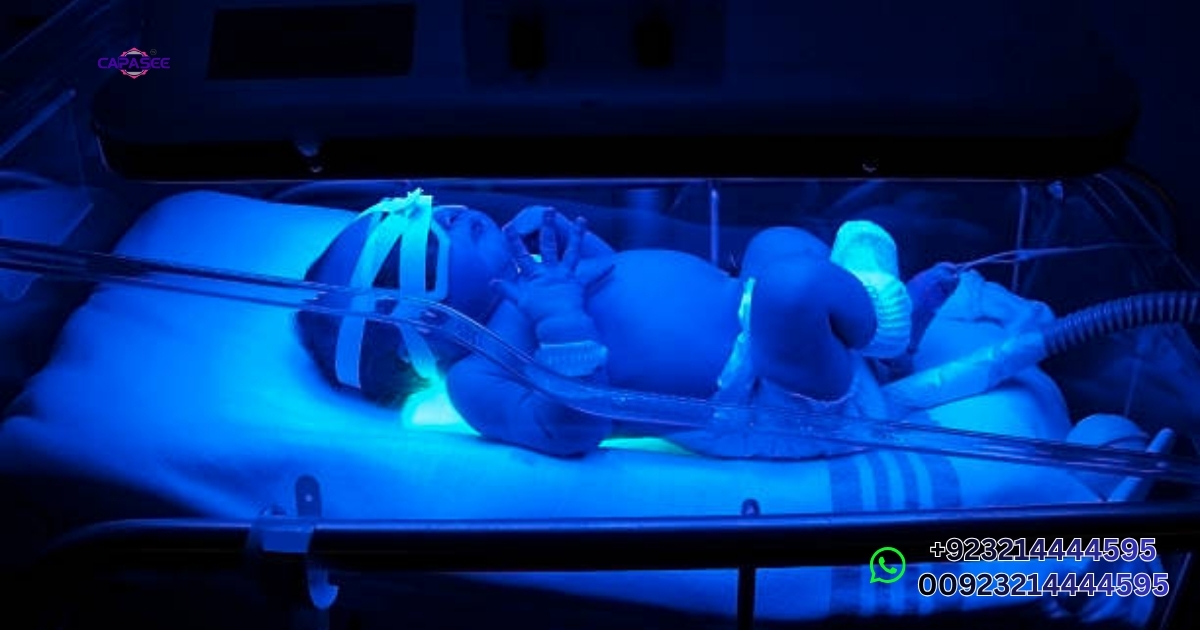
Neonatal phototherapy light operation is the direct driving force to determine treatment results. But even the most sophisticated unit will be ineffective if nurses and doctors procedures for setting up and monitoring it are incorrect. Training is no exception, but an expectation of a standard of care.
Capasee offers practical clinical training for all the units supplied. Before using the device on any patient, staff are trained in appropriate positioning, exposure time management, temperature and eye protection protocols.
Step by Step Operation Guide for Nurses and Doctors
To operate a neonatal phototherapy light properly and safely, follow these steps:
Step 1 — Patient Preparation: Undress the newborn, except for a diaper. Make sure that the neonatal phototherapy light source is maximally exposed to the skin for maximum light delivery.
Step 2 — Eye Protection: Wear a suitable eye mask before turning the neonatal phototherapy light unit on. Do not use with the baby’s eyes uncovered.
Step 3 — Positioning: Place the infant under the neonatal phototherapy light unit at the manufacturer’s recommended distance, usually 25 cm to 35 cm from the surface of the light. Capasee has a distance guide on the stand for each unit for easy reference.
Step 4 — Device Activation: Turn on the neonatal phototherapy light unit and check the irradiance on the display panel. Should the reading be below the clinical threshold, please notify your service provider right away.
Step 5 — Monitoring: Closely monitor the baby’s temperature every 2 hours. Turn off neonatal phototherapy light therapy for feeding and bonding with the mother every 3 to 4 hours. Check bilirubin levels every 12 hours until they are in the safe range.
Step 6 — Session Completion: Completion of the neonatal phototherapy light unit before taking the eye mask off. Record all phototherapy hours for clinical documentation.
The importance of this protocol is demonstrated by a real life case at a private maternity hospital in Rawalpindi, which had 50 beds; following the training of their neonatal phototherapy light procedure with the Capasee protocol, this hospital reduced the average duration of the treatment of each neonate by 28% from 72 hours to 52 hours without changing the number of staff members.
Maintenance Tips to Extend Device Life in Pakistan’s Power Conditions
Pakistan’s electrical infrastructure has special challenges for sensitive medical equipment. Dust in non climate controlled wards, voltage fluctuations and outages may cause device life to be reduced if maintenance is not performed. Some basic maintenance practices improve the life of any phototherapy machine by adding years.
Wipe the light panel every week with a soft, dry cloth. The dust layer on the LED surface affects the effective output of the irradiance without any visible warning on the device, and can sometimes even cause a decrease of up to 15%. Power up with stabilizers at least 1 ½ times the power consumption of the device. Surge protection is built in on Capasee units and can be added on as an external stabiliser for extra protection. Verify the irradiance meter regularly with the calibration card included with the meter every 30 days. If irradiance is less than 30 μW/cm²/nm, call for service before the next patient visit. Capasee service teams are available on site at Lahore, Karachi, Islamabad, Faisalabad and Multan with a guaranteed 48 hours response time, because a broken phototherapy unit in a storeroom is a danger to every newborn admitted to your ward.
FAQ’s
What is the normal bilirubin level for a newborn in Pakistan?
In full term babies, a bilirubin level less than 12 mg/dL during the first 24 hours is safe. Usually, a level of more than 15 to 17 mg/dL will be treated by phototherapy. The Pakistani paediatricians use the WHO and AAP guidelines, with modification of gestational age and birth weight.
How many hours does neonatal phototherapy take to reduce jaundice?
After 24 to 48 hours of sustained phototherapy, most newborns will have a substantial drop in their bilirubin levels. Severely affected cases can last for 72 hours or longer. Treatment time will vary depending on the initial bilirubin levels, output of the device, and amount of skin area that is directly irradiated.
Is phototherapy safe for premature babies in NICU?
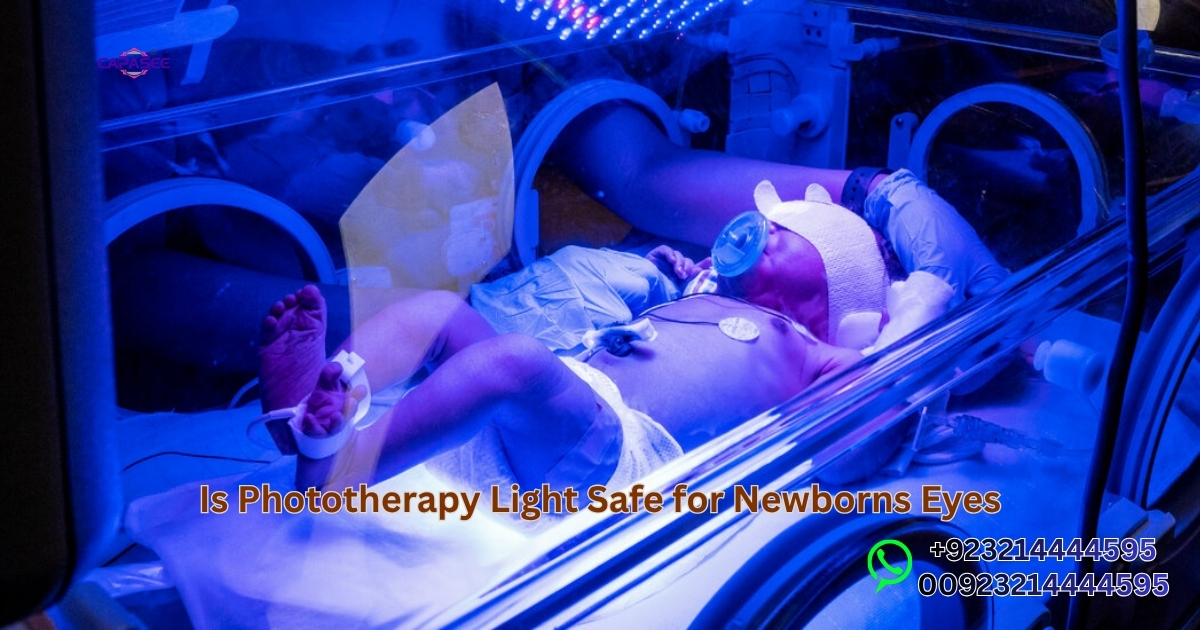
Correctly used, neonatal phototherapy light is safe for premature babies. The temperature should be monitored more closely in preterm neonates, and the thresholds for intervention should be lowered. Eye protection is always to be used, and treatment sessions are to be supervised by trained NICU personnel for the entire length of treatment.
What is the price of neonatal phototherapy light in Pakistan?
The cost of CFLs has been between PKR 35,000 and higher, while that of LEDs is around PKR 120,000 or more. Capasee provides units in various price levels, a complete warranty, and on site service support. For a quote and bulk purchasing rates, please contact Capasee directly for a quote or for more information.
Can phototherapy be done at home in Pakistan?
Pakistan does not recommend home phototherapy, as there was no clinical monitoring, calibrated irradiance device, or emergency backup. Bilirubin levels can increase very quickly, and only hospital quality equipment can provide the accuracy needed. Seek out advice from a paediatrician before trying any home remedies for jaundice.
Which phototherapy is best for newborns: LED or fluorescent?
The LED phototherapy system is clinically more effective than the fluorescent system. LED units provide a targeted range of 430 nm to 490 nm wavelengths, require much lower power consumption, and have a much longer lifespan, producing less heat. For hospitals in Pakistan facing electricity shortages and increasing power bills, LED phototherapy by Capasee Electro Medical Engineering is a more viable and efficient solution.
Final Thoughts
Phototherapy is one of the most prevalent and preventable neonatal complications in Pakistan, and the quality of your phototherapy unit can impact the outcome. It is not only a procurement issue but also a patient safety issue to select a device that can provide the right irradiance, the correct wavelength range, and reliable after sales services.
With a well calibrated neonatal phototherapy light, your clinical staff can feel more confident, treatment times are reduced, and your patients recover more quickly. As a manufacturer, Capasee Electro Medical Engineering is here to assist your facility with that upgrade, providing units designed to suit Pakistan’s realities and genuine service support.
Talk to Capasee today, find the perfect device for the ward, and provide every newborn infant with the care that they deserve.