Blog
Phototherapy Light Range

Can you get enough of using various remedies to improve your skin to no avail? When you do not feel that anything is working, it is frustrating, making you question yourself whether there is something you have not taken care of. In case you are seeking a more efficient solution, you can possibly have heard of phototherapy, yet you may not know whether this is the solution to your problem.
Phototherapy light range is a phototherapy light that we are about to explore in this blog post, in which we will address what it entails and the benefits it offers to different skin problems. The science behind phototherapy, the role of various light colorings, and what you should expect when using these treatments will be broken down. At the conclusion of the process, you will have a clear idea of whether phototherapy is the type of solution you were seeking.
Understanding Phototherapy Light Range
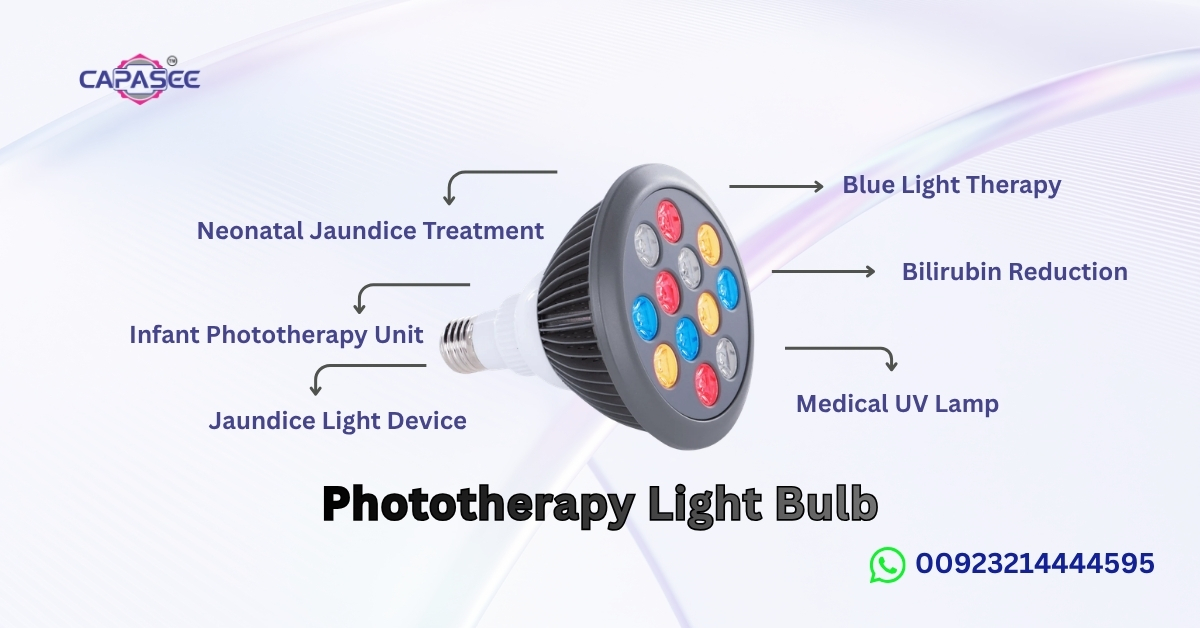
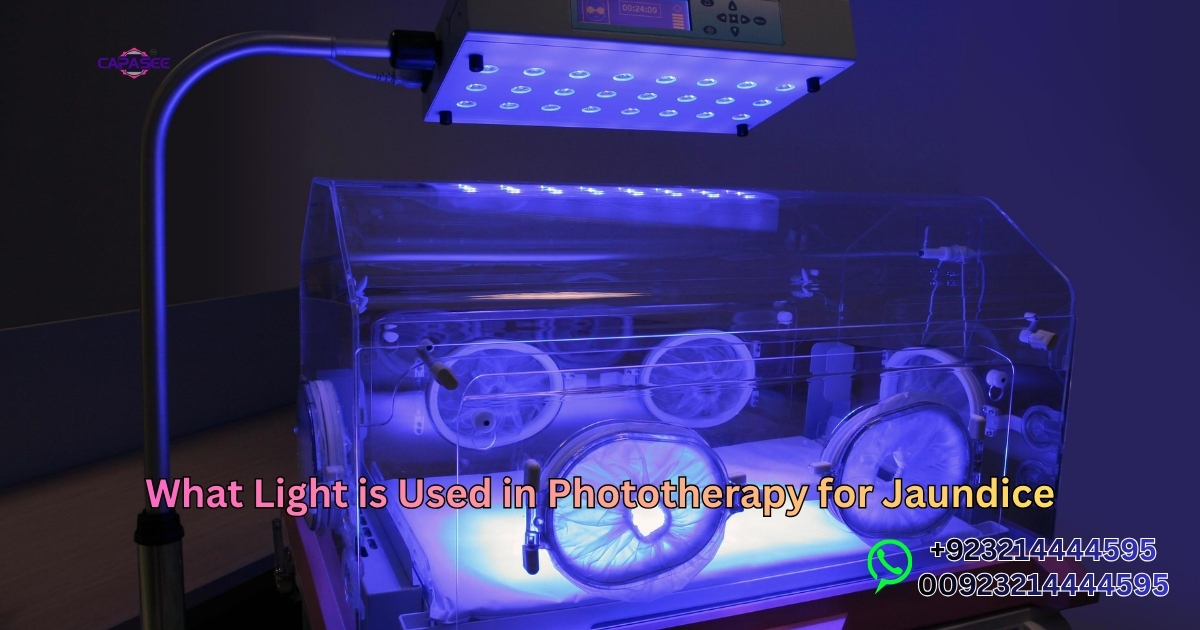
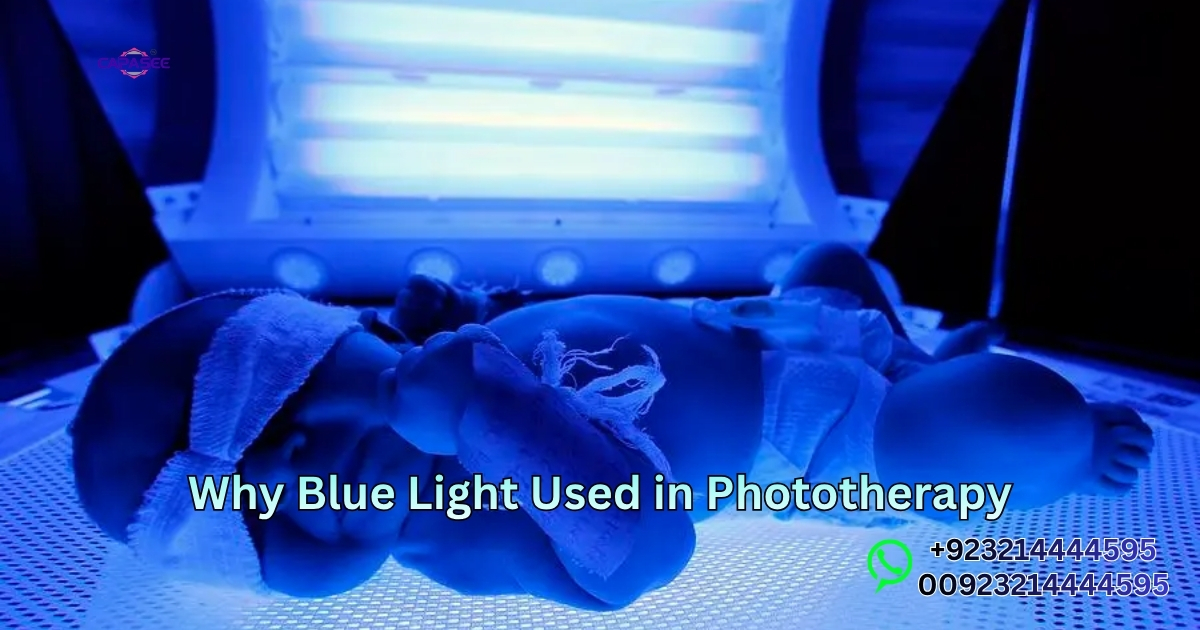
The phototherapy light range is the broad wavelengths of light that are utilized in the treatment of neonatal jaundice. The most effective range is 460-490 nm in disaggregating unconjugated bilirubin in the infants. It operates by releasing a blue green LED light, which helps to lower the amount of bilirubin with wavelength absorption peaks. These UV rays enter the skin and help in the removal of bilirubin effectively.
It has been demonstrated that the peak wavelength of 475 nm peak emission at 478 nm provides the most effective outcomes in terms of treatment of neonatal jaundice. In order to have the best therapy, LEDs that consume less energy may be used, as opposed to the outdated light sources such as fluorescent tube lights or halogen lamp phototherapy. This makes it more effective and minimizes the use of energy.
What is Phototherapy Light Range?
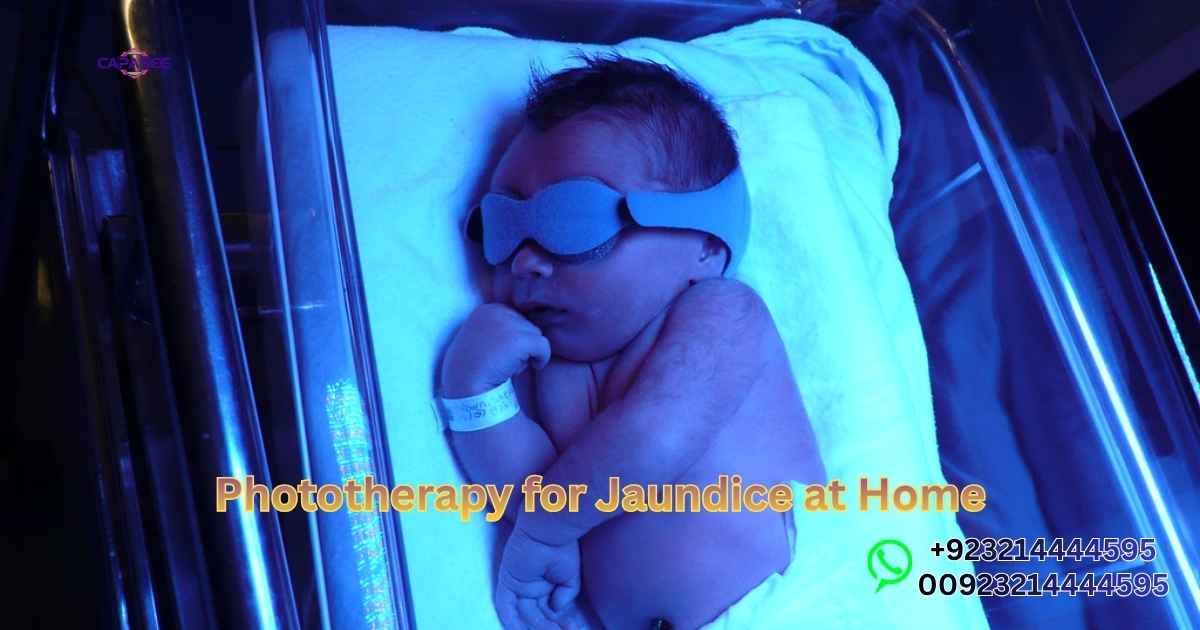
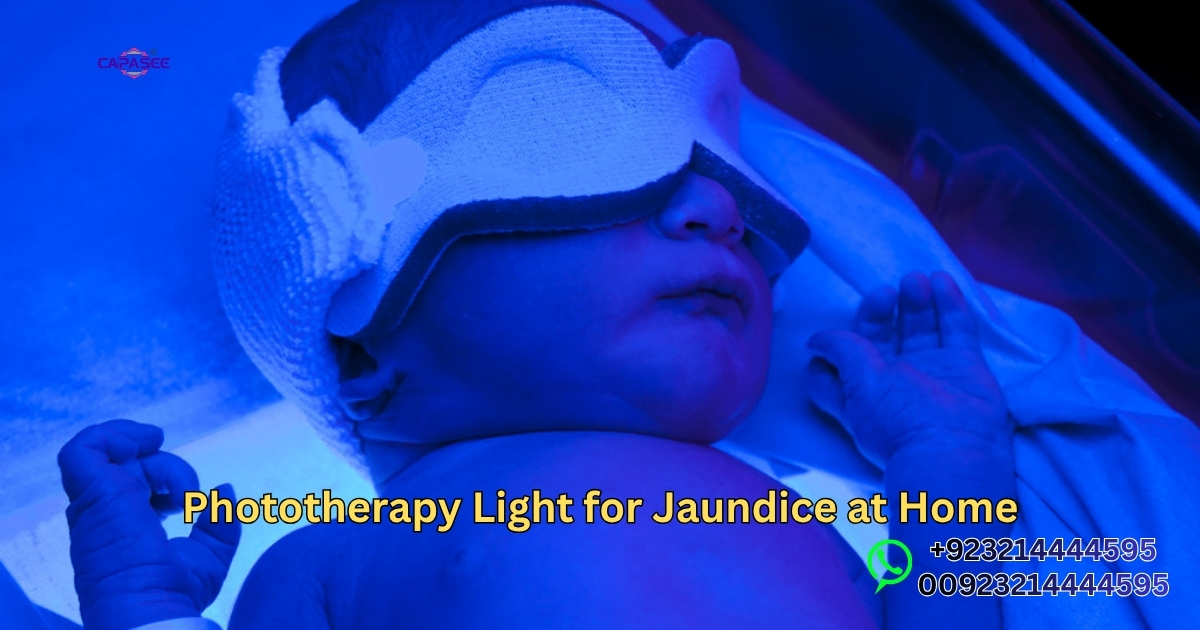
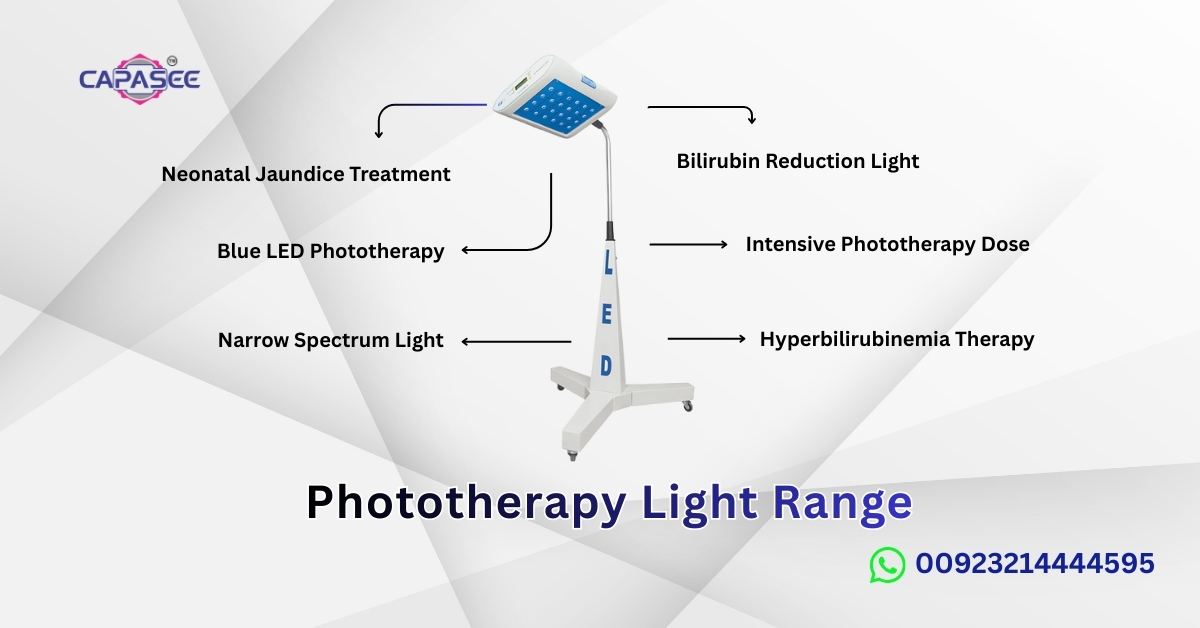
Phototherapy light range entails the use of certain light wavelengths to address health disorders such as hyperbilirubinemia among newborn babies. The approach assists in lowering the concentration of unconjugated bilirubin that causes jaundice. It uses narrow spectrum light to guarantee the greatest amount of wavelength penetration to speed up treatment. The reason why blue LED phototherapy is commonly applied is that it is very effective and safe when applied to infants.
Whether neonatal jaundice can be treated is determined by the proper intensity and amount of time of light exposure. The amount of light that should be absorbed by the skin is determined by the amount of intensive phototherapy dose, and proper bilirubin reduction is achieved. The correct exposure time and intensity of light should also be maintained to prevent the occurrence of photodynamic skin damage in the infant.
You May Also Read This Blog: Jaundice Phototherapy Light
Importance of Light Wavelength in Phototherapy
The wavelength absorption peak is important in the performance of the treatment in neonatal jaundice treatment, particularly within the effective phototherapy light range. Spectra of 460-490 nm are better absorbed by the baby’s skin. This leads to a greater decrement of bilirubin levels. Research has revealed that the optimal light spectrum within the phototherapy light range will enhance the effectiveness of the treatment and decrease the chances of complications.
Whether to use blue LED light or narrow spectrum light in phototherapy is determined so that more bilirubin will be eradicated within the recommended phototherapy light range. The wavelength of light that offers an accurate treatment effect is 475 nm, and it does not harm the infant with its sensitive skin. That is why the choice of the right wavelength within the phototherapy light range is the key to the success of phototherapy treatments.
Key Factors in Neonatal Phototherapy
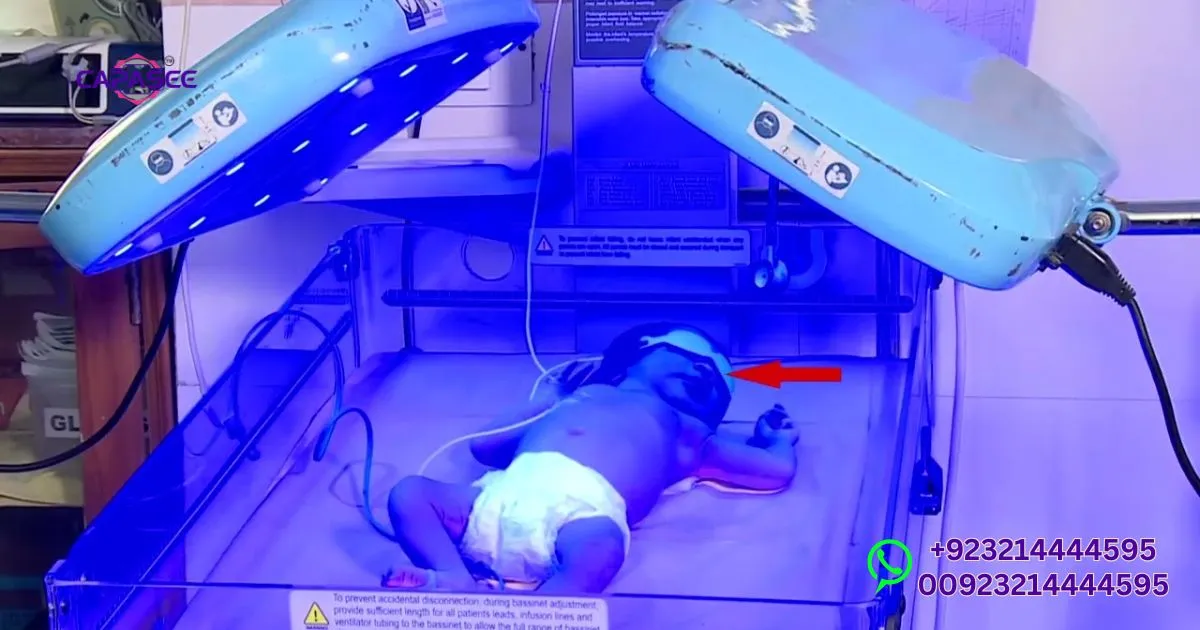
Neonatal phototherapy is a popular form of treating hyperbilirubinemia. Its effectiveness is influenced by important factors such as light intensity, exposure period, and the nature of the light source within the optimal phototherapy light range. Administration of a high dose of phototherapy will give adequate light to the baby’s skin and maximize the bilirubin clearance.
In addition to intensity, it also depends on the type of source of light, like the energy efficient LEDs or the fluorescent tube lights operating within the phototherapy light range. LEDs are also advised to be energy saving since they produce light in the best wavelength spectrum for neonatal treatment. Also, it is necessary to pay attention to the levels of skin absorption of the infant to guarantee safe and effective treatment.
Phototherapy Blue Light Wavelength in Pakistan
Blue LED phototherapy has become common in Pakistan in the treatment of jaundice in infants because it is effective within the recommended phototherapy light range. It is normally used in the 460-490 nm spectrum, which is aimed at the bilirubin. The use of high tech blue green LED lights is now used in hospitals throughout the country to treat the unconjugated bilirubin of infants.
The 475 nm wavelength within the phototherapy light range is safe and effective and minimizes the necessity of more intrusive intervention. According to the AAP 2026 guidelines, the optimal dosage of phototherapy and the phototherapy light range must be adhered to to ascertain the safety of the infants.
Infant Jaundice Light Therapy Range Explained
To use infant jaundice light therapy, the wavelengths of light used should be adapted to the maximum effect within the phototherapy light range. The most desirable light range of the bilirubin reduction light is light within the 460-490 nm range. This phototherapy light range is very effective in deconjugating bilirubin, which brings about jaundice.
Various systems of treatment, such as blue LED phototherapy or fluorescent tube lights, come in various levels within the phototherapy light range; however, the energy saving LEDs are chosen because of their stable output and energy saving properties. The appropriate dose of intensive phototherapy is essential in the realization of rapid and successful therapy without damaging the skin of a newborn.
| Type of Light | Wavelength Range | Intensity (µW/cm²/nm) |
| Blue LED Light | 460-490 nm | 30 µW/cm²/nm |
| Fluorescent Tube Lights | 460-470 nm | 40 µW/cm²/nm |
| Halogen Lamp Phototherapy | 480 nm | 35 µW/cm²/nm |
| Energy efficient LEDs | 475 nm | 30 µW/cm²/nm |
The light used to treat neonatal jaundice by phototherapy is maximized by adopting the right phototherapy light range, which is safe and effective in the treatment of neonatal jaundice.
Choosing the Right Phototherapy Equipment
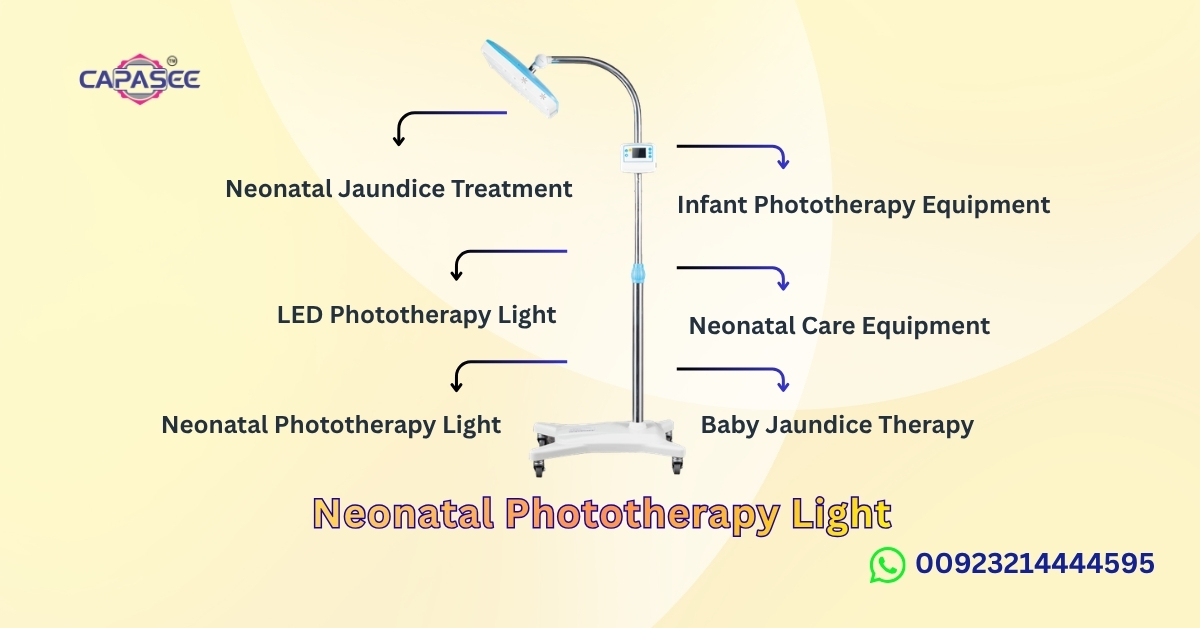
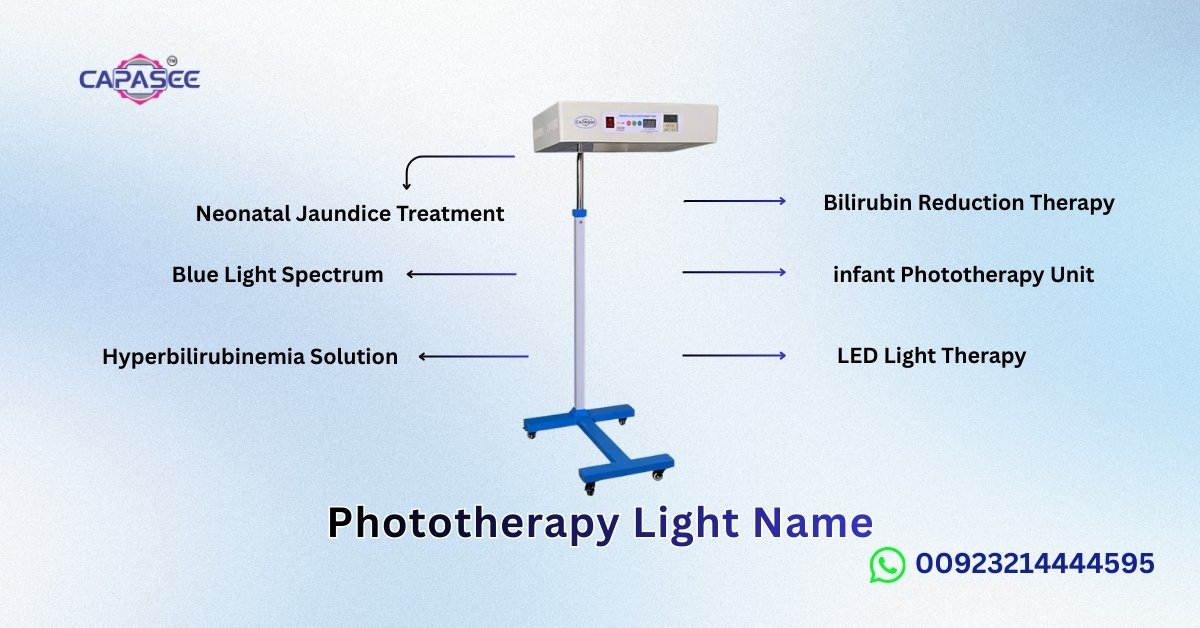
In choosing the appropriate phototherapy equipment, it is important to pay attention to the phototherapy light range. The 460-490 nm phototherapy light range is very effective in bilirubin reduction in the neonates. Adequate light exposure is guaranteed by proper equipment to reduce the levels of unconjugated bilirubin. The use of energy efficient LEDs also assists in reducing the use of energy, and effective treatment is ensured.
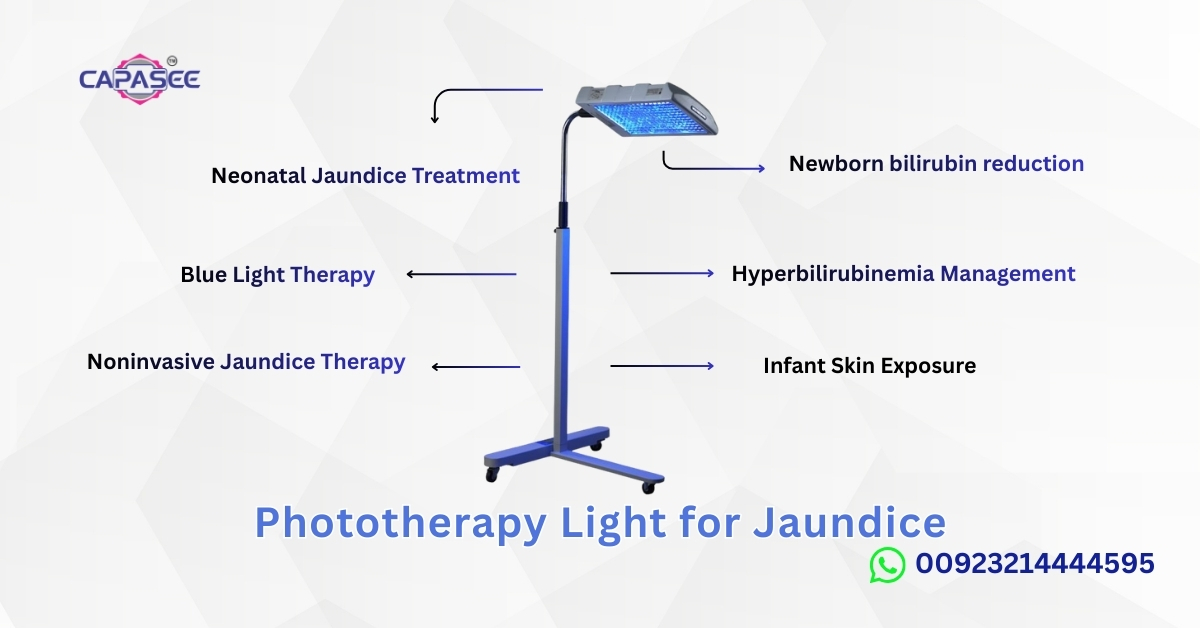
In Pakistan, the cost of the neonatal phototherapy units will depend on the source of the light and its performance within the phototherapy light range. The reason why blue LED phototherapy units are more prevalent is that they do not consume a lot of energy and are also effective in the treatment of hyperbilirubinemia. The selection of the appropriate unit in the budget would guarantee the optimal care for the newborns.
Neonatal Phototherapy Unit Price in Pakistan
Phototherapy machines in Pakistan differ in price, depending on the features and technology. Simple units that have fluorescent tube lights cost approximately PKR 50,000 to PKR 76,000, which can be used in smaller clinics and in cases of basic neonatal jaundice treatment requirements. These units usually have an adjustable stand and timers that will assist in providing consistent phototherapy light range to hyperbilirubinemia treatment.
In Pakistan, more advanced units with blue LED phototherapy and low energy consuming LEDs can be priced as high as PKR 165,000, and have a superior wavelength absorption peak at 475 nm wavelength and reduced thermal control during newborn care. These systems provide therapeutic bilirubin reduction light and adhere to current AAP 2026 guidelines to minimize photodynamic harm and enhance treatment efficacy spectrum.
Check More & Purchase: Our Products
LED Phototherapy Irradiance Levels to Consider
When selecting phototherapy equipment, it is necessary to consider the irradiance of the LED phototherapy. An irradiance of 30 µW/cm²/nm is the most ideal when treating hyperbilirubinemia. It makes sure the peak of wavelength absorption is within the wavelength range of 475 nm, which happens to be the most effective in breaking down the unconjugated bilirubin. A choice of equipment of this irradiance level will enhance the treatment efficacy spectrum and avoid the needless photodynamic damage of neonatal skin.
To achieve improved performance, blue green light LED with AAP 2026 irradiance levels should be taken into account. These requirements are needed to guarantee that the level of light and the time of exposure are adequate to reduce the level of bilirubin without causing harm.
Technical Specifications of Phototherapy Machines
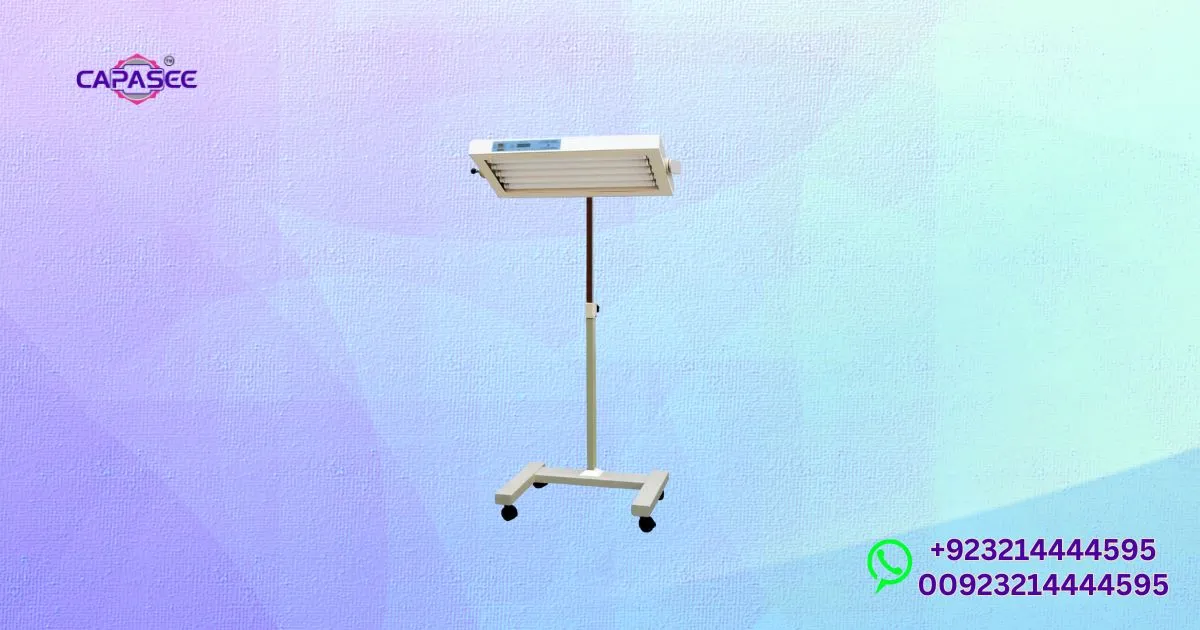
Technical specifications of phototherapy machines play a crucial role in the effectiveness of phototherapy in bilirubin reduction. The phototherapy light range must be 460-490 nm in order to get maximum benefit. Energy efficient LEDs fitted on machines are to be preferred due to the fact that they produce the required irradiance, although at less energy. The optimal wavelength at which neonatal jaundice works is at 475 nm.
Adjustable irradiance and the capability to sustain a constant level of light intensity over long durations are also other key specifications. The older but possibly not as effective and energy efficient as the newer LED phototherapy lights, the halogen lamp phototherapy units can be used as well, but not as effectively as the LED lights in the case of hyperbilirubinemia treatment.
Bilirubin Phototherapy Machine Specs
The specifications to consider when buying a bilirubin phototherapy machine include the wavelength, intensity, and the light used. The 475 nm and 30 µW/cm²/nm irradiance are the most desirable to have an effective bilirubin reduction. The AAP 2026 should also be met to allow safe and effective treatment using machines. The advanced machines should minimize photodynamic damage and maximize the uptake of light by the neonatal skin.
A low resolution light machine is capable of targeting specific wavelength absorption peaks, which enhances the success rate of the treatment. This is the reason why the use of energy efficient LEDs is gaining popularity, because they provide better quality of light at a cheaper cost of operation.
How to Optimize Phototherapy for Better Results
The light range of phototherapy is maximized when the light is exposed at a uniform level. It is critical to monitor the intensive dose of the phototherapy and make changes depending on the neonatal jaundice treatment guidelines. The wavelength of 475 nm is the best wavelength to use because it is optimal in reducing bilirubin.
Moreover, the irradiance levels should be kept as well as the right wavelength range to maximize the wavelength absorption of the infant’s skin. The correct positioning of the infant and regular observation will guarantee the treatment of hyperbilirubinemia to be competent and safe, so that the occurrence of complications can be reduced.
FAQ’s
What is the UV range for phototherapy?
Phototherapy UV range is usually 300-400 nm, with blue light presenting the best color in bilirubin reduction in the newborns.
Is 7 a high bilirubin level for newborns?
A bilirubin of 7 mg /dL might be regarded as high in a newborn, which is dependent on their age and state of health, necessitating potential medication such as phototherapy.
How far should phototherapy light be from newborn?
The lights of phototherapy have to be placed at a distance of approximately 45 cm and 50 cm from the infant to facilitate the bilirubin reduction while minimizing the heat damage to the skin.
What are the lights for phototherapy?
The primary phototherapy lights include blue LED light, fluorescent tube lights, and energy efficient LEDs, which are useful in decreasing the bilirubin concentration in the newborns.
Which color light is most effective for phototherapy?
The optimal phototherapy wavelength is blue light between 460-490 nm because this wavelength is closest to the wavelength absorption peak of maximum bilirubin.
Conclusion
It is important to know the Phototherapy light range used in phototherapy to apply it effectively in the treatment of neonatal jaundice. Optimal bilirubin reduction is achieved, and photodynamic damage is lower when the light wavelength is at the right wavelength, particularly the 460-490 nm wavelength. The most effective ones are blue LED light and energy efficient LEDs, which give safe and efficient treatment. The selection of the Phototherapy light range and equipment is an important factor in the effectiveness of the treatment of hyperbilirubinemia. The light intensity, distance, and time of treatment should always be under proper control in order to achieve optimal results when taking care of the newborns.