
Blog
Can Phototherapy Darken Baby Skin Permanently

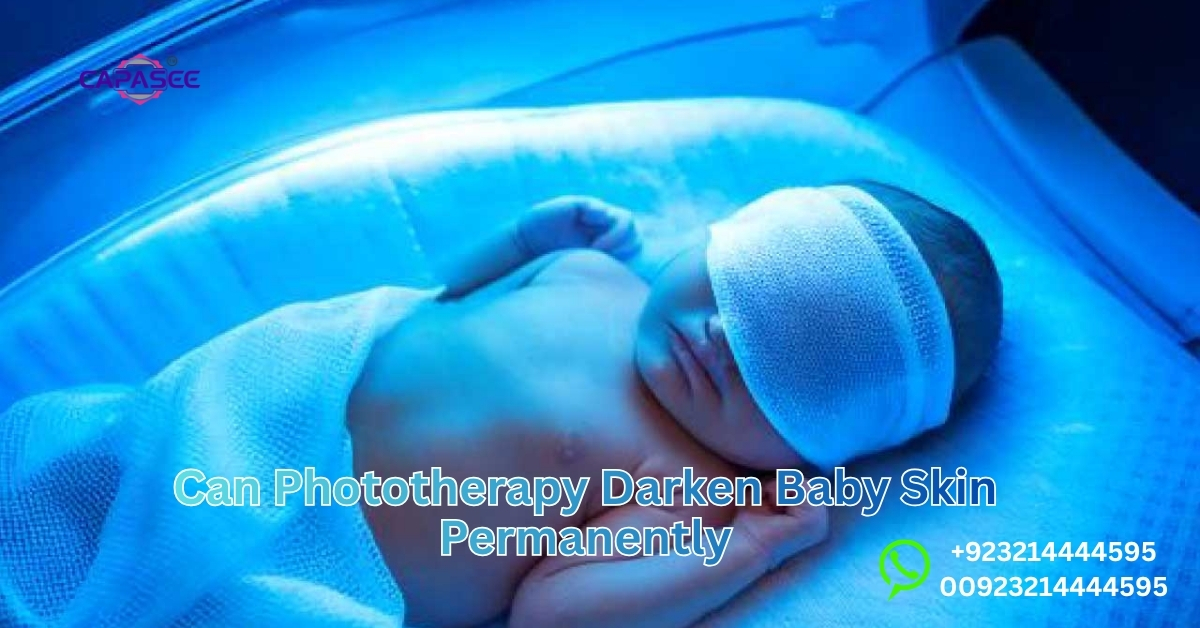
It is frightening to find that the skin of your baby turns darker after phototherapy. This change, related to phototherapy darken baby skin, attracts the attention of many parents in Pakistan and causes them to start worrying, is it here to stay? You may have even done a search throughout the whole internet, you may have asked your friends or even lost sleep, wondering whether the skin of your little one will ever turn back to normal. The feeling of being disoriented and nervous after such an obvious event happens when a medical treatment that is supposed to cure is being done is natural.
You will find straight, plain answers in this blog on whether phototherapy has the potential to permanently darken the skin of a baby. We will discuss the reasons for this change, its duration, and what doctors say about this change. You will also get to know some easy tips to take care of the skin of your baby during and after treatment. Towards the end, you will know what is normal and what to do in case you are still worried.
Understanding Can Phototherapy Darken Baby Skin Permanently?
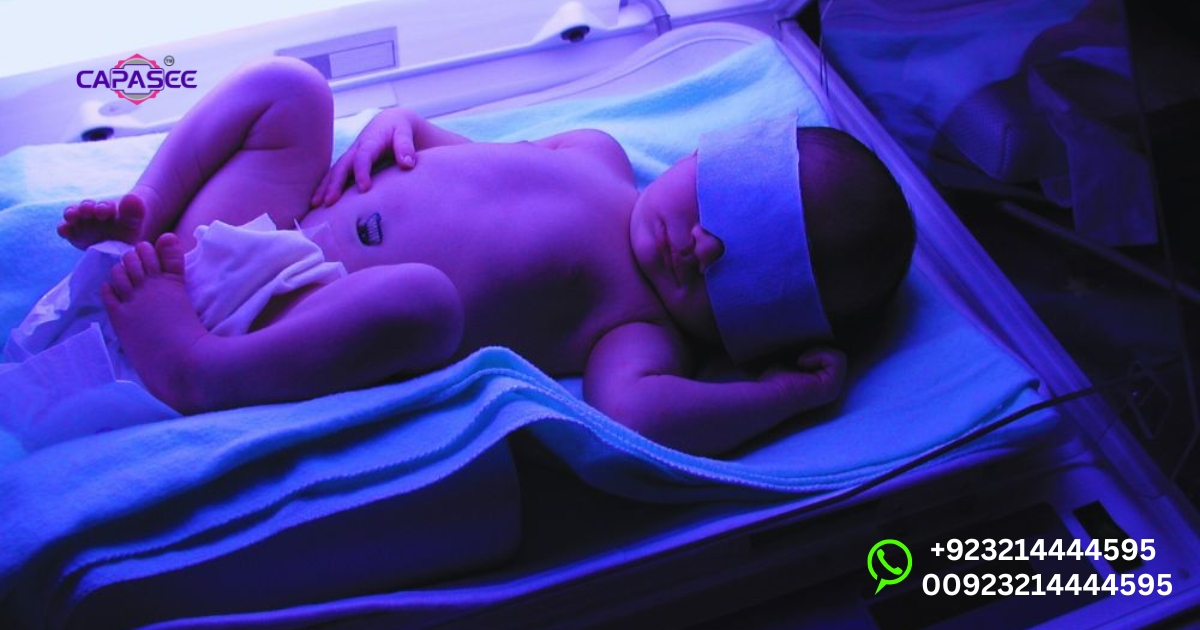
Parents in Pakistan are usually concerned with the effects of phototherapy darken baby skin. In phototherapy of jaundice, the skin of a baby may turn dark in some cases, as a result of exposure to light. This occurs because the body dissolves excess bilirubin, and this is the reason why the skin color is temporary. The majority of cases improve on their own since, over a period of time, the level of bilirubin and phototherapy decreases.
The darkening of the skin of some newborns after phototherapy could take a few weeks before it disappears all over. This is because the newborn baby alters in responds to the phototherapy lamps when the baby is exposed to the high or long lights. This dark color is not usually permanent and tends to fade away after phototherapy, as well as appropriate neonatal skin care and normal hydration.
Skin Pigmentation Changes in Newborns
During treatment of neonatal jaundice, the skin pigmentation changes are normal. Depending on the natural concentration of melanin in the body and the light, the skin can also be bronze, yellow or darker. It is an immune reaction of the skin, and one of the ways that babies safely process hyperbilirubinemia in the newborns.
The most common question that many parents pose is, Does phototherapy make skin permanently dark? Physicians cite that pigmentation normally balances as the body of the baby recovers. With the reappearance of normal levels of bilirubin, the normal skin color is restored in a couple of weeks without any medical care.
You May Also Read This Blog: What is The Success Rate of Phototherapy
Exploring Phototherapy Side Effects on Baby Skin: From Bronze Baby Syndrome to Temporary Darkening
One of the most frequently experienced phototherapy darken baby skin side effects is Bronze Baby Syndrome. This is a temporary one, which makes the skin darker or bronzed in case of treating neonatal jaundice. It is prevalent among infants whose liver is immature or whose direct bilirubin is high.
Such a state appears worrying, but it is not harmful. Researchers affirm that the darkening of the skin that occurs following phototherapy disappears after the treatment. Parents can wash and apply moisturizers to the skin and observe the skin after the phototherapy in order to help the baby recover and prevent skin drying.
Does Phototherapy Cause Permanent Skin Color Change or Just Temporary Pigmentation?
Physicians concur that the complications of phototherapy in infants rarely involve any irreversible color changes. The temporary pigmentation occurs as a result of the reaction of light with bilirubin on the skin. Bilirubin fades and the natural skin color of the baby restores in a few days or weeks.
When baby skin is darkened in phototherapy, it is not here to stay. The side effects of phototherapy and the routine care can be relied on to restore the natural softness and naturalness in the baby shortly after treatment, thus parents can rest assured.
Phototherapy and Baby Skin: Key Side Effects, Pigmentation Changes, and Recovery Tips
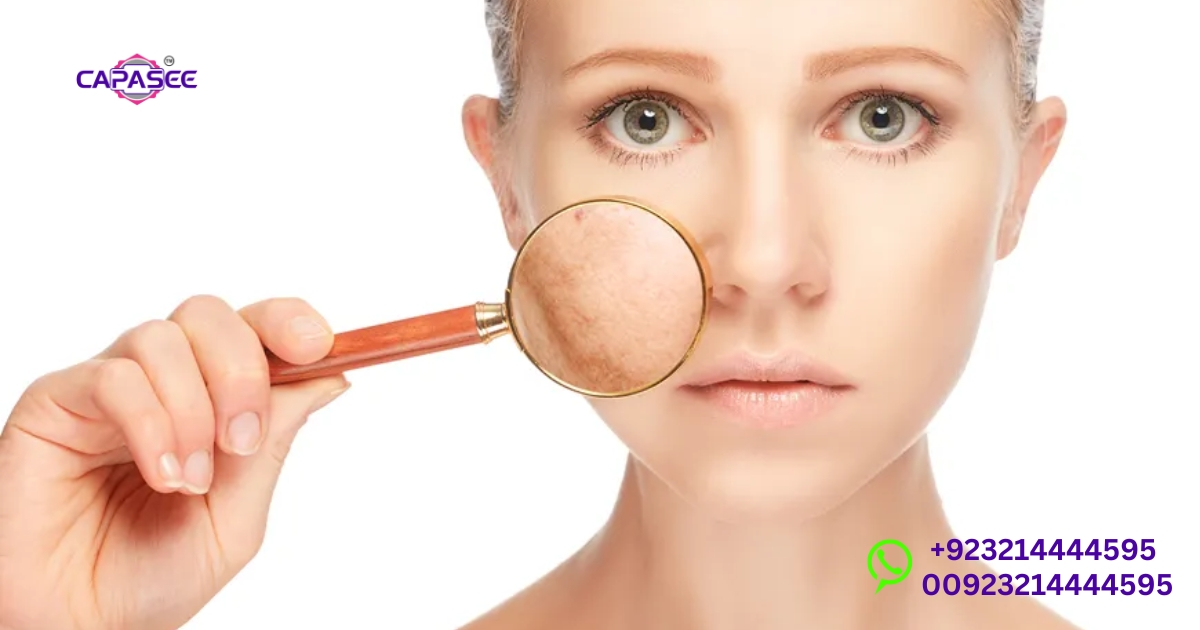
Darkening of the skin of babies post birth may be an issue of concern to many Pakistani parents when it comes to the treatment of neonatal jaundice. Phototherapy in newborns with the help of the bright light is applied to reduce bilirubin levels; however, it occasionally results in skin pigmentation and slight darkening. These side effects of phototherapy do not last long, and the baby gets rid of the surplus bilirubin and the skin renews itself automatically. According to doctors, it is a harmless process and it is a reaction of the body to exposure to light.
Phototherapy may cause some infants to have dark skin or newborn skin to become mildly discolored, known as Bronze Baby Syndrome, which occurs as a result of the high bilirubin levels. Such a shift in the tone can seem powerful, but it is not dangerous. The natural color of the baby comes back in a couple of weeks after administering correct neonatal skin care, after the phototherapy and hydration. According to medical professionals, phototherapy complications among babies are meager in cases where the sessions are brief and supervised.
How Phototherapy Influences Melanin Production and Skin Rashes in Babies
Phototherapy lamps used in infants have the potential to cause slight melanin activity. This may cause light darkening or rashes on sensitive skin. Other babies can exhibit bright spots or dryness, which disappear as soon as the therapy is discontinued.
To calm the skin, the parents can use mild moisturizers that are recommended by pediatricians. The risks associated with phototherapy light therapy would be excessive heat or irritation caused by phototherapy used to treat jaundice, which can be controlled through proper hydration and room temperature.
Essential Care Tips for Baby Skin After Phototherapy to Support Natural Skin Tone Recovery
Neonatal skin care after phototherapy is important after treatment. Mild baths, fluffy towels and frequent wetting aid in the restoration of natural softness and color. Extra pigmentation and dryness are also avoided as a result of avoiding direct sunlight.
Physicians advise monitoring any symptoms of recurring jaundice. Frequent checkups guarantee the maintenance of a healthy level of bilirubin and eliminate the threat of excessive exposure to phototherapy among newborns. This treatment aids in quicker healing of babies and maintains their skin in good condition.
Check More & Purchase: Our Products
Reversing Skin Darkening and Managing Phototherapy Jaundice Skin Reaction in Newborns
In uncommon situations, a few infants do have prolonged phototherapy induced discoloration of the skin. It is possible to control it by ensuring that the baby remains hydrated and using safe treatment of the neonatal jaundice that has been recommended by the doctors. The skin slowly shifts back to its normal color.
The process of recovery can be understood with the help of a mere comparison:
| Condition | Cause | Duration | Reversible |
| Bronze Baby Syndrome | High bilirubin | 1–2 weeks | Yes |
| Phototherapy Rash | Light exposure | Few days | Yes |
| Temporary Pigmentation | Melanin activity | 2–4 weeks | Yes |
This shows that even when phototherapy darken baby skin, it is temporary. Continuous monitoring and proper care ensure complete healing without permanent pigmentation issues.
FAQ’s
What are the disadvantages of phototherapy for babies?
Phototherapy can lead to temporary Bronze Baby Syndrome, or skin darkening, as well as mild rashes and dehydration, although these side effects are short lived after the treatment.
Does phototherapy cause skin aging?
No, phototherapy does not lead to skin aging. It only influences the level of bilirubin, and it does not harm or wear out the baby’s skin cells.
Can a dark skin baby become fair?
No, the color of a baby is a result of genetic factors. It can be lightened a little by age, but it remains in its natural color.
At what age do babies get their permanent skin color?
At 6 months to 1 year, babies typically acquire the permanent color of the skin when the melanin concentration in the skin becomes stable.
How can I lighten my baby’s dark skin?
Keep the skin of the baby hygienic, hydrated and not exposed to direct sunlight. The natural tone comes back with the correct neonatal skin care.
Final Thoughts
The question that many parents are concerned with is, Can Phototherapy Darken Baby Skin Permanently? The positive thing is that this transformation is nearly transient. The process of skin darkening in phototherapy occurs because of light exposure and high bilirubin during the treatment of neonatal jaundice and not because of long term damage. Nature restores its natural colouring, with time, and some gentle care and hydration. Phototherapy side effects disappear as the skin replenishes itself, according to the confirmation of pediatricians. In Pakistan, therefore, parents can rest assured that this is a safe, effective and only temporary pigmentation altering treatment.