Blog
What is The Success Rate of Phototherapy


You are likely to have asked yourself, Will this actually work? Perhaps your baby has just been diagnosed with jaundice, or you have a stiff neck ailment like psoriasis. Not knowing whether the treatment you are going to trust will help or not is a scary thing. You do not want medical jargon but answers. It is just straightforward, truthful information about the success rate of phototherapy and its effectiveness.
This blog makes it all simple for you. You will also know what phototherapy is, the mechanism of action, and above all, what the success rate of phototherapy would appear like with various conditions. It doesn’t matter whether you are a concerned parent in Pakistan or you are seeking alternatives to some skin treatment; this post provides information, not propaganda. Check on it, and the correct information can save a lot.
Success Rate of Phototherapy: Clinical Success and Patient Response
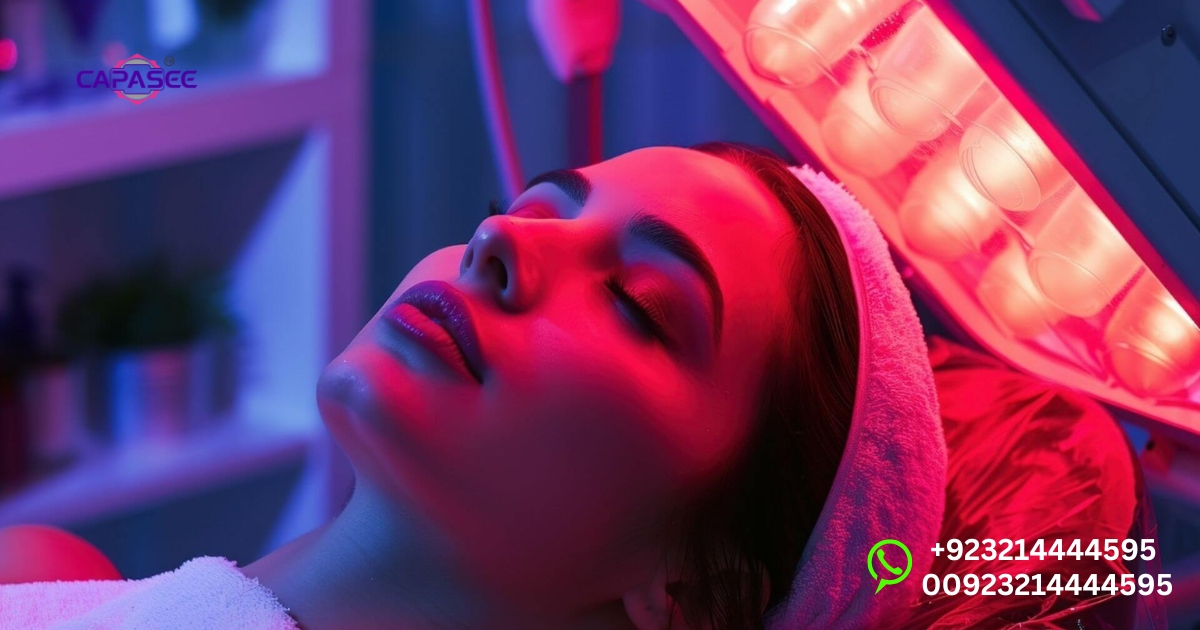
Phototherapy has recorded good results in terms of success in Pakistan and around the world when applied in a proper manner. Literature has shown that phototherapy is very effective in the control of bilirubin and outcome enhancement. The success rate of phototherapy response is higher than 90% in neonatal environments when given at an early age and in the right circumstances. To parents and caregivers in Pakistan, the data translates into a sure way of recovery and peace of mind through this treatment.
Phototherapy Effectiveness and Therapy Efficiency: Key Insights into Treatment Phases
The clinical evidence has shown that the treatment of phototherapy is highly reliant on the timing and intensity of the treatment. The success rate of phototherapy treatments is associated with the rate of bilirubin decrease and exposure of body surfaces in term and preterm newborns. A meta analysis established that there was a better bilirubin decline rate with the use of double phototherapy than single mode.
You May Also Read This Blog: Can Jaundice Come Back After Phototherapy
Intensive Phototherapy Results and Success Statistics for Hyperbilirubinemia
Even higher in the case of intensive treatment in the case of babies with severe jaundice, the success rate of phototherapy increases. An examination of newborns having hyperbilirubinemia indicated that intensive phototherapy reduction required exchange transfusion by approximately 78. This demonstrates that the phototherapy bilirubin clearance can prove highly efficient when applied in an aggressive and timely manner.
Phototherapy Treatment Outcomes and Recovery Rates: From Neonatal Care to Long Term Healing
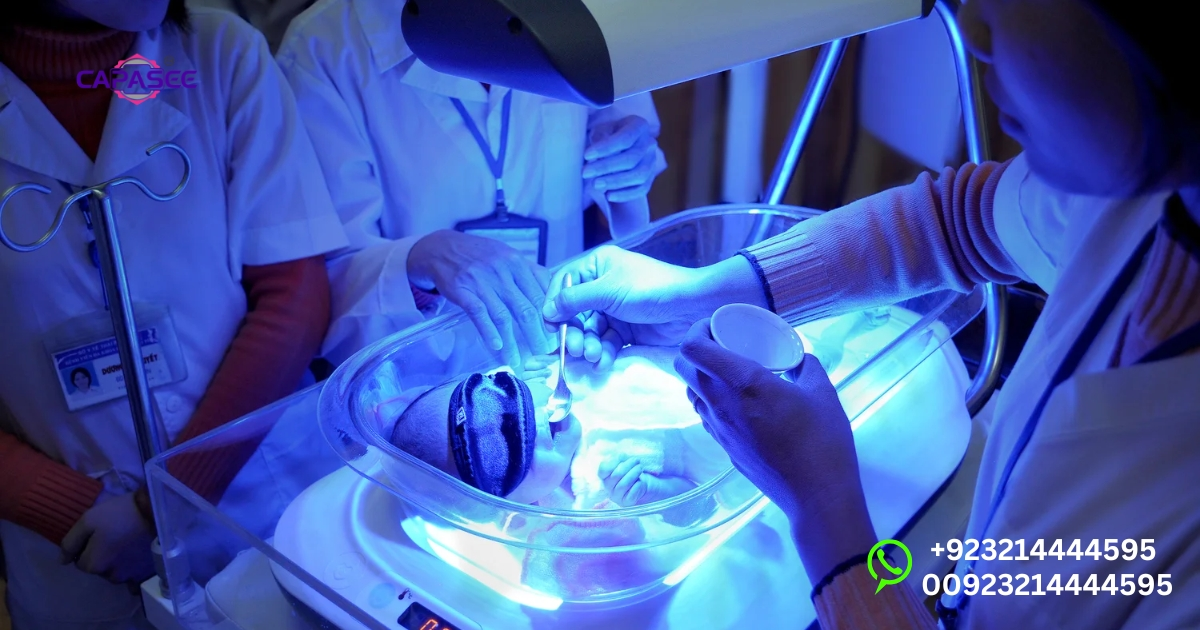
In the units of neonatal care, the effectiveness of phototherapy would be in the recovery and the reduction of long term complications. In a large trial, there was no significant difference in developmental outcome at six years of treated newborns versus controls, which gave credence to the fact that phototherapy has robust phototherapy treatment outcomes and long term safety. To the family of Pakistan, this translates to reliable care when under the care of skilled clinicians for therapy. This further supports the high success rate of phototherapy in neonatal treatment plans.
Phototherapy Treatment Duration and Its Impact on Healing Rate
The duration of treatment influences the speed at which babies react. One of the studies gave a median recovery time of approximately 4 days, and only 68.8% recovered within that period. In case factors such as feeding status, gestational age and bilirubin level are optimised, the effectiveness of the phototherapy duration is better. These are the factors that are important in the context of Pakistan, with the aim of developing a high success rate of phototherapy and clinical impact.
Check More & Purchase: Our Products
Managing Phototherapy Side Effects: Enhancing Clinical Success and Long Term Outcomes
Even with the high success rate of phototherapy treatment, side effects and risks are still to be monitored to achieve optimal results. Studies observed that increased hemoglobin levels decreased the rate of phototherapy reduction of bilirubin level, hence the nurses needed to check the infants to ensure there was no change in their conditions and they needed to increase or reduce therapy. Care enhances the effectiveness of the phototherapy of jaundice and increases confidence in the treatment.
Phototherapy Neonatal Success Rate: A Detailed Look at Early Patient Outcomes
The success rate of phototherapy in newborns when treating neonatal jaundice can be over 90% in well equipped facilities. One example is a home phototherapy study that found a success rate of 96.6%. In the case of the Pakistani hospitals and clinics, providing such outcomes implies such quality of equipment, staff training, and timely intervention to reflect the positive phototherapy outcomes reliably.
FAQ’s
How successful is phototherapy for jaundice?
Phototherapy works very well in the treatment of jaundice, with more than 90% of babies exhibiting rapid bilirubin decrease in the case of early treatment.
How to make phototherapy more effective?
Uncover more skin, continue with regular feeding and proper light intensity to give a faster bilirubin drop and good results.
How long does it take to see results from phototherapy?
The majority of babies improve between 4 and 6 hours and the bilirubin levels gradually decrease daily.
What happens to a baby after phototherapy?
Phototherapy causes the jaundice in the baby to disappear and increases the baby’s energy, which goes back to normal feeding and sleep habits.
How long can a baby stay in phototherapy?
Treatment of the baby might take 1 to 3 days of phototherapy based on the rate at which the bilirubin levels decrease.
Conclusion
This will make the parents and caregivers more confident about the treatment of jaundice and associated ailments since they will know the success rate of phototherapy. Phototherapy is very successful, particularly when used in newborns, with success rates usually exceeding 90 percent. The fact that it is a safe and reliable option in the healthcare settings of Pakistan is due to its capability to lower bilirubin within a short period of time. This treatment is fast to heal and has fewer complications when timely monitored and treated. To any person with a choice to make regarding the treatment of jaundice, phototherapy is a well established medical intervention that is effective and reliable, with years of clinical effectiveness to back it.