Blog
Why Light Therapy For Jaundice

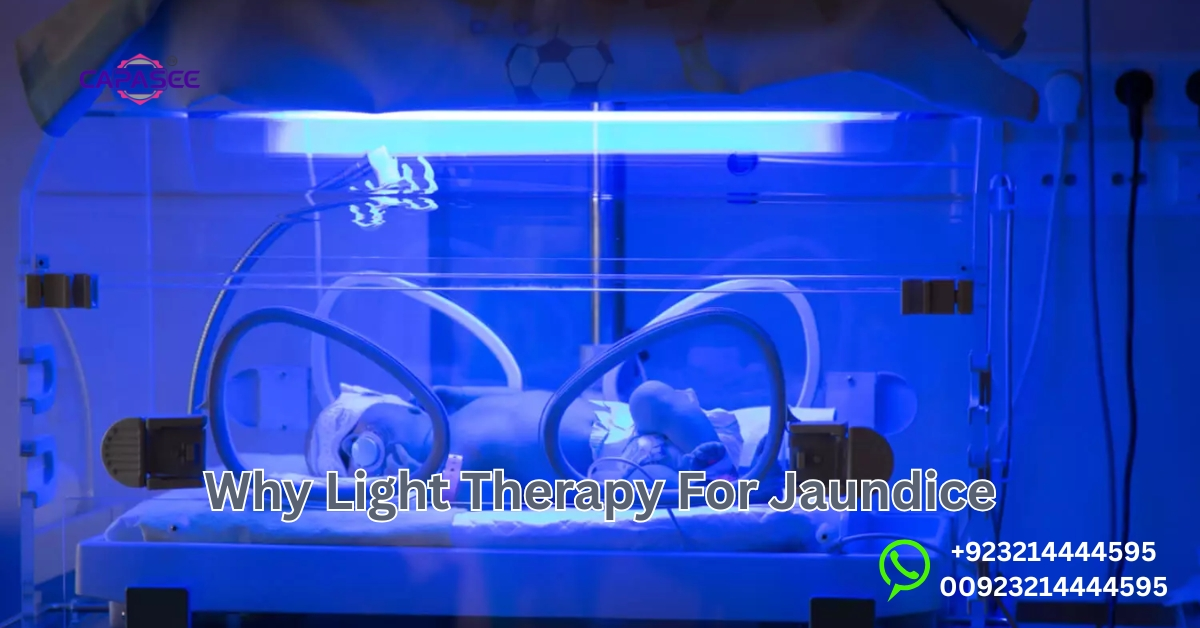
At times, as a parent or a caregiver, you are helplessly watching a newly born baby grapple with jaundice. That yellowish color on the skin can be a source of fear and the frequent visits to the hospital can make you feel exhausted. You only desire a safe and fast way for your baby to get better without the constant worrying. Light therapy for jaundice usually comes to the rescue there.
You can find a plain and straightforward answer in this blog regarding the mechanism of light therapy for jaundice, the rationale behind prescribing this treatment and what to expect during therapy. You will also get to know its advantages, potential side effects and the way it accelerates the healing process. You will be in a position to know by the end whether this treatment is suitable for your child.
Light Therapy for Jaundice: A Breakthrough in Neonatal Care
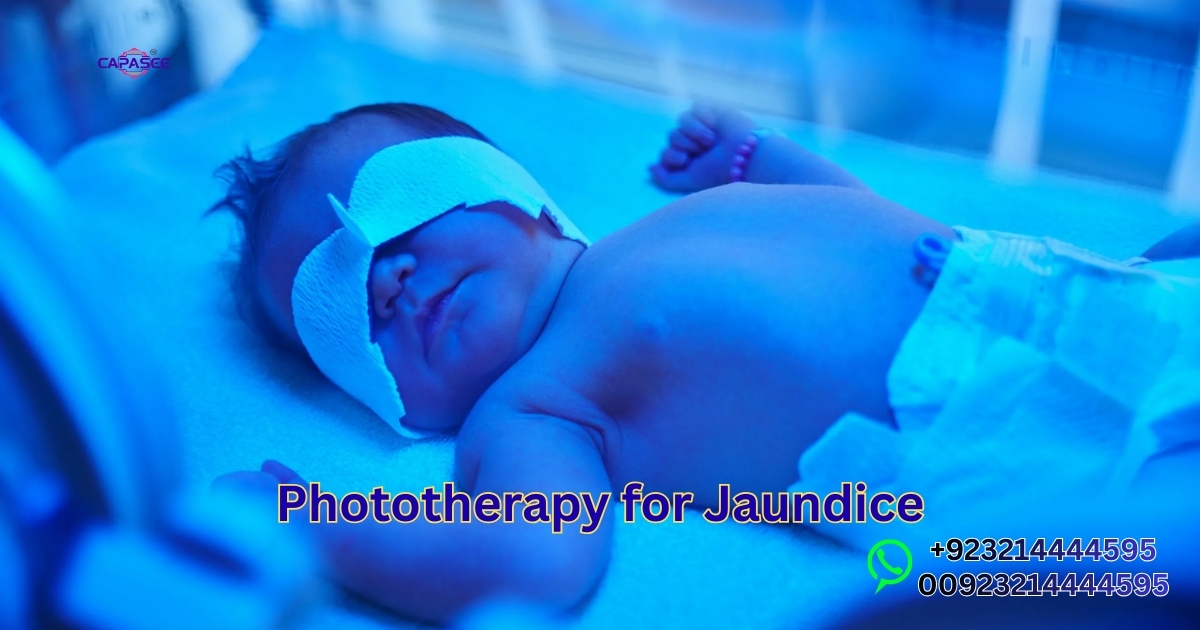
The most reliable form of treatment for jaundice in newborns in Pakistan is light therapy for jaundice. It is utilized by doctors to avoid critical complications such as neonatal hyperbilirubinemia and to decrease the risk of brain damage. It is safe and effective for small babies.
The procedure helps in treating newborn jaundice by reducing bilirubin. It is fast acting and does not have any invasive alternatives to jaundice symptom relief. After appropriate follow up of bilirubin test rates, the families can be reassured that this intervention on neonatal jaundice will safeguard health and subsequent development.
How Does Light Therapy Work for Jaundice?
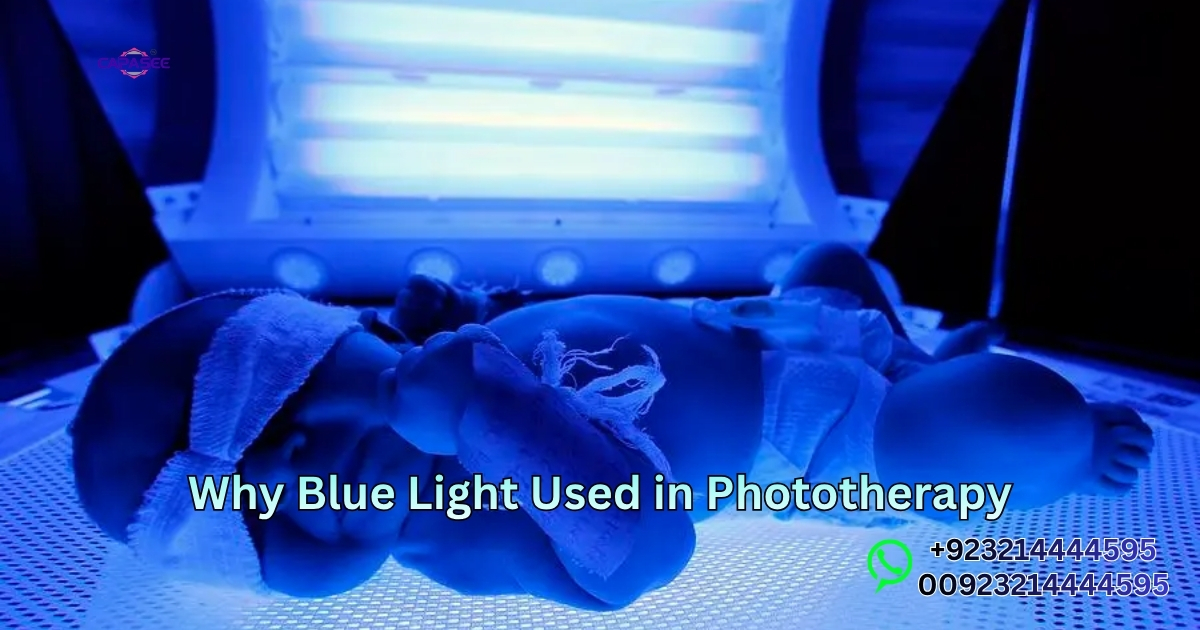
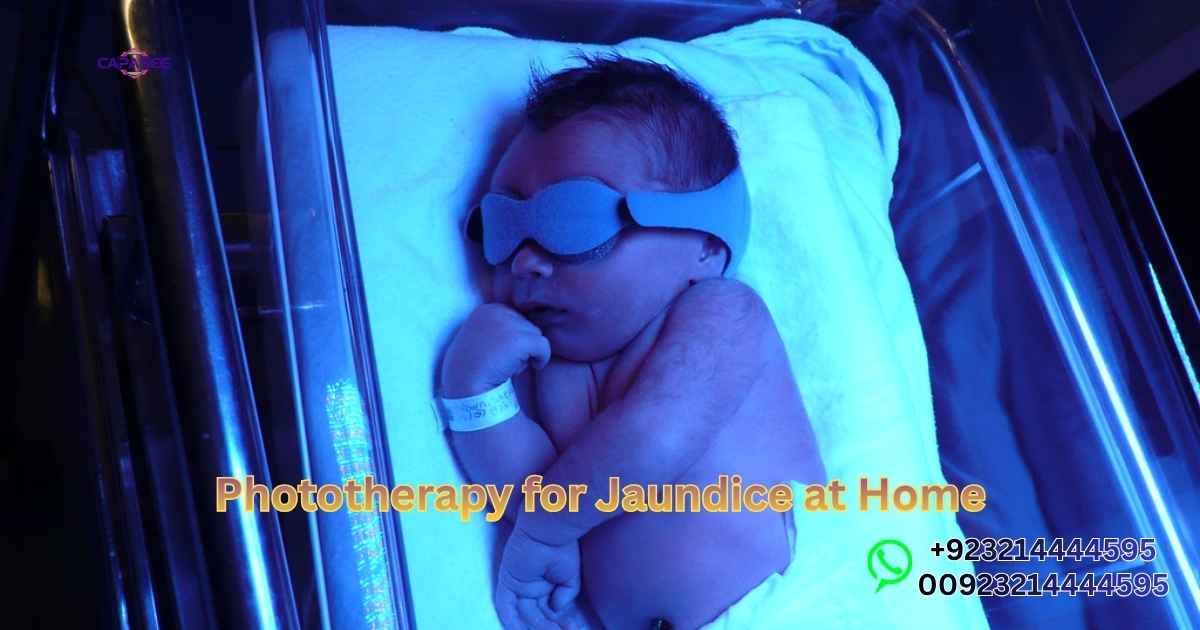
The treatment of jaundice by phototherapy involves the use of visible light therapy for the baby’s skin. This leads to the degradation of bilirubin into water soluble bilirubin. It is readily eliminated by the body through the excretion of bilirubin by the urine, which reduces the risks and provides significant jaundice symptom relief in newborns.
Types of Phototherapy for Jaundice: Choosing the Best Treatment
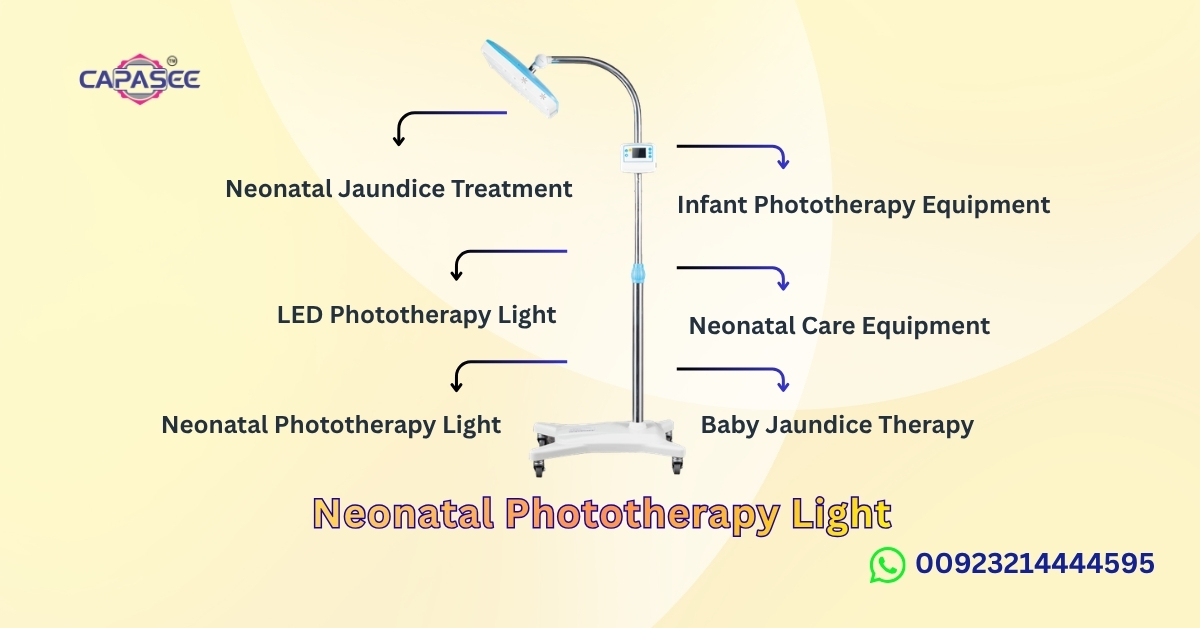
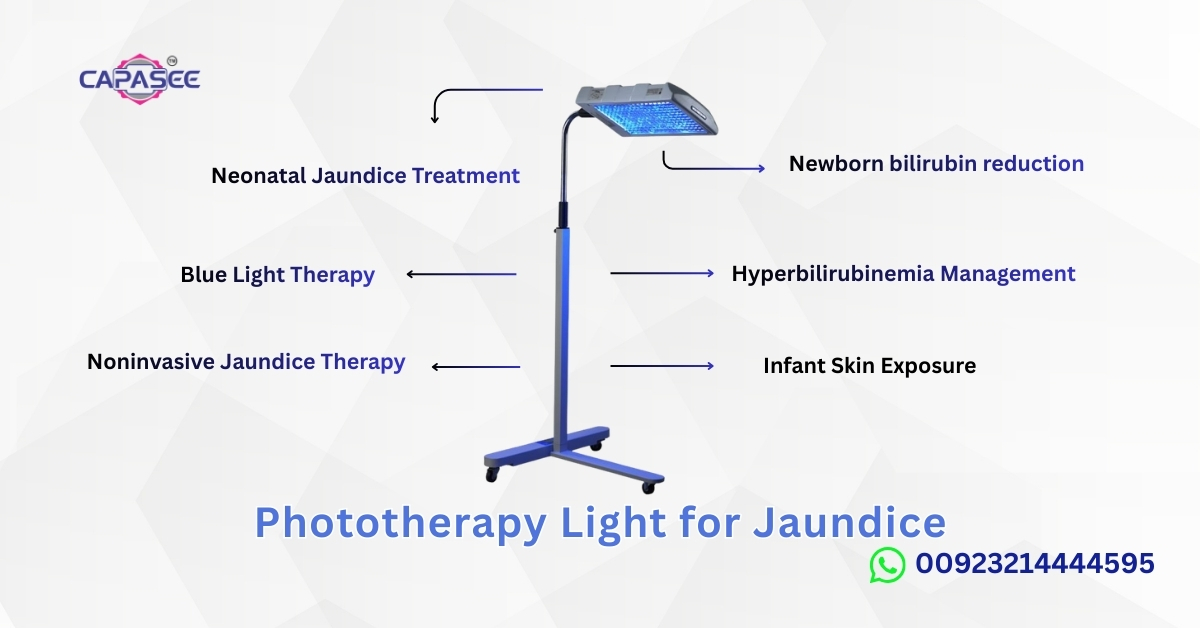
One surface, two surface and fiber optic newborn phototherapy lamps are in use in hospitals in Pakistan. Both procedures are safe in the treatment of neonatal jaundice. The choice that doctors make is determined by the required level of bilirubin reduction to avoid cases of infant dehydration during light therapy for jaundice and to ensure high phototherapy success in the management of newborn skin discoloration.
You May Also Read This Blog: What Are The Lights For Phototherapy
Light Wavelength for Jaundice Treatment: Science Behind the Therapy
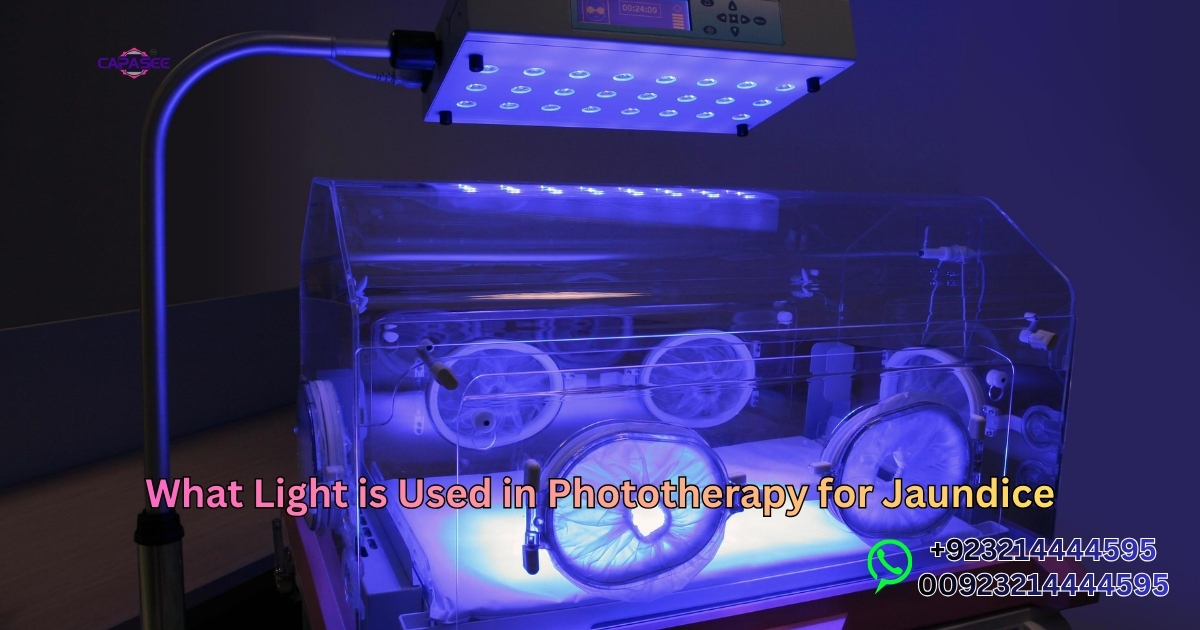
The right wavelength of light therapy for jaundice lies between 460 and 490 nm. The range of this blue light therapy jaundice is what guarantees the highest unit intensity of phototherapy. It enhances bilirubin metabolism, helps in preventing jaundice, and quickly lowers serum bilirubin without causing any side effects associated with drug use.
Table: Light Therapy Insights in Pakistan
| Factor | Details |
| Best Wavelength | 460–490 nm (blue light therapy jaundice) |
| Main Goal | Bilirubin level reduction and prevention of neurotoxicity jaundice |
| Treatment Type | Single surface, double surface, fiber optic phototherapy for jaundice |
| Safety Steps | Jaundice eye protection, monitor for infant dehydration during phototherapy |
| Benefits | Noninvasive, safe, prevents jaundice and brain damage prevention, improves bilirubin metabolism |
Comprehensive Neonatal Jaundice Treatment Using Phototherapy
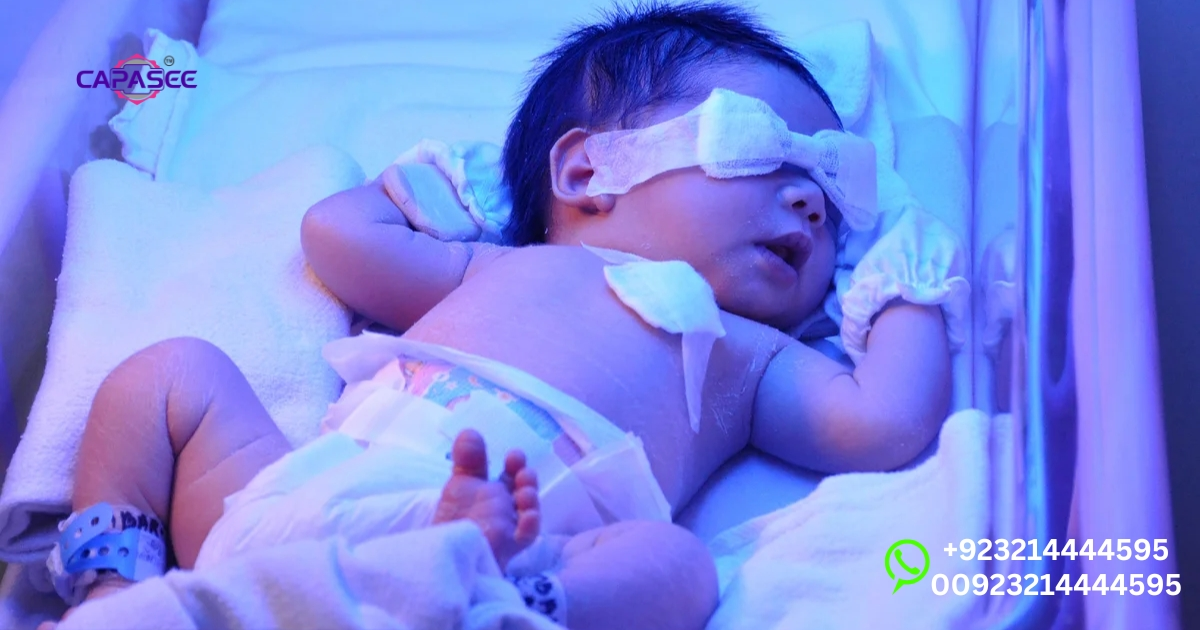
The most credible form of dealing with jaundice in newborns in Pakistan is through light therapy for jaundice. The physicians prescribe it due to its safety, as this approach guarantees a rapid decrease in bilirubin levels and avoids the harmful complications, such as prevention of neonatal hyperbilirubinemia and prevention of brain damage due to jaundice. The process helps to provide good jaundice care for newborns with reduced risks.
The treatment entails visible light therapy for jaundice to initiate the breakdown of bilirubin into water soluble bilirubin. This facilitates easy bilirubin excretion in urine, hence offering quick relief in jaundice symptoms. With a safe jaundice therapy regimen, physicians can safeguard babies against newborn skin discoloration and enhance long term bilirubin metabolism, without using toxic medications.
Benefits of Phototherapy in Jaundice Management
Phototherapy is highly effective in jaundice and doctors rely on light therapy for jaundice due to its high effectiveness. It is a noninvasive treatment of jaundice that is not invasive, such as injection or surgery. Infants heal under newborn phototherapy lamps with adequate protection of the eye against jaundice with high bilirubin test frequency, and safe hydration to avoid infant dehydration during phototherapy.
Blue Light Therapy Jaundice vs. Fiberoptic Phototherapy: What Parents Should Know
Pakistan hospitals adopt blue light therapy for jaundice to get quick results and fiberoptic phototherapy to be mobile and comfortable. Both enhance the treatment of neonatal jaundice with appropriate light wavelength for jaundice and appropriate phototherapy unit intensity. The decision is based on the care plans and needs of the babies in hospitals.
Hospital Jaundice Treatment: Protocols and Safety Measures
There are rigorous procedures observed in hospitals in neonatal intensive care of jaundice to maintain safety. Nurses check the bilirubin of jaundice serum, side effects of light therapy for jaundice, and hydration. Research incorporates prevention of jaundice, prevention of neurotoxicity jaundice, and parental informedness. These measures can guarantee safe and adequate hospital jaundice management for each baby.
Table: Key Insights on Light Therapy for Jaundice in Pakistan
| Factor | Details |
| Best Light Wavelength | 460–490 nm (light wavelength for jaundice) |
| Goal | Bilirubin level reduction and safe jaundice prevention |
| Main Methods | Blue light therapy jaundice, fiberoptic phototherapy |
| Safety Measures | Jaundice eye protection, hydration to prevent infant dehydration during phototherapy |
| Hospital Protocols | Bilirubin testing frequency, monitoring phototherapy effectiveness, and preventing neurotoxicity jaundice |
Ensuring Safe and Effective Light Therapy: What You Must Know
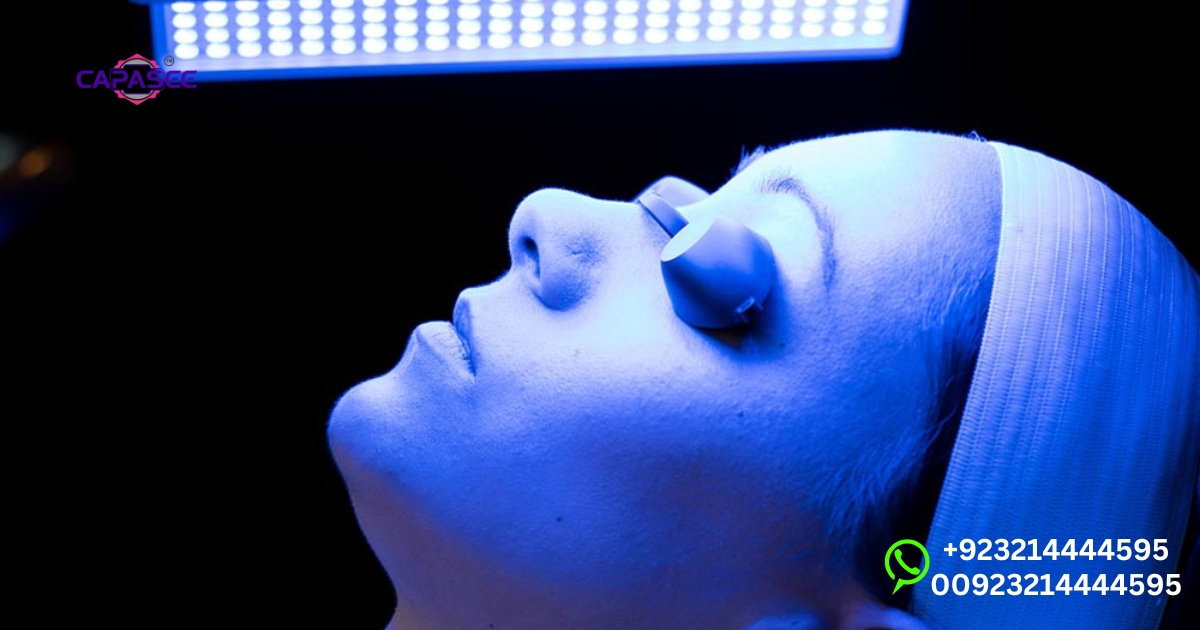
The most reliable form of neonatal jaundice treatment in Pakistan is light therapy for jaundice. It employs the visible light treatment that aids in the breakdown of bilirubin and converts it into water soluble bilirubin. This facilitates easy excretion of bilirubin through the urine, which reduces the risk of neonatal hyperbilirubinemia and guards against brain damage.
The jaundice therapy involves the doctors checking the jaundice serum bilirubin, hydration, and the skin of the baby. Due to proper care, photosensitivity is effective and risks such as phototherapy side effects and infant dehydration in the process of phototherapy are controlled. This approach is the safest to use in the care of newborn jaundice and long term support of bilirubin metabolism with the appropriate phototherapy unit intensity in light therapy for jaundice.
Duration of Phototherapy for Jaundice: How Long Is Enough?
The duration of light therapy for jaundice is determined by the bilirubin testing rate and the intensity of jaundice in infants. The majority of the infants require 24 to 72 hours of newborn phototherapy lamps. It is used to provide rapid management of a symptom of jaundice and promote robust recovery with close observation in the neonatal intensive care unit.
Safety of Phototherapy for Jaundice and Potential Side Effects
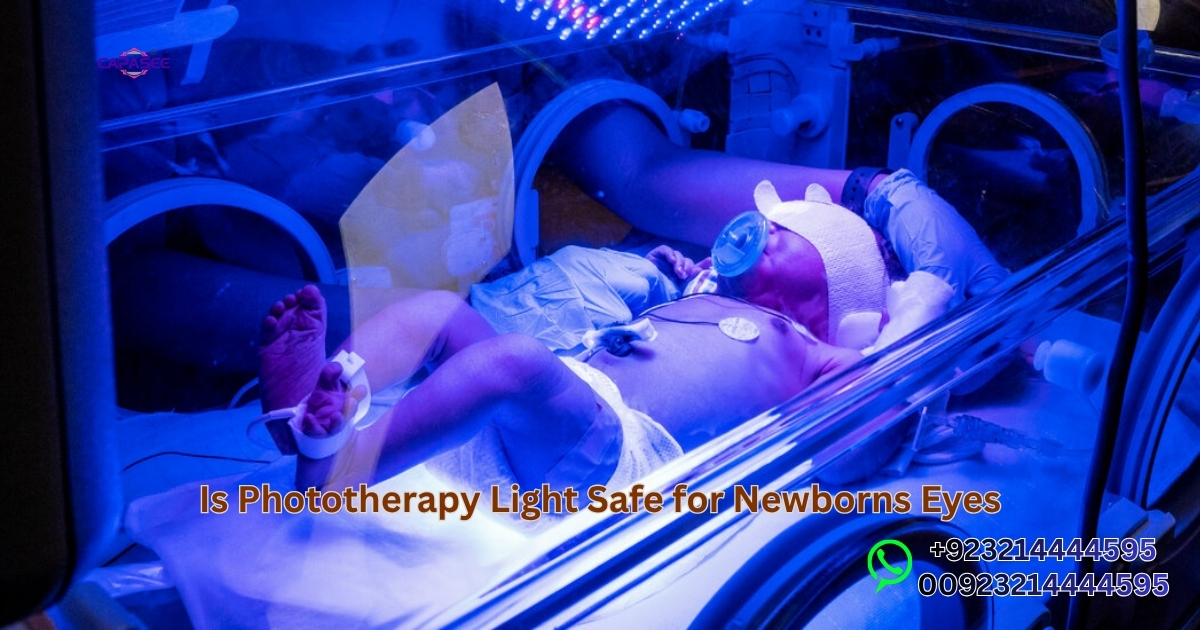
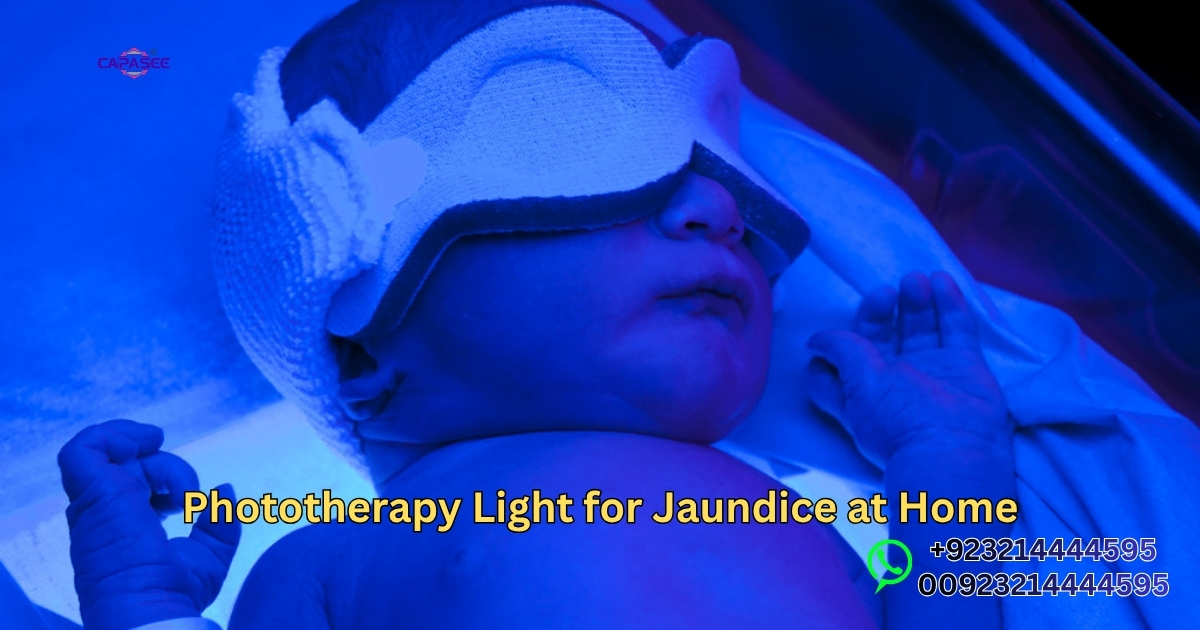
Although light therapy for jaundice using blue light is not harmful, care teams monitor the occurrence of the mild side effects of phototherapy, including babies developing skin discoloration or dryness. This is a safe, noninvasive jaundice therapy that has excellent infant outcomes, as doctors wear eye protection during jaundice phototherapy, have to ensure infants receive fluids to prevent dehydration, and need to apply jaundice eye protection.
Jaundice Treatment Without Medication: Alternatives and Supportive Care
Other instances of treatment of neonatal jaundice can be improved with supportive treatment, such as frequent feeding, which assists natural bilirubin breakdown. Hydration helps in lowering the bilirubin level by accelerating the bilirubin excretion via urine. In less severe cases, the steps are used to supplement the effectiveness of light therapy for jaundice and prevent jaundice without medications.
FAQ’s
Why does light help jaundice?
Light transforms bilirubin into a water soluble form. This aids the body of the baby to excrete it rapidly in the form of urine and stool.
What light therapy is good for jaundice?
The most effective blue light therapy occurs at a wavelength of 460 to 490 nm. It provides rapid outcomes and secure healing of babies.
Why do you protect bilirubin from light?
Direct sunlight may cause cell damage and also harm babies. Safe light is provided by special medical lamps that wear eye covers.
Can jaundice come back after phototherapy?
Yes, there may be mild jaundice returning in babies. To create a safe recovery, doctors monitor the frequency of bilirubin testing.
How long do babies need light therapy for jaundice?
Babies that require phototherapy to treat jaundice require one to three days. This is determined by how fast they have reduced their bilirubin concentration.
Conclusion
Jaundice can be treated with light therapy for jaundice, which is a safe and effective treatment method to keep newborns away from any serious health risks. It reduces bilirubin level rapidly, which guarantees the healthy growth and eliminates long term issues. Pakistani hospitals have state of the art newborn phototherapy lamps and practice rigorous safety measures, such as jaundice eye protection and hydration measures to prevent side effects. This noninvasive jaundice treatment can give parents confidence, as the results are reliable, fast healing and with excellent protection against neonatal hyperbilirubinemia. Thus, it is the most trusted option for jaundice in newborns.