Blog
Top Phototherapy Light Types for Fast and Safe Treatment in Pakistan


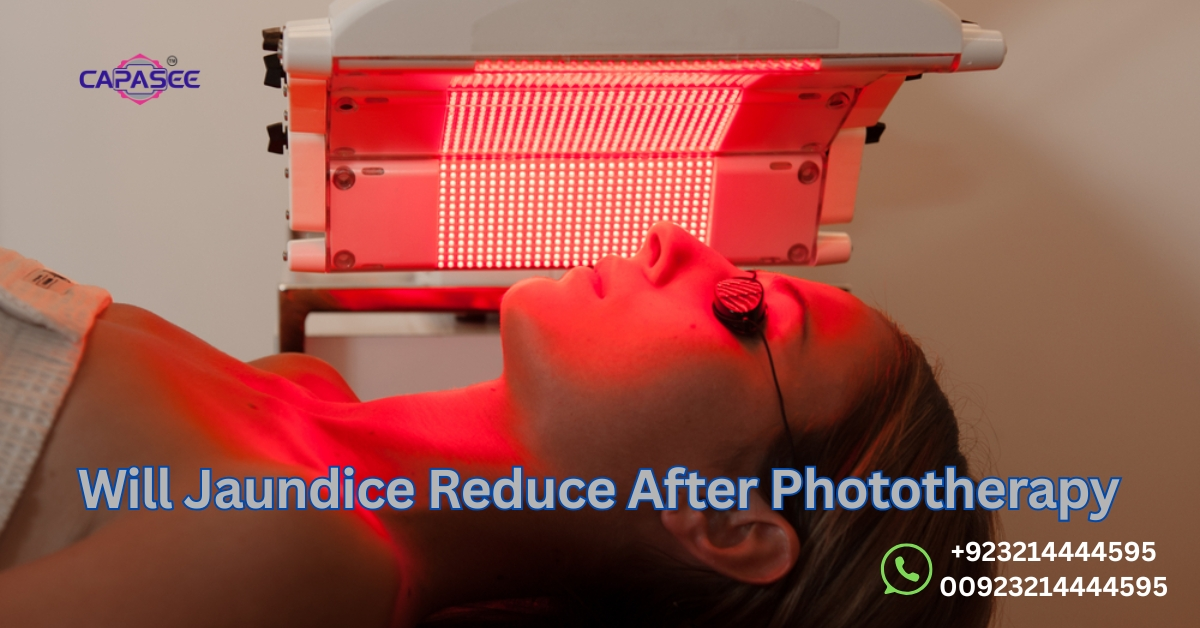
Have you ever looked at yourself in a mirror and said to yourself, There really should be a light that will do this skin bother me? You’re not alone. The hope and confusion about finding the answers to skin problems because many of us are scrolling through forums, asking our dermatologist, or looking it up. You probably have entered phototherapy lights material, and you are after a concrete, physical means of realizing what you can get, rather than an empty advertising blabber. Understanding the different phototherapy light types can help make that search less confusing.
In this post, you will receive clear, easy to follow information on the various types of phototherapy lights in the market, what each type does, how the light works and how to select the right type of phototherapy light for your skin. In the end, you will feel prepared, confident, and capable of having a real discussion with your doctor with real questions and not more uncertainty. Take this as your light therapy guidebook, especially if you are trying to understand how different phototherapy light types perform.
Types of Phototherapy Lights
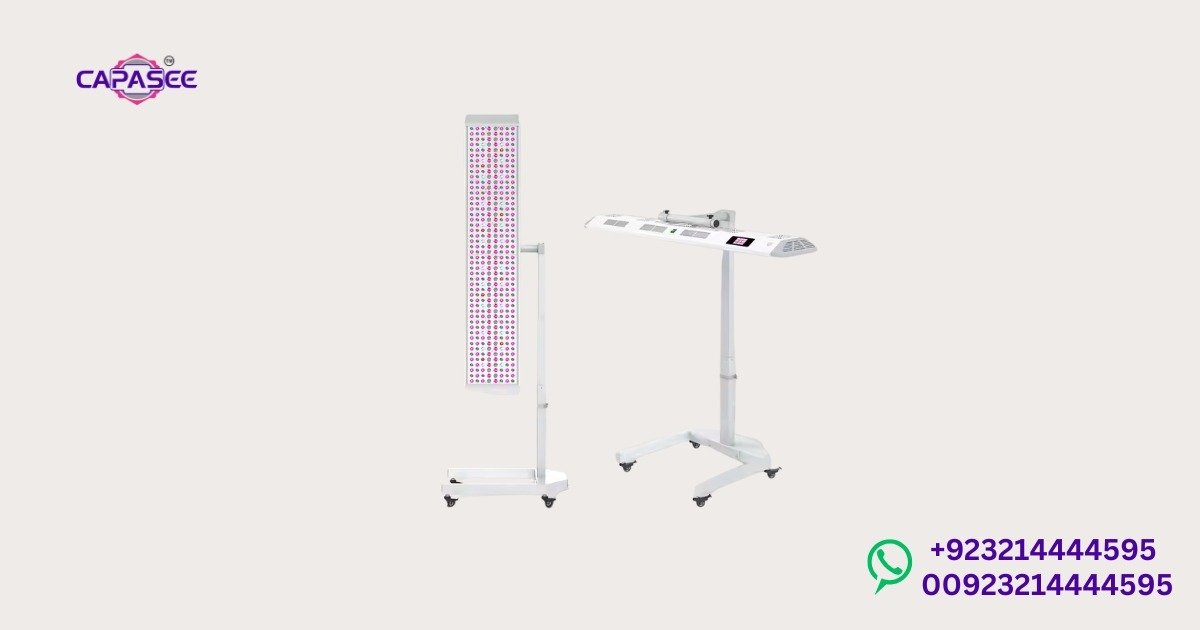
Phototherapy lights utilized today in Pakistani hospitals and clinics are of various types and applied to babies and adults. They consist of blue green lights and other equipment that will focus on a particular wavelength to remedy such conditions as jaundice or skin problems. Knowing the phototherapy light spectrum and phototherapy wavelength range can assist you in selecting the correct types of phototherapy devices, as well as be able to make a sound choice, especially when comparing phototherapy light types for different medical needs.
This paper describes the key phototherapy light sources, including the practical comparisons between LED phototherapy, fluorescent phototherapy, halogen phototherapy, fiber optic phototherapy blanket and other systems. You will find the advantages of each and will know the real data of their performance on neonatal jaundice light therapy, phototherapy of hyperbilirubinemia, and the type of phototherapy light used on adults. These distinctions make it easier to evaluate the strengths of various phototherapy light types.
You May Also Read This Blog: Phototherapy Light for Jaundice Price
LED Phototherapy Benefits
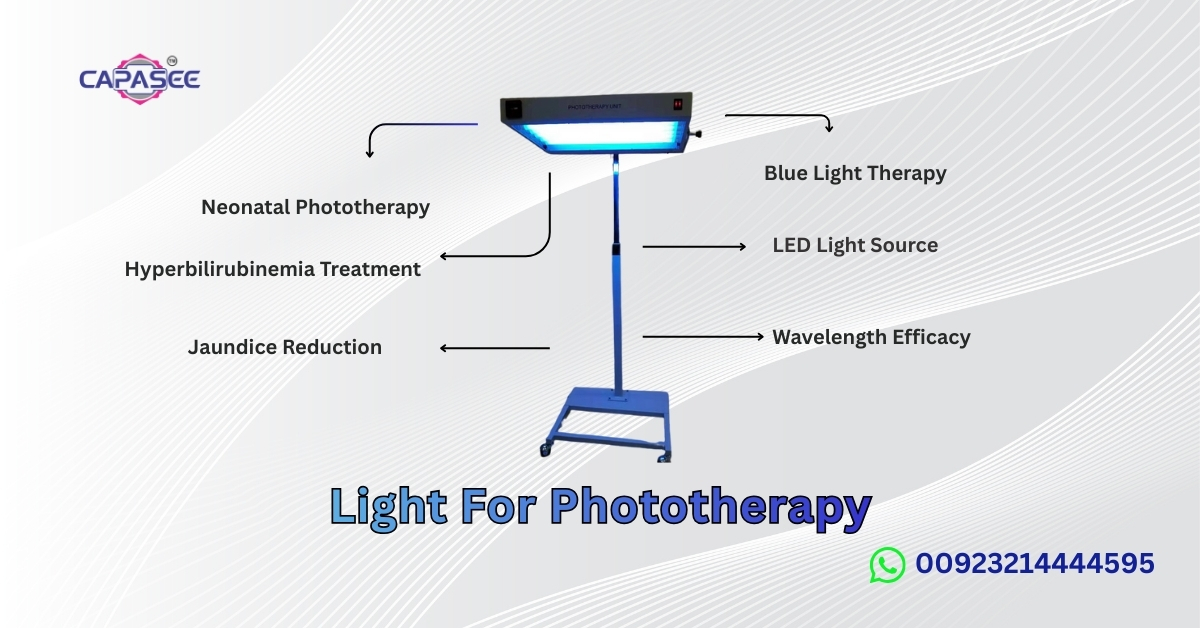
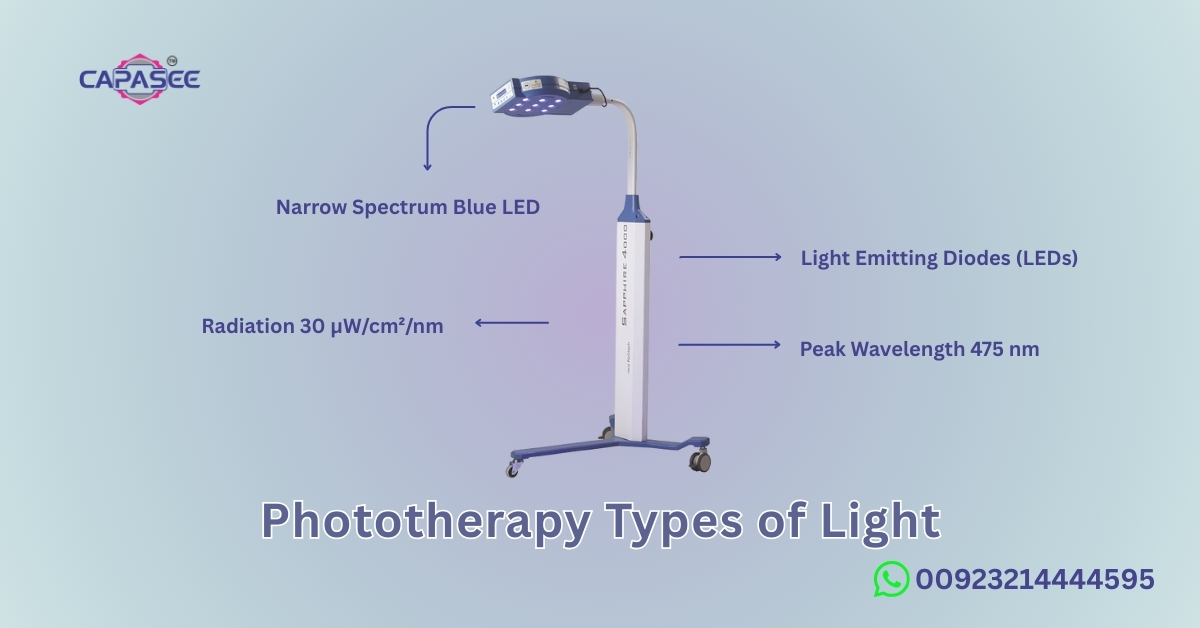
Newborns are sometimes treated with modern phototherapy utilizing LED phototherapy lights since they provide the narrow band blue light at 450 to 495 nm, which is the optimal phototherapy light wavelength range in the ideal phototherapy light chart to break down bilirubin. The LED systems produce lower heat and less consumption of power, which enhances the efficiency of light used in phototherapy and the safety of phototherapy light to the baby. Research indicates that using phototherapy LED vs fluorescent comparison is more favourable to LEDs as far as fewer side effects, such as overheating, are concerned, making LED models one of the most effective phototherapy light types.
Neonatal Phototherapy Types
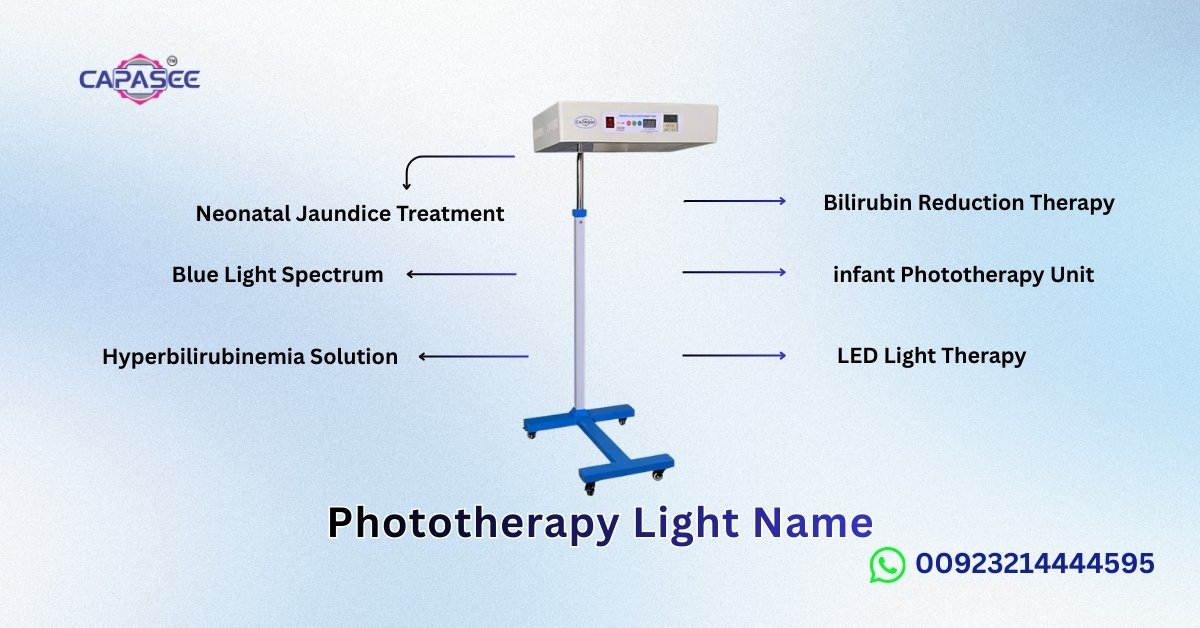
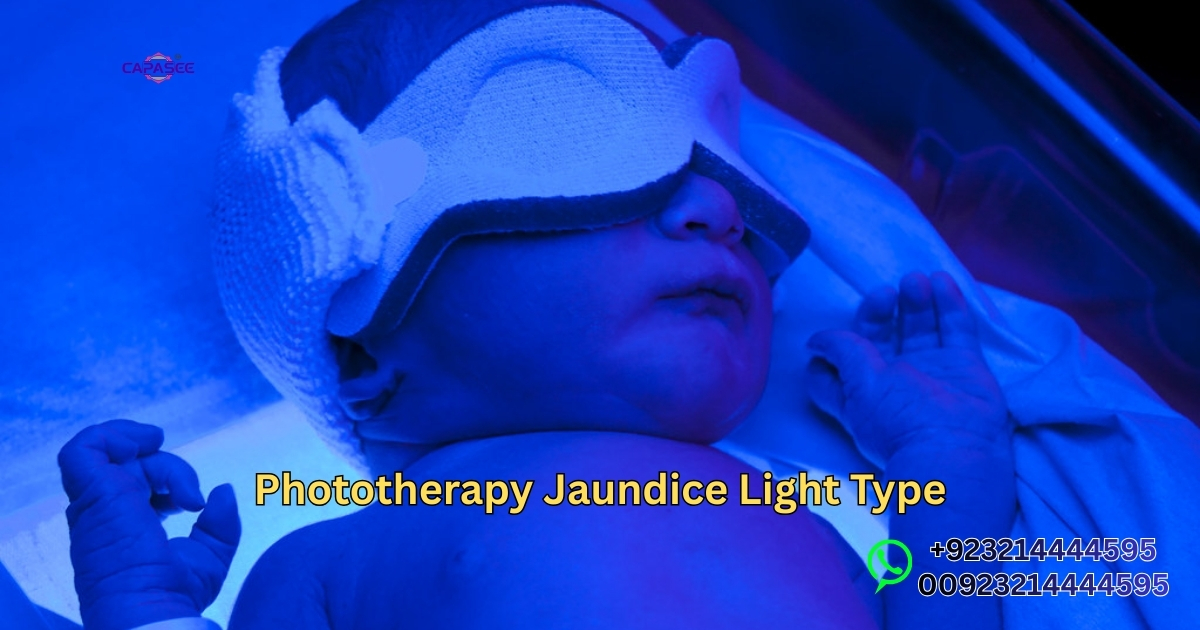
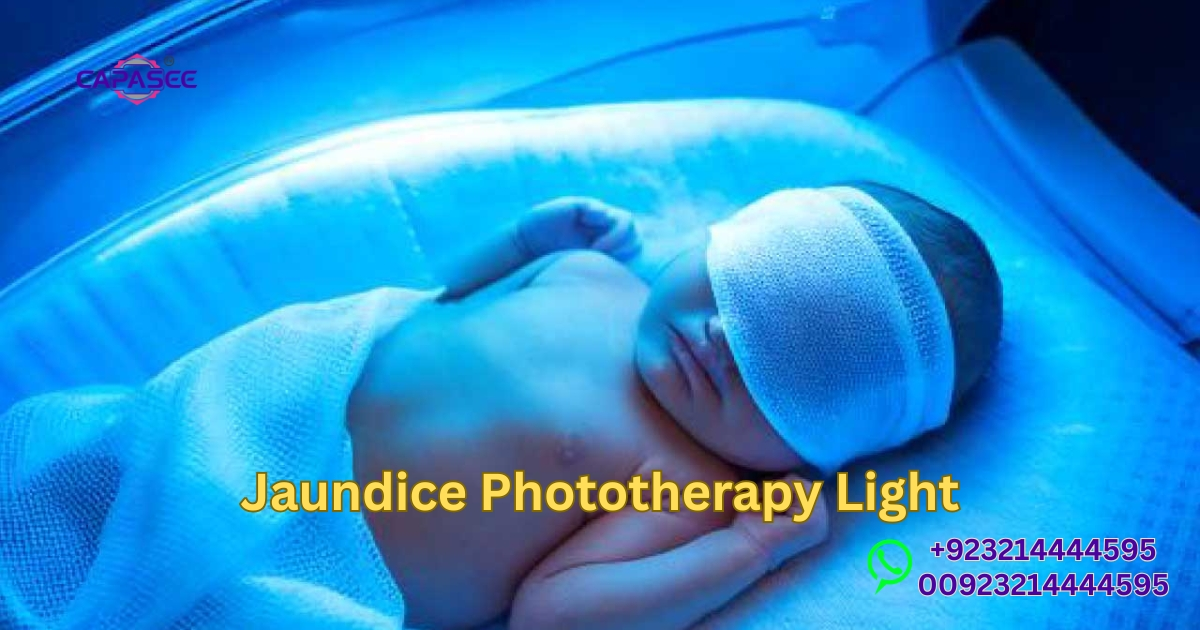
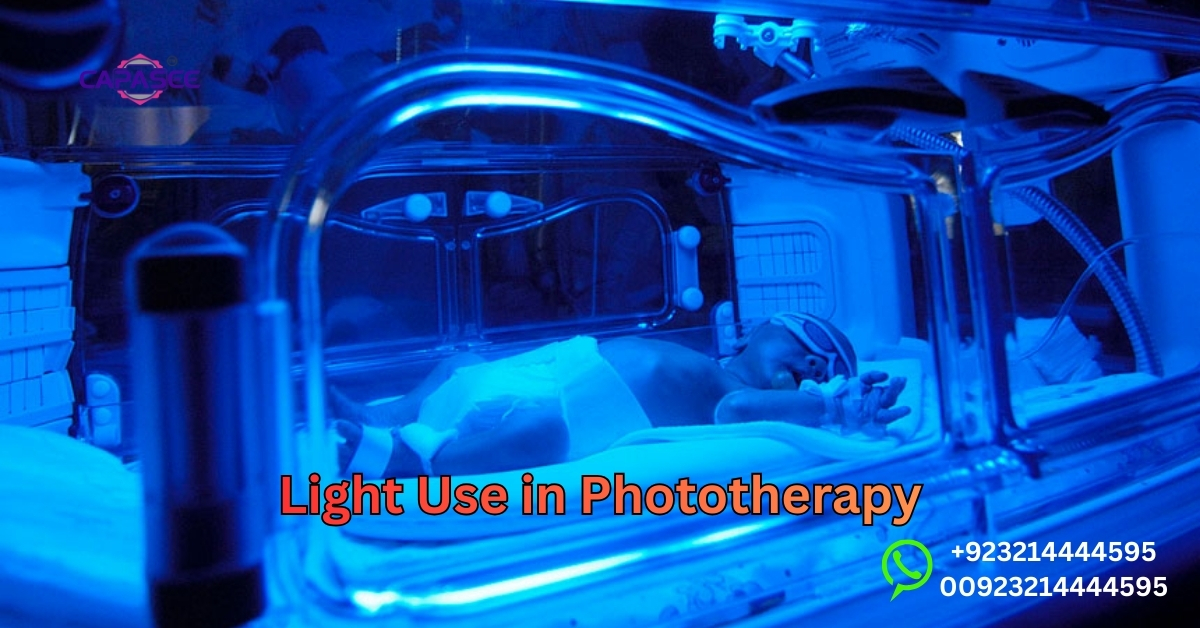
When treating young children with jaundice, hospitals in Pakistan are either inclined to implement overhead blue green light or fiber optic phototherapy blanket systems, or intensive phototherapy systems, exposing more body parts. The main goal is the phototherapy process of the newborns and the decrease of bilirubin by the bilirubin light therapy using a proper light spectrum of phototherapy. All types of phototherapy lights have trade offs that encompass their price, the proximity between the baby and the light, convenience and the capability to lower the bilirubin concentration of the baby in the shortest possible time. These are the elements that affect the selection of various phototherapy types of light when used by clinicians.
Halogen vs. Fluorescent Lights
Older systems may include halogen phototherapy spotlights or fluorescent phototherapy tubes. Fluorescent lamps are widely used; however, with time, the intensity decreases and the phototherapy ability reduces. Halogen lamps emit a wide spectrum light, heat rapidly and can cause burns to sensitive infant skin, which, in phototherapy, can be a problem, and with narrow light. These differences highlight the contrasts between traditional phototherapy light types.
| Light Source | Typical Wavelength | Pros | Cons |
| Fluorescent Tubes | 450‑495 nm (blue) | Low cost | Intensity drops over time |
| Halogen Lamps | Broad spectrum | Widely used historically | Generates much heat |
| LED Lights | Narrow band 450‑495 nm | High efficiency, less heat | Higher upfront cost |
Comparing phototherapy light types, it is usually relatively common to find that LEDs perform well in terms of general newborn care and even when the light therapy is applied to the skin in adults. Such comparisons help users understand how the main phototherapy light types perform under different conditions.
Phototherapy Light Wavelengths
Types of phototherapy lights employed in the neonatal care would largely rely on the wavelengths. Research demonstrates that lights in the phototherapy wavelength of about 430 to 490(blue green light therapy) is the best found to reduce bilirubin of infants.
Pakistan and other hospitals opt to use phototherapy light source devices that provide narrow spectrum blue light therapy or blue green light therapy as one of the applications of neonatal jaundice light therapy. The correct wavelength enhances the efficiency of phototherapy light and minimizes the treatment period, as well as enhances the phototherapy light safety of the babies, regardless of the chosen phototherapy light types.
Optimal Wavelengths for Treatment
The bilirubin breakdown action peaks just above 460nm, although it has been found that a higher wavelength of approximately 478nm (blue green) can enhance the outcome.
Clinicians who compare phototherapy LED with fluorescent systems record that those that are tuned to have the best wavelengths produce higher phototherapy light types, which is particularly effective in intensive phototherapy systems, as recommended by phototherapy light types guidelines. This highlights the importance of wavelength when evaluating different phototherapy light types.
Wavelengths in Neonatal Care
In the neonatal units, the objective is to cure the newborns with hyperbilirubinemia through the use of overhead lamps or blankets that provide the appropriate wavelength with adequate irradiance.
Such a targeted wavelength is used with devices such as a fiber optic phototherapy blanket or overhead panels, which are classified as phototherapy device types, in ensuring that phototherapy in newborns is safe in a hospital setting. These device categories represent essential phototherapy light types in neonatal care.
Choosing the Right Light
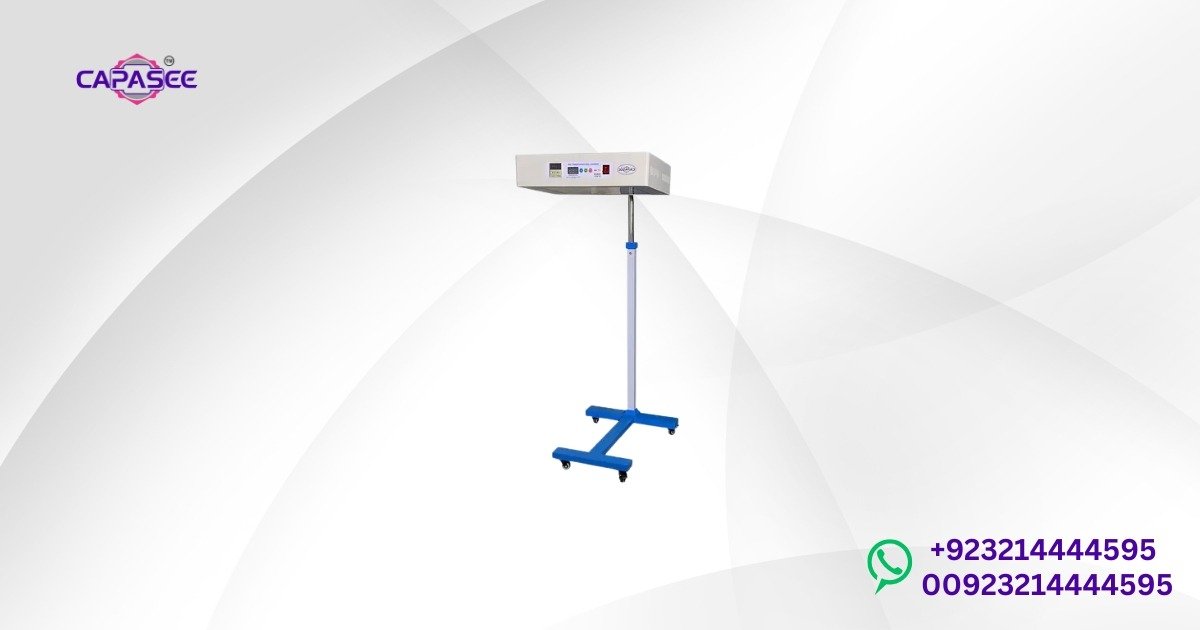
The choice between the types of phototherapy light would be to consider lamp source, wavelength, skin exposure area, and device reliability in Pakistan or any other area. You have to take into account the phototherapy light types comparison, Pakistani phototherapy light types price, and the needs of the user.
The main aspects noted by medical guides include the adequacy of wavelength of the condition, life of the device, heat generating capacity, and the type of LED, fluorescent or halogen. These practical factors guide the selection between different phototherapy light types.
Check More & Purchase: Our Products
Compact Fluorescent Lamps
Lamps of fluorescent phototherapy have been in use for decades. These tubes produce the blue green light required to convert bilirubin and are frequently cheaper in Pakistani hospitals.
Fluorescent units, however, might also diminish over time and must be replaced regularly, which impacts phototherapy light safety, cost effectiveness, and overall side effects of phototherapy light types. This makes them one of the more economical but maintenance heavy phototherapy light types.
Halogen Phototherapy Lights
Halogen phototherapy lamps are broad spectrum with a bit of blue green, but they are a bit more heated and may have a higher risk of overheating young infant skin.
Although halogen lights may work in some systems, in recent practice, they are less efficient than newer LED based systems in phototherapy light efficiency and phototherapy light comparison results. Halogen models remain one of the more traditional phototherapy light types, but are used less today.
FAQ’s
What kind of light is used in phototherapy?
Phototherapy involves the use of blue or blue green phototherapy, which is known to disintegrate excess bilirubin in the skin, especially in newborn babies with jaundice.
What are the 5 main types of light therapy?
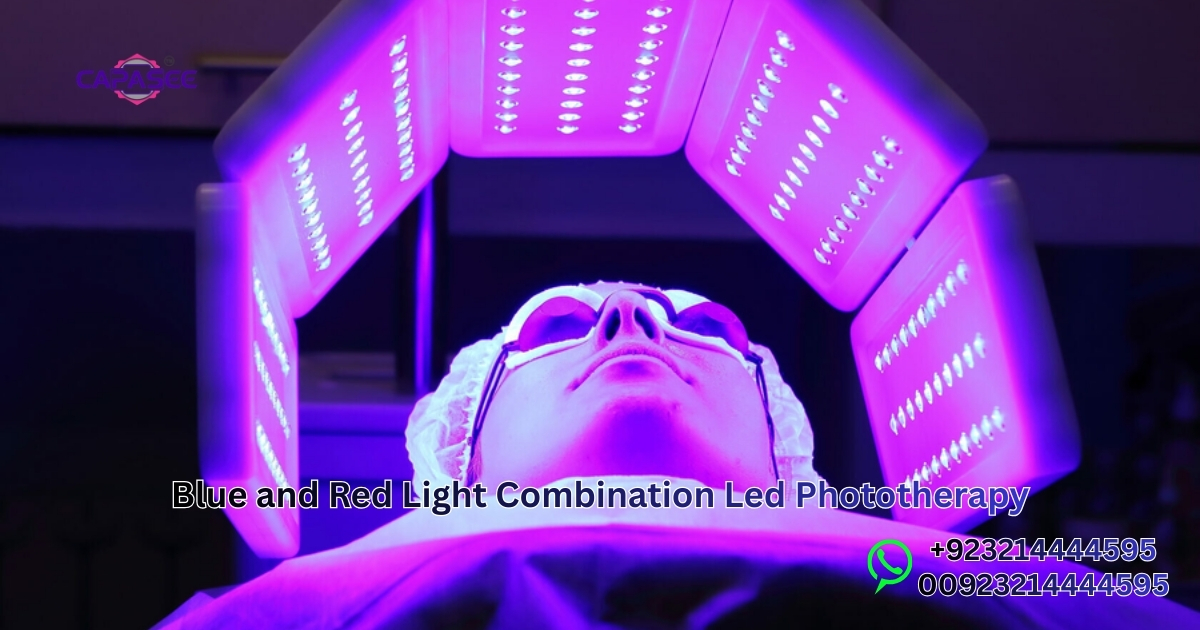
These are the blue light therapy, red light therapy, UV light therapy, green light therapy and white light therapy, which are the main categories of light therapy.
Is phototherapy UVA or UVB?
Phototherapy normally involves the use of blue light, which has different wavelengths as compared to UVA and UVB rays, and so it can be safely used in the treatment of disorders such as jaundice.
What type of light is used for light therapy?
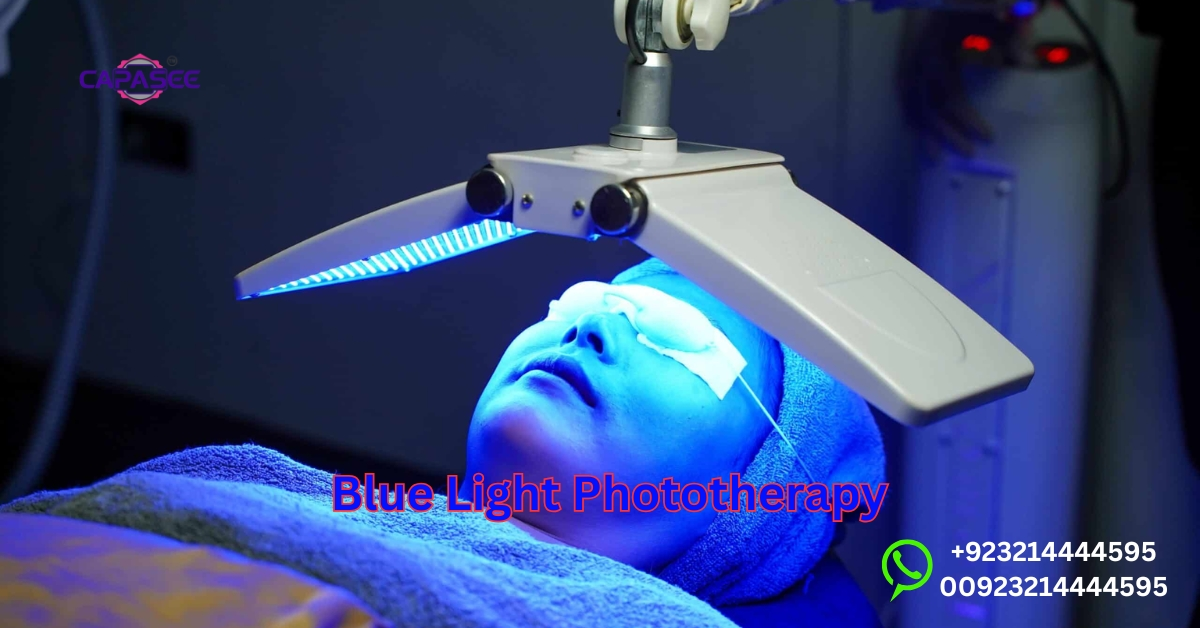
Light therapy is typically performed with blue light, particularly in such conditions as jaundice and some skin conditions, as it helps to decrease inflammation and help the body recuperate.
Why is blue light used for phototherapy?
Phototherapy using blue light involves disruption of bilirubin that produces jaundice; this is the action that the light performs by focusing a particular wavelength of light on the skin, accelerating the process.
Conclusion
The phototherapy light types affect how we choose the appropriate type of treatment using phototherapy in treating conditions such as jaundice, skin disorders, among others. With the blue light therapy, the LED lights, and the fluorescent lights, each of them has its own set of advantages to fit certain needs. The selection of the most suitable source of phototherapy light guarantees the outcomes, quicker healing, and enhanced safety. It is all in the know of what light to use, either neonatal jaundice light therapy or phototherapy for the skin condition. When using light therapy, always seek advice from healthcare providers as to the optimum method, especially when selecting among the available phototherapy light types.