Blog
Phototherapy Blue Light

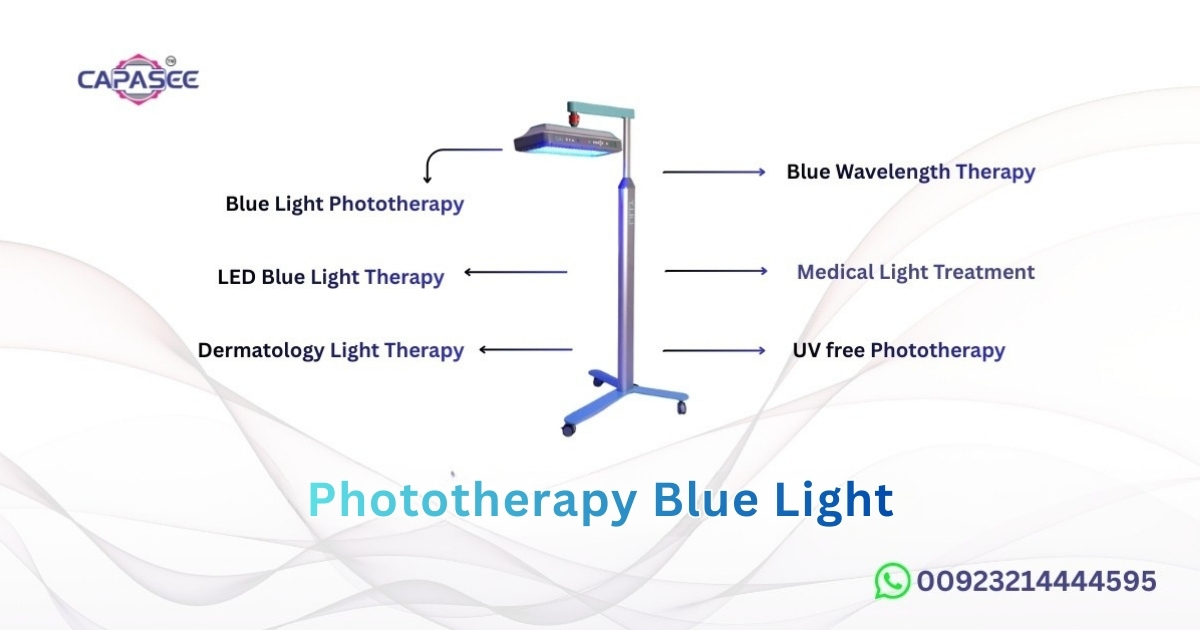
Having problems with the skin or have acne that simply refuses to leave? It is so intimidating that you have done all you can do, creams, medications, and all the skincare routines to the point that the results are negligible or minimal. You’re not alone in this. A lot of individuals are trying to find a new solution to these frequent skin issues, and one of the solutions that has been coming into the limelight of attention is the phototherapy blue light.
This blog post will explore the mechanism of phototherapy blue light and why it may be the miracle therapy that you have been seeking all along. We will discuss its advantages, the way it aids in the treatment of acne, skin diseases, and what you can expect when using it. Having read it, you will have a better idea whether this light therapy is the answer to your skincare troubles. Let’s get started.
What Is Phototherapy Blue Light?

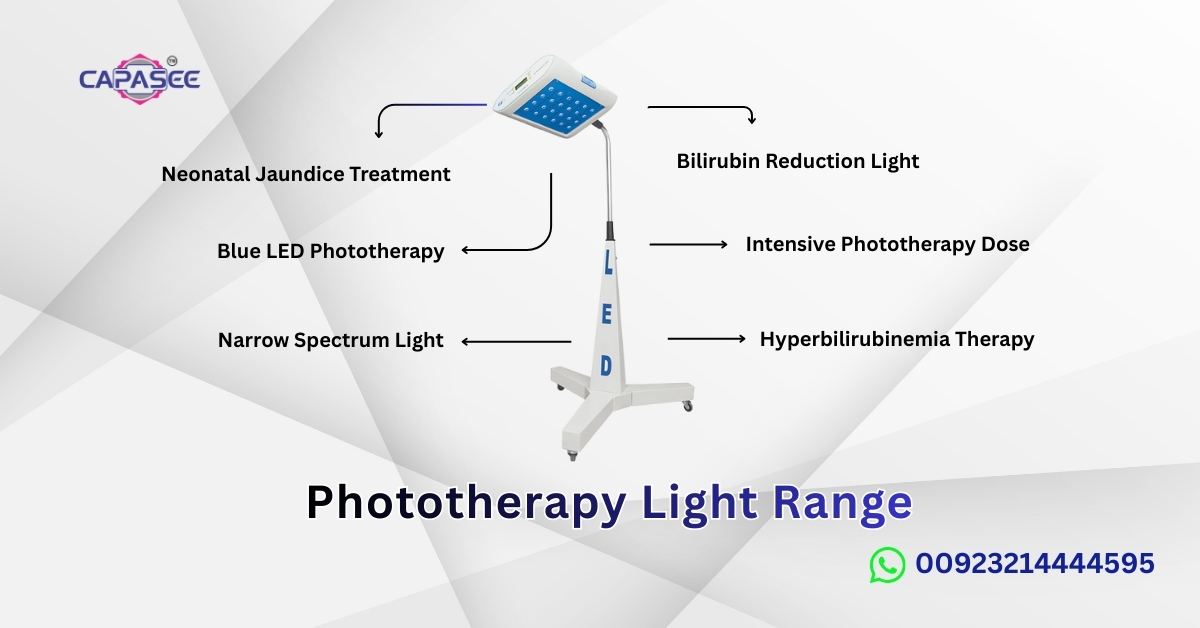
Phototherapy Blue Light is a method where light is utilized to aid in lowering the bilirubin level in newborns who have neonatal hyperbilirubinemia. This treatment includes the use of a certain wavelength of light, 450-470 nm light therapy, on infants that aids in the dismantling of unconjugated bilirubin isomers in the skin of infants. The light triggers a photochemical process to facilitate the excretion of bilirubin and minimize the chances of bilirubin encephalopathy and kernicterus.
Blue light therapy is effective in the treatment of hemolytic jaundice and is an ordinary practice in neonatal care. LED phototherapy units are a common practice in neonatal intensive care units (NICU). When the bilirubin levels are so high, then intensive phototherapy treatment may be required, where longer time exposure is required. The American Academy of Pediatrics (AAP) guidelines suggest phototherapy blue light as treatment for childhood neonatal jaundice.
How Blue Light Phototherapy Works for Jaundice
Phototherapy Blue Light is a form of therapy that involves targeting bilirubin on the skin and breaking it down into a form that is more water soluble. The phototherapy light is a blue LED that usually has a wavelength of 458 nm or 475 nm, which is used to convert the unprocessed bilirubin into a form that can be processed and excreted by the liver of the baby. The process plays a vital role in the treatment of neonatal jaundice and the prevention of such complications as bilirubin encephalopathy.
In the case of newborns, blue light therapy of newborns is commonly the treatment of the first resort. The phototherapy of neonatal jaundice is non invasive and effective, with the degree of success depending on the amount of light used in terms of dose and irradiance. At times, the cost of phototherapy machines available in hospitals in Pakistan may be an issue for families, though there are also home phototherapy options.
You May Also Read This Blog: Phototherapy Types of Light
Neonatal Jaundice Phototherapy in Pakistan: Key Insights
Neonatal jaundice phototherapy is a widely used and available intervention for neonatal patients in Pakistan. The side effects of phototherapy in infants are quite minor, but with prolonged exposure, they may result in dehydration or a skin rash. Home phototherapy units are units where parents who prefer to treat their babies outside the hospital environment can access home phototherapy units. These units are, however, to be used cautiously and with consultation of healthcare providers.
There are some hospitals in Pakistan that provide neonatal incubators with phototherapy so that the baby has the right amount of light exposure. When bilirubin is extremely high, Phototherapy vs exchange transfusion is an issue that may be discussed. Although the exchange transfusion is more invasive, blue light therapy is the best choice as it is easy and effective.
Blue Light Therapy for Skin Conditions
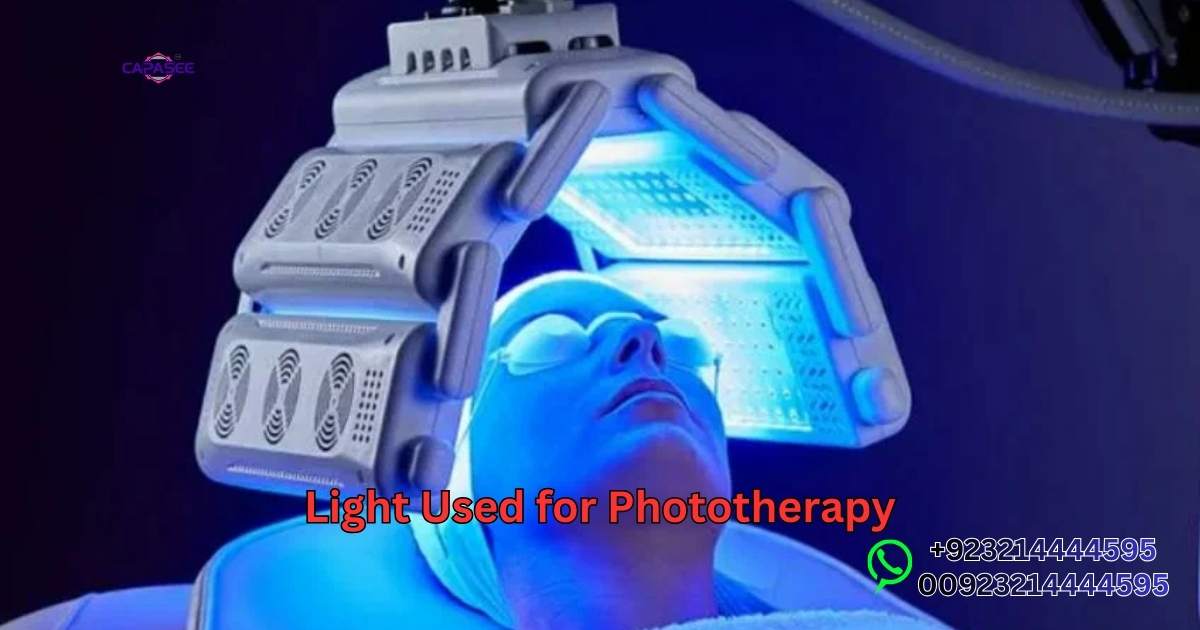
Blue Light Therapy is also extensively applied in curing skin disorders such as acne. The treatment is aimed at the bacteria themselves that lead to acne, and it decreases inflammation and makes the skin look better. A narrowband blue LED device is commonly used in dermatology as dermatologic phototherapy. It has been established that blue light treatment is quite effective as an alternative to conventional acne treatment.
The LED blue light therapy has gained prominence in dermatology blue light treatment, particularly in people with sensitive skin. The light therapy at 450 nm to 470 nm is used to decrease the acne lesions and prevent new outbreaks. It is a safe alternative to several other people, which have fewer side effects than other acne remedies.
Effective Blue Light Phototherapy for Acne
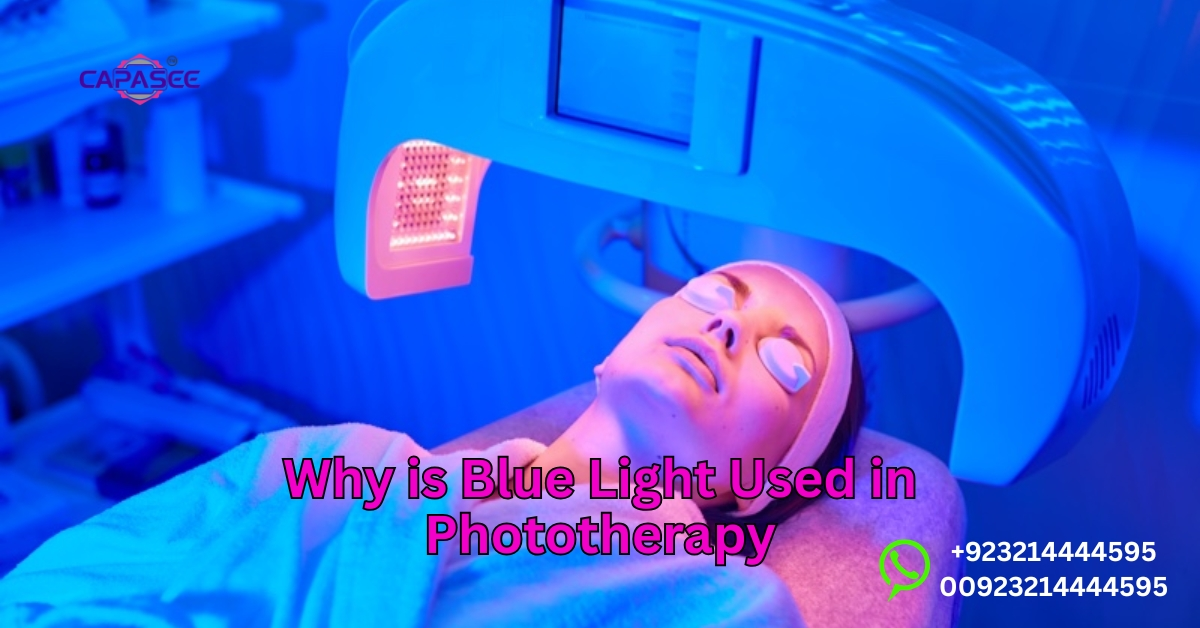
Treatment of acne using LED phototherapy has become popular in dermatology blue light. The blue LED phototherapy is effective because it addresses the bacteria that cause outbreaks of acne. It also soothes the inflammation and helps to treat the blemishes that already exist. The treatment is non invasive and hence a nice choice for many people.
As access to narrowband blue LED devices is increasing, patients can now get to know the effectiveness of blue light phototherapy at home. This technology of light emitting diodes (LEDs) has demonstrated impressive outcomes in helping to reduce acne and help to have clearer skin. In comparison to other therapies, blue light therapy does not include the use of harsh chemicals and this makes it a soft alternative to those who would like to have clearer skin.
LED Blue Light Therapy Benefits for Face
The uses of LED blue light therapy on the face have many advantages, particularly in the treatment of acne and other skin related complications. The therapy is used to minimise acne spots and enlarge the pores, making the skin smoother and clearer. It also regulates the production of oil and minimizes outbursts of blemishes. It is also used in adult acne and even in those with sensitive skin.
The primary advantage of blue light therapy on the face is that it is an effective treatment of acne blue light therapy devoid of severe side effects. It operates under the concept of attacking the cause of acne and thus it is a safe and mild treatment for the majority of its users.
| Treatment Type | Treatment Benefits | Application Method |
| Phototherapy Blue Light | Reduces bilirubin, effective for jaundice | In the NICU, home units for newborns |
| Blue Light Therapy for Acne | Reduces acne lesions, minimizes breakouts | LED blue light devices at home and in clinics |
Phototherapy Treatments Available in Pakistan
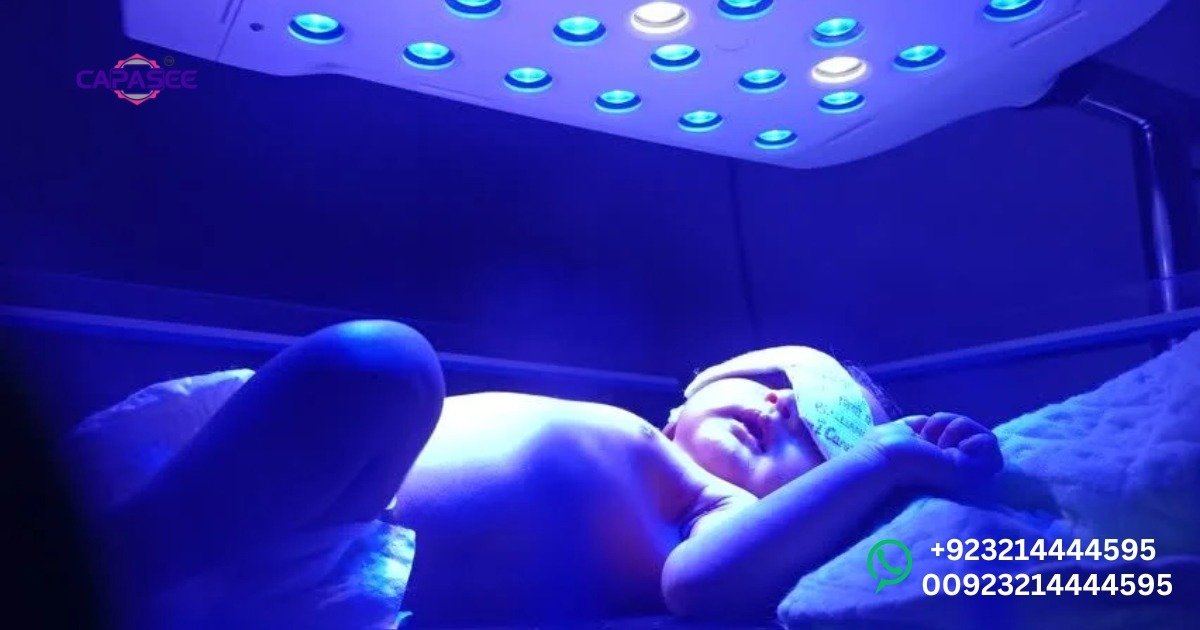
Phototherapy blue light is also used in neonatal jaundice phototherapy in Pakistan. It assists in the reduction of neonatal hyperbilirubinemia in newborns. The light therapy applied in the therapy is the wavelength therapy (450 nm to 470 nm) and is very effective in breaking up the unconjugated bilirubin isomers. In hospitals and clinics, there are LED phototherapy units, which offer intense treatment, preventing further interventions, such as exchange transfusion.
The prices of the hospital phototherapy machine in Pakistan may fluctuate, and the neonatal incubator with phototherapy is very prevalent. This therapy is necessary in the treatment of hemolytic jaundice and in the prevention of bilirubin encephalopathy in newborns. Blue LED phototherapy is a non invasive form of phototherapy that can be used in babies who need to be treated with intensive phototherapy. In infants, side effects of phototherapy are insignificant, although the parents are required to adhere to pediatric phototherapy instructions to achieve effective and safe outcomes.
Choosing the Right Phototherapy for Your Skin
Blue light treatment is a fantastic alternative in the treatment of skin diseases like acne in the case of dermatology blue light treatment. Narrowband blue LEDs are devices that are applied during acne blue light therapy and these devices are aimed at bacteria that cause breakouts. It is safe on most skin types and is a good substitute for the more severe treatments. The use of LED phototherapy equipment is effective in the treatment of acne lesions, inflammation and generally clearer skin.
In case of a person seeking phototherapy blue light for newborns, a home phototherapy unit for the babies would be an excellent option, particularly in mild cases of neonatal jaundice. The safety of the eyes and skin in blue light is maintained when the correct guidelines for the treatment are followed. At home or in the clinic, the selection of the appropriate LED phototherapy unit will contribute to the provision of safe and effective care for skin issues or jaundice.
Check More & Purchase: Our Products
Where to Get Phototherapy Treatment in Pakistan
Phototherapy blue light treatment is available at most hospitals in Pakistan, some of them in the major cities such as Karachi, Lahore and Islamabad. In the case of neonatal hyperbilirubinemia treatment, healthcare facilities that have a neonatal intensive care unit (NICU) are the most suitable facilities that can handle newborns who require intensive treatment of phototherapy. These centers have phototherapy lamps and an LED phototherapy unit to provide effective care safely.
There are also home phototherapy units in some hospitals run to serve babies, which are cheaper than those provided in hospitals. Nevertheless, one should select a narrow band blue LED device that is compliant with the American Academy of Pediatrics (AAP) recommendations. In adults, skin clinics offer dermatologic phototherapy (UV, visible blue) as a treatment of acne, blue light therapy, among other skin problems.
Frequently Asked Questions(FAQ’s)
What is the blue light used in phototherapy?
Phototherapy is safe and effective in the treatment of neonatal jaundice, as blue light is used to decompose bilirubin in the blood of babies.
What are the side effects of blue light therapy?
Side effects are uncommon and might involve mild skin rashes or dehydration, which is easily controlled.
Why do they put blue light on babies?
Babies are subjected to blue light to correct neonatal jaundice so that the high bilirubin level in their blood is reduced.
How long do babies need blue light for jaundice?
Depending on the level of jaundice present in the babies and the levels of bilirubin, the babies normally require 1 to 2 days of blue light therapy.
Can I feed my baby during phototherapy?
Yes, you can breastfeed your baby in the course of phototherapy, but make sure that the baby is hydrated to avoid dehydration.
Final Thoughts
Phototherapy Blue light is a very effective and non invasive treatment of neonatal jaundice and skin disorders such as acne. With the assistance of blue LED phototherapy, one can break down bilirubin in infants and fight bacteria that cause acne in adults. Although the treatment is not very dangerous, it should be treated using the right guidelines to prevent side effects. Phototherapy blue light, whether at home or in the hospital, is a dependable strategy for dealing with jaundice and enhancing the condition of the skin, and thus is an invaluable resource in contemporary health care.