Blog
Double Light Phototherapy

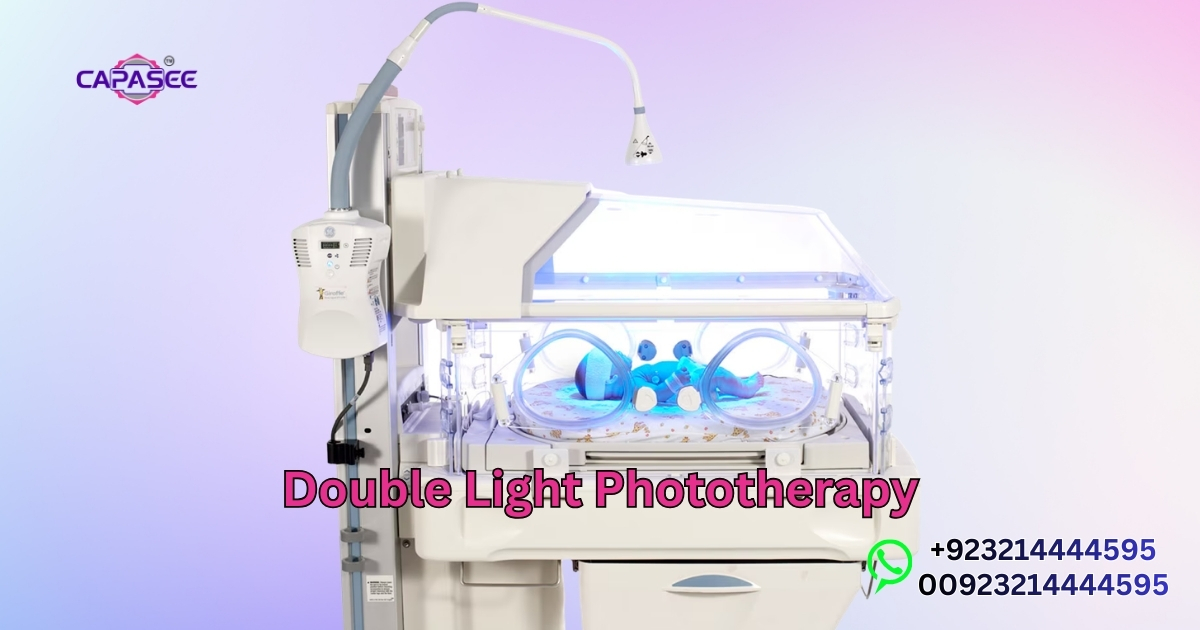
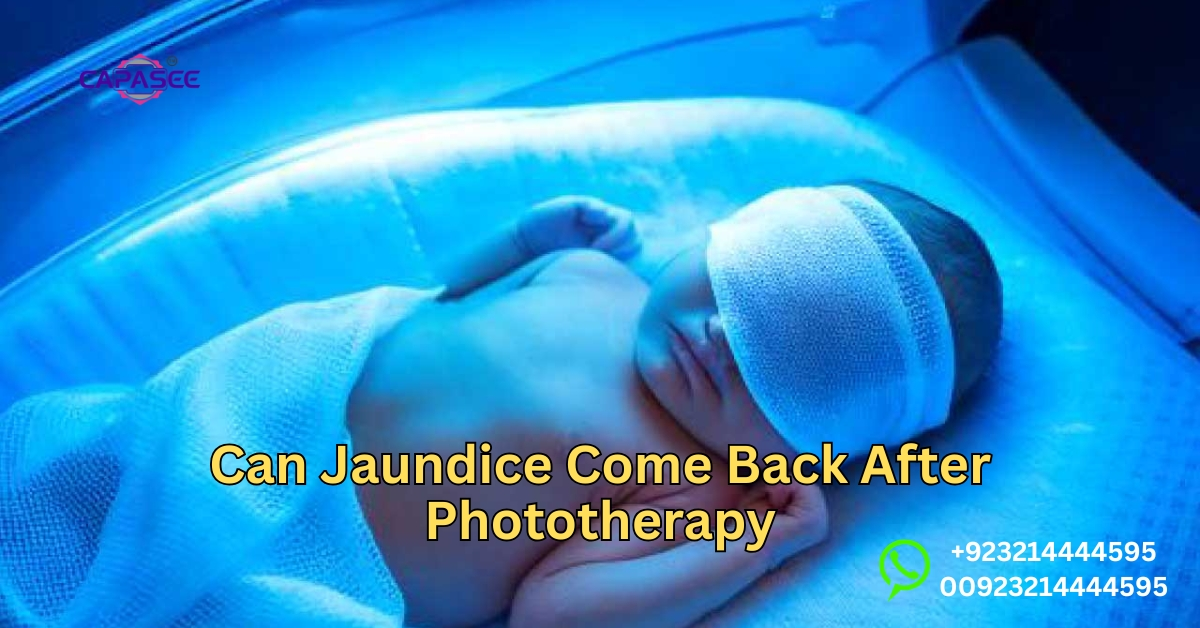
As soon as your newborn turns yellow, and the doctor talks of double light phototherapy, your heart can fall within a few seconds. You begin to think that something is wrong. At 2 a.m., you Google like mad in the hope of getting answers. Is it safe? Does it hurt your baby? You do not feel alone, as you are confused and scared, probably now.
In this manual, you will be able to know what precisely the use of double light phototherapy is, and why physicians employ it. We will simplify it so that you can know how it works and what to expect. You will also have some useful tips that can relax your mind and be ready for the process. You will be more sure and in charge.
What Is Double Light Phototherapy?
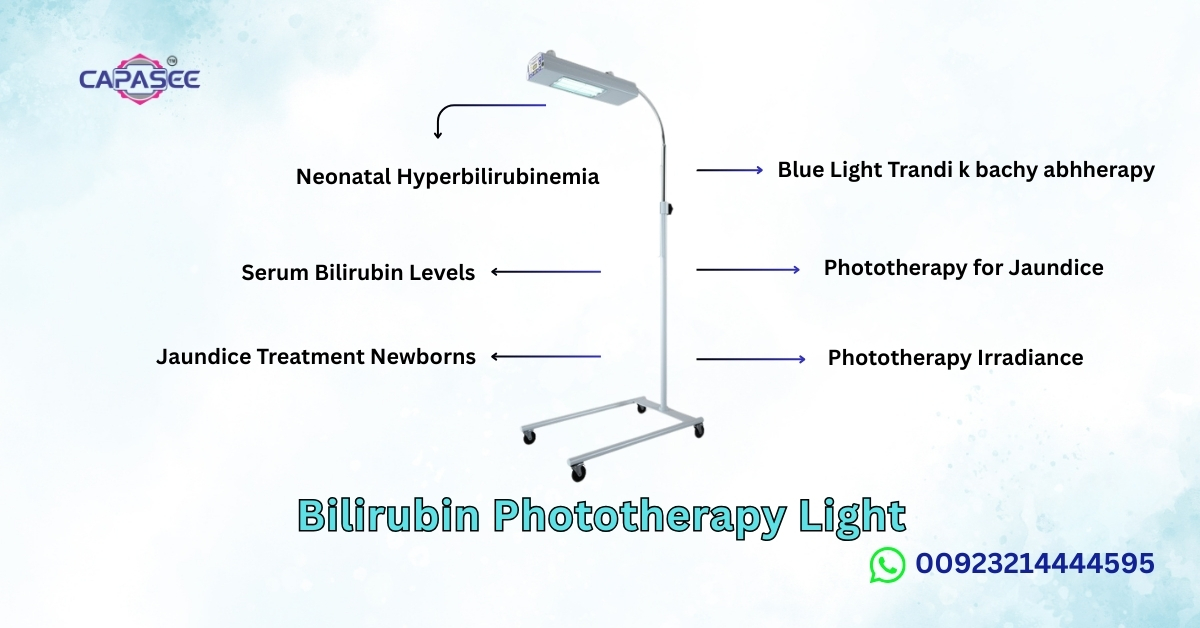
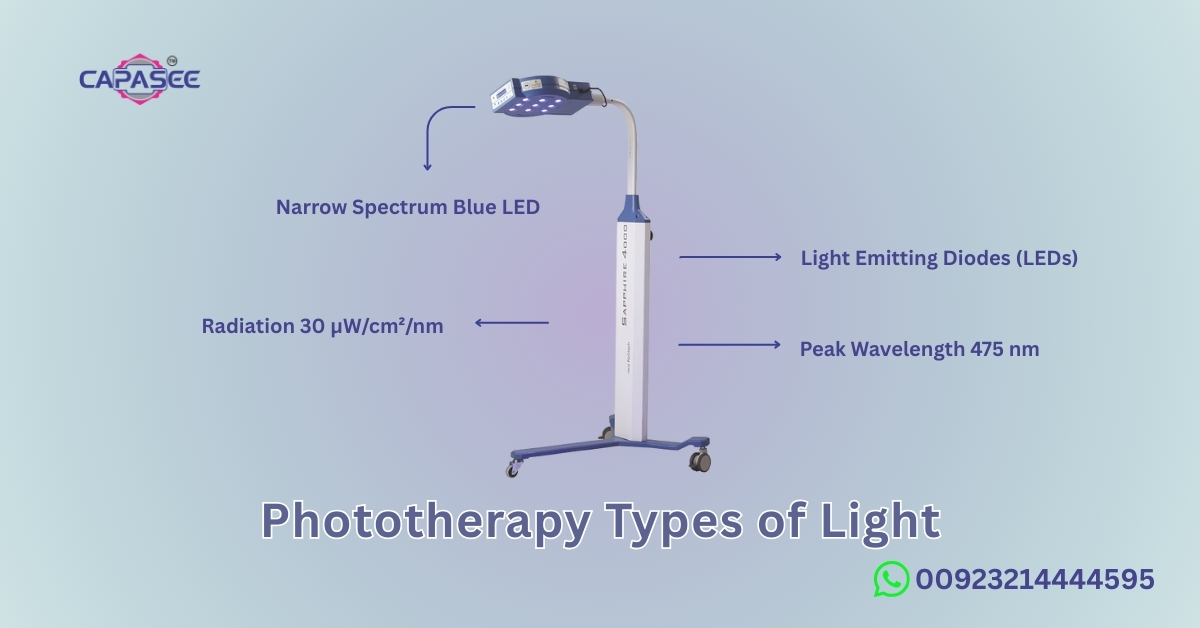
The hyperbilirubinemia treatment in the newborn, which is also known as double light phototherapy, is one method of lowering the bilirubin levels at a rapid rate. It combines the two lights simultaneously to treat babies in a better way than the single light therapy. Physicians tend to use double light phototherapy when dealing with healthy neonates of term age and with late preterm babies.
This approach enhances the incidence of bilirubin fall and could decrease the requirement for exchange transfusion. Light emitting diodes are used, thereby guaranteeing high levels of irradiance that reduce the double light phototherapy period. Babies recover faster, there is reduced length of stay, and increased safety as opposed to older techniques.
Neonatal Double Phototherapy Machine Basics
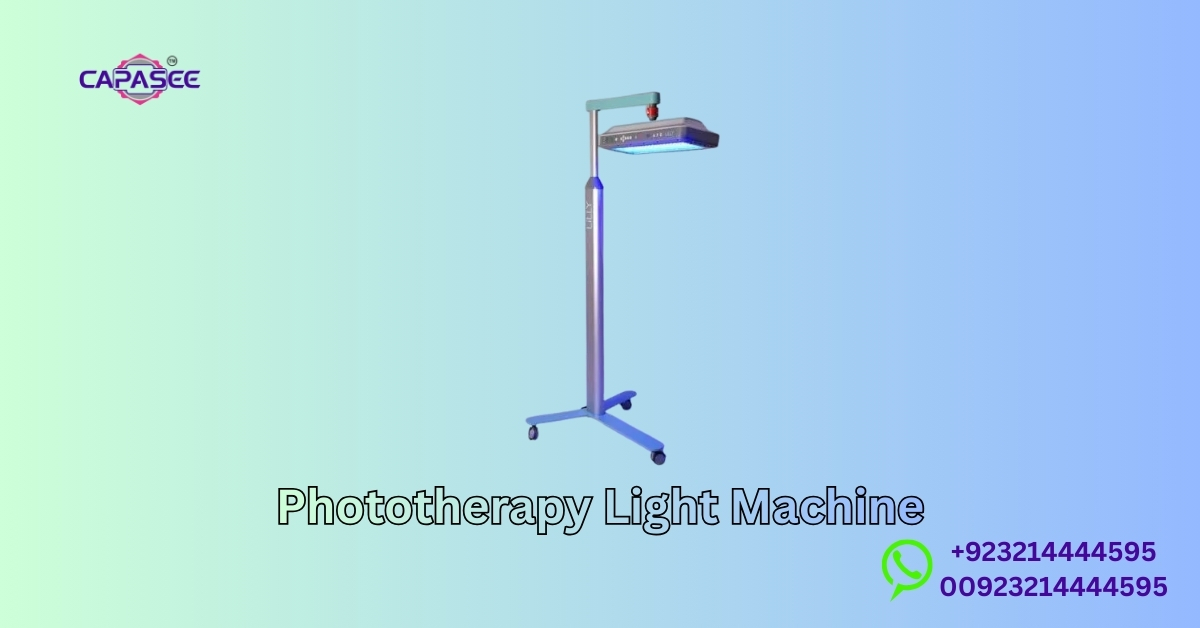
Neonatal double light phototherapy involves two sources of light above and below the baby, which is used to treat the entire surface. The machine is applicable in non hemolytic jaundice and uncomplicated hyperbilirubinemia, and it enhances the level of serum bilirubin reduction effectively.
These units are simple to manipulate for gestational age infants. The designs of cylindrical intensive double light phototherapy offer homogeneous light coverage. To have safe treatment, nurses measure total serum bilirubin and observe such side effects as loose stools.
You May Also Read This Blog: Phototherapy Light at Home
Double Surface Phototherapy in Pakistan Explained
In Pakistan, bilirubin concentration with moderate or high bilirubin concentrations in babies are treated by double light phototherapy in hospitals. It is common in the neonatal units of both healthy term babies and late preterm babies.
The treatment decreases the total serum bilirubin sooner and lessens the period of double light phototherapy when compared to single light therapies. There is a reduced cost of treatment, shorter length of stay for the family, and fewer unnecessary exchange transfusions among doctors.
Intensive Double Phototherapy Benefits

Intensive bilirubin therapy using two light sources, also called double light phototherapy, is quicker in reducing serum bilirubin levels and treating newborn hyperbilirubinemia. It is not harmful to both gestational age babies and the infants who are under the late preterm stage, andit reduces the amount of invasive practices.
Intensive therapy enhances the bilirubin fall rate and results in better recovery by administering high levels of irradiance. Those babies have fewer complications, and their parents value reduced hospital length of stay and reduced cost of treatment through double light phototherapy.
Double Light Jaundice Treatment Advantages
There are obvious benefits to the use of double light phototherapy. It treats a greater amount of skin with the use of twice as much surface phototherapy, which is better at total serum bilirubin reduction. Infants heal better, and the treatment shortens the time of double light phototherapy.
This technique is effective in non hemolytic jaundice and uncomplicated hyperbilirubinemia, even in premature infants in late gestational age. Nurses observe such mild side effects of it as loose stools, yet overall, double light phototherapy is safe, effective, and extensive.
Why Choose Capasee Double Phototherapy Units
Capasee units of double light phototherapy offer high levels of irradiance using some of the best light emitting diodes. They guarantee the uniformity of the double surface phototherapy of gestational age babies.
Pakistan hospitals use them in preference due to cylindrical intensive double light phototherapy, increased bilirubin fall rate, and stable total serum bilirubin. These units shorten the phototherapy time, decrease the cost of treatment, and assist in managing non hemolytic jaundice with much safety.
Example Table: Double Light vs Single Light Phototherapy
| Feature | Single Light Phototherapy | Double Light Phototherapy |
| Surface Coverage | Top only | Top and bottom (double surface) |
| Rate of Bilirubin Fall | Moderate | Fast |
| Phototherapy Duration | Longer | Shorter |
| Need for Exchange Transfusion | Higher | Lower |
| Treatment Cost | Moderate | Lower |
| Suitability | Term neonates | Term and late preterm neonates |
Double Light Phototherapy Unit Price in Pakistan
In Pakistan, there are double light phototherapy units which assist in the treatment of neonatal hyperbilirubinemia in healthy term neonates and late preterm neonates through the reduction of bilirubin concentration effectively with the use of double surface phototherapy, enhancing serum bilirubin reduction, and shortening phototherapy time. Strong light emitting diodes and high levels of irradiance are employed by these units in order to achieve faster fall of bilirubin and a reduction in length of stay.
In Pakistan, advanced neonatal phototherapy devices are sold at a wide price range. The models that are of higher quality include hospital grade, intensive double light phototherapy machines that are more expensive than the basic ones. The average cost of phototherapy units is between PKR 45,000 and PKR 70,000, but more developed systems can be larger because of quality and functionality, and the balance of cost of treatment and value of treatment to the clinics and families.
Capasee Electro Medical Engineering Pricing
Capasee Electro Medical Engineering has the best quality in the Pakistani market in terms of the irradiance levels and efficient LED systems in double light phototherapy machines that are good for double surface phototherapy and a high rate of bilirubin fall. These machines are designed to cure non hemolytic jaundice in a sophisticated manner.
Prices of phototherapy lights in Pakistan are very diverse, with simple units priced in the PKR 30,000 range, to more sophisticated clinical lights priced in the PKR 80,000 range, depending on the mobile design, LEDs, and adjustable functionality to support the comfort and effectiveness of treatment.
Buy Double Light Phototherapy Karachi Now
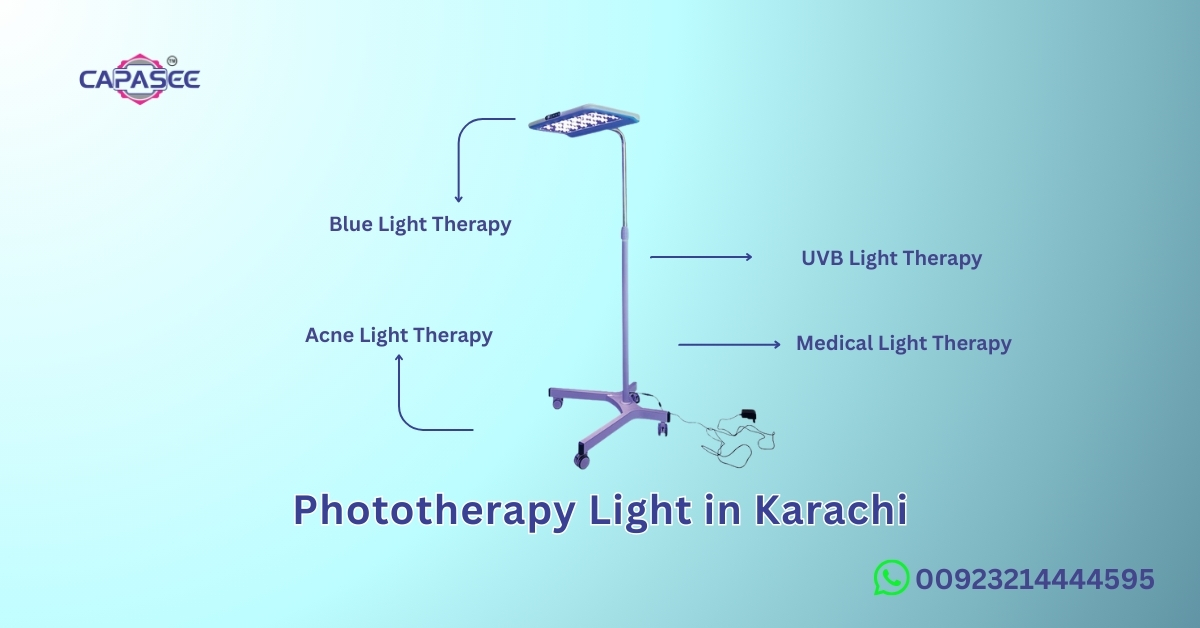
In Karachi, recommended medical sources can easily obtain the phototherapy of light (doubled). These units offer intensive phototherapy and effective bilirubin fall rate, and provide the best care to the gestational age babies.
The machines enhance complete control of serum bilirubin and reduce the phototherapy time. The use of safe and fast management of neonatal hyperbilirubinemia to reduce length of stay and minimize the cost of treatment is valued by parents and hospitals alike.
Check More & Purchase: Our Products
Get Capasee Double Light Phototherapy Today
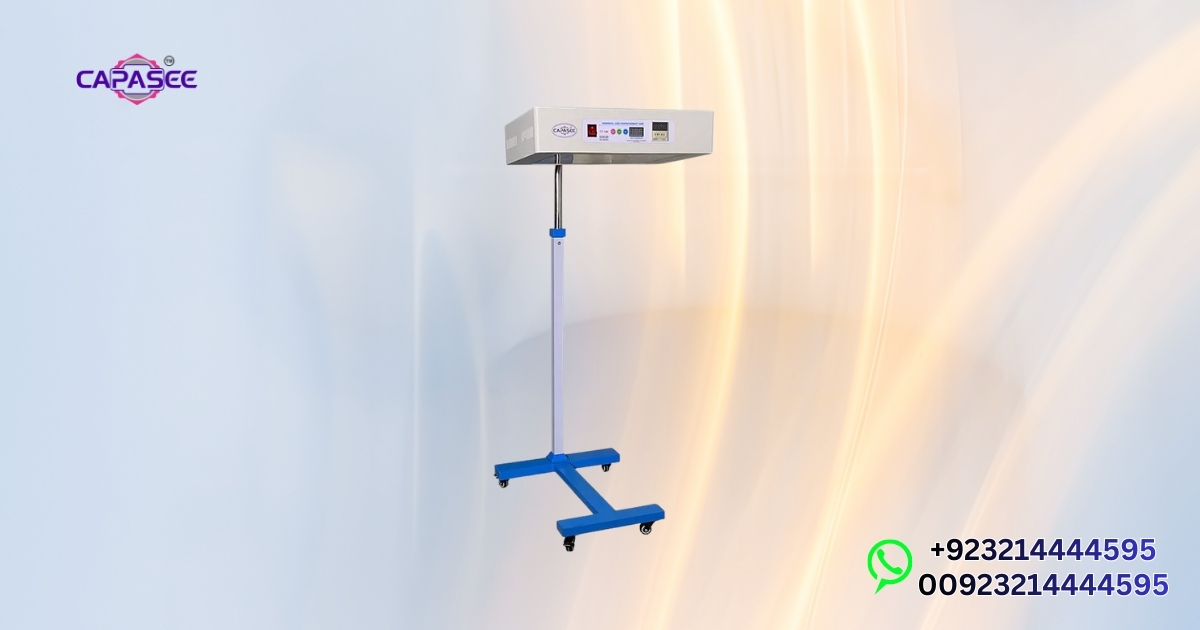
Several hospitals in Pakistan have confidence in Capasee double light phototherapy in rapid serum bilirubin elimination. The units also offer double surface phototherapy and enhance recoveries of healthy, term based neonates and late preterm neonates that have non hemolytic jaundice.
The therapy is able to speed up the bilirubin fall rate by employing high levels of irradiance, and minimizes exchange transfusion. These units reduce the time taken in phototherapy, reduce the cost of treatment, and provide safe care to neonatal patients.
Top Features for Intensive Care
Capasee double light phototherapy units have superior facilities such as cylindrical intensive phototherapy and adjustable light emitting diodes. They are useful in controlling the total serum bilirubin and bilirubin concentration among infants of different gestational ages.
The design provides homogeneous double surface phototherapy. Side effects like loose stool side effect are reduced in babies. Reduction of length of stay is experienced in hospitals, and parents receive safe, fast, and effective treatment.
Trusted Neonatal Solutions in Pakistan
We offer reliable solutions for neonatal hyperbilirubinemia in Pakistan. The units guarantee rapid serum bilirubin elimination, reduced phototherapy, and safe management of healthy term babies and late preterm newborns.
These machines also promote simple hyperbilirubinemia and non hemolytic jaundice, which give consistent results and the level of irradiance. The benefits of this to hospitals are reliable therapy, reducing the cost of treatment, and better outcomes for babies across the country.
FAQ’s
What is double surface phototherapy?
In the treatment of neonatal jaundice, Double surface phototherapy involves lights both above and below a baby to cure the condition swifter and more successfully.
When to use double conventional phototherapy?
Doctors employ it when the bilirubin levels are high, or the single light therapy has not been sufficient to allow safe lowering.
What are the two main types of phototherapy?
These are traditional phototherapies involving a single light and a dual surface with lights on either side.
What is the most effective light for phototherapy?
LEDs emit bluish light that is the best in reducing bilirubin levels in a very short time and without any harm.
How long should a baby stay in phototherapy?
Treatment is normally continued till total serum bilirubin is within safe levels, which in most cases is 24 to 48 hours, and the baby is in condition.
Conclusion
The practical use of double light phototherapy in the treatment of neonatal hyperbilirubinemia is safe and effective in lowering bilirubin level fast in healthy term and late preterm neonates. It has a double surface phototherapy that is characterized by light emitting diodes and high irradiance levels that guarantee rapid reduction in serum bilirubin, reduced time of phototherapy, and reduced cost of treatment. One of the advantages of the system is the higher level of recovery, reduction of exchange transfusions, and the absence of side effects of loose stools in families and hospitals. All in all, it is important to note that double light phototherapy is effective and safe in providing neonatal care and, therefore, a necessary solution to the safe and effective management of jaundice.