Blog
Bilirubin Phototherapy Light

When you get here, you are likely to be worried, puzzled, or simply bored searching on the internet with medical jargon that is not very human friendly. Perhaps a doctor had said bilirubin phototherapy light, and then your head was full of questions. Is it safe? Does it really work? Even simple words may be heavy when it comes to a baby or a loved one.
In this blog, we are going to take you through bilirubin phototherapy light in a straightforward, easy manner without the medical jargon. You will find out what it is, why doctors use it, and how it is helpful in decreasing the bilirubin levels. We are going to take them step by step, and we are going to explain it with real life examples that actually make sense. You will be knowledgeable, empowered, and have the motivation to move forward at the conclusion.
What Is Bilirubin Phototherapy Light?
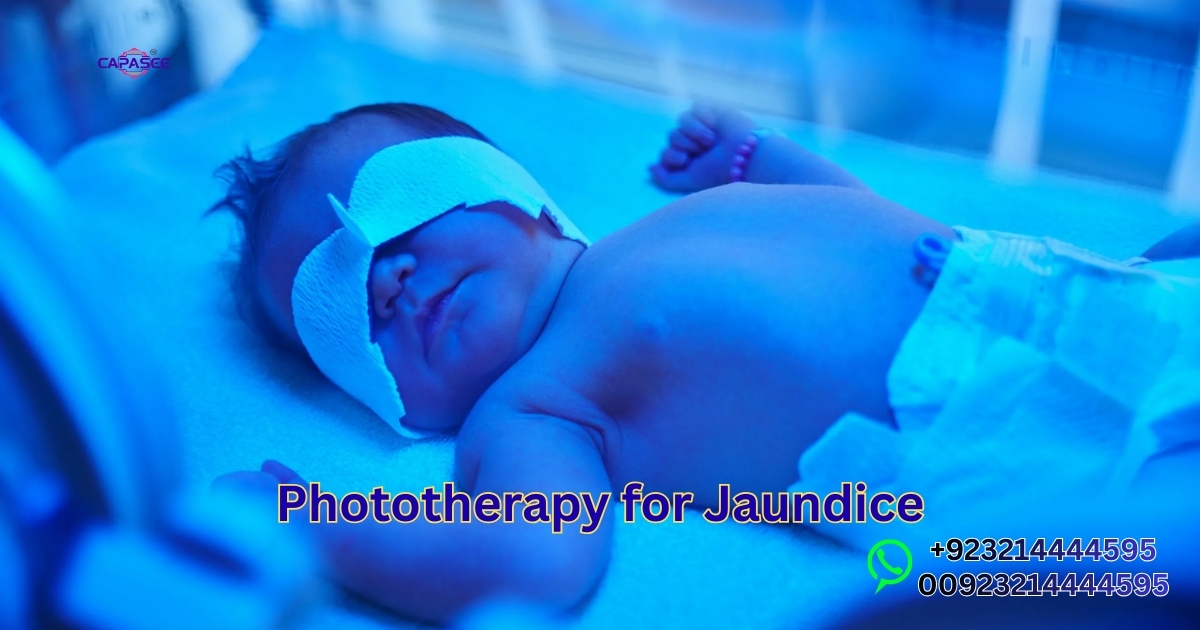
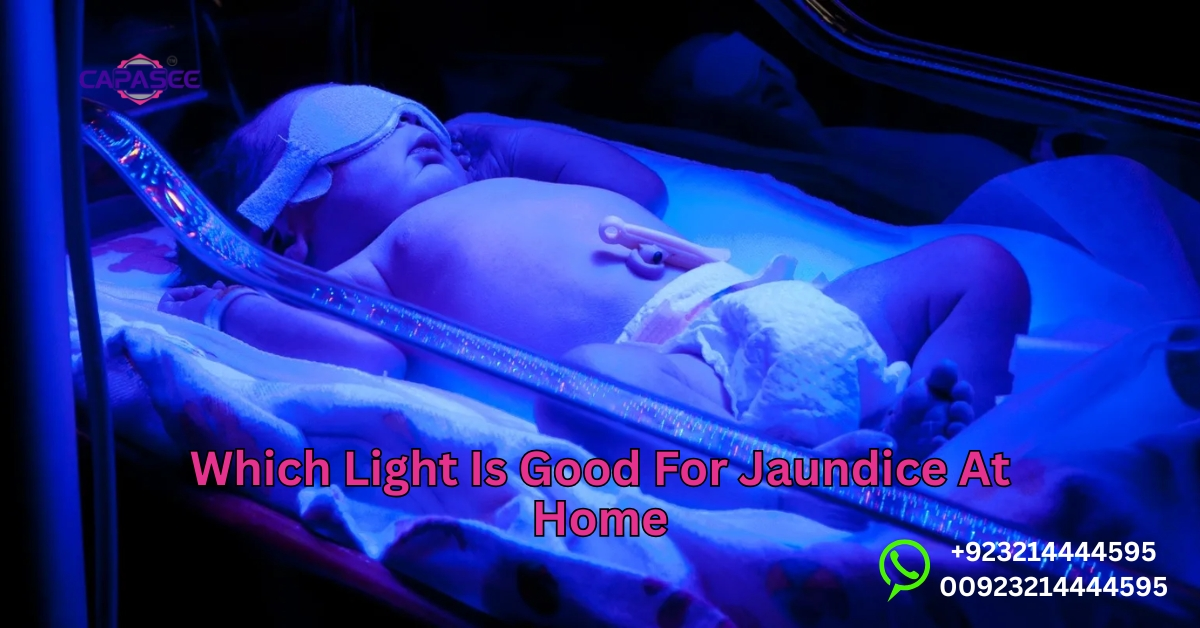
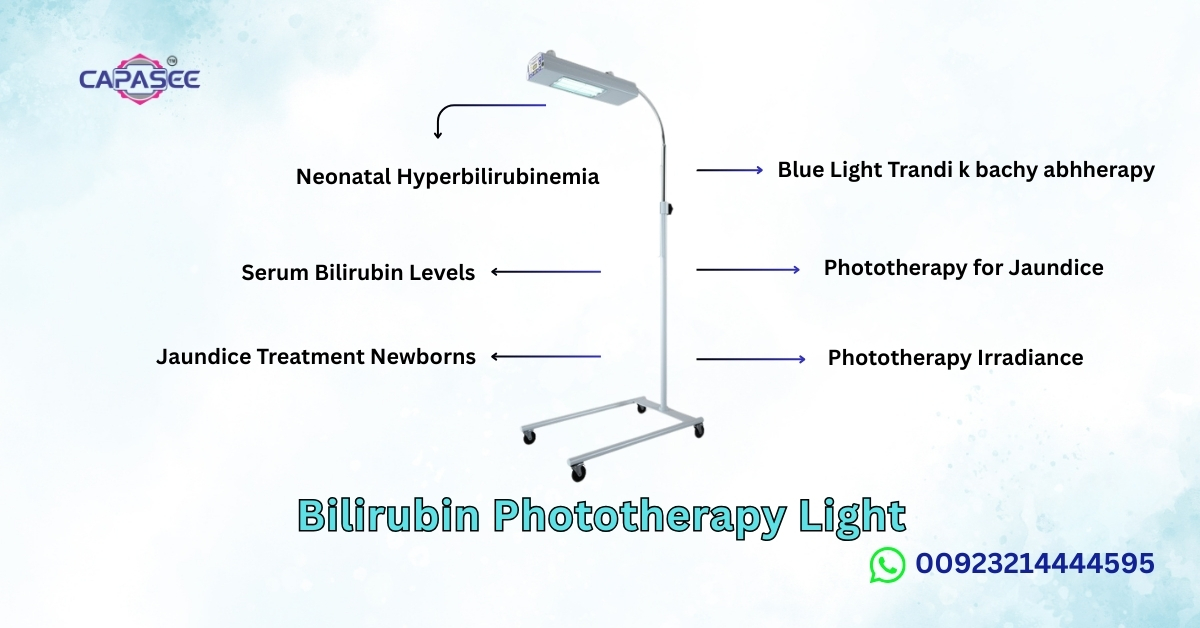
Bilirubin phototherapy light is a medical procedure that involves the use of light therapy that uses blue light to lower serum bilirubin levels in infants. It breaks down the toxic bilirubin into bilirubin isomers, which are easily soluble in water.
In Pakistan, hyperbilirubinemia phototherapy in hospitals is utilized to manage neonatal jaundice. The irradiance of phototherapy and light wavelength between 450-490 nm are critical in the total bilirubin decrease and safe therapy.
Jaundice Treatment Light for Newborns
Phototherapy in jaundice aids fast healing of infants since serum total bilirubin is reduced. Treatment of newborn bilirubin in the presence of jaundice light is safe and effective in most instances.
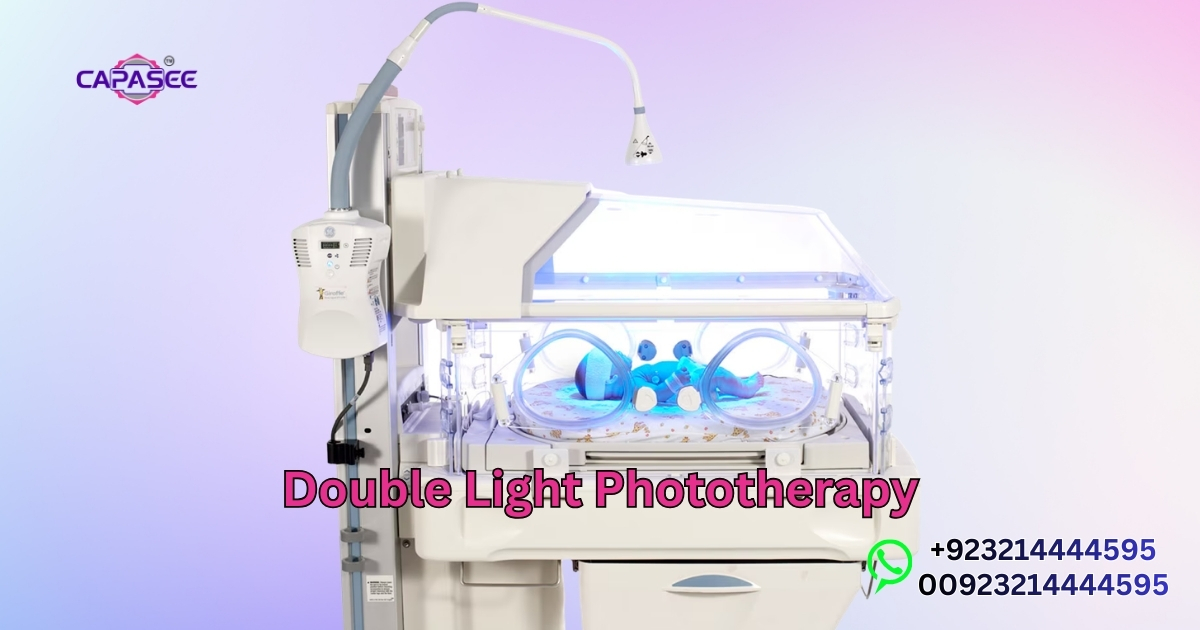
In order to guarantee high light therapy efficacy, doctors keep track of phototherapy time and the spectrum of absorption of bilirubin. Risk minimization and fast recovery with the help of proper neonatal phototherapy units.
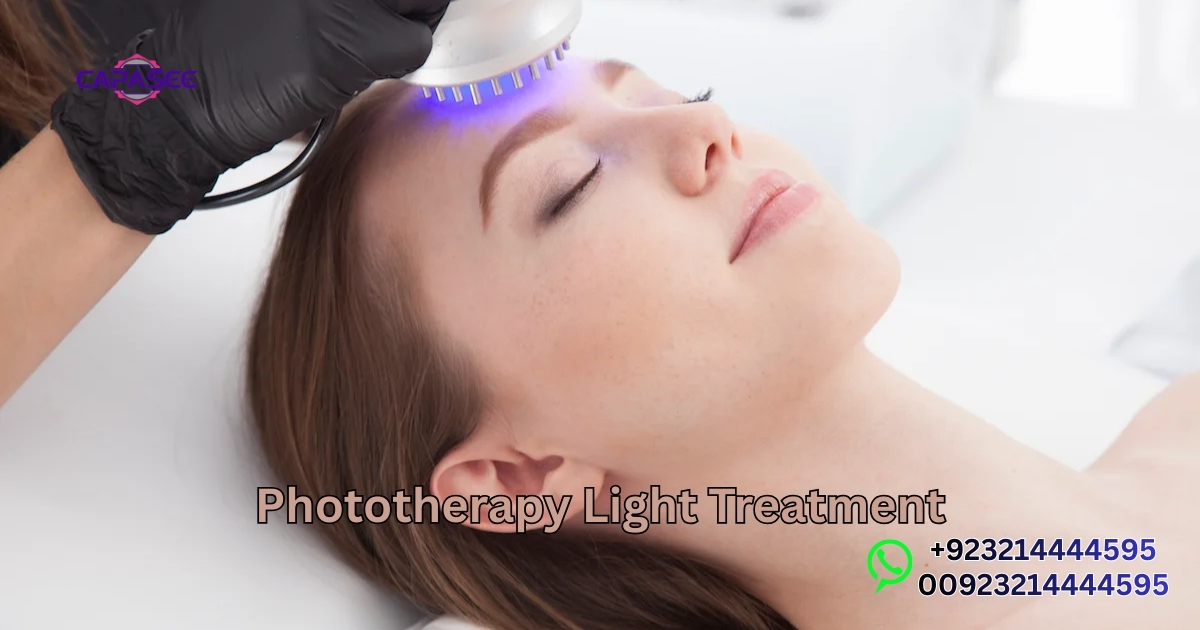
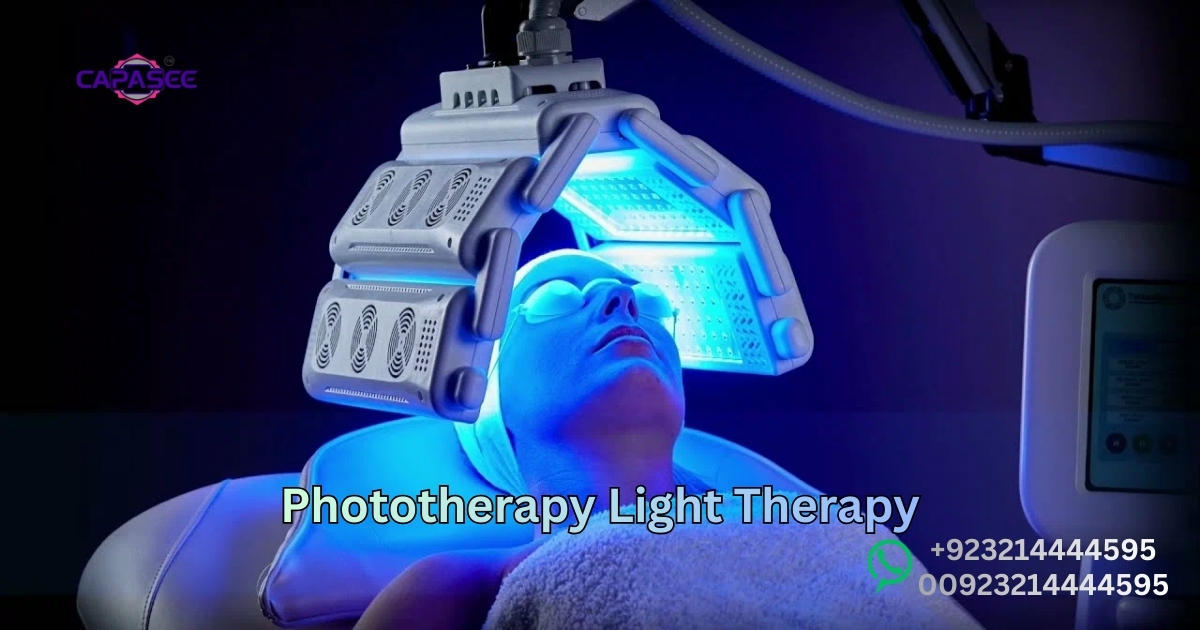
You May Also Read This Blog: Phototherapy Light Treatment
Phototherapy Lamp for Hyperbilirubinemia
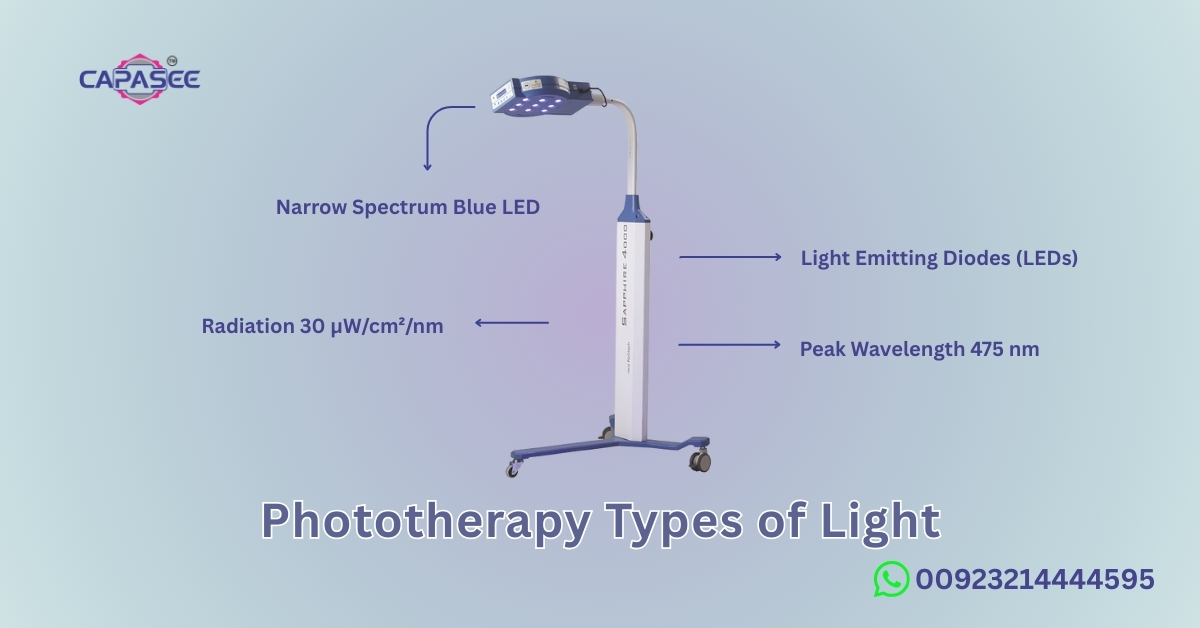
The light wavelength of 450-490 nm is used in modern light therapy lamps of bilirubin phototherapy light to achieve the highest rate of bilirubin reduction. The management of hyperbilirubinemia is enhanced when the irradiance of phototherapy is optimised for each infant.
The process of neonatal jaundice treatment depends on the regulated phototherapy period. The lamps generate bilirubin isomers that are water soluble, and this way reduces total bilirubin much more quickly and safely than other methods.
Top Benefits of Capasee Bilirubin Lights
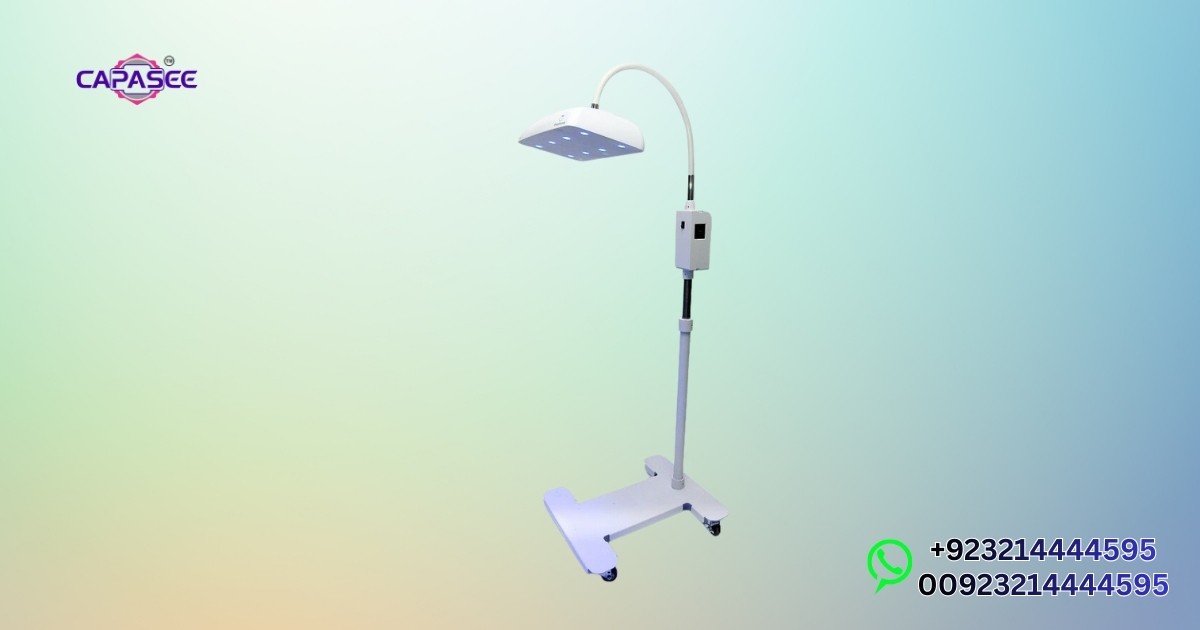
Capasee bilirubin lights are excellent sources of phototherapy with high phototherapy irradiance of total bilirubin. They are reliable in the treatment of neonatal hyperbilirubinemia in Pakistan because of the effectiveness of light therapies.
These lights are safe and effective in terms of jaundice light exposure and normal levels of serum total bilirubin. The possibility of controlling the phototherapy time and adequate bilirubin absorption range ensures the newborn’s bilirubin treatment at low risk.
Neonatal Jaundice Phototherapy Pakistan
In Pakistan, hyperbilirubinemia phototherapy is done through neonatal jaundice phototherapy. Infants who receive phototherapy to treat jaundice are put in controlled bilirubin phototherapy light conditions.
Physicians oversee the level of serum bilirubin, the amount of phototherapy, and the spectrum of bilirubin absorption. Effective application of neonatal phototherapy units guarantees effective total bilirubin and quick recovery.
Safe LED for Baby Jaundice Relief
Safe LED phototherapy assists in decreasing the total bilirubin in the serum but does not overheat the baby. Blue light therapy forms bilirubin isomers, which are water soluble and dissipate out of the body.
In Pakistan, modern bilirubin phototherapy light can be relied on by parents in cases of neonatal hyperbilirubinemia. The rate at which bilirubin is reduced with controlled light exposure to jaundice and optimal irradiance of phototherapy is safe and effective.
Table: Key Features of Bilirubin Phototherapy Light
| Feature | Description | Benefit |
| Light Wavelength 450-490 nm | Optimal blue light | Fast total bilirubin reduction |
| Phototherapy Irradiance | Adjustable intensity | Higher bilirubin reduction rate |
| Safe LED Technology | Low heat | Safe newborn bilirubin treatment |
| Phototherapy Duration | Timed sessions | Efficient hyperbilirubinemia management |
CFL vs LED Phototherapy in Pakistan
Bilirubin phototherapy light is of both CFL and LED types. CFL bulbs are effective, whereas LED lights have higher phototherapy irradiance, quicker total bilirubin, and longer life in the treatment of neonatal jaundice.
LEDs control accurate light wavelength 450-490 nm. They produce isomers of bilirubin that are water soluble. The hospitals in Pakistan are willing to use LED in neonatal hyperbilirubinemia, phototherapy time, and a higher rate of bilirubin reduction during phototherapy of jaundice.
Capasee LED Bilirubin Lights Edge
Capasee LED bilirubin lights offer high phototherapy and better light therapy. In the case of bilirubin treatment of the newborn, they are efficient in the conversion of serum bilirubin to water soluble bilirubin isomers.
These lights assist in jaundice light control and accurate bilirubin absorption spectrum. The use of Capasee LEDs in neonatal phototherapy units provides credible control of hyperbilirubinemia with quicker total bilirubin control of infants in Pakistan.
Energy Efficient Newborn Treatment
This is because LED bilirubin phototherapy light consumes less energy and is used to treat neonatal hyperbilirubinemia. It is not cost reduction that occurs in hospitals when phototherapy is used to treat jaundice; there is no reduction of phototherapy time or bilirubin reduction rate.
The LEDs that are energy efficient also ensure the right wavelength of light, 450-490 nm, which is safe when used to treat newborn bilirubin. Newborns receiving jaundice treatment receive regular care with the maximum effectiveness of the light therapy and minimum overheating.
Check More & Purchase: Our Products
LED Bilirubin Lights Price in Pakistan
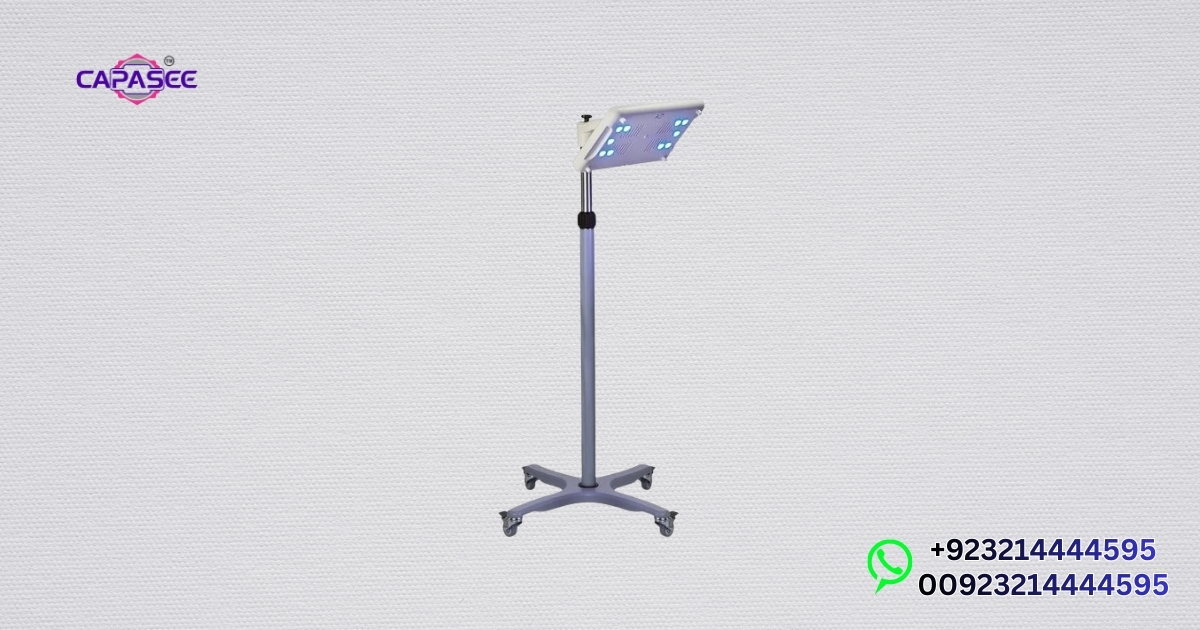
LED bilirubin phototherapy light has become a necessity in the treatment of neonatal hyperbilirubinemia and high serum total bilirubin in newborns. In Pakistan, small units of blue light phototherapy are sold online at about PKR 12,000 to PKR 34,000, simple phototherapy devices, providing basic phototherapy use at home against jaundice at low prices. The cheaper units are also useful in the rate of bilirubin reduction by providing appropriate jaundice light exposure and the efficacy of safe light therapy even outside hospitals.
Neonatal phototherapy units that are used in clinics and hospitals have high phototherapy irradiance and the optimal light wavelength of 450-490nm. The prices vary between PKR 50, 000 and PKR 200, 000 and above, depending on the power and features of hyperbilirubinemia phototherapy. The LEDs of higher quality can sustain higher levels of total bilirubin reduction, regulated phototherapy time, and a healthier spectrum of bilirubin absorption in newborn care in large towns such as Karachi and Lahore.
Baby Phototherapy Machine Cost Guide
The prices of the neonatal phototherapy units depend on the efficacy of light therapy and the duration of phototherapy. Pakistan Standard LED machines are cost effective in terms of performance in newborn bilirubin therapy.
Capasee LED units offer bilirubin phototherapy light, which is very durable. They enhance the serum total bilirubin, facilitate phototherapy of jaundice, and ensure optimum bilirubin reduction rate in the hospitals and clinics across the country.
Capasee Affordable Jaundice Solutions
Capasee provides affordable bilirubin phototherapy lights as a treatment of jaundice in newborns. They have LED units that assure safe management of hyperbilirubinemia with appropriate phototherapy irradiance and bilirubin absorption spectrum.
In Pakistan, Capasee LEDs are used by parents and hospitals to quickly lower the total bilirubin levels. Neonatal phototherapy units have the best phototherapy time and offer effective light therapy outcomes for the management of babies.
Table: LED vs CFL Phototherapy Light Comparison
| Feature | CFL | LED | Benefit |
| Phototherapy Irradiance | Moderate | High | Faster bilirubin reduction rate |
| Energy Use | Higher | Low | Energy efficient newborn treatment |
| Light Wavelength 450-490 nm | Less precise | Accurate | Safe serum bilirubin levels reduction |
| Maintenance | Frequent | Low | Cost effective neonatal phototherapy units |
| Phototherapy Duration | Longer | Shorter | Efficient hyperbilirubinemia management |
Frequently Asked Questions(FAQ’s)
What type of light is used for phototherapy bilirubin?
The treatment of lowering bilirubin safely in newborns is carried out with blue light therapy with a wavelength of 450 nm to 490nm.
Is light therapy safe for babies?
Yes, the light of bilirubin phototherapy is safe, provided the duration of phototherapy and serum bilirubin levels are monitored.
How long do babies stay under light for jaundice?
The duration of the babies under the light varies between several hours per day and 48 to 72 hours, depending on the rate of bilirubin reduction.
What are the side effects of bili light?
The majority of babies exhibit mild side effects such as redness of the skin or sensitivity in the eyes, which clear after medication.
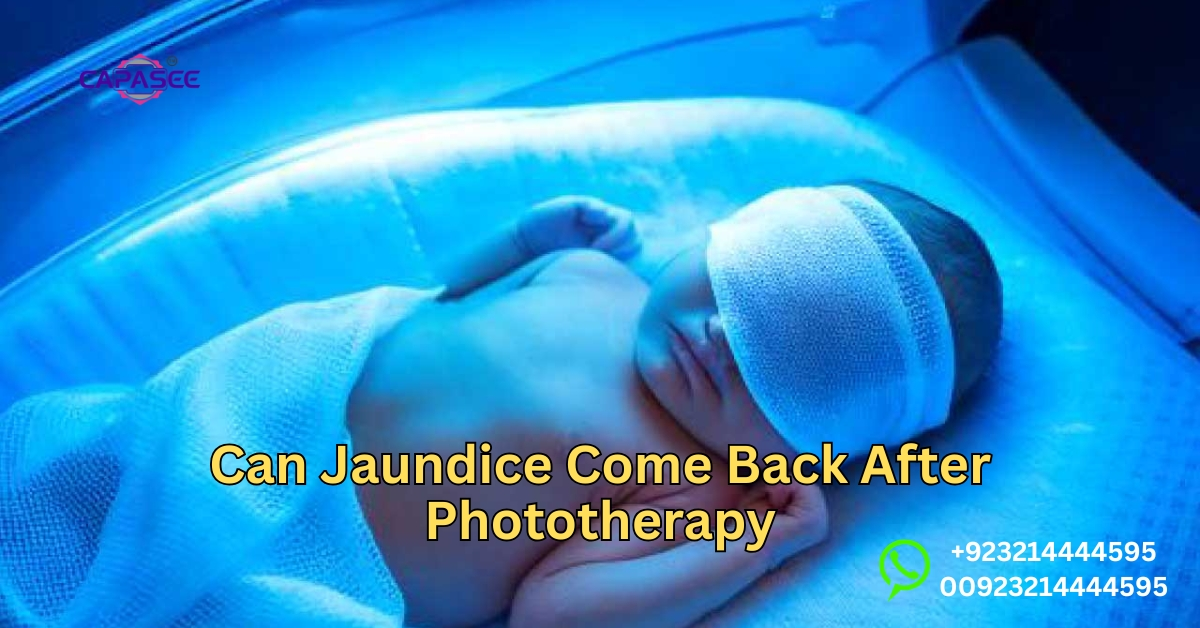
Can jaundice come back after light therapy?
Yes, it is possible to reappear with jaundice in case serum bilirubin levels increase once more; however, neonatal phototherapy units can safely work with jaundice the second time.
Conclusion
Bilirubin phototherapy light is a safe and effective remedy in controlling neonatal hyperbilirubinemia among newborn babies. It operates by transforming toxic amounts of serum bilirubin to bilirubin isomers that are soluble in water, allowing the babies to heal fast with the use of phototherapy in jaundice. In Pakistan, hospitals and houses employ LED units whose light wavelength is 450 nm to 490 nm, which is a very specific and controlled phototherapy period and corrects jaundice light exposure to make sure that total bilirubin reduction is safe and rapid. Neonatal phototherapy units of the modern world have ensured adequate light therapy efficacy, high bilirubin reduction rate, and low side effects. When parents and caregivers select the appropriate bilirubin phototherapy light, they will be able to feel assured that infants will be properly taken care of in terms of safe management of neonatal jaundice.