Blog
Distance Between Baby and Phototherapy Light

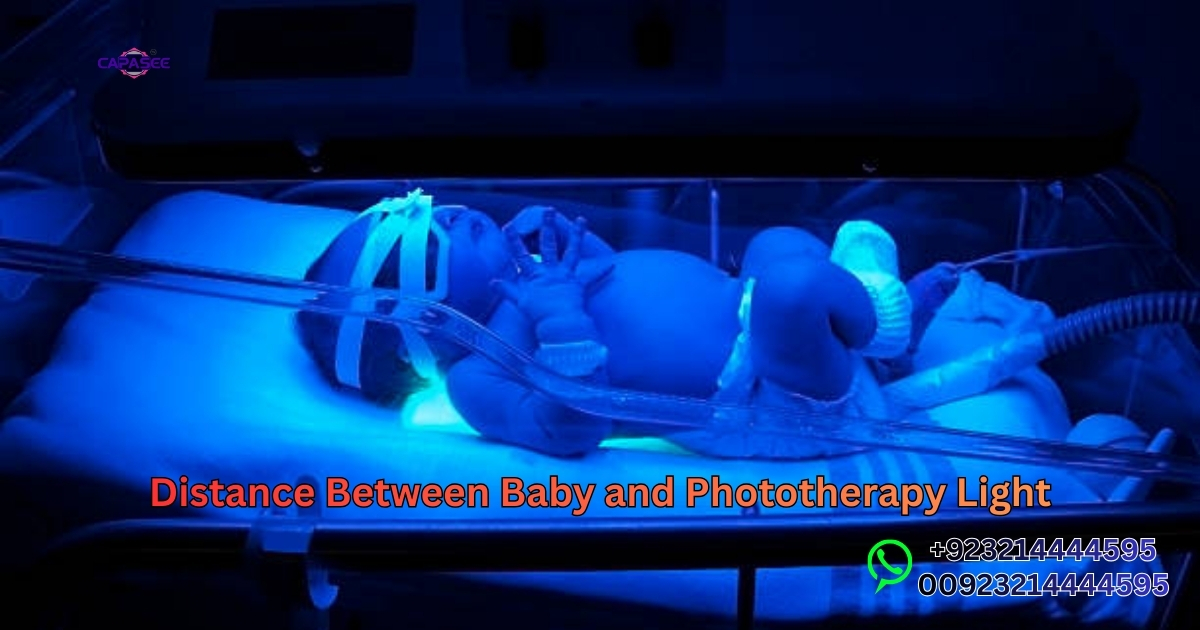
The process of taking your newborn home must be peaceful and happy. Then a physician talks of phototherapy for jaundice. You suddenly begin to seek and ask questions about every minute thing. What comes to mind repeatedly is the question of the distance between the baby and the phototherapy light. It may look easy, but most parents are left puzzled and concerned about making the wrong choice.
This guide demystifies such worry in simple, straightforward steps. You will get to know the safe distance between baby and phototherapy light, the importance of this distance, and the way it is normally installed in hospitals. Simple examples will assist you along the way, giving you a picture of what is happening. You will be reassured and confident at the end of it concerning the treatment of your baby.
Distance Between Baby and Phototherapy Light
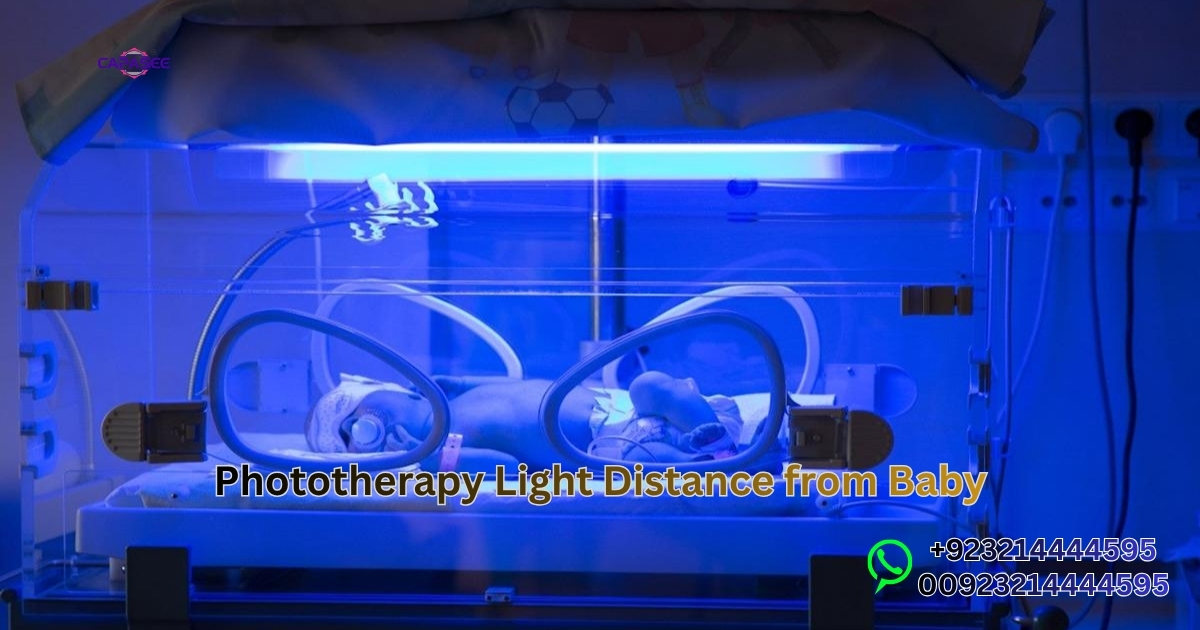
The right spacing between the baby and phototherapy is extremely critical in the treatment of jaundice. Maintenance of the optimal distance between baby and phototherapy light will guarantee that serum bilirubin reduction is done safely. Parents tend to standardize the light distance between the baby so that it does not overheat or cause any skin-related issues. The wrong distance will decrease the effective phototherapy irradiance and slow healing. In Pakistan, the majority of the hospitals prescribe the change of the light based on the comfort and the neonate’s body level.
Parents have to be informed that the interval between infant phototherapy is as important as the time. The neonate bilirubin right gap assists in quicker treatment, keeping the baby’s eye protection in consideration. The recommended distance between baby and phototherapy light is a good measure to minimize the risks, taking into account that the therapy is effective. Numerous studies indicate that appropriate neonatal light positioning enhances outcomes and minimizes stress levels of the baby and parents.
Recommended Distance Bili Light Baby
In the case of a newborn baby, the distance between baby and phototherapy light should be between 30 and 45 cm. This separation is very safe, and also, the maximum exposure is achieved by the distance from the source of the light. There are units where 20 cm is compared with 40 cm, and the findings indicate that 40 cm is more effective and does not overheat the skin. Spacing of infant phototherapy is correct to make sure that serum bilirubin is lowered within a reduced time.
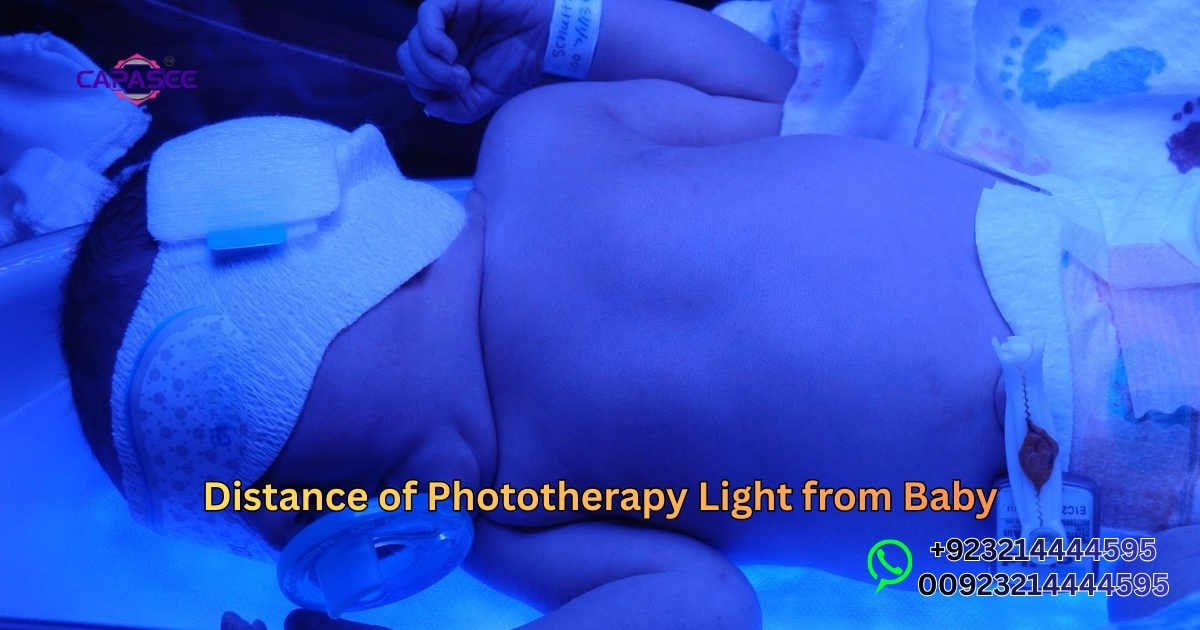
The nurses tend to check the body level of the neonate and change the height of the phototherapy lamp. This will make sure that phototherapy irradiance spreads uniformly to the skin. Baby eye protection is also used by hospitals to protect delicate eyes during treatment. It is recommended that the distance between baby and phototherapy light be maintained at the right levels to avoid skin burns and increase the comfort of the baby.
Phototherapy Light Distance 30–45 cm Explained
Most of the neonates respond to a distance between baby and phototherapy light of 30–45 cm. This distance is a compromise of safety and efficiency. During periods of overly close proximity to the light, it may create heat stress. Beyond this point, serum bilirubin deceleration occurs. It will be proper to position the neonatal light so that the treatment is effective and does not damage the baby.
At this source of light separation, the phototherapy irradiance is monitored by the doctors and nurses. The aim is to keep phototherapy at the optimum distance between the baby and the phototherapy light in order to keep the baby relaxed. Even skin exposure is also facilitated by using a neonate bilirubin light gap of 30–45 cm. The parents are advised to always test the eye protection of the baby and ensure that the height of the phototherapy lamp is the same as the neonate’s body level.
You May Also Read This Blog: 311nm Narrowband UV Phototherapy Light
Baby Phototherapy Lamp Height Guide

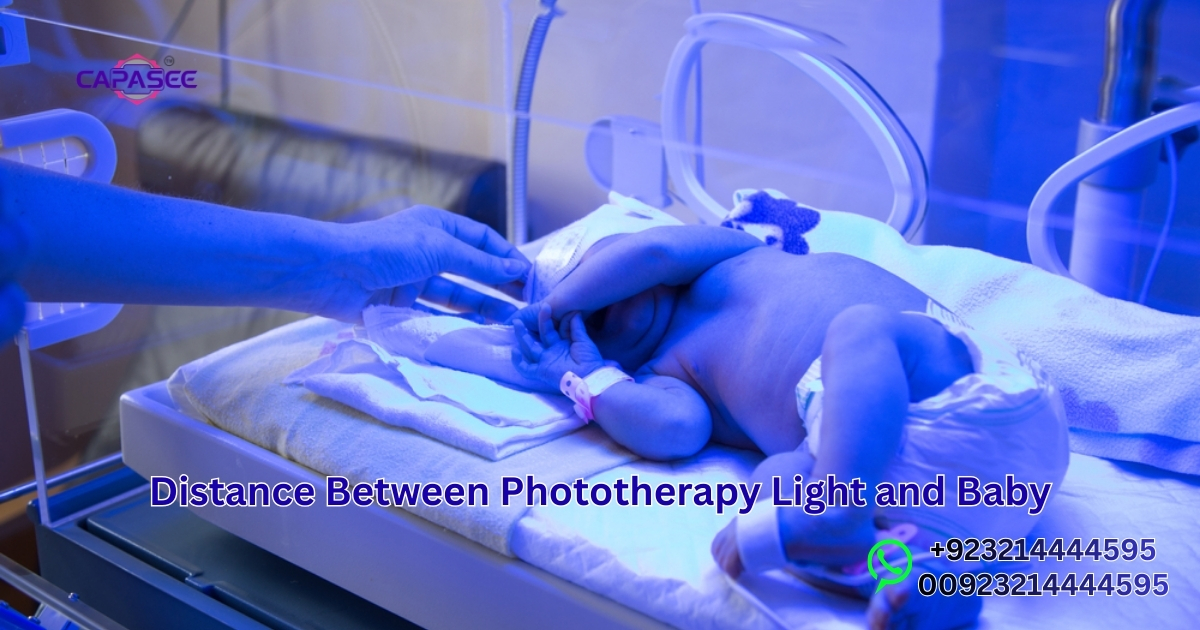
The right height of the phototherapy lamp is essential to the safety of the newborn. An appropriate phototherapy lamp height will make sure that the recommended distance between baby and phototherapy light is adhered to. The correct placement of the neonate light gap of bilirubin would ensure that the serum bilirubin is reduced without excessive heating of the baby or causing undue stress. To maximize the treatment outcome, hospitals change the light separation in the baby according to the body level of the neonate.
Parents ought to realize that phototherapy separation in infants and lamp elevation are correlated. When the lamp is excessive, the phototherapy irradiance reduces. In case it is too low, the baby may feel hot. A light positioning plan of a baby neonatal unit will help make the baby receive adequate care and, at the same time, stay secure. The eye protection of a baby should always be performed during the therapy.
Ideal Baby Phototherapy Lamp Height
The optimum height of the baby phototherapy lamp maintains the distance between baby and phototherapy light at 30–45 cm. This height ensures the optimal phototherapy distance to be used to treat the patient. A phototherapy unit distance neonate chart can be used to change the height of parents and nurses appropriately. Separate light sources will prevent serum bilirubin from being reduced unevenly and harmlessly.
Body level monitoring of the neonate and maintaining the eye protection of the baby would provide comfort and protection. The separation of light in babies is recommended to be changed often by the hospitals as the baby develops. The height of the phototherapy lamp and the distance between baby and phototherapy light in infants minimize jaundice safely and within a short time.
Phototherapy Unit Distance Neonate
Safe treatment of neonates is achieved by maintaining the proper unit distance of phototherapy. The typical light gap of neonates bilirubin is 30–45 cm apart. This guarantees good phototherapy irradiance as well as skin and eye protection. Proper placement of the neonatal lights and the correct distance between baby and phototherapy light enhances the speed of recovery and also minimizes stress on babies.
At the beginning of therapy, the parents are advised to verify the protection of the baby’s eyes and to ensure that the light sources are separated. The lamp of phototherapy should be adjusted to the level of the neonate to ensure the safety and comfort of the baby. With the recommended distance between baby and phototherapy light, there are no risks of serum bilirubin reduction occurring because it is an efficient method.
Safe Phototherapy Distance for Infants
It is highly important to ensure that the distance between baby and phototherapy light is maintained in order to ensure that the health of the newborn is not compromised. The correct optimal phototherapy distance will guarantee the reduction of serum bilirubin while protecting the baby’s eyes from being compromised. Pakistan hospitals are very specific about the body level of the neonates. Proper separation of the baby light and spacing between infant phototherapy assists in light covering the skin uniformly.
An extreme can also occur if the baby is overheated due to the light being too close. Beyond this, phototherapy irradiance reduces, retarding the outcome. The maintenance of the recommended distance between baby and phototherapy light enables effective neonatal lighting positioning. The neonate bilirubin light gap is also observed by doctors to optimize treatment and provide comfort.
Safe Distance Phototherapy Infant Pakistan
In Pakistan, physicians prescribe 30–45 cm between the baby and the phototherapy unit. Comparative studies on 20 cm vs. 40 cm demonstrate that at 40 cm, there is good serum bilirubin reduction, but no skin irritation. Maintaining the correct distance between baby and phototherapy light is important for safe therapy.
The height of the phototherapy lamp should be taken care of to make the baby comfortable. Neonate body level and infant phototherapy spacing are always checked in hospitals. Separating the baby’s light properly enhances the outcomes of treating the baby and protects the eyes. Baby eye protection is necessary in each session.
Risks of Incorrect Light Distance
When the distance between baby and phototherapy light is incorrect, it may lead to skin burns, eye irritation, or slow healing. Proximity will decrease comfort and increase heat stress. Being too low reduces phototherapy irradiance. These risks are avoided by maintaining a proper neonate bilirubin light gap.
To ensure the proper recommended distance between baby and phototherapy light, the medical staff adjusts the phototherapy lamp height and light placement. Adherence to safe optimal phototherapy distance will result in the baby recovering safely and quickly. The infant phototherapy distance and eye cover of babies are monitored at all times.
Check More & Purchase: Our Products
Capasee Electro Medical Engineering Phototherapy Standards
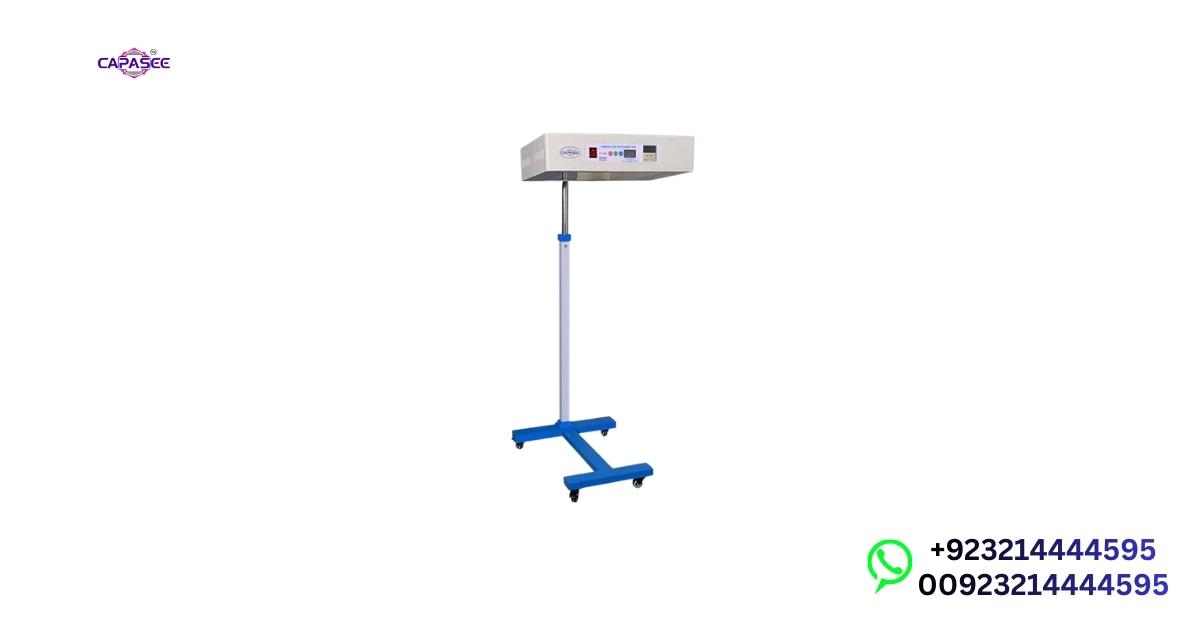
The Capasee Electro Medical Engineering companies make sure that there is a strict safety standard for all phototherapy units. Adequate separation of light sources and height of the phototherapy lamp ensures that the proper distance between baby and phototherapy light is maintained. In Pakistan, hospitals use body level guidance on neonates to achieve accurate results.
Spacing of infant phototherapy and maintaining the optimal distance between baby and phototherapy light is paramount for effective serum bilirubin reduction. Capasee units focus on neonatal light positioning and keeping the neonate’s bilirubin light gap safe and comfortable.
Capasee Electro Medical Engineering Safety Guidelines
Capasee advises maintaining 30–45 cm between the phototherapy lamp and babies. This avoids overheating and ensures phototherapy irradiance reaches the skin. Eye protection for babies is required in every treatment.
Hospitals follow the advised distance between baby and phototherapy light to maximize therapy effectiveness. Manipulating phototherapy lamp height and separation according to the neonate’s body level enhances safety and treatment outcomes. Infant phototherapy intervals are strictly observed to minimize risks.
Clinical Setup for Correct Light Distance
A proper clinical arrangement ensures no change in distance between baby and phototherapy light. Neonatal light positioning and effective serum bilirubin reduction are maintained by appropriate phototherapy lamp height. The neonate’s bilirubin light gap is regularly checked.
Technicians monitor light source separation, baby light separation, and infant phototherapy spacing. Using the maximum safe phototherapy distance minimizes risks to the baby, and eye protection is always ensured. This arrangement provides parents with a sense of security during therapy.
Frequently Asked Questions(FAQ’s)
How far should phototherapy be from baby?
It is safe and effective to maintain the phototherapy light 30 cm to 45 cm apart from the baby.
What happens if phototherapy light falls on baby eyes?
If the eyes are exposed directly, it may cause damage to the eyes, and therefore, it is important to use baby eye protection whenever phototherapy is administered.
How long should I expose my baby to sunlight for jaundice?
Gentle, brief sunlight of 10 to 15 minutes, two times a day, is safe in reducing bilirubin.
What is the normal range for jaundice in a 1 month old baby?
At one month of age, bilirubin is usually less than 12mg/dL, although variations may be looked at by the doctor.
What does a 2.5 jaundice mean?
The levels of bilirubin at 2.5 mg/dL are mild and are not usually risky, but should be monitored.
Final Thoughts
The proper distance between baby and phototherapy light is necessary to treat jaundice safely and effectively. Maintaining the light at an optimal phototherapy distance guarantees serum bilirubin reduction and protects sensitive skin and eyes. In Pakistan, parents and caregivers are advised to observe infant light separation and phototherapy spacing closely and adjust the lamp as required. Recommended neonate bilirubin light gap and neonatal light positioning ensure babies heal quicker, remain comfortable, and undergo therapy without complications. Safety and consistency are always important.