Blog
Phototherapy Light Colour


Have you ever been looking at the bright screen of your phone or computer, asking yourself whether there is a way to use light to make yourself feel better? Perhaps you have heard of phototherapy, but you do not know what the color of the light does to your health or mood. There is no use in being frustrated trying to establish what works and what does not, particularly when there is a lot of information out there.
Through this blog post, we shall explore the science of the phototherapy light colour and how it can influence your well being. We will also decompose the colours that suit the various moods and conditions, thus enabling you to select the right colour that suits you. It can be any of the following; better sleep, better focus, or a natural pack of energy. With the help of this guide, you will have all the information you need to make a wise decision. Continue to read on how simple light can be a great difference.
Blue Light Magic
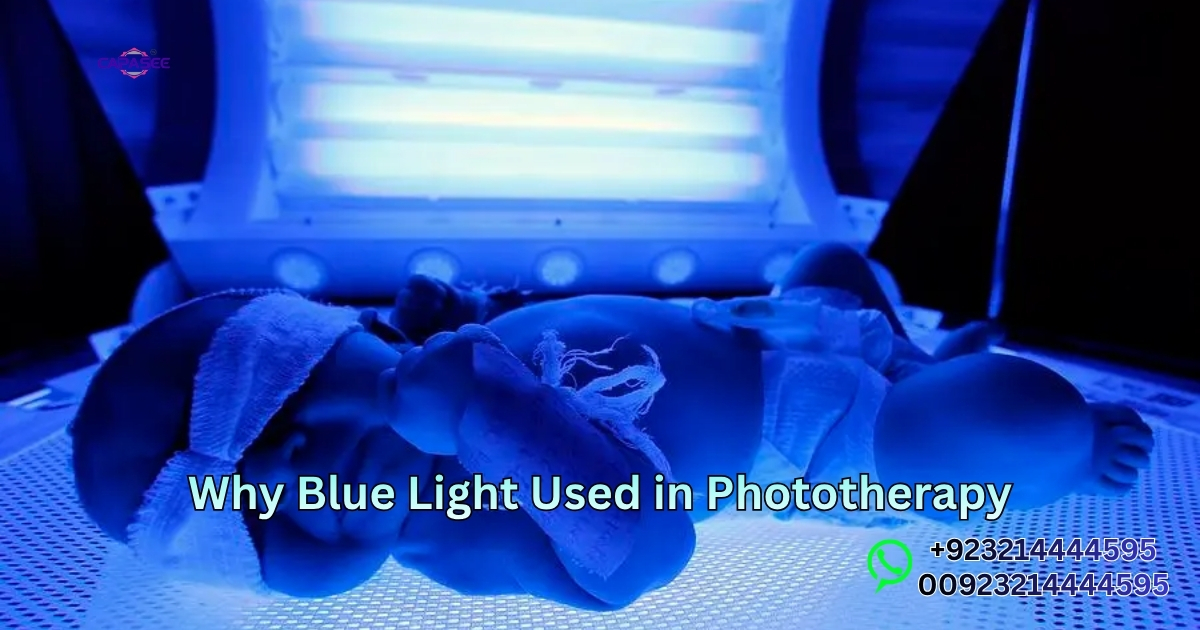
Blue light is very useful in the treatment of neonatal jaundice, making phototherapy light colour a critical factor in effective care. Bilirubin levels are lowered in newborns due to wavelength efficacy of the blue light, particularly within a range of 460 nm. This strong light initiates the production of lumirubin that breaks down the excess bilirubin in the body, thereby minimizing failure to treat hyperbilirubinemia. The ability of the light to penetrate skin is important in accessing deep into the flesh, and thus, phototherapy light colour is a good option in intensive phototherapy.
With an appropriate application, blue light phototherapy, as an effective phototherapy light colour, should prevent the complications of neonatal jaundice, such as the risk of DNA damage. It is a non invasive and easy way that yields fast outcomes. Additionally, it is evident that irradiance µW/cm²/nm of blue light, usually in the 458 nm to 475 nm spectrum, is a key factor that lowers the levels of bilirubin, reinforcing the importance of selecting the right phototherapy light colour. This renders it a vital instrument in the treatment of hyperbilirubinemia.
Newborn Phototherapy Blue Light Benefits
Blue light is very beneficial to newborns with neonatal jaundice, and phototherapy light colour selection directly impacts outcomes. The radiance of the light at 480 nm in the blue green range is spectral and contributes to the reduction of bilirubin in the skin. This is also a very useful technique as it facilitates proper wavelength efficacy to achieve the maximum amount of lumirubin, highlighting the role of phototherapy light colour. This is a fast and efficient method of bilirubin clearance that is vital in the treatment of jaundice in newborns.
The therapy involves the conversion of bilirubin to lumirubin, which is easier to process and excrete by the baby’s body, a process dependent on phototherapy light colour. This decreases the possibility of accumulating bilirubin, which may cause serious conditions such as damage to the brain or exposure to the risk of DNA damage in babies. Intensive phototherapy uses the blue light effectively and gives a simple and effective remedy to a severe issue by optimizing the phototherapy light colour.
You May Also Read This Blog: Phototherapy Light Wavelength
Why Blue Dominates Jaundice Therapy
The use of blue light over jaundice treatment is based on the ability to penetrate the deep tissues, where bilirubin is concentrated, making blue the preferred phototherapy light colour. The penetration of light on the skin enables the light to decompose bilirubin at a very high rate, as compared to other colours. It leads to better treatment of hyperbilirubinemia and eliminates such complications as the brain damage induced by bilirubin, due to effective phototherapy light colour selection.
Literature has revealed that blue light phototherapy, particularly at peak emission of 460 nm, has a significant reduction in the level of bilirubin in newborns, emphasizing phototherapy light colour relevance. This is best achieved with the wavelength efficacy of blue light, and this is the reason why blue light is a favourable treatment option compared to other colours. This type of therapy is not a new concept in Pakistan, where it has been widely applied over the years with positive results in the lives of many newborns through the correct phototherapy light colour.
Top Jaundice Lamps Pakistan
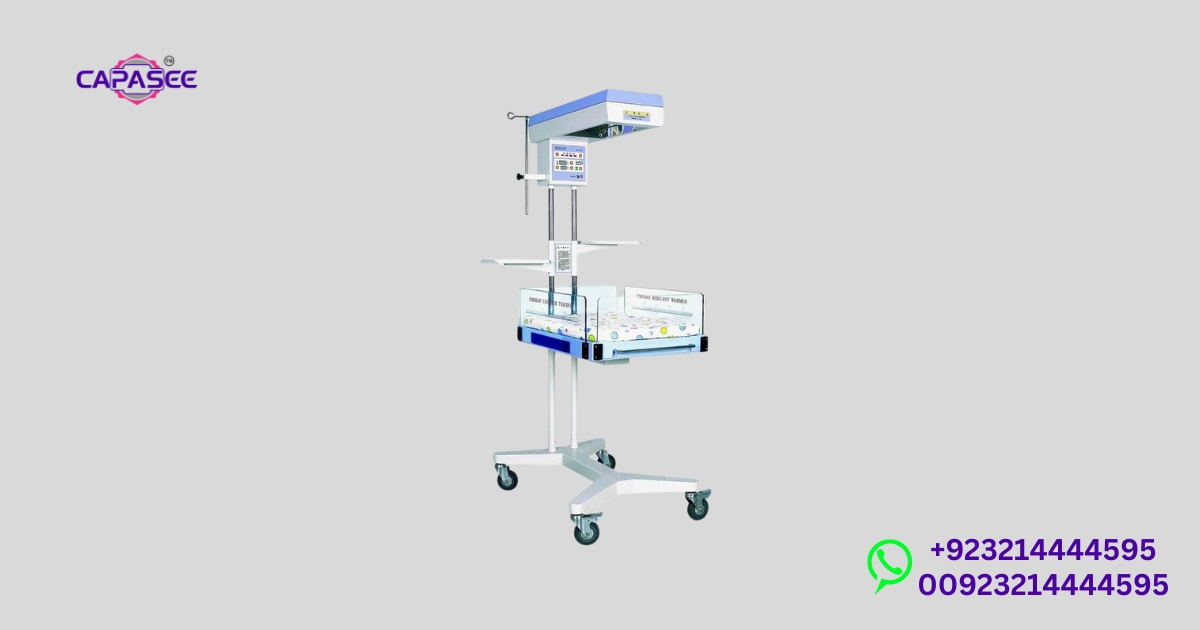
In Pakistan, it is necessary to locate the appropriate jaundice phototherapy lamp in order to make the treatment effective, with a focus on phototherapy light colour. The use of LED phototherapy lamps is quite common since they have an effective spectral irradiance and wavelength efficacy. The range of lights emitted by these lamps is 458 nm to 475 nm, which is favorable in reducing bilirubin and aligns with optimal phototherapy light colour standards. They are also safer and more comfortable solutions compared to the traditional methods.
In selecting a lamp, prefer one with a large irradiance µW/cm²/nm as this will guarantee improved penetration of the skin and increased results, alongside the correct phototherapy light colour. The use of LED phototherapy lamps in the treatment of neonatal jaundice has become popular in many hospitals and clinics in Pakistan due to their low cost and high performance of the therapy based on proper phototherapy light colour.
Jaundice Phototherapy Lamp Pakistan Picks
Pakistan has several LED phototherapy lamps, which are highly suggested in terms of jaundice treatment and phototherapy light colour efficiency. These lamps have the best spectral irradiance in order to achieve the required lumirubin production in the newborns. The most suitable are the ones that work in the 480 nm range of blue green to produce the maximum bilirubin reduction, ensuring ideal phototherapy light colour. These lamps have earned a reputation for being durable, easy to use, and also providing intensive phototherapy to jaundiced babies.
These lamps are known to be effective in wavelength, and they have high performance standards that are relied upon in hospitals across the country due to consistent phototherapy light colour output. The selection of an appropriate jaundice phototherapy lamp is a significant factor that enhances the results and helps keep the bilirubin levels of newborns at a controlled level. There are a number of choices now, and it is simpler than ever to select the most effective treatment of hyperbilirubinemia by focusing on phototherapy light colour.
LED Phototherapy Light Jaundice Edge
The advantage of LED phototherapy lights on the treatment of jaundice is that they are efficient and safe, largely due to controlled phototherapy light colour. These lights produce constant irradiance µW/cm²/nm, which is gentle but effective in bilirubin reduction. Their capacity to work at 458 nm to 475 nm enables them to easily treat neonatal jaundice without fear of DNA damage or breakdown of riboflavins, reinforcing the value of correct phototherapy light colour.
In addition, LED phototherapy lights are convenient and have low energy consumption and extended life. They are offering better wavelength efficiency, which renders them the preferred ones in the hospitals and clinics in Pakistan through consistent phototherapy light colour delivery. Newborns are given the best treatment using these lamps to prevent the complications of jaundice, which occurs when untreated, aided by proper phototherapy light colour.
Baby Blue Machines
Light colour of phototherapy has a significant role in neonatal jaundice treatment, making phototherapy light colour a decisive element. The 458 nm to 475 nm blue light phototherapy is applied on baby blue machines to aid in the efficient breakdown of bilirubin. The skin absorbs this light, and this lowers bilirubin levels within a short period of time. The LED phototherapy machines are efficient as they offer the efficacious wavelength to facilitate the penetration of the skin to achieve maximum treatment through optimal phototherapy light colour.
The highest emission at 460 nm assists in the production of lumirubin that can be easily processed and eliminated in the body, validating phototherapy light colour. Phototherapy Blue light phototherapy is a popular treatment of hyperbilirubinemia, particularly in cases of neonatal jaundice. Baby blue machines are safe and effective by aiming at the appropriate light spectrum and phototherapy light colour. The therapy is non harmful and effective, hence necessitating its use in intensive phototherapy.
Baby Blue Light Therapy Machine Guide
The light therapy machine is a baby blue, designed and specifically used in bilirubin reduction with emphasis on phototherapy light colour. It employs the blue light phototherapy at the best wavelength that has the most effective outcome of 458 nm to 475 nm. These machines provide light with the correct intensity, which provides sufficient penetration of light into the skin, with respect to spectral irradiance, and appropriate phototherapy light colour. This enables the light to penetrate the skin deeper, thus more efficiently breaking up bilirubin.
They are very efficient and simple to manipulate these machines in the treatment of neonatal jaundice due to the stable phototherapy light colour. With the help of the blue light, they facilitate the production of lumirubin so that babies can easily destroy bilirubin. The intensity of the light µW/cm²/nm is effective in enabling the jaundice to heal within a shorter time; therefore, such machines are the best option in Pakistani hospitals and clinical centers because of the reliable phototherapy light colour.
Safe Wavelengths Explained
The phototherapy light colour that is right to employ is instrumental to treatment. Blue light phototherapy is normally effective in the 480 nm blue green spectrum. The wavelength has the highest wavelength efficacy in bilirubin reduction and encourages skin penetration without any adverse side effects. The lights within this range are useful in the dissolution of bilirubin and are therefore an ideal choice in hyperbilirubinemia treatment.
Another spectral irradiance at the various depths in the skin that targets bilirubin to treat jaundice is the use of turquoise light at 497 nm. The phototherapy of blue light can be maintained in safe wavelengths, and thus there is less risk of DNA damage, loss of riboflavins, and other adverse impacts of inappropriate light therapy.
Phototherapy Light Pakistan Price Breakdown

The phototherapy light colour devices in Pakistan depend on the machine, and as such, their prices fluctuate. The most frequently used are the LED phototherapy devices; the prices may vary depending on irradiance µW/cm²/nm, and the wavelength effectiveness of the machine. More expensive models have superior skin penetration and high spectral irradiance to achieve faster bilirubin absorption.
The advanced machines have a higher purchase cost, but due to their ability to cut bilirubin, they are worth the cost. Phototherapy machines in blue light are accessible to patients due to their fast and safe outcomes. The most dominant factors that affect the cost of such devices are the amount of irradiance and the capability of offering intensive phototherapy.
Check More & Purchase: Our Products
Phototherapy Jaundice Light Price Pakistan
The cost of phototherapy jaundice light in Pakistan is different based on brand and model. Simple models include blue light phototherapy with wavelengths between 458 and 475 nm, but do not include advanced features. More exorbitant models have a superior spectral irradiance, which results in a rapid bilirubin elimination and skin penetration. Linac light therapy machines are also available in high end, with turquoise light added to enhance the treatment of hyperbilirubinemia.
Clinics and hospitals in Pakistan usually favor the machines that have a good balance between cost and performance. These machines guarantee that the irradiance of the light, or µW/cm²/nm, used to treat the neonatal jaundice is the best possible, and that the babies receive the best possible treatment with minimal exposure to the risk of DNA destruction.
Buyer’s Checklist
When buying a phototherapy light colour machine, one should make sure that the equipment offers the best irradiance µW/cm²/nm that would be effective in reducing bilirubin. The machines with blue light phototherapy at 458 nm to 475 nm are most effective in treating jaundice in infants. Spectral irradiance must be sufficient to enable deep penetration of the skin without taking much risk, such as causing damage to DNA. Test the efficacy of a machine in relation to wavelength and make sure that it is capable of producing lumirubin, which is known to assist in the breaking of bilirubin in the system of a baby.
To be even safer and more effective, search models utilizing 480 nm blue green or 497 nm turquoise light. These wavelengths have been known to treat hyperbilirubinemia better and minimize the possibility of riboflavin breakdown. The preference should be given to the machines that provide intensive phototherapy because they provide more stable spectral irradiance and can be used to treat neonatal jaundice more quickly. Accurate brands and after sales services are always to be verified to have a secure and successful treatment experience.
FAQ’s
Which color light is used in phototherapy?
Phototherapy that employs blue light is traditionally applied to cure neonatal jaundice because of its capacity to decompose bilirubin.
Which is better, red or yellow light therapy?
Deep tissue treatment is usually better done using red light, and yellow light can relax and ameliorate skin conditions, but is not as effective with jaundice.
What are the 7 colors of LED light?
The LED light has seven colors are red, orange, yellow, green, blue, indigo, and violet.
Which color light is good for jaundice?
Jaundice, a blue light is most effective in lowering the amount of bilirubin in the body.
Why is blue light used in phototherapy?
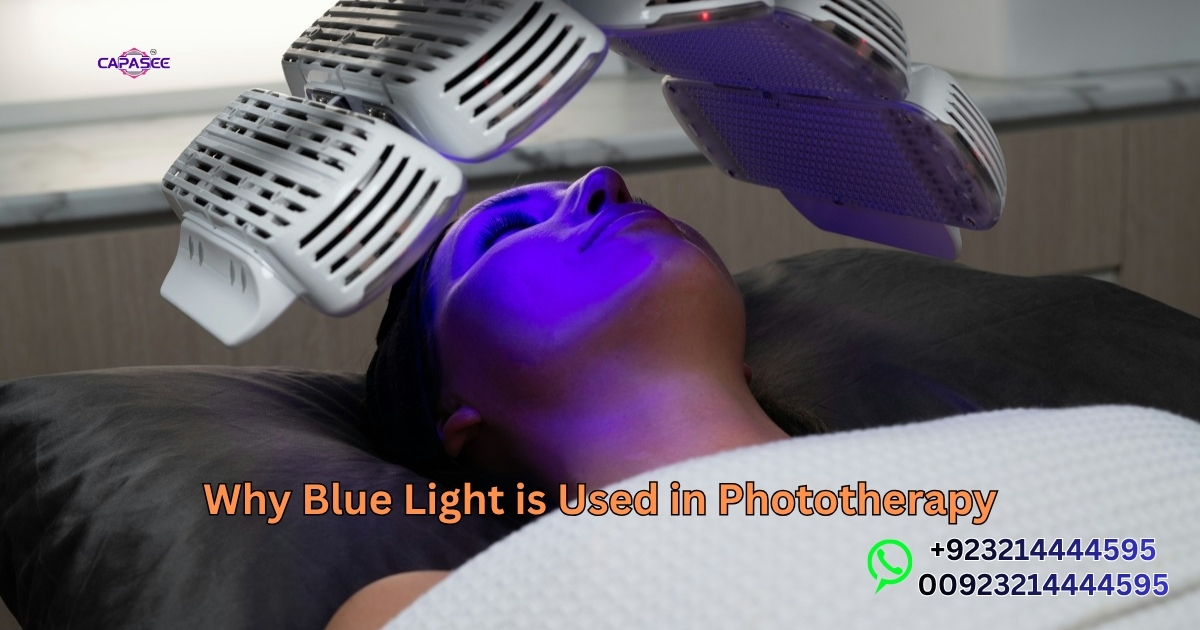
Phototherapy involves the use of blue light since the wavelength is ideal in decomposing bilirubin, which helps in the treatment of jaundice.
Conclusion
The phototherapy light colour should be considered when treating neonatal jaundice effectively. Owing to its potential to effectively dissolve bilirubin, blue light is the most commonly used, as well as the most trusted one. Efficacy and spectral irradiance of the correct wavelength are one of the factors that are important in assuring safe and rapid recovery. In need of LED phototherapy or others, always have in mind the performance of the machine, its capacity to penetrate the skin, and lumirubin generation. The focus on quality and safety will result in the most positive outcomes for babies with hyperbilirubinemia under treatment.