Blog
Light of Phototherapy

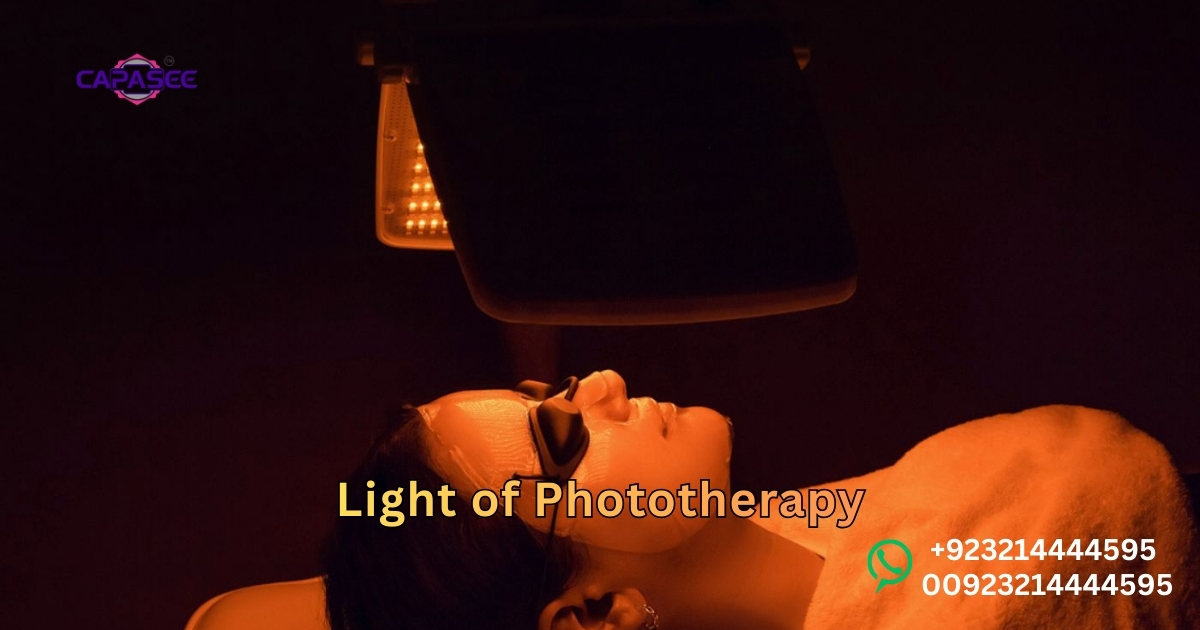
Everyone who has ever had a problem with skin issues, such as acne or eczema, is used to feeling frustrated about the inability to find a treatment that would actually help. You must have used dozens of creams and oil balms, but the effects seem short lived and you may be questioning the possibility of a better option. It is natural to be confused and not to know what can make a permanent solution using the light of phototherapy.
Well, you’re in the right place. We are going to get deep into the light of phototherapy in this blog post, which is a proven treatment that would potentially shift your perspective on skincare. We will deconstruct it, how it works and why it can be the solution you are looking for. You can read it when you have chronic skin problems or you are simply interested to learn about how phototherapy can be helpful to you through the light of phototherapy.
Phototherapy Light Essentials
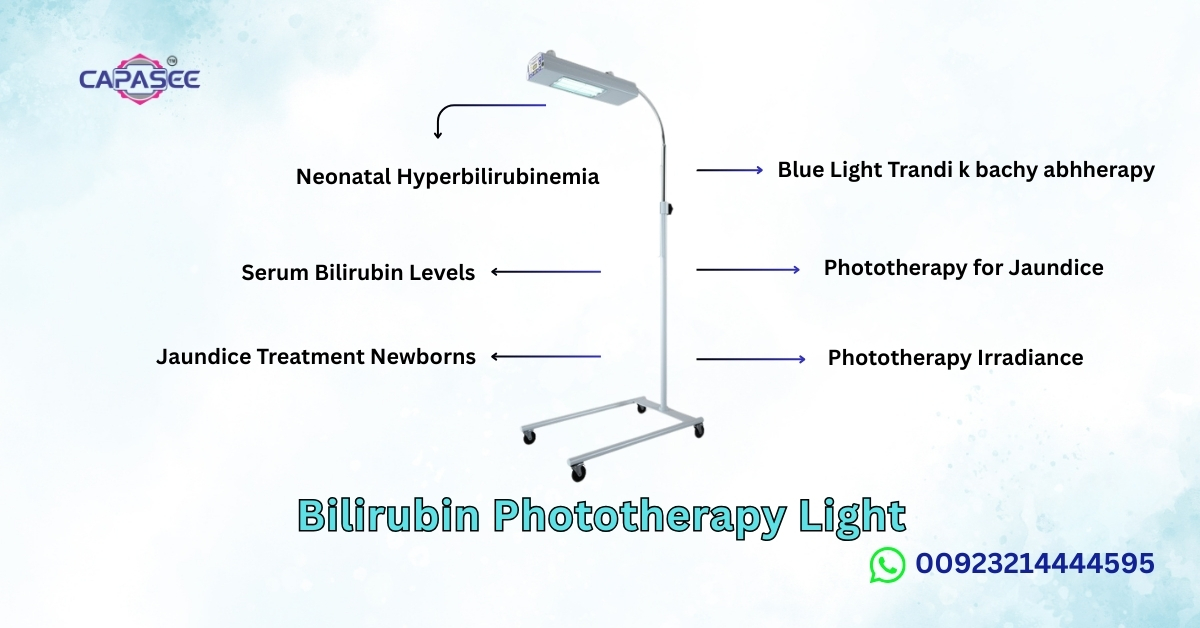
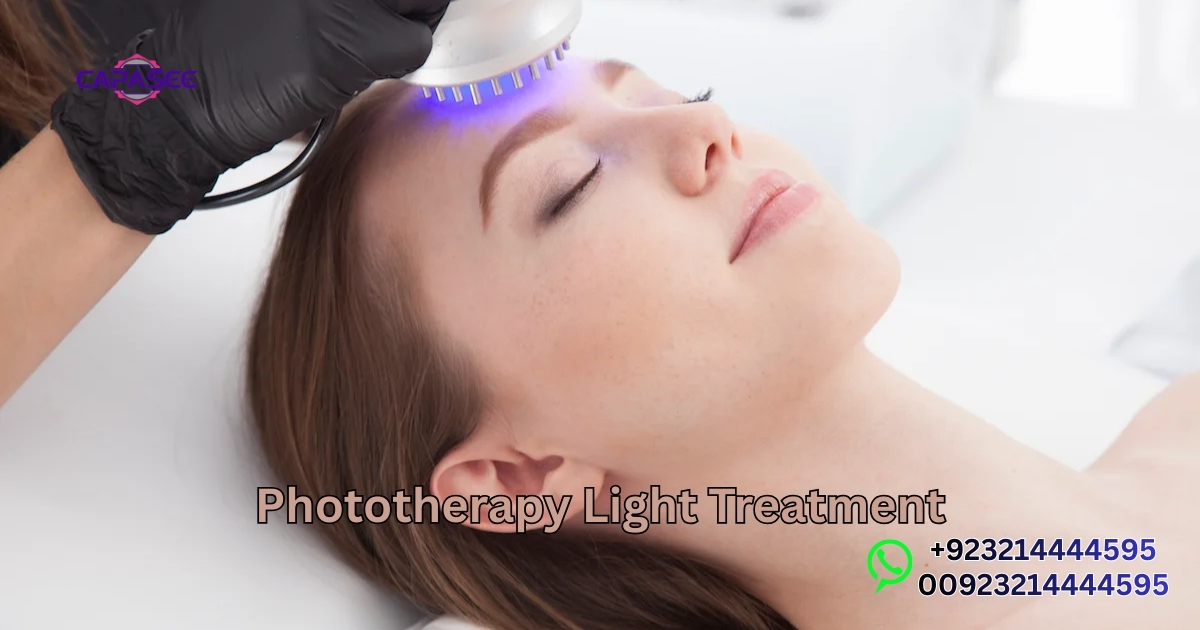
Phototherapy light is very important in the treatment of skin and jaundice, especially when using the light of phototherapy. It applies certain light colors to aid in the minimization of harmful materials in the body, such as bilirubin. The treatment is necessary in the case of such conditions as neonatal jaundice, which is common in many newborns. In phototherapy, the light acts in the dismantling of bilirubin and enables the body to eliminate it without harm through the use of phototherapy.
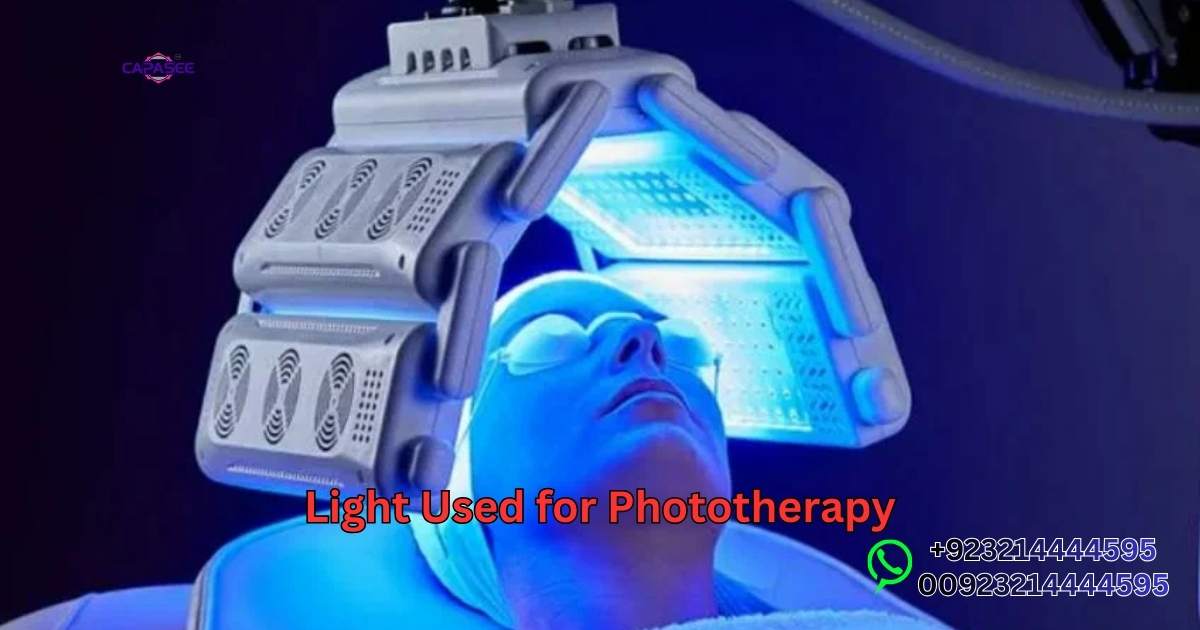
Phototherapy has different forms of lights such as fluorescent tubes, LED phototherapy and quartz halogen lamps, all used as the light of phototherapy. The most popular lights are the blue LED lights, having a wavelength of 460-490 nm. These lights are used to decrease the level of bilirubin by exposing the skin to ultraviolet light, which is very intense. The wavelength influences the bilirubin dissolution of the light of phototherapy.
What Defines Top Light of Phototherapy?
The capacity to concentrate on certain wavelengths in order to produce an appropriate treatment is the feature that renders the best light in phototherapy. Narrow spectrum blue light is one of the most effective ones. It works best at 475 nm of wavelength since it is the best wavelength where the bilirubin is dissolved. The intensity of light used, the wavelength and the length of exposure are also paramount concerns in the extent of the success of the light of phototherapy treatment.
Phototherapy has been enhanced by the use of light emitting diodes (LEDs), improving the effectiveness of phototherapy light. LEDs have stable light performance, are energy saving, and may be customized to desired wavelengths. The use of LED phototherapy is more efficient and has a longer life span than the older technology, such as the fluorescent tubes used previously as the light of phototherapy.
You May Also Read This Blog: Red Light Phototherapy
Baby Jaundice Phototherapy Light Basics
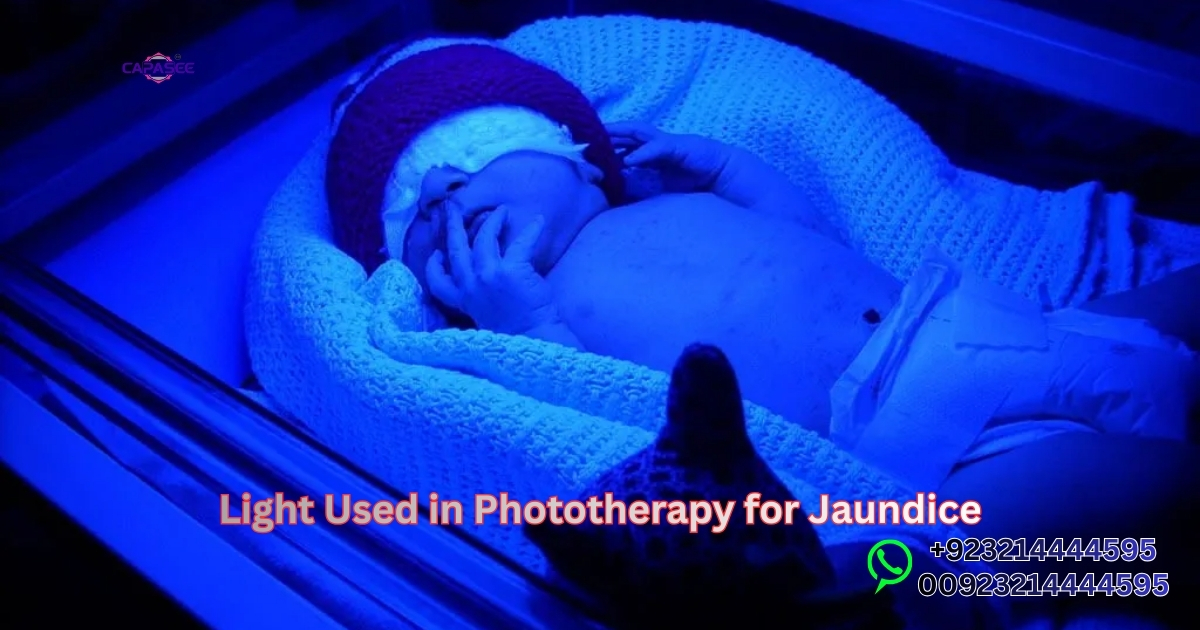
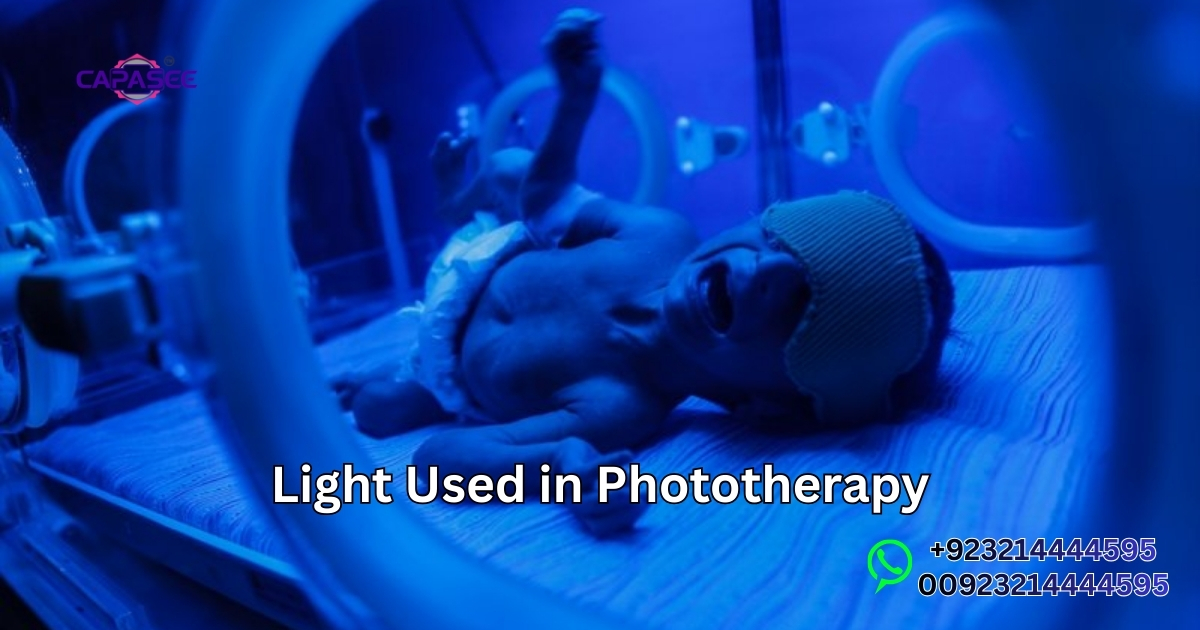
In the case of the babies with neonatal jaundice, the phototherapy light is essential to lowering the high bilirubin levels through the light of phototherapy. The light therapy is accomplished through special fiber optic blankets or fluorescent tubes, where the skin of the baby is exposed to blue light from LED. This therapy aids in the degradation of the bilirubin present in the blood, and this prevents serious diseases such as bilirubin encephalopathy using the light of phototherapy.
The AACA 2025 recommends the significance of initiating neonatal jaundice with intensive phototherapy when the level of bilirubin is excessive, emphasizing the correct use of phototherapy. Blue LED light, which has a wavelength of about 460 nm to 490 nm, is often used in intensive phototherapy and is therefore one of the most common and effective treatment methods for this condition through the light of phototherapy.
Best LED Phototherapy Unit Pakistan
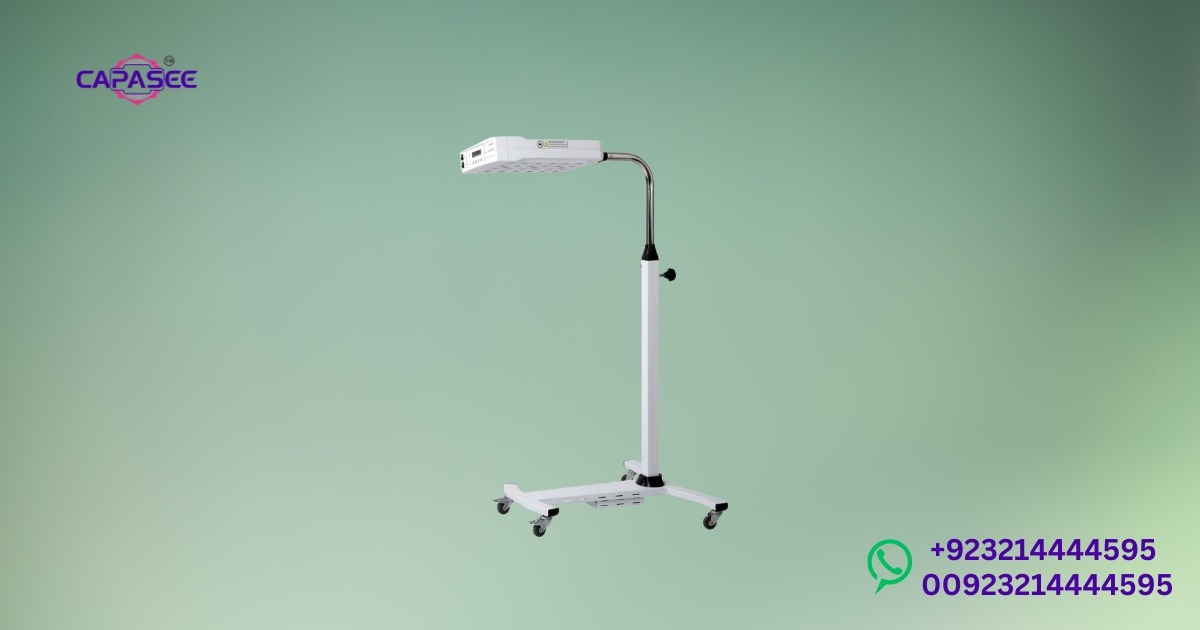
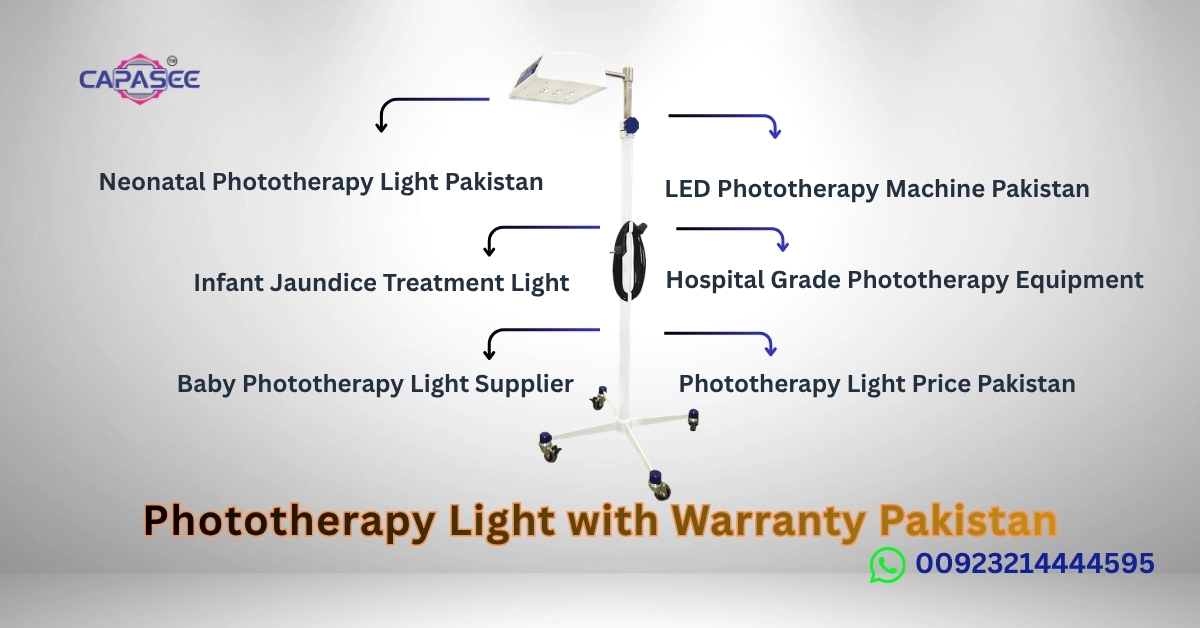
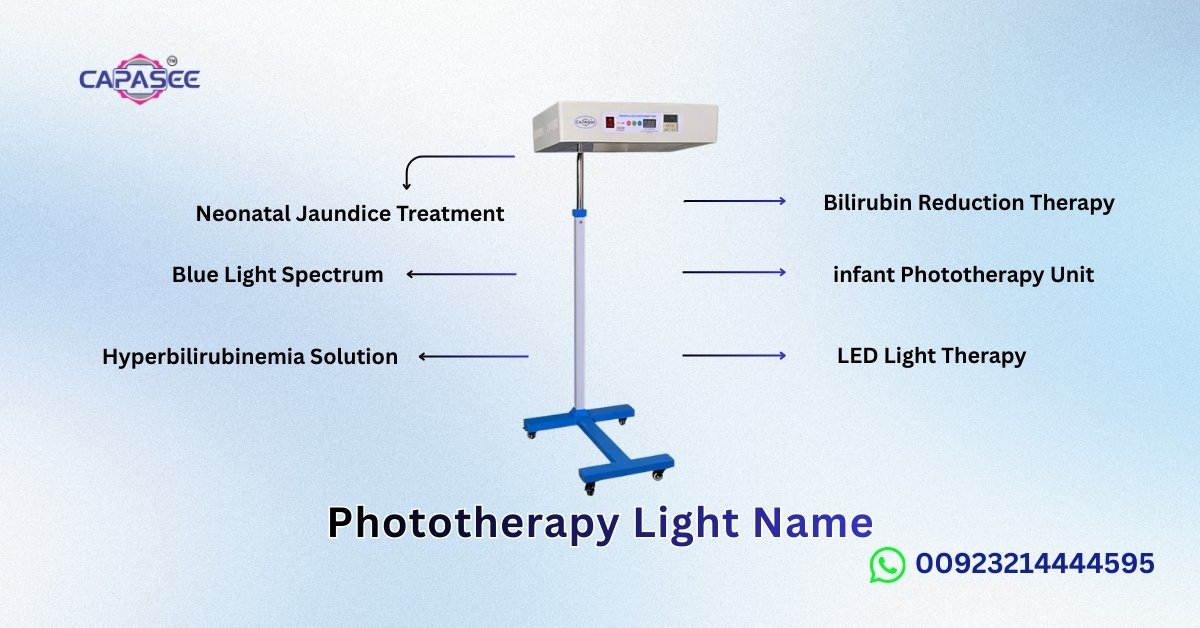
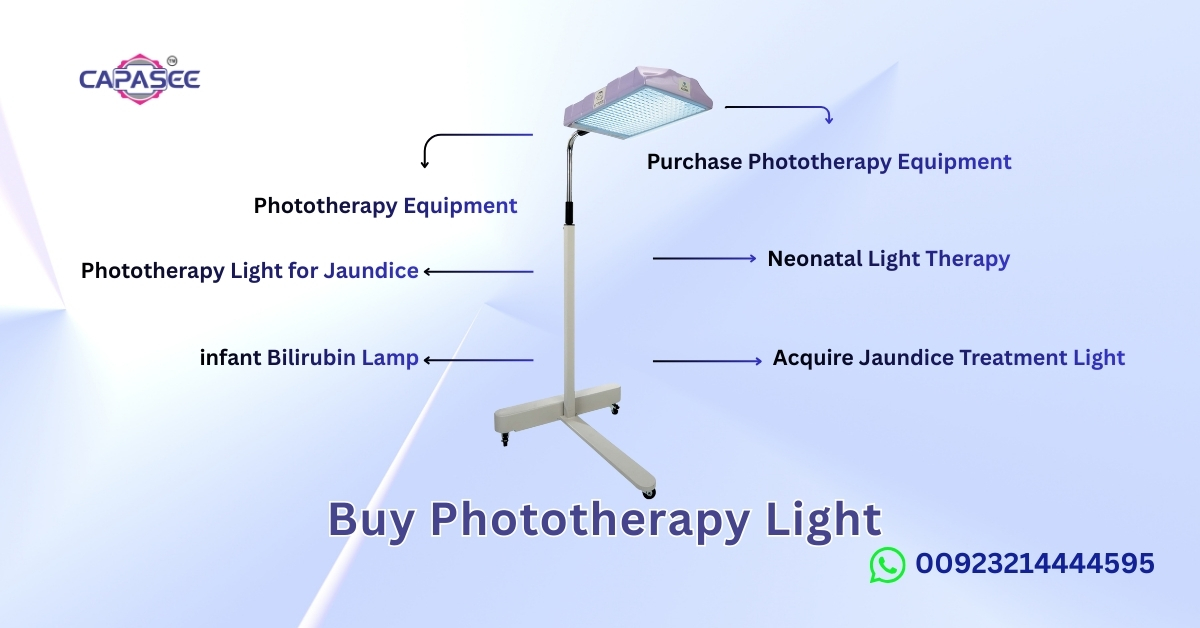
When deciding on which LED phototherapy unit is the best in Pakistan, one has to search for the gadgets that employ the latest LED phototherapy technology to deliver the optimal light of phototherapy. They are also known to be efficient and offer accurate light exposure during the treatment of different skin conditions and neonatal jaundice. These units are very helpful in lowering the level of bilirubin since they can provide blue LED light at a certain wavelength, as the light of phototherapy.
Phototherapy units of LED available in Pakistan usually tend towards easy usage and portability while maintaining effective light of phototherapy delivery. They have adjustable parameters to enable different wavelengths, such as the blue light at 415 nm and the red light at 633 nm, which can be used in targeted treatment. They are compact and can be used in the hospital environment and the home with consistent light of phototherapy.
Key Features of Neonatal Machines
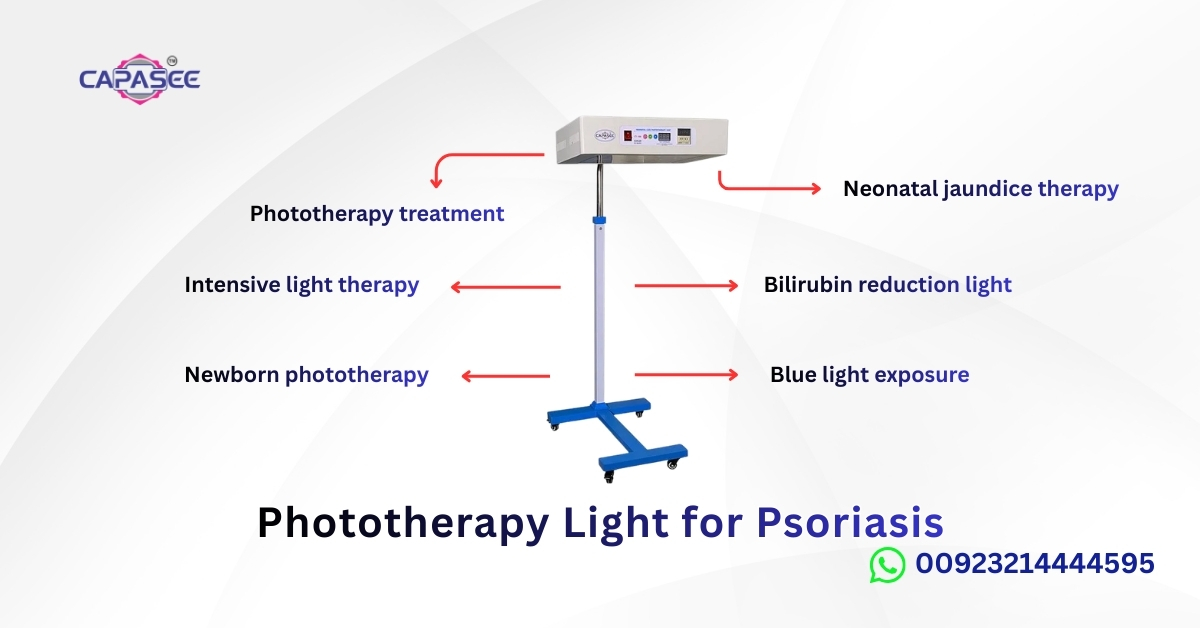
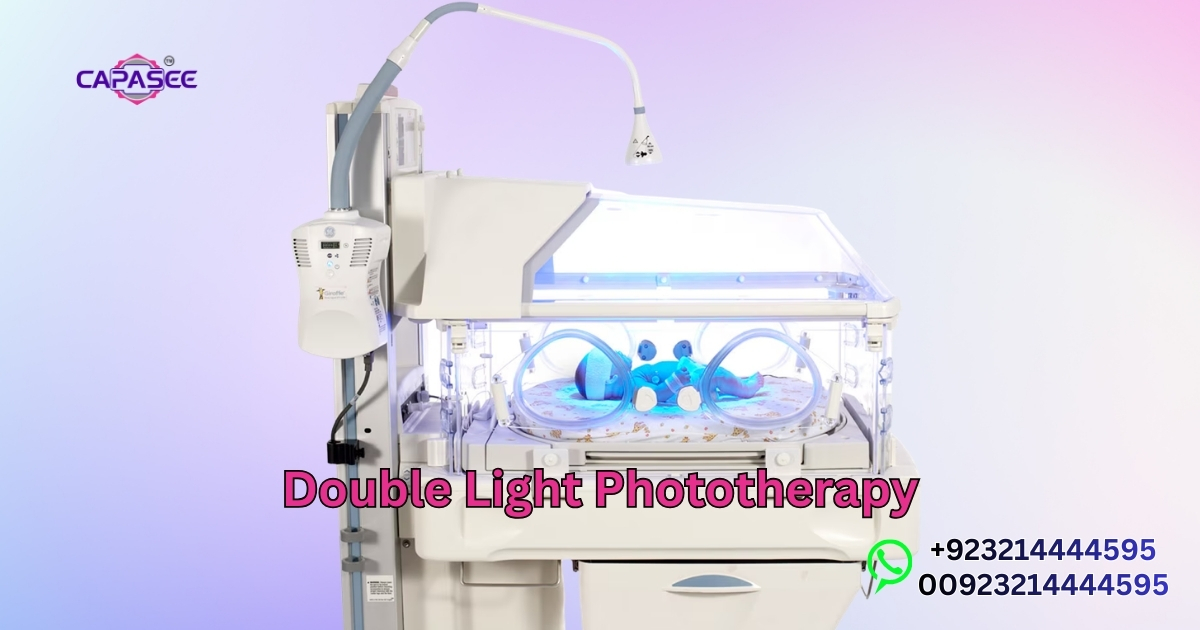
The major characteristics of the neonatal phototherapy machines are variable light intensity, inbuilt fiber optic blankets, and blue LED light at the most desirable 475 nm wavelength, which defines the ideal light of phototherapy. These are machines aimed at the delivery of the right quantity of light to cure neonatal jaundice in a safe way. They are also mostly fitted with safety measures such as temperature regulation and timers to make sure that the skin of the baby is comfortable during treatment with the light of phototherapy.
The Machines that have LED phototherapy are regarded to be safer and more effective compared to the older quartz halogen lamps or fluorescent tubes previously used as the light of phototherapy. Their sophisticated machines consume less energy and cover a larger span of bilirubin in patients and therefore, this can be applied in hospitals in Pakistan using advanced light of phototherapy systems.
LED vs Traditional Bulbs
The benefits of LED phototherapy in comparison to conventional bulbs are very impressive, particularly in terms of the quality of phototherapy. LEDs are more efficient and durable and would offer a better wavelength for phototherapy. The conventional bulbs, such as fluorescent tubes, might fail to provide light steadily and effectively. LEDs generate less heat and this minimizes the chances of burns and enhances patient comfort while delivering the light of phototherapy.
Moreover, employment of LED phototherapy systems may be frequently adjusted to certain treatment purposes, and healthcare professionals can select the most suitable wavelength, such as 475 nm, depending on a particular case, for the light of phototherapy. Such accuracy is hard to get on older technologies, such as the quartz halogen lamp, which may not provide such accuracy or intensity to break down bilirubin with the light of phototherapy.
| Feature | LED Phototherapy | Traditional Bulbs |
| Energy Efficiency | High | Low |
| Wavelength Precision | Adjustable | Limited |
| Risk of Heat | Low | High |
| Treatment Speed | Fast | Slower |
| Durability | Long lasting | Shorter lifespan |
With the above in mind, medical practitioners in Pakistan are able to make an informed choice on the selection of the ideal LED phototherapy units to treat such conditions as neonatal jaundice and skin conditions using the optimal light of phototherapy.
Phototherapy Light Price Pakistan Breakdown
Phototherapy that is applied to treat diseases such as neonatal jaundice may have light prices that are different depending on the type of device providing the light of phototherapy. LED phototherapy systems that emit blue LED light with a wavelength of 475nm are generally cheaper and consume less energy than the older systems, such as quartz halogen lamps or fluorescent tubes, used as the light of phototherapy. Depending on the level of sophistication required, the cost of a phototherapy unit in Pakistan may vary between those that are simple to use to those that have additional features, such as fiber optic blankets that can be used to treat the patient intensively with the light of phototherapy.
When the parents are facing neonatal hyperbilirubinemia, the price of an infant phototherapy lamp may vary based on the quality of the light of phototherapy. Simple units can begin at a lower cost and complicated LED phototherapy lamps, which are aimed to provide the most effective treatment for the bilirubin level, may be expensive. Nevertheless, it is possible to invest in a specifically targeted blue light therapy unit to ensure effective treatment with faster results using phototherapy light.
Infant Phototherapy Lamp Cost Guide
In comparing the prices of infant phototherapy lamps in Pakistan, the price of units with blue LED light is relatively high compared to traditional units due to the advanced light of phototherapy. The units tend to offer a more specialized and effective treatment, particularly to newborns with neonatal jaundice. The LED phototherapy systems are also flexible as they can be programmed to operate with body varying light intensities as well as wavelengths and thus can be used in varying bilirubin doses with controlled light of phototherapy.
The price of a basic LED phototherapy lamp in Pakistan may be in the range of 15,000 to 40,000 PKR, but it depends on the specifications and the brand. In the case of more sophisticated units with intensive phototherapy, the cost may increase to 60,000 PKR and above. Nevertheless, LED phototherapy lamps are long term, and they do not require constant replacement in contrast to the old models, such as fluorescent tubes previously used as the light of phototherapy.
Neonatal Phototherapy Machine Price Ranges
There are two different varieties of price ranges of the neonatal phototherapy machines in Pakistan. A good quality machine with a blue LED with a wavelength of 460 nm to 490 nm can cost between 25,000 PKR and 100,000 PKR to be used in the treatment of neonatal jaundice using the light of phototherapy. These machines assist in the effective reduction of bilirubin in newborns and are aimed at its better treatment due to features such as fiber optic blankets that efficiently distribute the light of phototherapy.
More sophisticated machines are of high efficiency in LED phototherapy with a variety of treatment options (such as PUVA therapy or Omnilux phototherapy), which carry a higher price tag due to enhanced control over the light of phototherapy. Selecting a machine, it is imperative to consider the price and the efficiency of the treatment since neonatal hyperbilirubinemia has to be addressed carefully to avoid such complications as bilirubin encephalopathy through proper exposure to the light of phototherapy.
Phototherapy Bulb for Jaundice Pakistan Picks
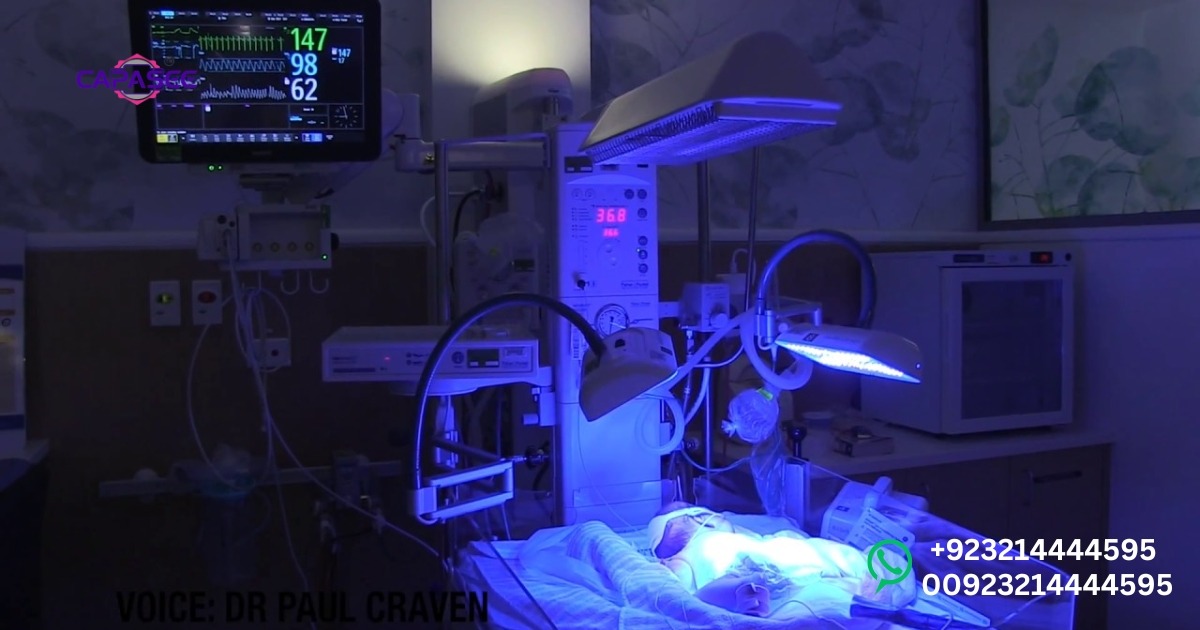
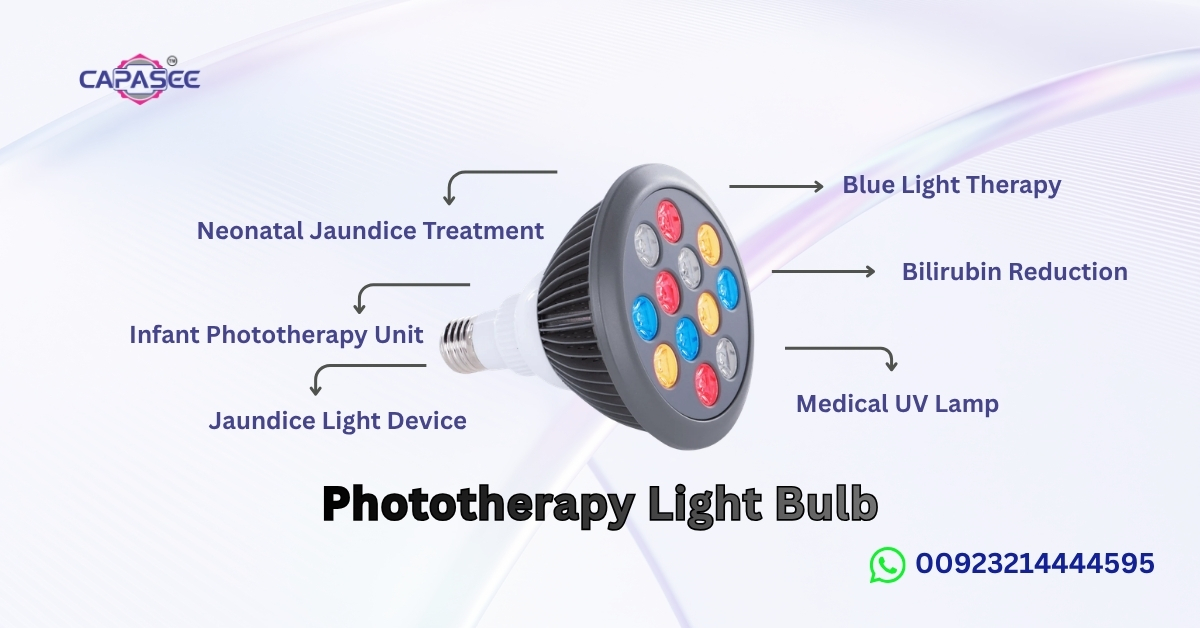
The phototherapy bulb that is used to treat jaundice in Pakistan is an essential part of a suitable approach to treat neonatal jaundice using the light of phototherapy. The most recommended ones are the phototherapy bulbs of LED light, which are blue, as they give accuracy in addressing the bilirubin levels in the case of a newborn baby through controlled light of phototherapy. These bulbs give the narrow spectrum blue light, which is most effective in the elimination of excess bilirubin in the skin and hence is safer to the babies when delivering the light of phototherapy.
In the selection of phototherapy bulbs to treat jaundice, one should ensure that the brands used are established and reputable brands known to be effective and efficient in producing the light of phototherapy. LED photo therapy bulbs are more stable and energy efficient and have a consistent performance. To achieve maximum outcomes, a blue LED light of the appropriate wavelength (approximately 475 nm) is necessary when it comes to treating neonatal jaundice successfully with the light of phototherapy.
Check More & Purchase: Our Products
Trusted Brands & Buying Tips
Other reputable brands of LED phototherapy lamps and bulbs in Pakistan are Omnilux and Philips, who provides good quality products that can be trusted for their reliability in the treatment of neonatal jaundice using the light of phototherapy. During purchasing, one should examine the product specifications to find out whether it utilises the right wavelength to break down bilirubin through the light of phototherapy. Find products within the AAP 2025 requirements of safe and effective phototherapy and standardized light of phototherapy.
Also, it would be prudent to have in mind the cost of maintenance and the presence of spare parts for the phototherapy light that delivers the light of phototherapy. The most reliable brands are those with long warranties and with easy access to repair. The light should always be user friendly and capable of giving variations on light intensity to suit varying bilirubin levels while maintaining optimal light of phototherapy.
Maintenance for Longevity
To prevent the short durability of phototherapy light, it is crucial to maintain your phototherapy light that emits the light of phototherapy. Frequently washing the LED phototherapy bulbs and monitoring them to find out whether they are damaged is necessary to maintain the level of light of phototherapy at its optimal level. Another aspect that should be considered is that worn out parts should be substituted, such as the fluorescent tubes or fiber optic blankets, to ensure that the machine remains functional and continues to deliver effective light of phototherapy.
A well maintained unit will last longer, and you will derive maximum benefit out of your investment. Ensure that you check the instructions given by the manufacturer in maintaining it, particularly when administering it in intensive phototherapy or neonatal jaundice treatment requiring sustained light of phototherapy.
FAQ’s
Which light is used for phototherapy?
Light phototherapy is frequently achieved by means of blue LED with a specific wavelength of 460-490 nm.
What is the light level for phototherapy
The phototherapy light intensity needed is approximately 15-30 µW/cm²/nm to reduce bilirubin.
What is the light phototherapy treatment?
Light phototherapy is a technique where special wavelengths of light are used to dismantle excess bilirubin in the skin, and is commonly used to treat neonatal jaundice.
Which color light is good for jaundice?
Jaundice is treated best with blue light because it has the effect of breaking down bilirubin.
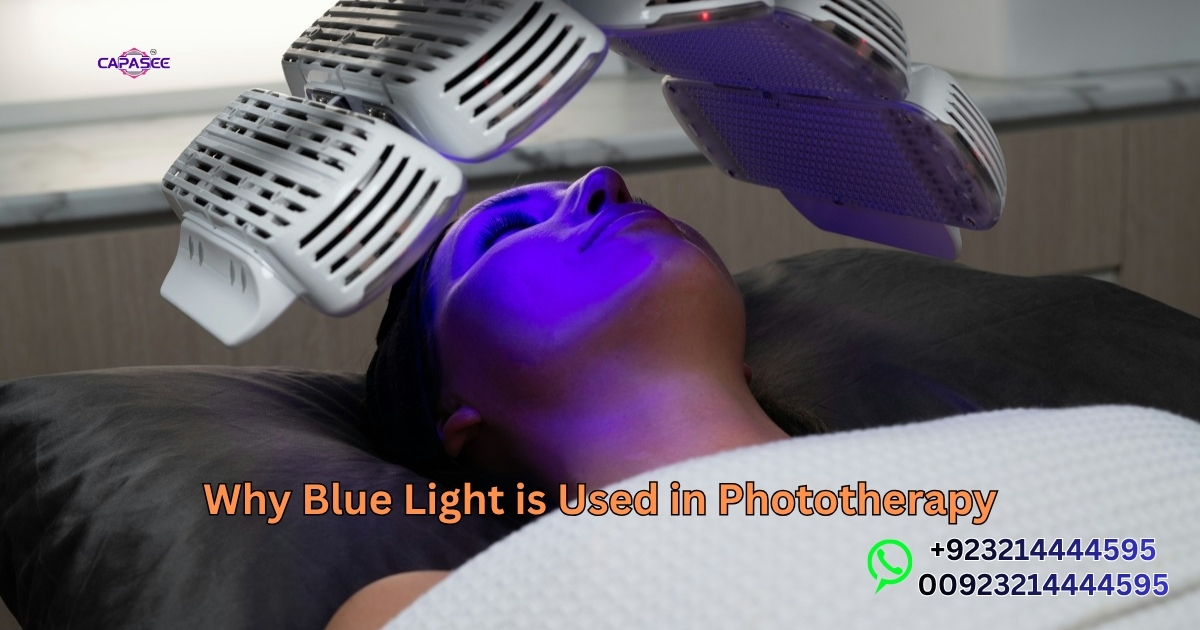
Why blue light in phototherapy?
The blue light is efficient since it addresses the bilirubin degradation mechanism, which lowers the levels of bilirubin in the skin.
Final Thoughts
Phototherapy light is essential in the treatment of diseases such as neonatal jaundice, in which specific wavelengths are implemented in the skin to decompose the surplus bilirubin through the light of phototherapy. Phototherapy is also an effective and safer treatment mode with new developments such as blue LED light that enhance the precision of the light of phototherapy. Whether it is an intense phototherapy or a basic instance of neonatal jaundice, it is important to know the type of light and the amount of light of phototherapy to use. When selecting the high quality devices, you are guaranteed of the most desirable outcomes and the sustainability of health to your loved ones through consistent and reliable light of phototherapy.