Blog
When To Worry About Jaundice


Have you ever seen what happened to the skin of your baby or the whites of their eyes, so that the skin or eyes sink and you think, What is going on? It is so frightening and puzzling, as when you want to celebrate those first couple of days and instead you are examining every minute detail and questioning whether it is normal. You are not the only one and it does help to be aware when you should worry about jaundice to avoid spending your night thinking of the worst.
Here you will see unmistakable symptoms of jaundice, which must not be ignored, what are seen in the mild forms of day to day life, and how you may watch over things yet not be a fanatic. We will go through what to observe, why the yellow color occurs and when it is time to see a doctor, so at the end you will not be scared, but sure that you know when to worry about jaundice.
Recognizing Jaundice Warning Signs

As soon as you see a yellowing of the skin or yellow eyes (scleral icterus) in yourself or your baby, you may be alarmed. In Pakistan, most parents notice dark urine, clay colored stool, itchy skin or even losing weight and ask themselves whether they should worry about jaundice immediately.
You May Also Read This Blog: What Level of Jaundice Causes Brain Damage
Neonatal Jaundice Symptoms in Pakistan
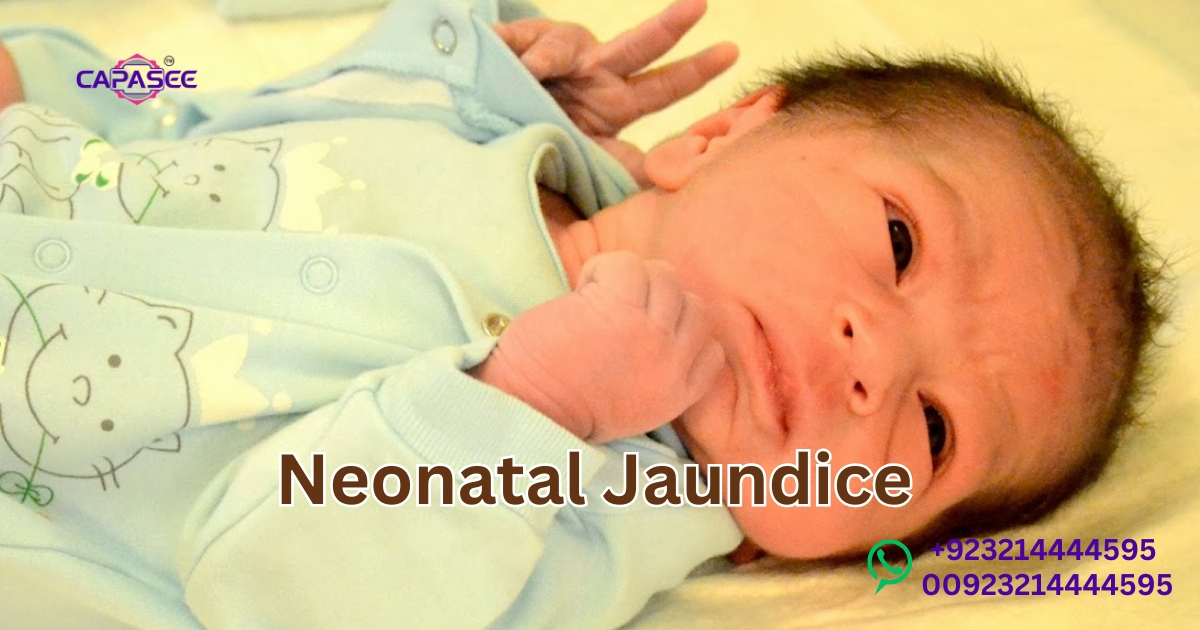
Among newborns in Pakistan, the most prevalent symptoms are jaundice, yellowing of the skin, poor feeding and vomiting in the first days. When you notice the presence of relentless jaundice issues, particularly in premature infants, it is important to know when to worry about jaundice and seek medical attention.
How to Detect Jaundice Early
You will be able to observe simple signals, look at whether the skin is yellow in the natural light, watch for dark urine, clay colored stools, and whether there is a fever or pain in the stomach. Prompt observation of the warning signs can help you worry about jaundice wisely and manage the period of jaundice while minimizing complications.
Understanding Causes and Risks
The cause of jaundice is high bilirubin concentrations, which are caused by liver disease, hepatitis (A, B, C), alcoholic liver disease, or bile duct obstruction. In Pakistan, the chances are also increased by gallstones, pancreatic cancer, drugs that lead to jaundice, blood clots and hemolytic anemia, which are the causes of adult jaundice. Understanding these risks can help you know when to worry about jaundice.
Jaundice Causes and Complications in Pakistan
In adults in Pakistan, hepatocellular jaundice develops when the liver has been damaged, whereas obstructive jaundice develops when there is a blockage in the flow of bile. In the absence of appropriate attention, the complications of jaundice can develop to include jaundice and inflammation of the liver, decreased liver functioning and jaundice association, and extreme effects such as jaundice with fever and abdominal pain. Awareness of complications helps you worry about jaundice without panic.
Timely Medical Attention

Once you notice yellowing of the skin, jaundice eyes (scleral icterus), dark urine, or clay colored stools, you need to act immediately. Fever, stomach pain, confusion, weight loss, or itchy skin are symptoms that should not be overlooked, as they may be indicators of serious causes of adult jaundice in the country, with underlying diseases such as liver disease or hepatitis (A, B, C). Knowing these signs allows you to worry about jaundice appropriately and seek help promptly.
Check More & Purchase: Our Products
When to See a Doctor for Jaundice
In Pakistan, it is advisable to seek medical attention when you notice the situation deteriorating, when you see the yellow tint increasing, incessant vomiting, bruising or easy bleeding and in cases where the situation appears to take longer than it should. The early detection of jaundice, monitoring safe bilirubin levels, and knowledge of jaundice complications, jaundice duration, and risk factors to jaundice occurrence are important to your health and peace of mind and help you know when to worry about jaundice.
Jaundice Treatment Options Pakistan
This is because in Pakistan, the treatment is based on the cause of your conditions, be it hepatocellular jaundice, obstructive jaundice, newborn jaundice or premature babies jaundice. Physicians can prescribe drugs, dietary modifications, or surgery to address bile duct obstructions, stones in the gallbladder, liver cancer, or clot and treat jaundice and liver inflammation, liver functionality and jaundice relationship, and jaundice and viral hepatitis. Understanding treatment options ensures you worry about jaundice appropriately without unnecessary fear.
Frequently Asked Questions
How do you know if jaundice is serious?
See a doctor in case jaundice is accompanied by fever, vomiting, or dark urine, or persists beyond several days.
When to worry about jaundice at home?
Contact a doctor in case jaundice develops rapidly, the yellowing aggravates, or the patient vomits or loses weight.
What causes jaundice in children?
Immature liver function, infection, or blood disease such as hemolytic anemia is often the cause of jaundice in children.
What is jaundice in babies?
Jaundice in infants refers to the yellowish color of the skin and eyes as a result of elevated bilirubin in the body, owing to the immature condition of the liver.
What should not a mother eat when a baby has jaundice?
Mothers are not supposed to consume fatty foods, alcohol, and high amounts of caffeine since they will influence the work of the liver and aggravate jaundice.
Final Thoughts
It is important to know the time when it is necessary to worry about jaundice in order to avoid complications. In case of such symptoms as increased yellowing of the skin, deep urine, or fever, you should consult a doctor as soon as possible. The prevention of such serious problems as liver damage or infection can be achieved with early detection and treatment. In the case of parents, knowledge of newborn jaundice and the issues with persistent jaundice are valuable in preventing infant mortality. Be vigilant of the symptoms, observe symptoms and simply do not hesitate to seek medical attention when in doubt. The time of the day is everything.