Blog
Types of Light Used in Phototherapy

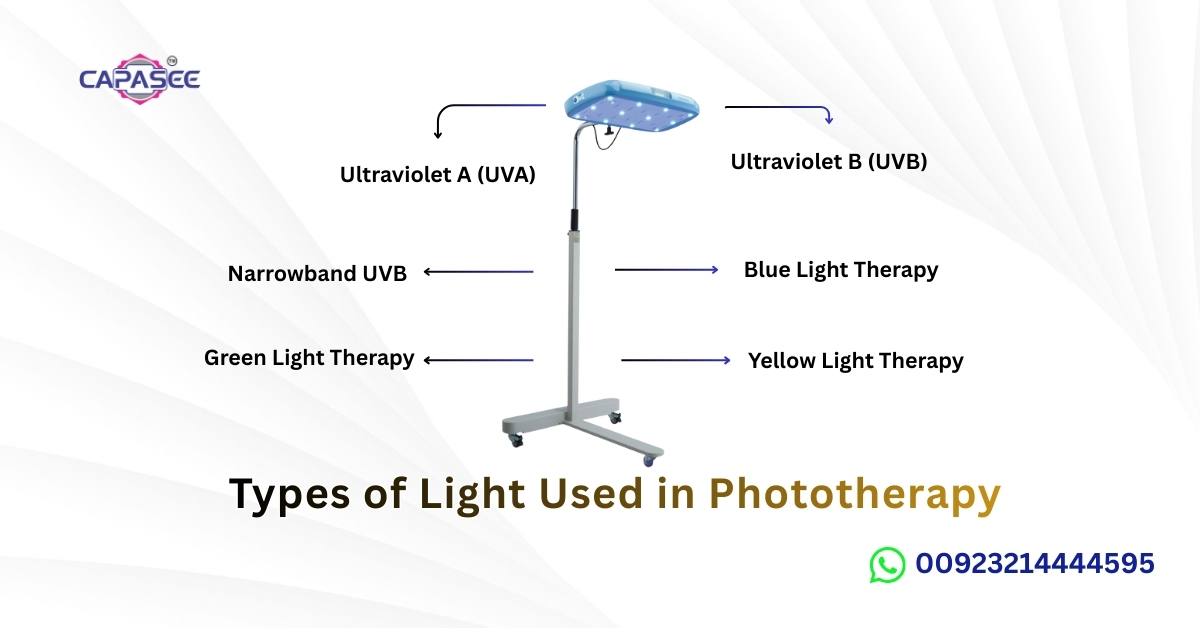
You are not alone in wondering about phototherapy and how it could be utilized to treat conditions such as skin problems or mood disorders, especially when learning about the types of light used in phototherapy. Perhaps you have heard of it, but the concept of light as a way of cure is just a little too complex. The possibility of selecting the correct type of light may be daunting, particularly when it appears that there are so many different types of lights.
In the present blog post, we shall deconstruct the various forms of light in phototherapy and the types of light used in phototherapy. You will have a clear cut easy to follow explanation of how it works or whether the light therapy would best suit you. By the close, you will feel more at ease and informed with regard to your phototherapy options and the manner in which they can make you feel better. Continue reading and find out the power of light in healing.
Core Types of Phototherapy Lights
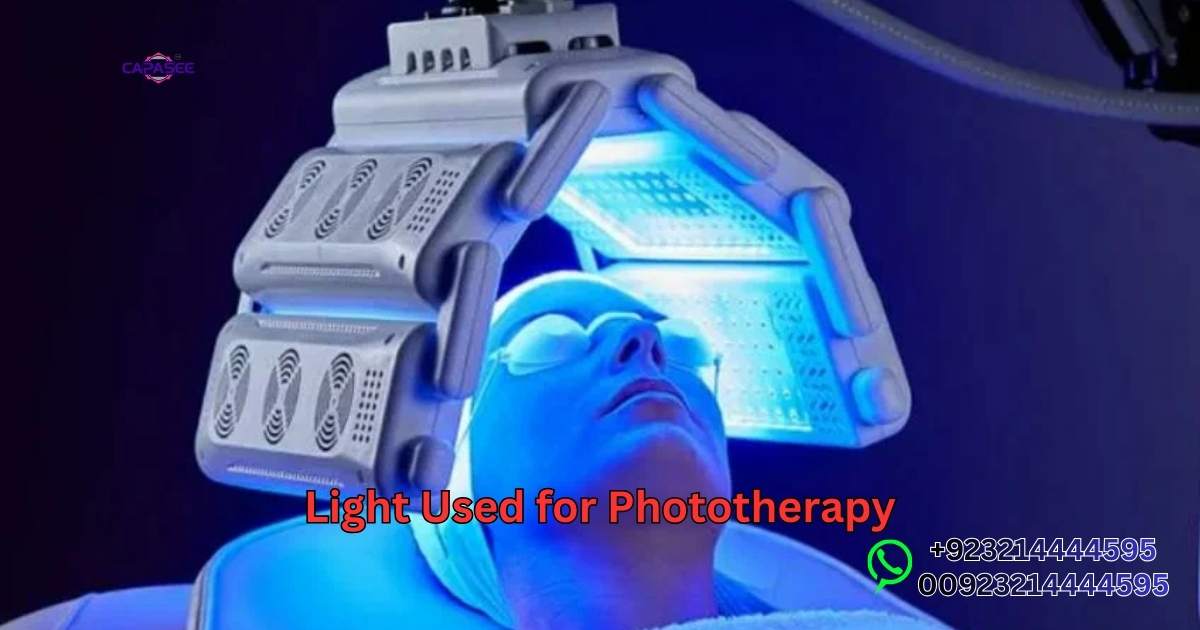
The phototherapy lights are very critical in the treatment of several skin diseases, such as neonatal jaundice and psoriasis, and understanding the types of light used in phototherapy is essential. Phototherapy involves the use of the light of Ultraviolet A (UVA) and Ultraviolet B (UVB). The lights have the ability to treat conditions of the skin since they focus on particular layers of the skin, such as the epidermis penetration and the dermis layer treatment.
The usefulness of the light is based on the wavelength, which differentiates the types of light used in phototherapy. As an illustration, Narrowband UVB therapy involves the use of wavelengths between 311 and 313 nm. This is an ideal range to use in skin inflammation and collagen stimulation. Blue light therapy and blue green are, on the other hand, applied to the treatment of neonatal jaundice through aiding in bilirubin reduction.
Blue Light Phototherapy Jaundice Basics
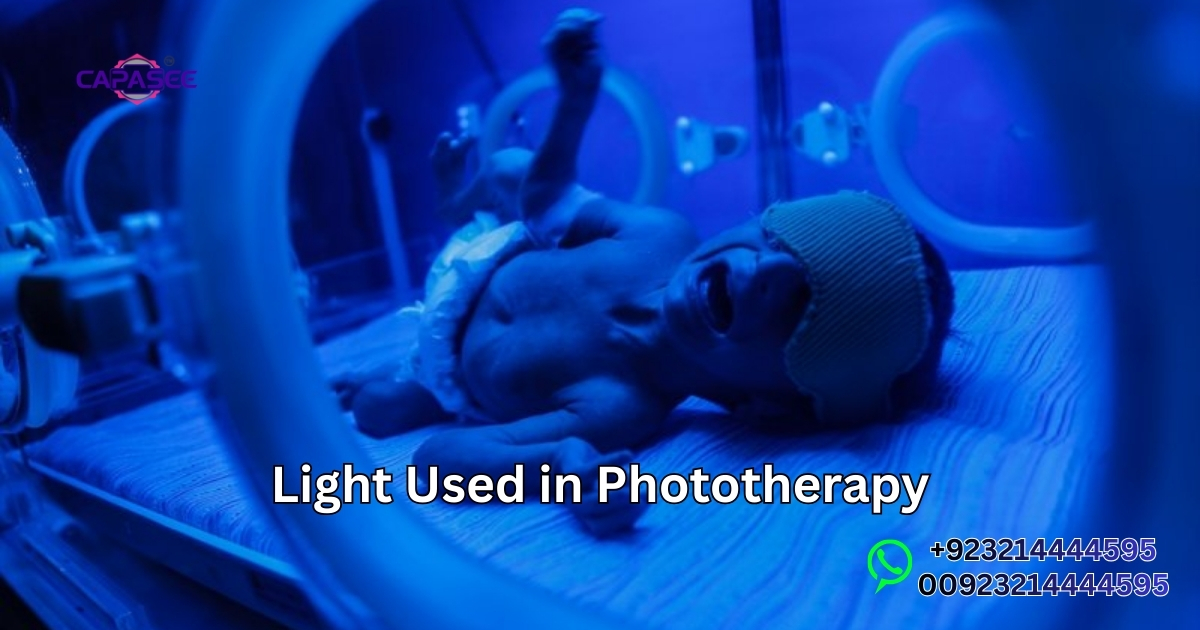
The use of blue light in the management of neonatal jaundice is important and represents one of the key types of light used in phototherapy. The excess bilirubin is helped to break down by the blue light, which brings the yellow color of the skin of a baby. To target wavelengths, this type of therapy can be done through fiberoptic phototherapy or special halogen lamp phototherapies.
Bilirubin reduction is hastened and improved through blue light therapy, one of the most common types of light used in phototherapy. It is a popular practice in Pakistani hospitals that provides a safe and non invasive means of treating newborn jaundice. It is an effective way because it is easy to apply and it can produce results easily.
You May Also Read This Blog: Phototherapy Light Side Effects
Types of Phototherapy Lamps Explained
Phototherapy lamps are of different types and designs, reflecting the various types of light used in phototherapy. Some of the common sources of lamps that are popular in the dermatology field are the excimer laser and artificial UVB sources. The lamps produce regulated amounts of light to cure a variety of skin ailments, such as inflammation of the skin, as well as other photodermatoses.
Also available are the lamps with a special purpose in collagen stimulation treatment, which fall under specialized types of light used in phototherapy. The UVB lamps of narrowband are well known in terms of accuracy and efficacy in skin treatments. These lamps are widely employed in PUVA treatment, which entails the incorporation of the Ultraviolet A (UVA) light combined with a special drug in treating chronic diseases such as psoriasis.
LED Phototherapy Light Pakistan Edge
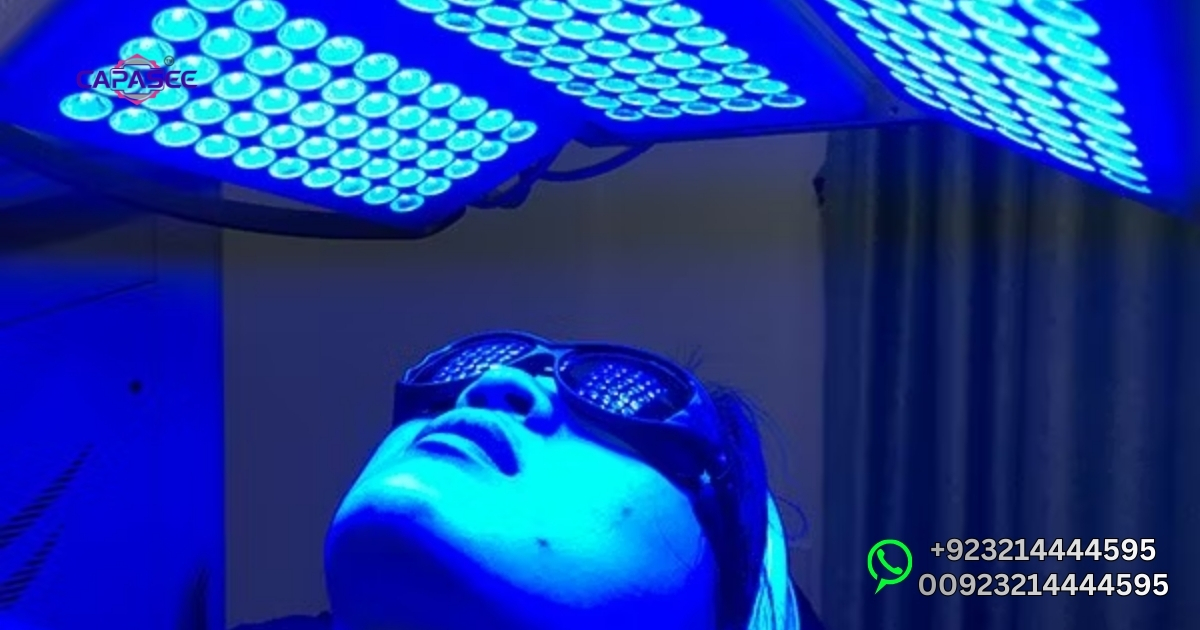
In Pakistan, phototherapy lights using LED have been adopted to treat skin conditions, expanding the modern types of light used in phototherapy. These are also power saving lights that offer safe remedies to several dermatological problems. There are also green light therapy and yellow light therapy, which are targeted to correct a specific condition, like skin inflammation and other cosmetic problems.
The use of LED phototherapy is helpful in the case of neonatal jaundice and other skin disorders, making it one of the most effective types of light used in phototherapy. The technology provides a cheaper and easier way out to the medical centers and homes, thus being more affordable to more people around Pakistan.
Capasee LED Lights for Jaundice
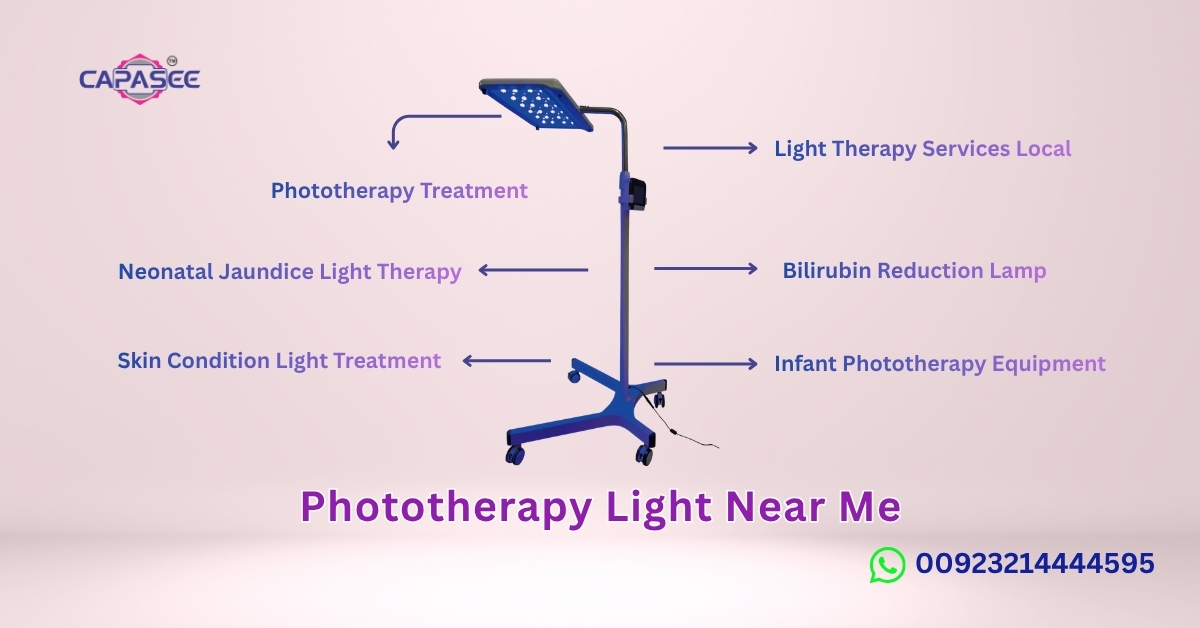
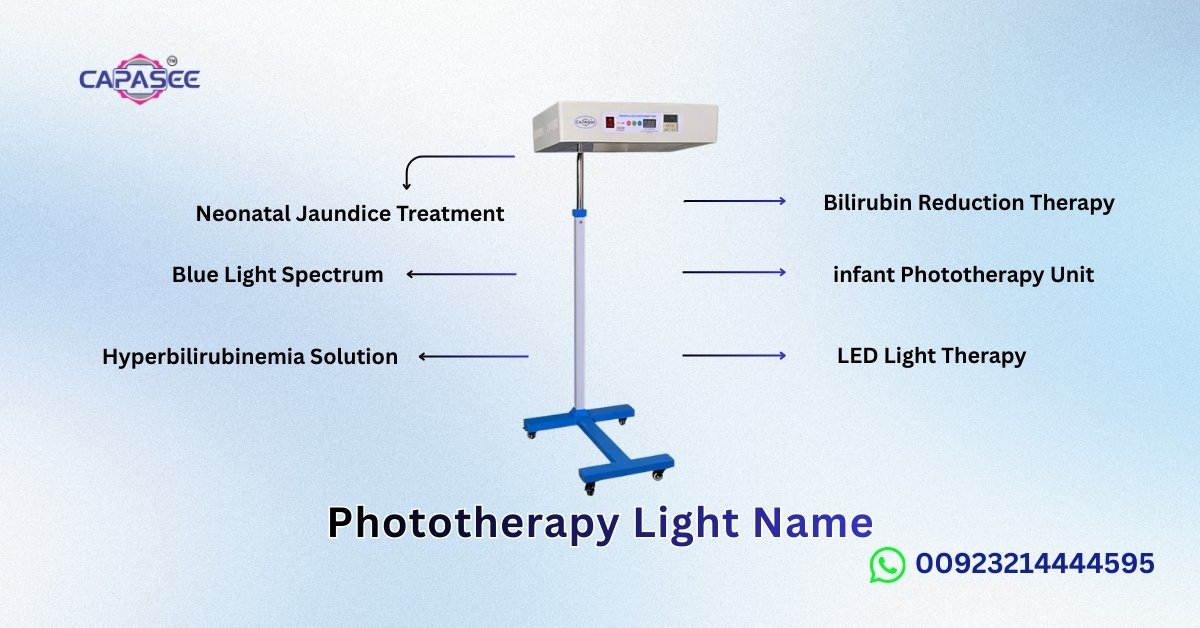
The Capasee Electro Medical Engineering LED lights would be a good option in treating neonatal jaundice in Pakistan and are among the reliable types of light used in phototherapy. These lights provide the correct wavelengths that can be used to reduce bilirubin effectively, thereby ensuring the quick healing of newborns. They have blue light therapy to ensure that babies have minimal risk since their therapy is designed to be safe and efficient in terms of photothermal therapy.
These lights have features such as the fiberoptic phototherapy that gives constant treatment, aligning with advanced types of light used in phototherapy. Capasee LED lights allow parents to make sure that their babies receive the required care and do not have to struggle with conventional forms of phototherapy.
Fluorescent Lights for Jaundice Treatment
Phototherapy is a widely used method of treating neonatal jaundice with fluorescent lights, which are traditional types of light used in phototherapy. These are lights that are emitted with particular wavelengths; it is mainly in the blue light therapy range to aid in the reduction of bilirubin. The light penetrates through the epidermis of the skin, attacking the dermis layer of the skin and decreasing the yellowish coloration generated by the bilirubin.
This type of light is reputed to be effective in hospitals and clinics in Pakistan and represents established types of light used in phototherapy. It operates on the principle of decomposing the excessive bilirubin in the blood and offers a non invasive treatment to neonatal jaundice. Fluorescent lights have been a viable choice because of their affordability and availability.
Halogen Lamps in Phototherapy Pros
Another general use of light in phototherapy, and one of the important types of light used in phototherapy, is the use of halogen lamp phototherapy. They offer intense light, which is aimed at inflammation of the skin and other conditions. The lamps may be set to produce a given amount of Ultraviolet B (UVB) that can be used in the treatment.
This type of phototherapy has its use especially in such diseases as skin inflammation and collagen stimulation, making it one of the effective types of light used in phototherapy for dermatological care. Although they are not as energy efficient as others, the halogen lamps are still a strong option in skin related treatments, whether in the hospital or at home.
Check More & Purchase: Our Products
Fiberoptic Phototherapy Blanket Innovations

Fiberoptic light therapy blankets are a new product in light therapy and represent advanced types of light used in phototherapy. These blankets are based on blue light therapy to cure neonatal jaundice, introducing light to the skin of the baby by fiberoptic phototherapy fiber. This will guarantee a reduction of bilirubin and effective photothermal treatment without making the baby feel uncomfortable.
The popularity of these blankets is developing because of their flexibility and the fact that they allow the treatment of babies more comfortably than traditional lamps, distinguishing them from other types of light used in phototherapy. They produce light in a spectrum of blue green, which is effective in penetrating the epidermis, resulting in safer and sustained treatment.
Capasee Blankets vs Traditional Lights
The difference is evident when a comparison is made between Capasee blankets and conventional phototherapy lights, which are both common types of light used in phototherapy. Capasee fiberoptic blankets are more effective and offer blue light therapy treatment, as well as being targeted. They are more evenly covered and give the baby the freedom of movement. As an alternative, the conventional lamps might necessitate the infant to sit under a regular light source longer than needed.
The Capasee blankets provide great comfort of treatment, which is why they are the best option in the case of neonatal jaundice among modern types of light used in phototherapy. This innovation will make sure that the babies get the highest care possible with minimal form of discomfort, and the necessity of constant repositioning will be reduced, in addition to stress levels during the treatment process.
FAQ’s
What kind of light is used for phototherapy?
Phototherapy is normally applied to diseases such as jaundice and skin diseases using blue light or UV light.
What are the five main types of light therapy?
These are blue light therapy, UV light therapy, green light therapy, yellow light therapy, and red light therapy.
How many types of phototherapy are there?
Phototherapy comes in many forms with blue light, UVB, and fiberoptic phototherapy being the most prevalent ones.
Which light is best for jaundice?
Blue light therapy has been regarded as the most effective in the treatment of neonatal jaundice because it is effective in reducing the bilirubin.
Why is blue light used in phototherapy?
Its blue light is adopted since it effectively clears bilirubin in the skin, thus treating the neonatal jaundice.
Conclusion
The different types of light used in phototherapy are important to know when choosing the appropriate treatment to apply to different diseases, such as neonatal jaundice and skin diseases. Blue light therapy, UVB, and fiberoptic phototherapy each possess some peculiarities concerning their advantages, depending on the wavelength and method of application. The effectiveness and safety of light therapy are guaranteed by the selection of the correct light therapy. Be it blue light in the case of bilirubin reduction, or halogen lamps in the case of skin inflammation, phototherapy is a good and available form of treatment for most of them.