Blog
What Are The Risks of Phototherapy in Newborns


Being a parent, having your newborn requiring medical care is the most stressful experience. You may be both excited and anxious in case your baby is undergoing phototherapy to correct the jaundice. Although phototherapy is a useful and commonly used treatment, you may be asking yourself, What are the risks of phototherapy in newborns?
In this blog post, we are going to explore the risks of phototherapy and the side effects that phototherapy may cause in newborns. We will give transparent information about what to look out and how to guarantee the safety of your baby in the course of treatment. By the end you will be in a better position to make informed decisions and be able to feel more confident about taking care of your baby.
Risks of Phototherapy: Neonatal Care Essentials
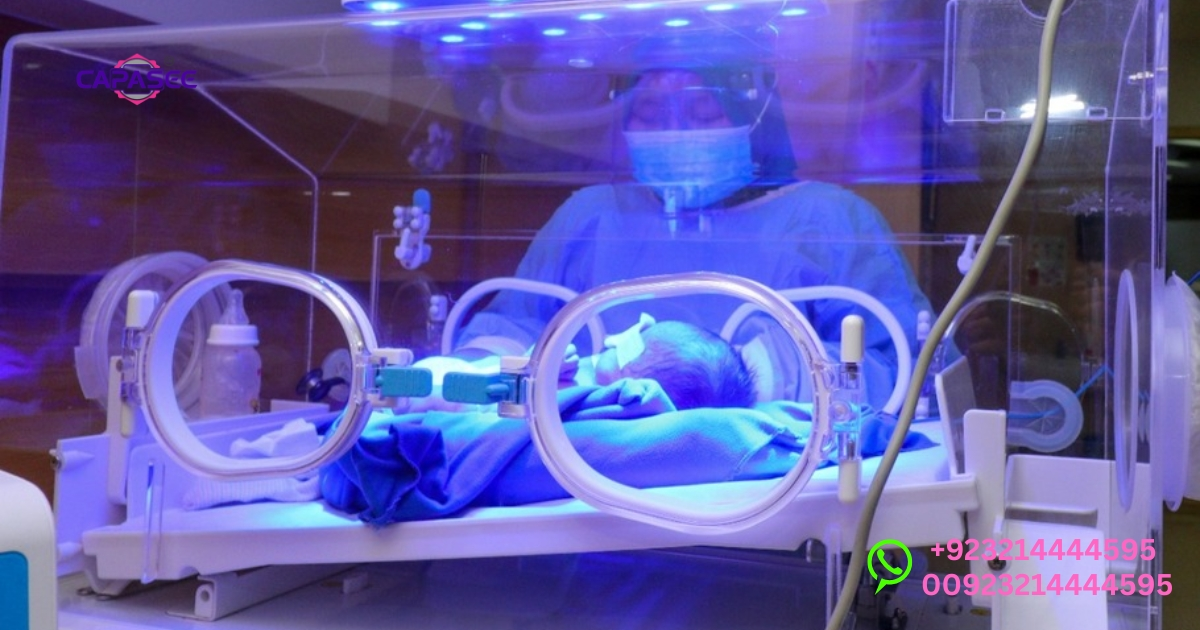
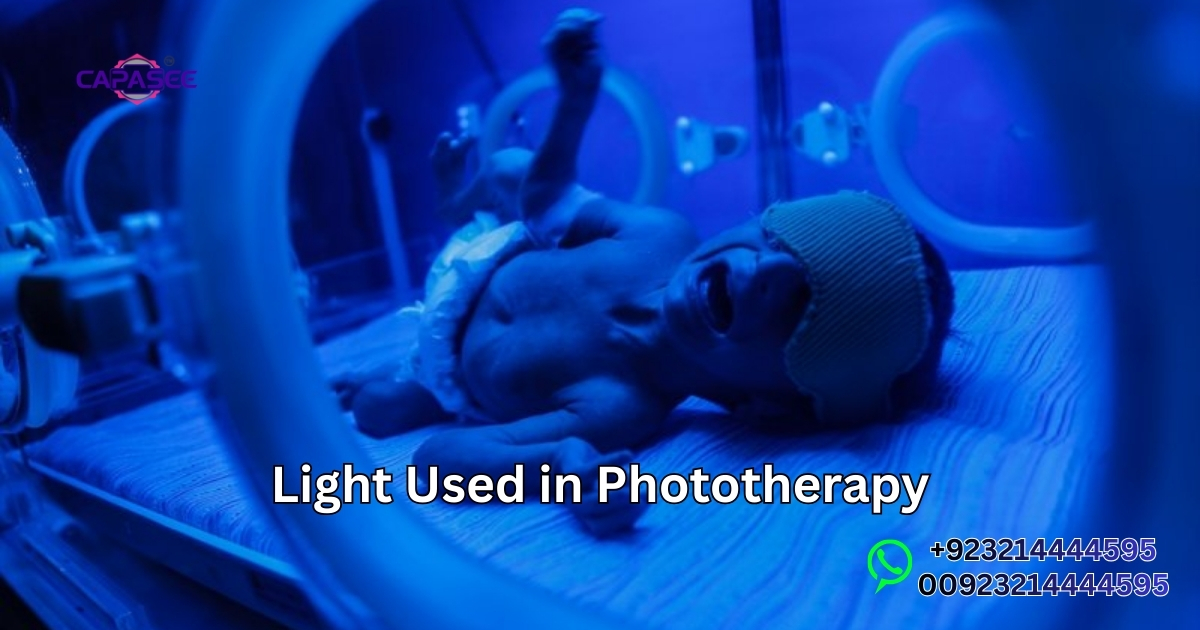
Phototherapy is a common form of treatment for neonatal jaundice, though it is associated with several risks of phototherapy. Although this is useful in lowering bilirubin in newborns, the side effects of phototherapy among infants are mild to severe. The most prevalent are dehydration, electrolyte imbalance, and skin reactions. Infants are also directly exposed to the possibility of oxidative stress and DNA damage due to the treatment, which could have implications for their general health. Close observation of the baby during phototherapy is essential to reduce the adverse effects.
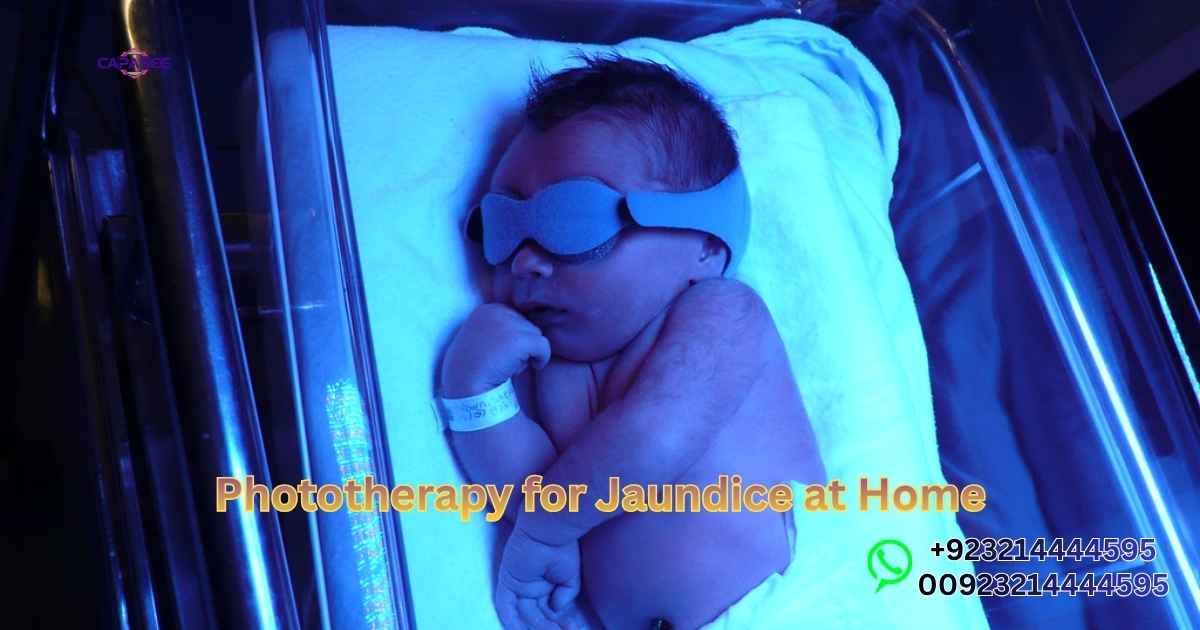
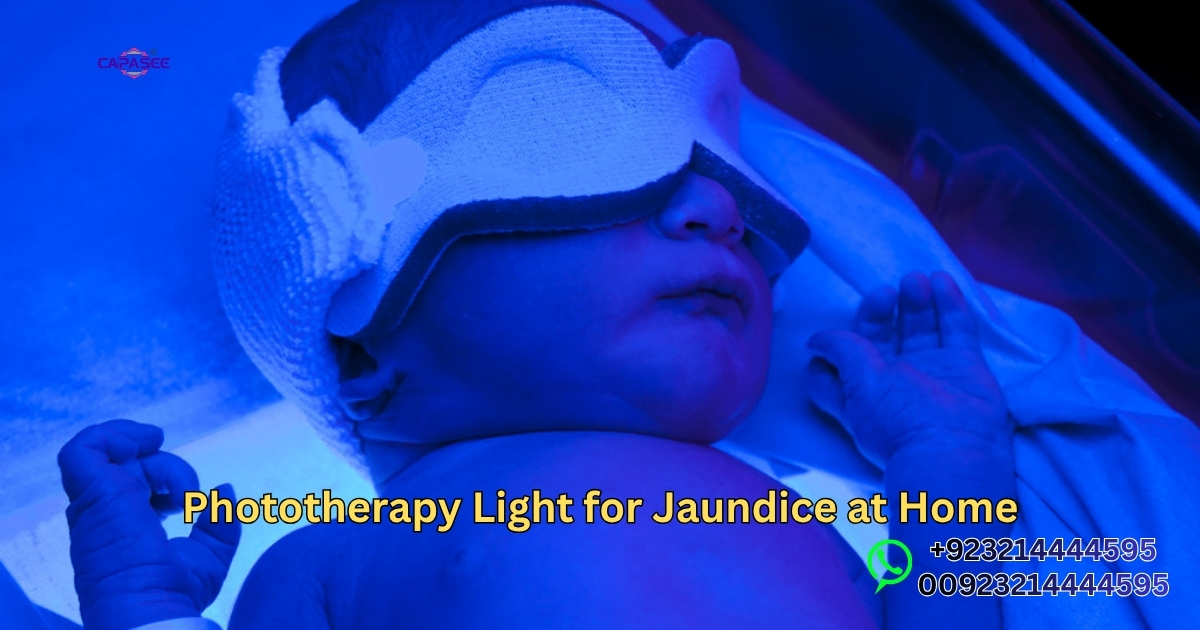
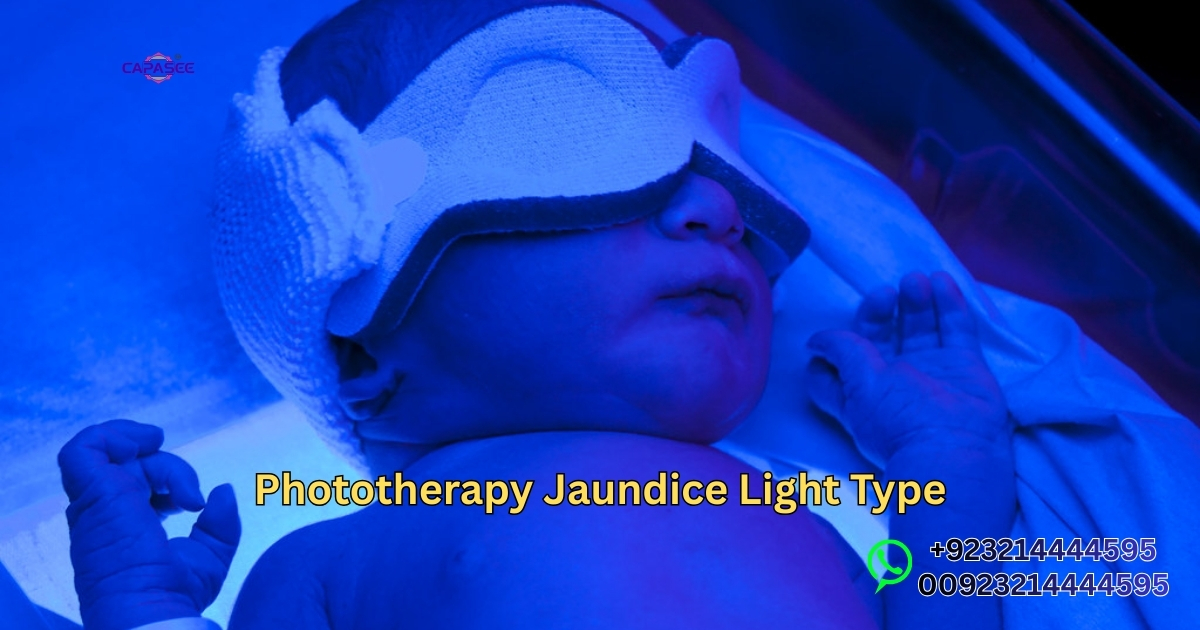
To treat neonatal jaundice, one must adhere to correct safety measures. This involves safeguarding the eyes and skin of the baby in the process. Special protective eye shields for newborn therapy to protect the sensitive eyes of a baby against direct blue light. Balanced treatment can be made possible with the help of understanding the risks of phototherapy, including phototherapy induced cancer risk and long term health complications, such as the risk of leukemia, which phototherapy causes. Caregivers and parents should remain updated so that they can deal with the risks associated with the treatment.
You May Also Read This Blog: Is Blue Light Therapy Safe
Common Phototherapy Complications in Infants: Dehydration, Electrolyte Imbalance & Skin Reactions
Dehydration during phototherapy is one of the most frequent risks of phototherapy. Infants with this treatment lose a great deal of fluids through more urination and sweating. It is also possible to have electrolyte imbalances that influence essential processes. Close consideration of hydration will prevent such complications as intestinal obstruction in infants that may happen because of fluid imbalance. The skin reactions, like skin dryness and redness phototherapy may also occur and become painful and irritated.
Also, the skin pigmentation may be altered and the results will be visible marks or discoloration following phototherapy. Parents may be troubled by these effects, which are temporary in most instances. Phototherapy induced skin changes are slight erythema or spots of the skin, particularly in sensitive parts. These skin related risks of phototherapy can be monitored and treated and long term skin problems can be prevented by seeking medical attention.
The Hidden Effects: Hypocalcemia, Bronze Baby Syndrome, and Oxidative Stress in Neonatal Phototherapy
Some side effects of phototherapy are not evident, such as hypocalcemia and bronze baby syndrome. Low calcium concentration, also known as hypocalcemia, may happen in infants undergoing long term phototherapy. This may cause tremors, muscle weakness, or in severe cases, seizures. A bluish grey color of the skin is diagnosed as bronze baby syndrome, and this is a rare but dangerous response. It is thought to be associated with the risks of phototherapy and the blue light therapy contact with bilirubin.
The other problem is oxidative stress due to exposure to blue light. Oxidative stress in newborns can help in the damage of cells as well as hinder the developmental processes. The parents must be careful of any indications of abnormal reactions, such as alterations in the colour of the baby or abnormal body symptoms, so that they can have emergency treatment in case of need.
Managing Hydration and Overheating Risks During Phototherapy Treatment
One of the most important factors in the management of the risks of phototherapy is hydration. The babies who have been treated should be well hydrated, as dehydration may increase the complications. In others, temperature variations might also bring about overheating or chills and therefore, the caregivers must check the body temperature of the baby. Excessive heat may be painful and it may result in the development of skin redness and dryness, which are typical side effects of phototherapy.
This risk can be addressed by keeping the room temperature comfortable and feeding the child often. Caution in terms of phototherapy risks is required, like maintaining the baby hydrated and regularly monitoring the skin condition to rule out the possibility of severe reactions.
Exploring Long Term and Immediate Phototherapy Side Effects in Newborns

Although phototherapy is normally effective in the treatment of neonatal jaundice, the therapy possesses side effects that are both immediate and long lasting. Short term effects can be instability in calcium levels, which can cause seizures in phototherapy treated infants. The long term problems can include developmental delays or phototherapy and developmental delays as they are typically associated with early or prolonged exposure. The likelihood of such risks of phototherapy can be reduced with the aid of hydration during phototherapy treatment, as well as individual attention to the fact that the baby should not overheat.
Conversely, the risks of phototherapy may be severe in the long run may including the possibility of contracting epilepsy following neonatal phototherapy. Even though this is very unlikely, there has been some concern about the possibility of phototherapy affecting the neurological development of infants. Adverse reactions to phototherapy are necessary to avoid the irreversible harm or the possible slowing of the development of a baby.
Impact of Phototherapy on Calcium Levels and Melatonin in Newborns
Phototherapy can influence calcium levels and result in hypocalcemia in other instances. Calcium deficiency may lead to impaired muscle movement, such as spasms or twitching. These effects can be addressed by ensuring that the patient remains hydrated and by measuring the level of calcium during the treatment. The other effect is the interference with the hormone melatonin, which controls sleep. Exposure to phototherapy might disrupt the sleep pattern of the baby and this may cause abnormal sleep patterns. These are less obvious risks of phototherapy but still important to monitor.
Although the effect of phototherapy on the amount of calcium in the body is normally temporary, parents should monitor the general health of the baby under treatment. The pediatricians might recommend calcium supplements to ensure that the levels are normal and to correct improper muscle functions.
Check More & Purchase: Our Products
Addressing Diarrhea and Other Gastrointestinal Issues Linked to Phototherapy
The most common side effects of phototherapy in infants include diarrhea, which is usually caused by an alteration in intestinal flora or by increased fluid administration. Such infants are particularly sensitive to risks of phototherapy in the gastrointestinal system, where feed obstruction can occur in places where the phototherapy is done very infrequently. This may bring about discomfort and interfere with feeding habits. Close observation of the bowel movements should be made by the parents because frequent or liquid stools can indicate that medical intervention is necessary.
In other instances, phototherapy may result in other gastrointestinal problems associated with phototherapy risks, like poor feeding or inability to digest food. These side effects can typically be temporary and will disappear after the phototherapy, but any unexplained symptoms must be addressed with a medical practitioner.
Evaluating Long Term Risks and Safety in Neonatal Jaundice Treatment
Phototherapy of neonatal jaundice is still under investigation concerning the long term risks of phototherapy treatment. Although most side effects are short term, efforts are in progress to establish the possible relationship between phototherapy and long term illnesses, including hematopoietic cancer, newborns and phototherapy mutagenic effects. Others have also expressed concern about the potential of phototherapy induced cancer risk, where it has been argued that long term exposure leads to the risk of developing leukemia or any other hematological cancer.
It is worth mentioning that these risks of phototherapy are not very frequent and phototherapy is still the essential treatment of neonatal jaundice. Nevertheless, these possible long term effects should not be ignored by parents, and all their fears should be addressed with a pediatrician to make sure that their baby is provided with the highest possible level of safety.
Frequently Asked Questions(FAQ’s)
Is phototherapy harmful for newborns?
Phototherapy is mostly safe for newborns, though it may lead to temporary skin dryness, dehydration, or alterations in body temperature without close observation.
Does phototherapy work for eczema?
Phototherapy may be useful in the treatment of eczema, particularly UVB therapy, though it must be administered under the supervision of a doctor.
What are the negative effects of phototherapy?
Phototherapy has its adverse side effects, such as dehydration, skin reactions, and electrolyte imbalances can be controlled with proper care.
What are the complications of the newborn intervention for a newborn who is receiving phototherapy?
The complications may be dehydration, electrolyte disturbances, skin irritation, and, in rare cases, hypocalcemia or oxidative stress.
Does phototherapy cause developmental delays?
No direct linkage of phototherapy with developmental delays, but the long term use or not following improper use should be monitored to be careful of the dangers.
Final Thoughts
The risks of phototherapy in newborns may be various, and with the proper monitoring, most of the side effects may be successfully addressed. Although phototherapy is necessary in the treatment of neonatal jaundice, the risks, such as dehydration, skin reactions, and electrolyte imbalances, should be closely monitored. By knowing such dangers and observing the necessary precautions, including hydration and eye protection, one can help to protect the baby. Through their knowledge keeping and close interaction with medical professionals, parents will be in a position to make informed choices to reduce any harm that could be caused during phototherapy treatment.