Blog
How Long Does Phototherapy Work For Jaundice

You are likely to be anxious and overwhelmed if your baby is diagnosed with jaundice. You have heard about phototherapy as a treatment, but how can you be confident that it will take long before you get results? Sitting and waiting, not knowing when your little one will start to feel good, is hard. All you want is to make them recover and in the shortest time possible.
In this blog post, we will de jumble how phototherapy work for jaundice and provide you with a clearer picture of what to expect. You will find out the average time that phototherapy takes to achieve results and what symptoms to watch. At the end, you will be equipped with the information that you will need to understand the treatment better and be more confident that your baby will recover.
How Long Does Phototherapy Work for Jaundice?
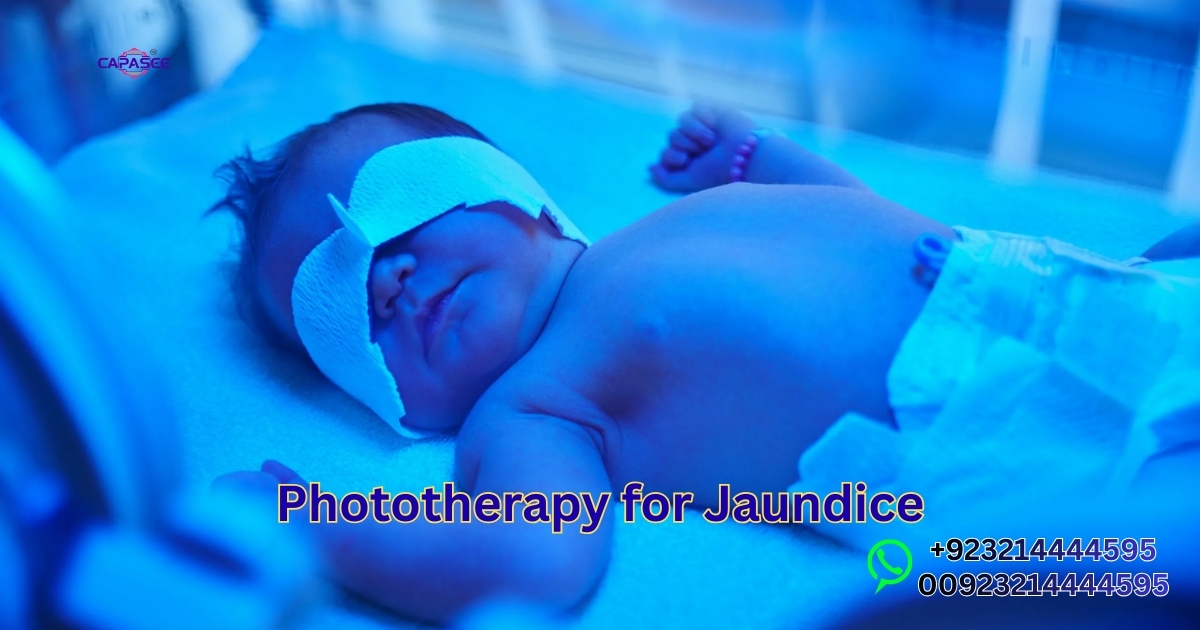
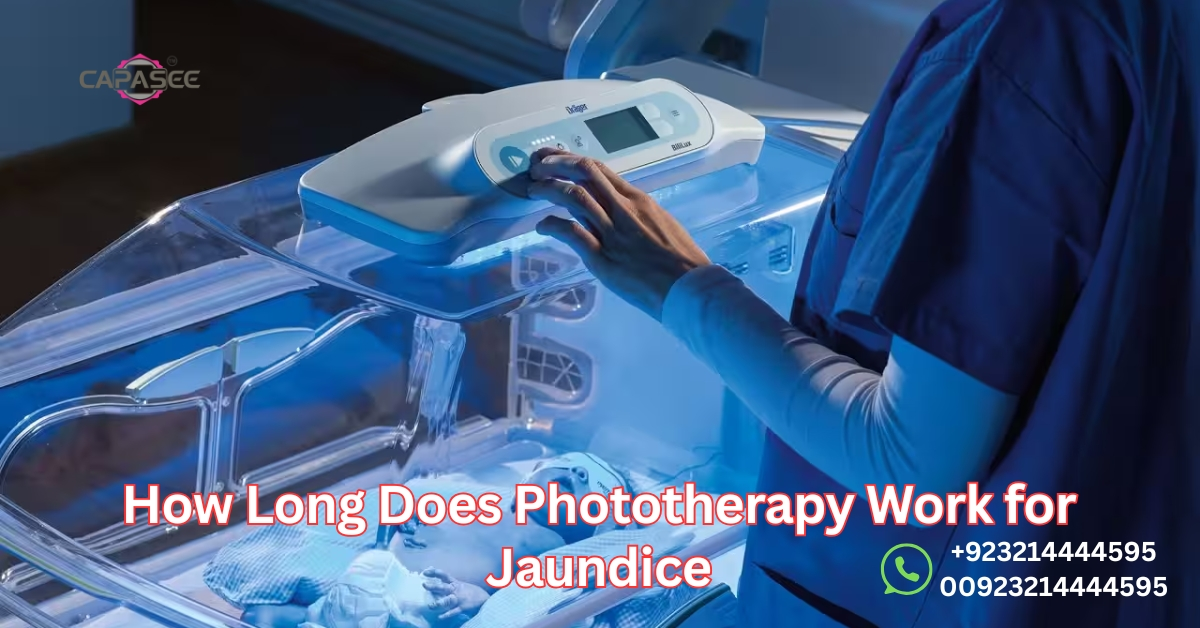
Phototherapy is widely used to treat neonatal jaundice and is used to reduce high bilirubin levels among newborns. Phototherapy work for jaundice by breaking down bilirubin in the baby’s body using specific wavelengths of light. Phototherapy to treat jaundice is usually based on the state of the baby and the rate at which bilirubin is decreasing.
Most infants take 24 to 72 hours of phototherapy treatment. Nevertheless, the hospital protocol regarding phototherapy recommends prolonged phototherapy in severe cases or situations where the bilirubin levels and the phototherapy time are not effective in lowering the jaundice. Understanding how phototherapy work for jaundice helps clinicians decide on treatment length.
Typical Duration of Phototherapy for Jaundice in Newborns
This is because the average time spent on phototherapy in newborns is 1 to 2 days in mild jaundice cases. Babies who have bilirubin reduction problems could require prolonged phototherapy in severe jaundice conditions, as recommended by physicians.
Phototherapy is effective in the decomposition of bilirubin in the baby. The way the baby reacts to the therapy will aid in deciding the duration of phototherapy. Phototherapy required to treat jaundice can take different durations depending on the age and term age of babies being treated against preterm jaundice.
Neonatal Jaundice Treatment Duration in Pakistan: What Parents Should Know
Phototherapy effectiveness is also regularly tracked by the bilirubin level in Pakistan. Phototherapy protocols indicate that continuous monitoring should be done to prevent hypocalcemia and other phototherapy adverse effects. Phototherapy commencement depends on the level of bilirubin in the baby, weight, and the general health of the baby.
In preterm babies, the period of phototherapy for jaundice might be longer than in term babies. Depending on the requirements of the infant, physicians will increase or decrease the phototherapy treatment period.
You May Also Read This Blog: Can Jaundice Be Cured Without Phototherapy
How Long Does Jaundice Last After Phototherapy?
The incidence of phototherapy recovery time after phototherapy for jaundice may fluctuate. The improvement in most infants occurs within 48 hours, although the jaundice could persist for a few days after it has been treated. Bilirubin should be monitored in the post treatment to make sure the levels are low in the baby.
Rebound jaundice after phototherapy may occasionally be the case and this is just a temporary rise in bilirubin level following the period of phototherapy. It, however, solves itself and in most cases does not have to go through any additional treatment.
How Effective is Phototherapy for Jaundice?
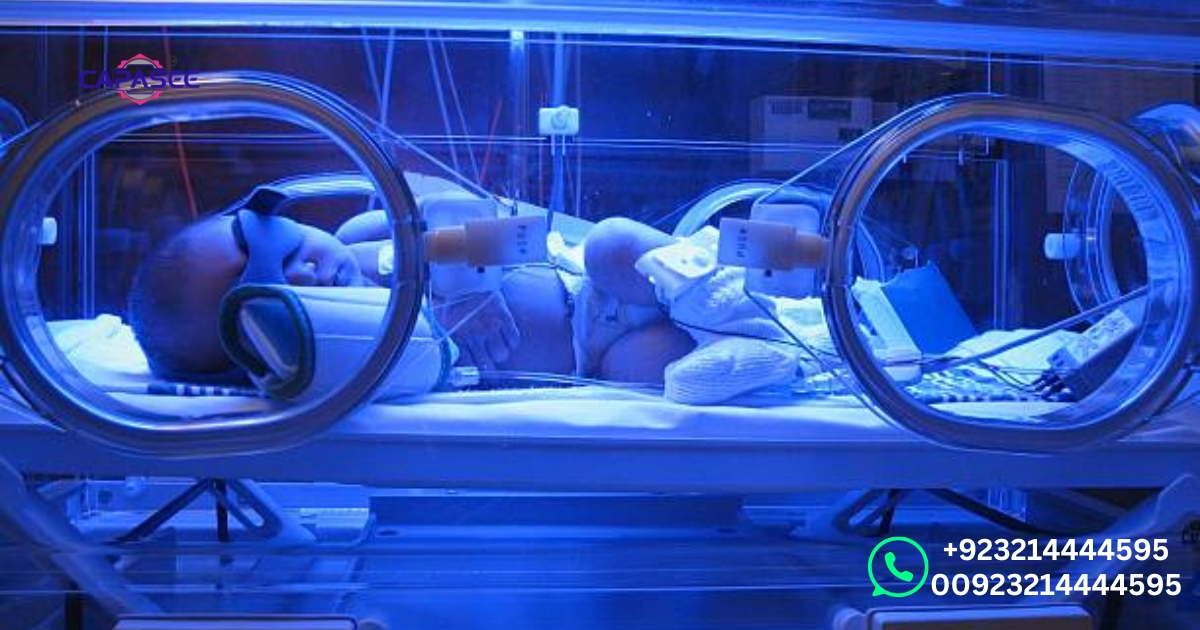
The intensity of light and wavelength of phototherapy play a very important role in the effectiveness of phototherapy. It is an effective treatment that lowers bilirubin levels, particularly when timely initiated. The type of light employed and the age of the baby are significant factors in the effectiveness of treatment.
In others, there is a complication of phototherapy, which may be a skin rash or dehydration, but these are very infrequent and are treated without any harm. Infants tend to respond, and bilirubin declines are seen after 24 to 48 hours.
How Quickly Does Phototherapy Lower Bilirubin Levels?
In most newborns, phototherapy reduces bilirubin levels in a short time. To effectively reduce the bilirubin level, light therapy must not be discontinued and the baby should be allowed maximum time in the light. This highlights how phototherapy work for jaundice best when applied continuously. Usually, the bilirubin level begins to go down in the first 24 hours of phototherapy.
Time taken to respond is also different depending on the health of the baby; term babies tend to react faster than preterm babies. Bilirubin level monitoring is an indicator to confirm that phototherapy is effective as desired.
Bilirubin Monitoring During Phototherapy and Afterward
During the period of the phototherapy treatment of infants, physicians check the level of bilirubin regularly. This would assist in making the treatment effective. Phototherapy work for jaundice when bilirubin is closely monitored throughout and after the treatment. After the phototherapy has been discontinued, post treatment bilirubin follow up is required to ensure that bilirubin does not increase once again.
The role of parents is to adhere to the recommendations of the doctor, who may recommend the time of phototherapy cessation, as well as when the baby should visit again. The release rates post phototherapy are defined by the bilirubin level and the overall situation of the baby. Monitoring is essential to ensure phototherapy work for jaundice without complications.
Bilirubin Rebound After Phototherapy – Is It Normal?
Rebound jaundice post phototherapy is a normal event in selected babies. It occurs when the bilirubin levels increase a little bit after the treatment is stopped, particularly in babies whose baseline levels are greater. Although this can raise an alarm, it does not normally need additional care except when the levels are dangerous.
Physicians will generally be monitoring bilirubin levels and phototherapy time closely post discharge to make sure that the baby is improving. In extreme cases, prolonged phototherapy may have to be used in severe jaundice cases.
Different Types of Phototherapy for Newborn Jaundice
Jaundice in babies is a condition that requires phototherapy as a cure. The therapy involves light to decompose bilirubin in the blood of the baby. This is how phototherapy work for jaundice, by transforming bilirubin into a non toxic form that the body can eliminate. Phototherapy is available in various forms that have varied efficacies.
LED vs. Conventional Lights: Which Works Faster?
The use of LED lights has taken over traditional lights due to the fact that they have increased light intensity and bilirubin reduction. This means LED phototherapy work for jaundice more efficiently. The LED phototherapy lights also reduce bilirubin levels faster than the old types of lights.
Intermittent vs. Continuous Phototherapy Efficacy
Constant phototherapy tends to be more effective in the reduction of bilirubin at a high rate. In mild cases, intermittent phototherapy can be employed in the treatment of jaundice, but it is not effective in cases of severe jaundice as compared to continuous exposure.
Phototherapy Lights for Jaundice in Infants
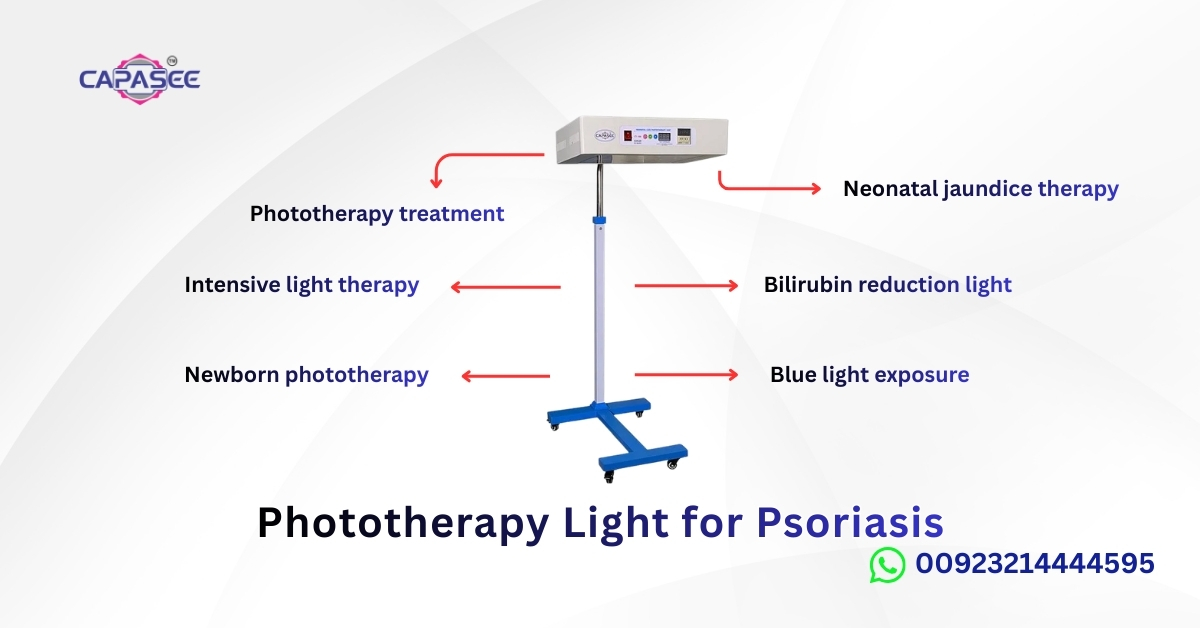
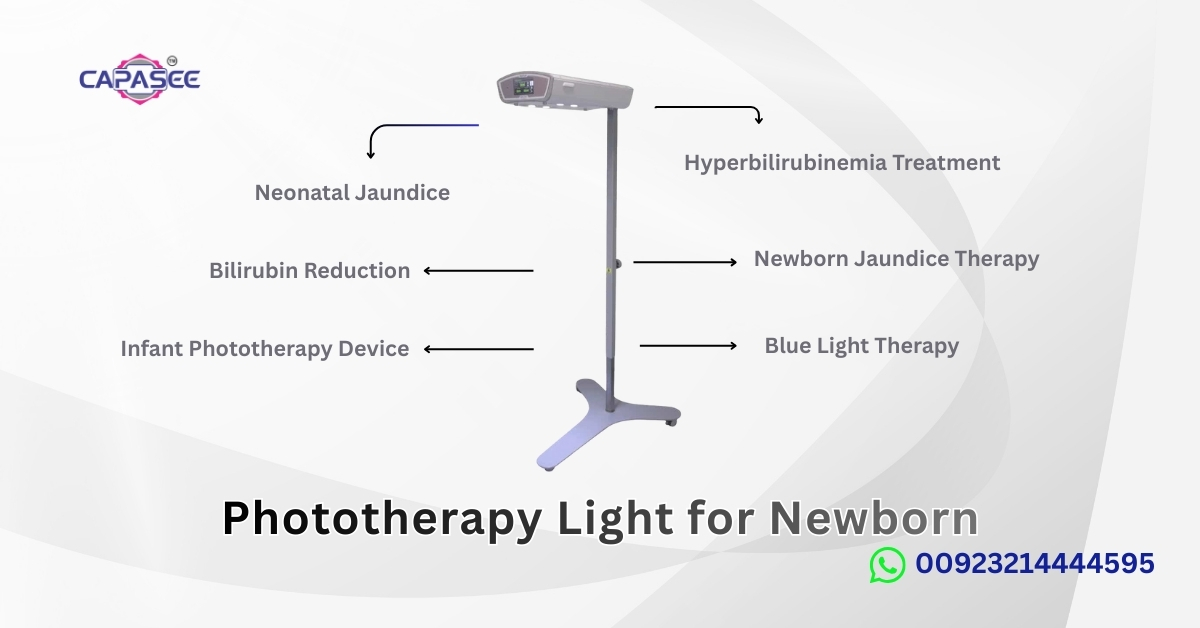
The phototherapy lights are very important in the success of treatment. These are neonatal lights that are intended to correct bilirubin levels in babies to ensure that they heal quickly following neonatal jaundice. Proper lighting ensures that phototherapy work for jaundice at optimal efficiency.
When to Stop Phototherapy for Jaundice?

The ability to understand when to discontinue phototherapy is crucial to the baby’s recovery. Bilirubin levels are closely observed by doctors to ascertain whether the treatment should be stopped or not because the bilirubin level is satisfactory. This careful monitoring is essential to confirm that phototherapy work for jaundice and has reached its goal.
Phototherapy Guidelines for Infants in Pakistan
Hospital guidelines on how phototherapy work for jaundice in Pakistan assist in deciding when phototherapy commencement and termination should be. The rules take into account the bilirubin rate and the general state of the baby in order to treat him/her.
Phototherapy vs. Exchange Transfusion: When is It Needed?
In case the bilirubin levels are not decreasing with the help of phototherapy, a doctor can prescribe an exchange transfusion. This is a process that is normally done in extreme cases in which the bilirubin reduction is inadequate.
Causes of Prolonged Jaundice in Newborns and Recovery Timelines
Breast milk jaundice, metabolic disorders and liver problems can cause prolonged jaundice. It is imperative to understand the cause that dictates the duration of recovery when phototherapy work for jaundice in newborns.
Potential Risks and Care During Phototherapy
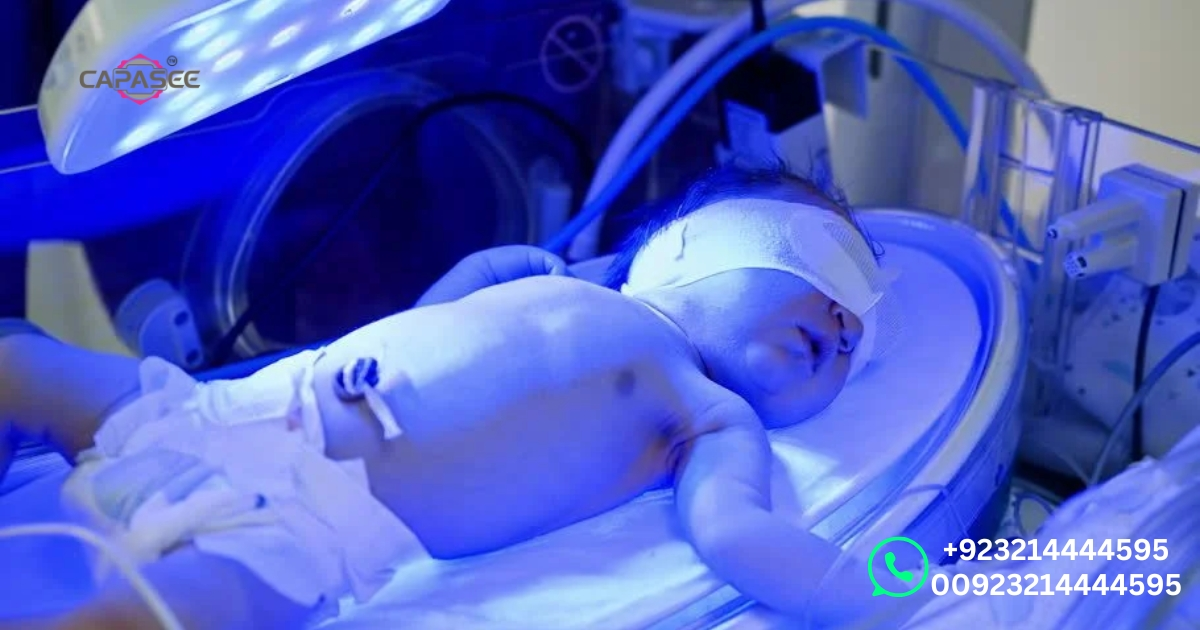
Jaundice phototherapy works as an effective treatment that has certain risks that may be encountered. Parents should know what complications of phototherapy may arise and how to take care of their baby when under treatment.
One has to adhere to the right instructions on the amount of time required for phototherapy work for jaundice treatment of infants and observe the infant. Complications of phototherapy can be avoided and safe recovery of neonatal jaundice can be promoted by attentive care.
Side Effects of Phototherapy in Newborns Explained
Phototherapy work for jaundice but may have side effects of skin rash, dehydration or temperature fluctuations. Their occurrence is quite rare but must be observed with attention to safeguard the health and well being of the baby.
Parents need to be sensitive about changes in the skin or feeding habits of their baby. This will assist in determining the possible problems at an early stage and the success of the bilirubin reduction process with phototherapy that works for jaundice.
Breastfeeding and Phototherapy: Should You Continue?
Phototherapy work for jaundice in the treatment process while encouraging breastfeeding. It aids in the elimination of bilirubin in the baby as well as maintaining their hydration. Continued breastfeeding will provide adequate nutrition as the baby goes through phototherapy.
Mothers are advised to ensure that they breastfeed even in phototherapy, which works for jaundice. This assists in decreasing the bilirubin levels of the baby and makes the baby comfortable in the course of treatment.
Phototherapy Complications in Neonates & Safety Tips
Phototherapy work for jaundice and complications, like hypocalcemia, are not common, however. By checking bilirubin levels and adhering to phototherapy instructions in the hospital, one can mitigate those risks and stay safe during the recovery.
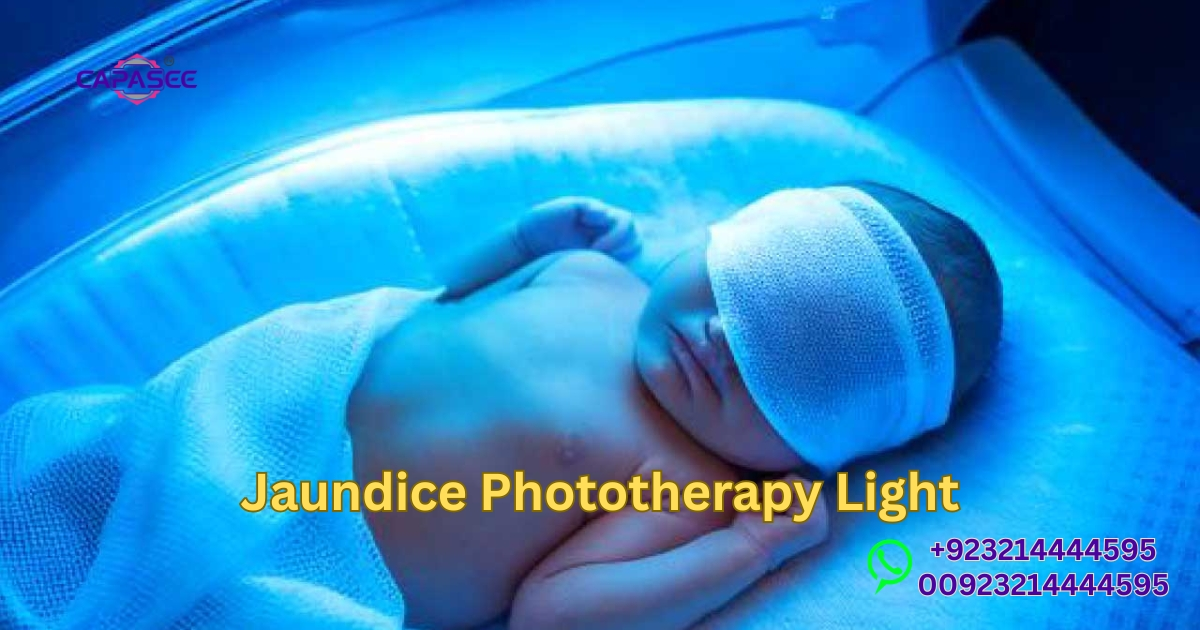
To avoid complications, every safety recommendation given by the healthcare provider must be followed by the parents. It is important to keep the eyes of the baby covered and hydrated in order to succeed when phototherapy work for jaundice.
Phototherapy Home Care Instructions for Parents
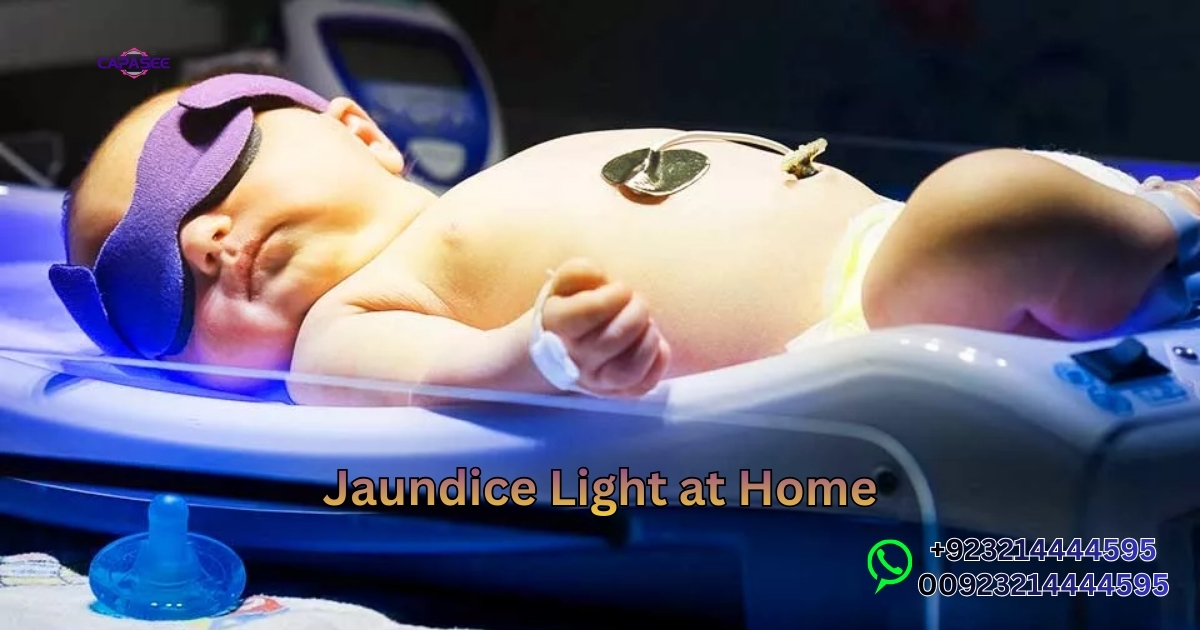
Parents should maintain the use of phototherapy that works for jaundice in the baby at home, as advised by the doctor. Measure the temperature and the bilirubin level of the baby regularly to guarantee the efficiency of the treatment.
In case of aggravation of the state of the baby or the emergence of any evidence of discomfort, contact the medical worker. Close attention is to be paid to home care to provide the baby with safety and the ability to eliminate bilirubin through phototherapy, which works for jaundice.
Phototherapy Nursing Care Plan in Hospitals
Nurses have a central role in the management of phototherapy that works for jaundice in the hospitals when dealing with jaundice. They also make sure that the phototherapy lights are in place, as well as checking the vital signs of the baby periodically.
Nurses also advise parents on how to follow up on the care of the baby at home after being treated. They are important for sustaining efficacy when phototherapy work for jaundice during the treatment period.
FAQ’s
How long does phototherapy for jaundice last?
Phototherapy normally takes between 24 to 72 hours according to the baby’s bilirubin levels and reaction to the phototherapy.
Does bilirubin increase again after phototherapy?
Rebound jaundice may also develop in certain situations, but normally it goes away without additional treatment.
What is the peak day of jaundice?
Newborn jaundice is most commonly highest during the second or third day of birth and slowly resolves.
How quickly can phototherapy work?
Phototherapy starts to act within 24 hours and reduces bilirubin levels fast.
How to tell if phototherapy is working?
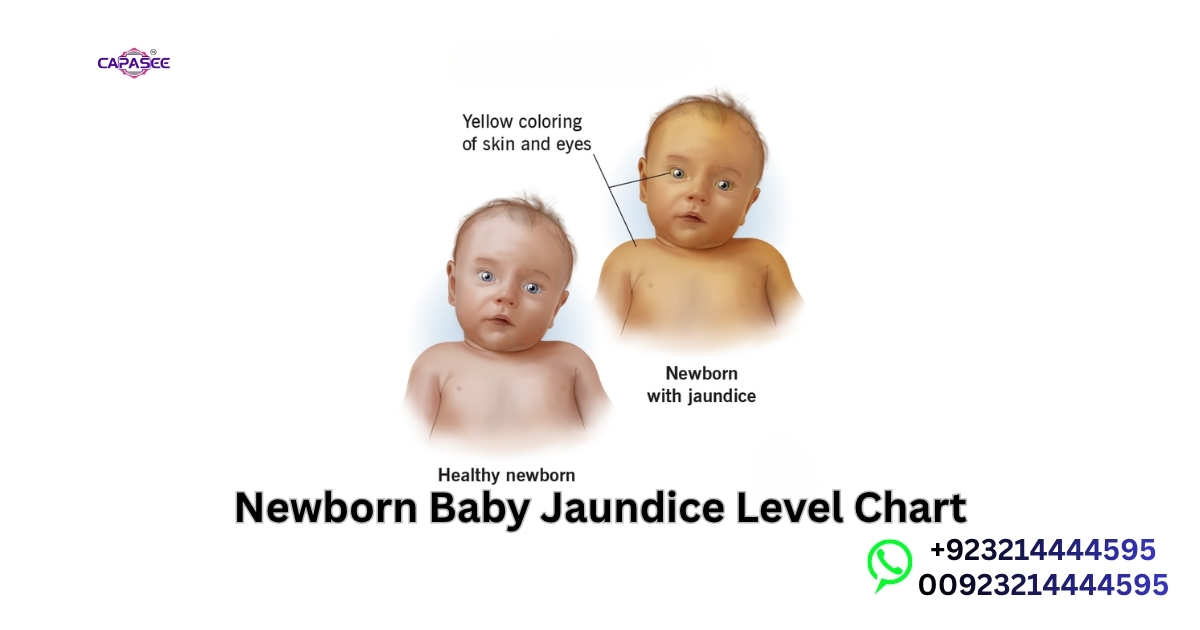
The liver will be observed to improve with a decrease in the bilirubin level and subsidence of the yellowish hue of the skin.
Conclusion
The duration of phototherapy work for jaundice depends on the extent of the disorder and how the baby responds to the treatment. The phototherapy is usually around 24 to 72 hour periods, although improvements in the levels of bilirubin are observable after the first 24 hours. Following the health and bilirubin reduction of the baby is important in offering effective treatment. In case of rebound jaundice, the condition normally clears spontaneously. Follow medical advice and keep in contact with medical practitioners so that your baby can receive optimum care in healing.