Blog
Is Phototherapy Safe For Newborns


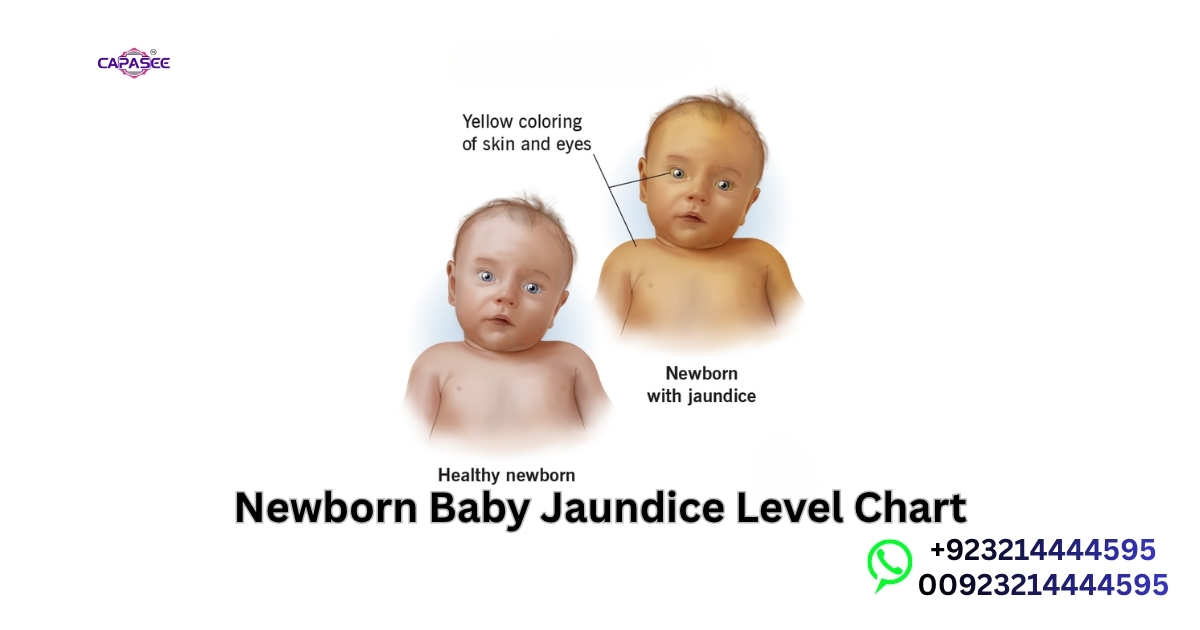
The birth of a child is one of the happiest moments, yet it is overwhelming as well because you begin to think about the health of your child. In case your little one is diagnosed with jaundice, you may be feeling a bit nervous about the treatment options for your child. Phototherapy can be rather confusing. Is phototherapy safe for newborns? Will it hurt them? It is quite natural to be concerned and you are not the only one in this case.
In this blog post, we will discuss the question of whether phototherapy safe for newborns is a valid concern and what phototherapy is and how it can be utilized to treat jaundice. We will simplify all you need to know, and you will be confident and informed enough to go through this portion of the health journey of your baby. Continue to read so as to get answers and relax.
Is Phototherapy Safe For Newborns? Neonatal Phototherapy Safety
Phototherapy is also popular in the treatment of neonatal jaundice, whereby the excess bilirubin in the baby is broken down. Phototherapy safe for newborns, is generally accepted as long as it is done under medical supervision. Nevertheless, one should be aware of the safety of the treatment and its risks, as well as the ways to safeguard the baby during the procedure.
Although LED phototherapy equipment is generally employed, it is important that parents adhere to phototherapy safe for newborns guidelines and safety precautions for newborns. They entail checking bilirubin and proper management of the skin and eyes of the baby. These guidelines would make the treatment safe.
Key Benefits of Phototherapy in Babies: Why It’s a Trusted Jaundice Treatment Option
Phototherapy is useful in the treatment of neonatal hyperbilirubinemia, which decreases the occurrence of bilirubin neurotoxicity. The phototherapy light assists in the breakdown of bilirubin, thus preventing accumulation that causes severe disorders such as acute bilirubin encephalopathy. It is a non invasive and very efficient method of treating newborn jaundice, and evidence supports that phototherapy safe for newborns is a trusted medical approach.
Phototherapy treatment has a generally positive outcome. It reduces the bilirubin levels rapidly and the infant recovers without undergoing additional invasive treatment. The treatment has gained global acceptance as a safe phototherapy for newborns and an effective way of caring for a newborn baby.
Risks and Phototherapy Side Effects in Newborns: What Parents Should Know
Although phototherapy is efficient, it has some side effects, including the destruction of DNA and oxidative stress in the infants. DNA damage can be induced by phototherapy, but only after long term exposure to light. During treatment, it is necessary to make sure that the baby is not dehydrated and that his or her temperature is maintained at the normal level to ensure phototherapy is safe for newborns.
Phototherapy may also cause hypocalcemia in neonates. This is the reason why periodic check ups of neonatal bilirubin levels and serum calcium levels are necessary to monitor the well being of the baby. Awareness of phototherapy safety in newborns includes understanding possible long term development outcomes, which should also be communicated to parents.
Managing Jaundice with Phototherapy: How Eye Protection and Skin Care Ensure Safety
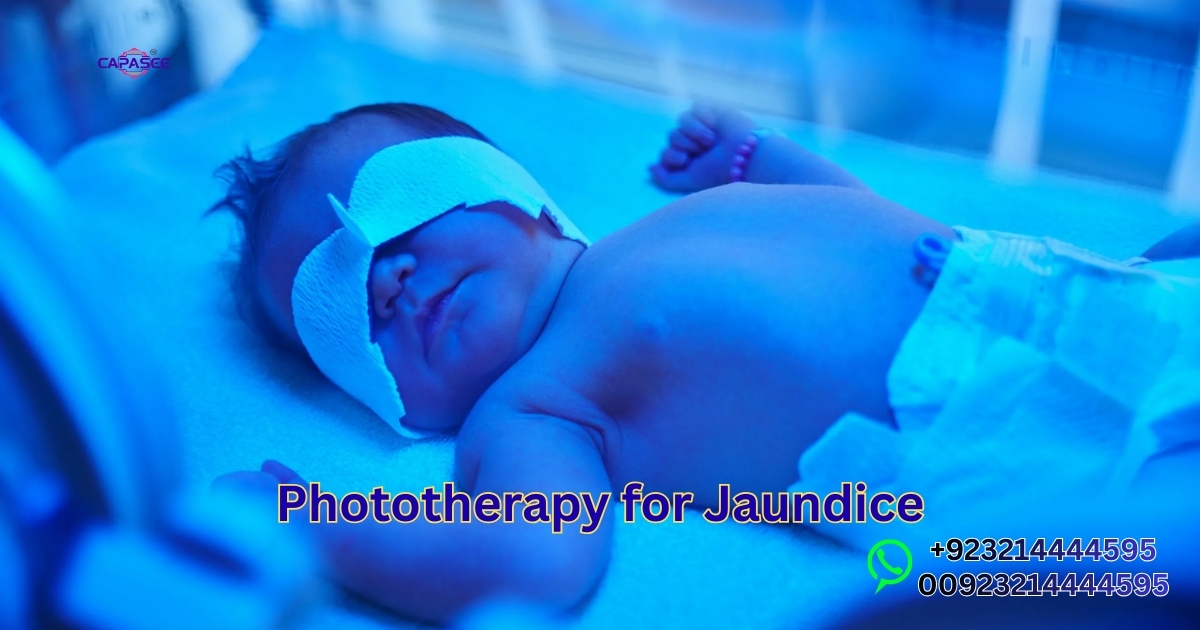
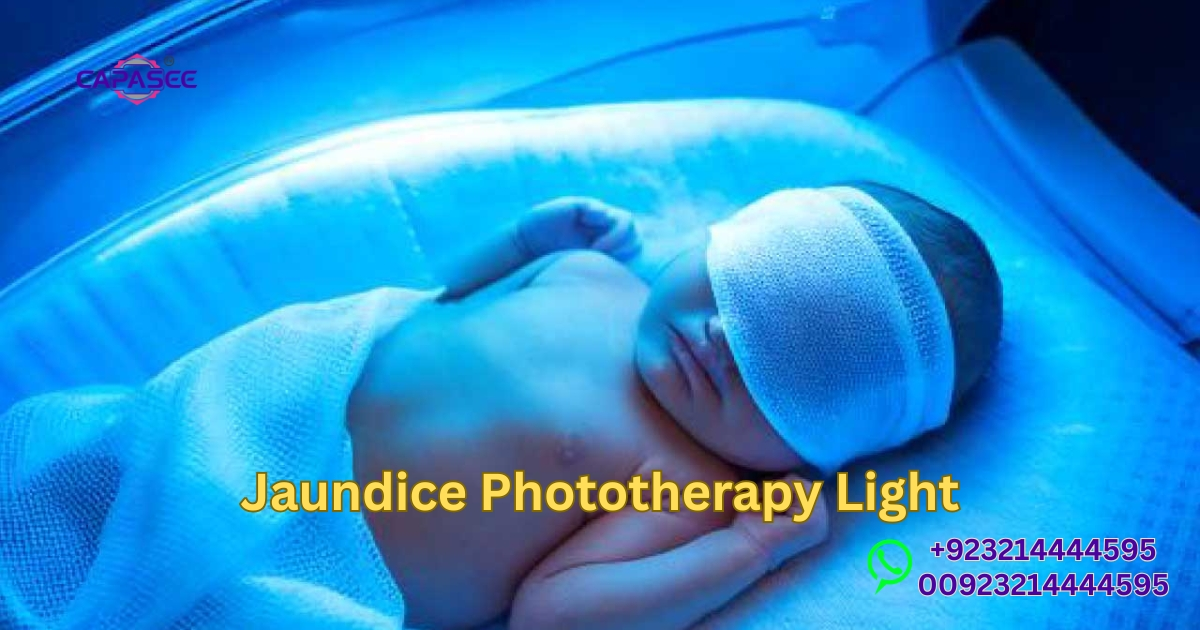
In phototherapy, it is essential to shield the baby’s eyes in order to avoid phototherapy complications. They wear special eye masks to be able to block the light so that it does not damage their sensitive eyes. Moreover, it is important to keep the baby’s skin covered so as to avoid oxidative injury exerted by phototherapy. These steps are critical to ensure phototherapy safe for newborns.
The parents ought to adhere to the instructions on breastfeeding during phototherapy and make sure that the baby receives sufficient fluids and nutrition. By tracking the baby’s state and hydration while under phototherapy, one can reduce such risks and enhance the effectiveness of phototherapy for newborn safety in term babies.
You May Also Read This Blog: How to Use a Phototherapy Machine
How Phototherapy Works: Treatment Duration, Light Intensity, and Types Explained
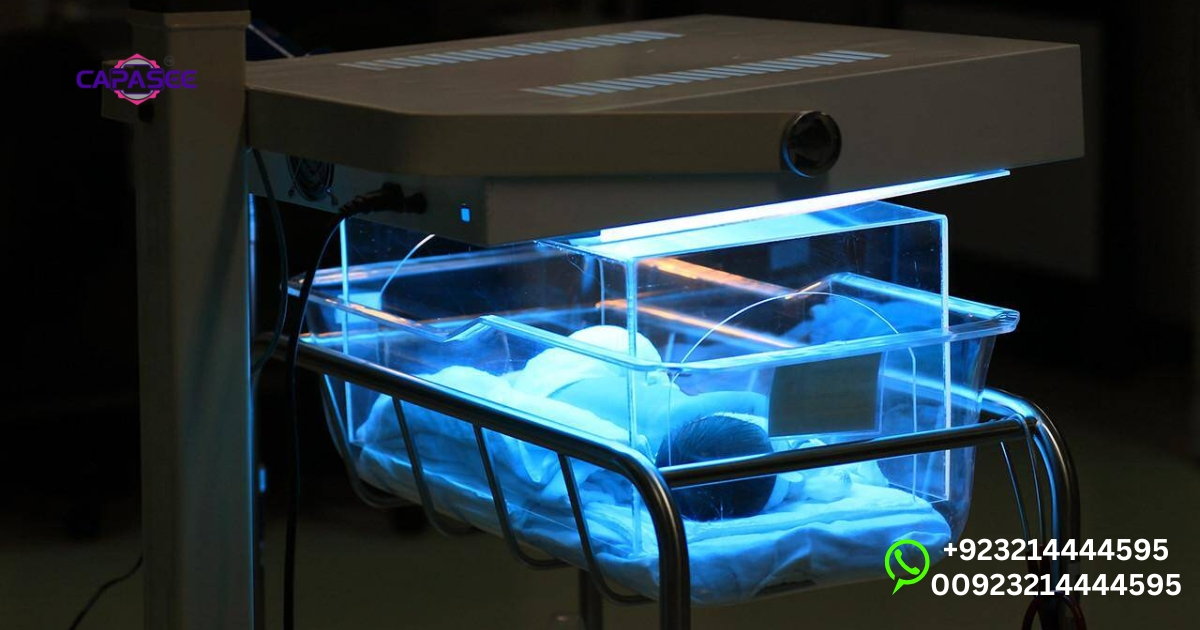
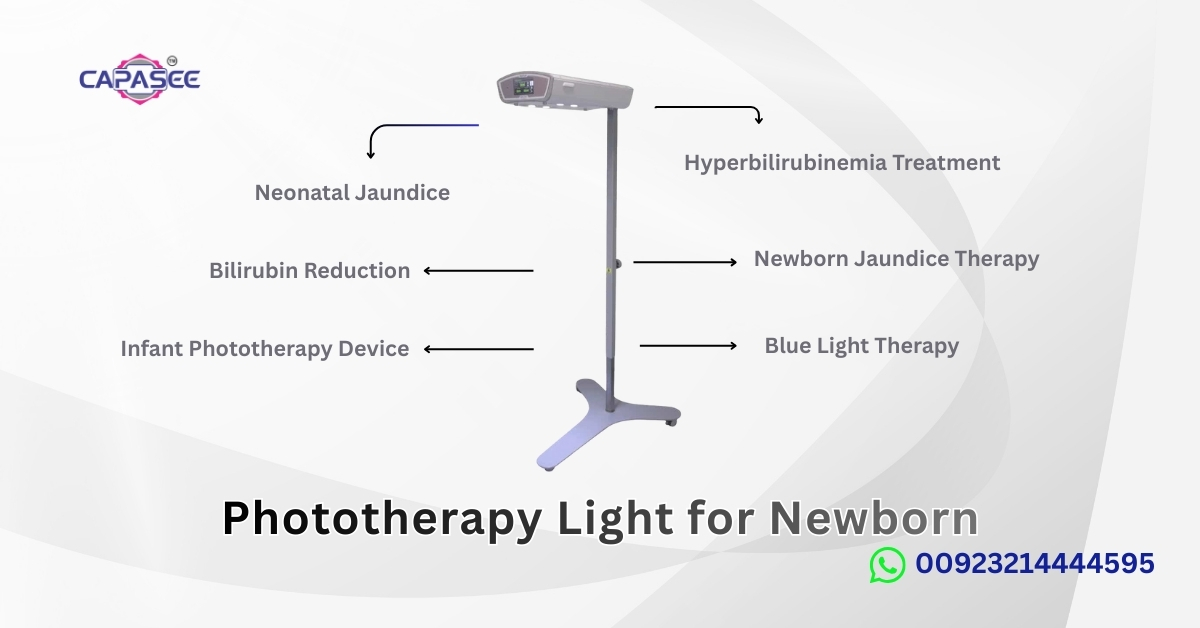
Phototherapy is a good intervention in the management of neonatal jaundice that assists in lowering high bilirubin levels in infants. The therapy entails subjecting the infant to special light levels in a bid to dissolve the bilirubin, hence averting bilirubin neurotoxicity. It is a process that usually involves a close check of the bilirubin to achieve the best outcome and maintain phototherapy safe for newborns standards.
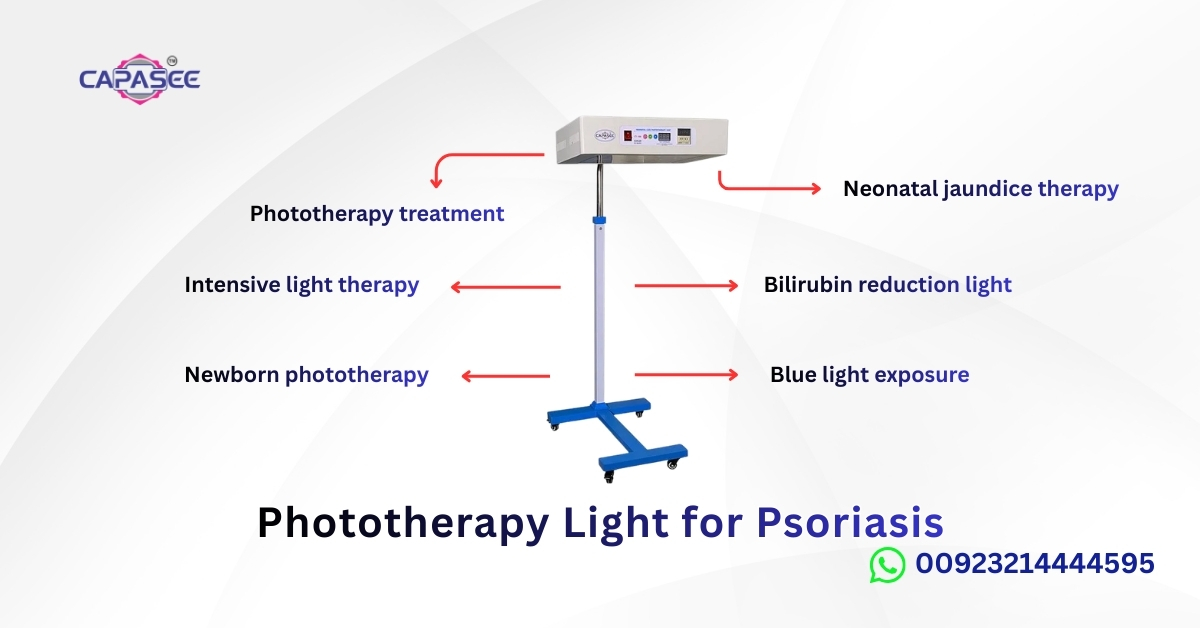
The risks and the length of phototherapy depend on the state of the baby and the type of LED phototherapy equipment used. Continuous and intermittent mono or combinations of the latter can be administered, and each option has certain phototherapy safety protocols for newborns to provide a safe fetus throughout the treatment.
Phototherapy Light Intensity and Distance: Optimizing Therapy for Maximum Bilirubin Reduction
The intensity of light must be moderate to make the treatment effective. In case the intensity is less than that, then it might not be able to break down the bilirubin. Maintaining a proper distance between the baby and the source of light is the optimal way to maximise bilirubin elimination with minimal photooxidative damage and other phototherapy side effects. These measures help ensure phototherapy safe for newborns.
Adequate light therapy is essential to getting effective results in phototherapy treatment. The safety of phototherapy for newborns depends on following guidelines that prevent the occurrence of oxidative stress in the newborns and reduce risks of skin DNA damage and other possible complications.
Intermittent vs Continuous Phototherapy in Newborns: Which Approach is Safer and More Effective?
The use of continuous phototherapy is typically recommended in severe cases of neonatal hyperbilirubinemia, as it provides a continuous reduction of bilirubin levels. Conversely, intermittent phototherapy is not as intense but can be applied in mild cases. Nevertheless, persistent exposure may escalate the dangers of hypocalcemia among the newborn, so it is essential to track the calcium level in serum. Both types, when monitored, can make phototherapy safe for newborns under proper conditions.
Monitoring the levels of bilirubin and keeping the baby hydrated and at the appropriate temperature are the keys to success in treatment. In that way, you minimize the chances of complications such as neonatal brain injury or other complications of phototherapy in newborns.
Home Phototherapy for Newborns: A Safe Alternative or Risky Choice?
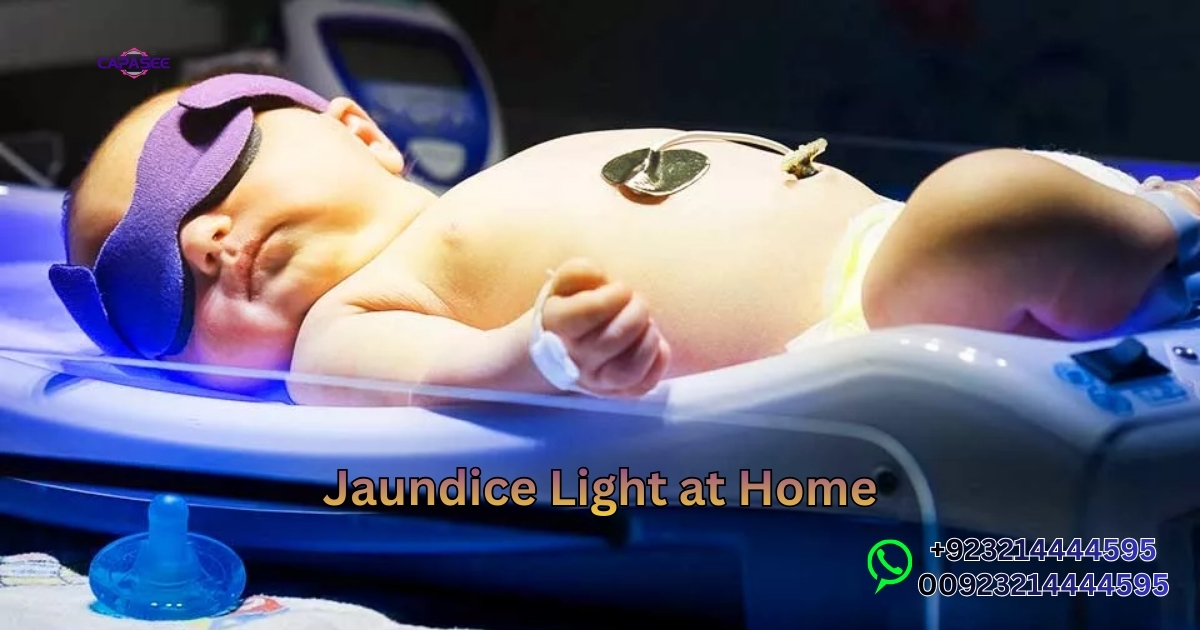
Home phototherapy may be a safe alternative treatment for less severe cases of neonatal jaundice, but it should be closely supervised. To ensure phototherapy is safe for newborns, the parents should observe the bilirubin level of the baby and the correct use of LED devices for neonatal phototherapy. Phototherapy can be administered while breastfeeding, supporting the health of the baby; however, close medical supervision is required to avoid phototherapy’s adverse effects.
Prior to home phototherapy, you should consult a pediatrician about this. To ensure phototherapy safe for newborns and to avoid complications such as oxidative damage from phototherapy, it is vital that the device is in compliance with phototherapy device safety standards and the health of the baby is correctly monitored.
Minimizing Complications: Best Practices for Phototherapy in Neonates
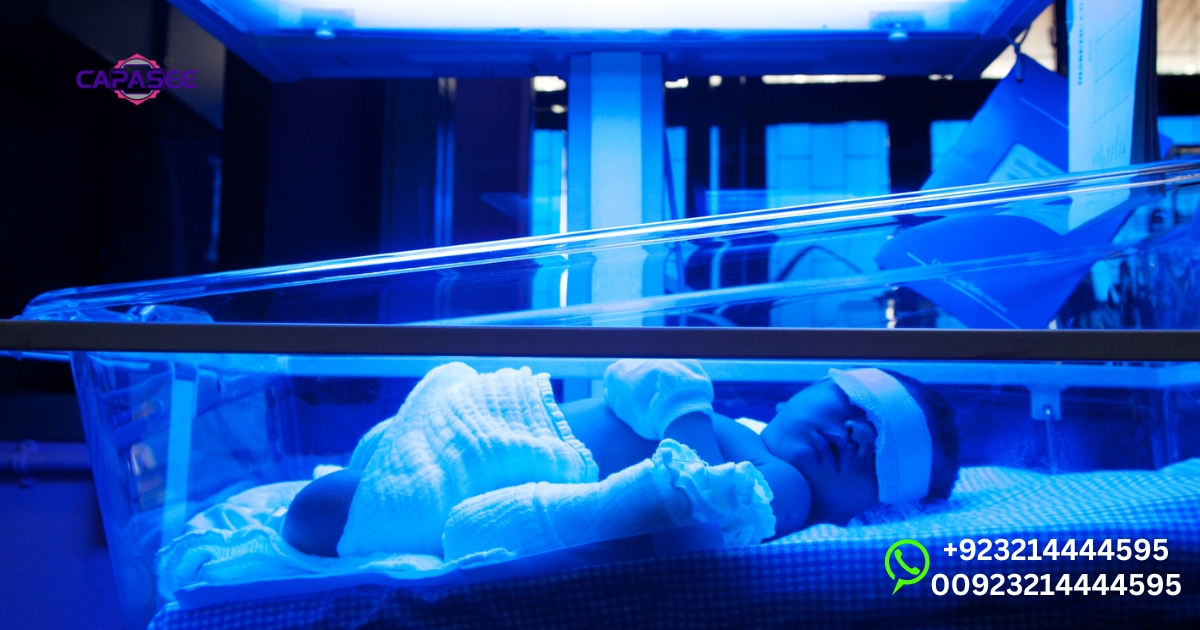
Phototherapy is a good remedy for neonatal jaundice, but it should be handled with a lot of care to avoid complications. To keep phototherapy safe for newborns, the safety guidelines of phototherapy indicate that it is important to track the levels of bilirubin to ensure that the treatment is effective. Maintaining good hydration of the baby and the right temperature also contributes to the prevention of such complications as hypocalcemia in newborns.
The correct way of newborn care when phototherapy is involved is critical to minimize phototherapy complications. Photooxidative damage and skin DNA damage may be prevented by protecting the baby’s skin and eyes. Adherence to the clinical practice guidelines of phototherapy will make phototherapy safe for newborns during the treatment process.
Common Complications of Phototherapy in Neonates and How to Avoid Them
The possibility of oxidative stress among newborns that may result in skin irritation or even destruction is one of the primary risks of phototherapy. In order to ensure phototherapy is safe for newborns, a parent ought to observe the phototherapy safety rules strictly. The baby should be monitored regularly on its skin to identify the possible early signs of damage.
Neonatal brain injury is another complication that may develop once the bilirubin level is not lowered sufficiently quickly. In order to prevent it, regular monitoring of bilirubin levels is recommended, and the treatment should be administered carefully. The prevention of bilirubin neurotoxicity is important through early intervention and helps maintain phototherapy safe for newborns.
Phototherapy and Newborn Skin Care: Essential Tips for Healthy Babies During Treatment
In the process of phototherapy, the skin of the baby must not be subjected to direct sunlight. Damage to the eyes of a baby is often avoided by using special eye masks. Light therapy may cause the skin to be dry and irritated and these consequences may be mitigated by moisturizing and keeping the skin in a clean state. These skin care steps support keeping phototherapy safe for newborns.
To reduce the oxidative damage caused by phototherapy, proper skin care is necessary. Parents are also advised to keep the baby moist and to apply mild products in order to prevent irritation. To make sure that phototherapy is safe for newborns, it is advisable to check for any evidence of photo oxidative damage regularly.
Evaluating Risks of Phototherapy for Infants: Expert Recommendations and Precautions
Professionals advise that the risks of phototherapy in infants should be considered thoroughly before treatment is commenced. Although the LED devices for neonatal phototherapy are effective, the baby serum calcium levels and overall health should be monitored through the therapy to ensure phototherapy safe for newborns. Parents must also be sensitive to the amount of time under phototherapy because excessive phototherapy may lead to phototherapy side effects.
It is also necessary to adhere to the safety standards of the phototherapy device to be safe. Monitoring the hydration of the baby under the phototherapy and ensuring a proper environmental setting will help reduce the risk that may occur and keep phototherapy safe for newborns.
FAQ’s
What are the side effects of phototherapy in babies?
The most common side effects, like minor skin irritation, dehydration, and skin tone changes are typically interim.
What is the best treatment for jaundice in newborns?
Newborn jaundice can be best treated by phototherapy, which aids the body in breaking down excess.
What is the success rate of phototherapy for newborns?
Phototherapy works very effectively and the success rate of most babies is about 95 percent in lowering the bilirubin levels.
What precautions should be taken during phototherapy in newborns?
To reduce risks, make sure that you are properly hydrated, watch your bilirubin, safeguard your eyes, and use safety precautions.
What are the disadvantages of phototherapy?
The drawbacks are that it can cause skin irritation, dehydration, and require constant attention to the patient in the course of treatment.
Conclusion
Is phototherapy safe for newborns? It is an effective and reliable therapy in dealing with neonatal jaundice. It has huge advantages in lowering bilirubin rates, but it is important to adhere to the safety level and pay attention to the baby. The risks can be minimized by protecting the skin and eyes, ensuring that the skin is well hydrated, and constantly monitoring bilirubin. Phototherapy safe for newborns, is possible when administered properly, hence it is a good choice in the treatment of most newborns with jaundice. They must always consult a medical practitioner in order to guarantee the safety and well being of their baby throughout the treatment.