Blog
Phototherapy Light Treatment

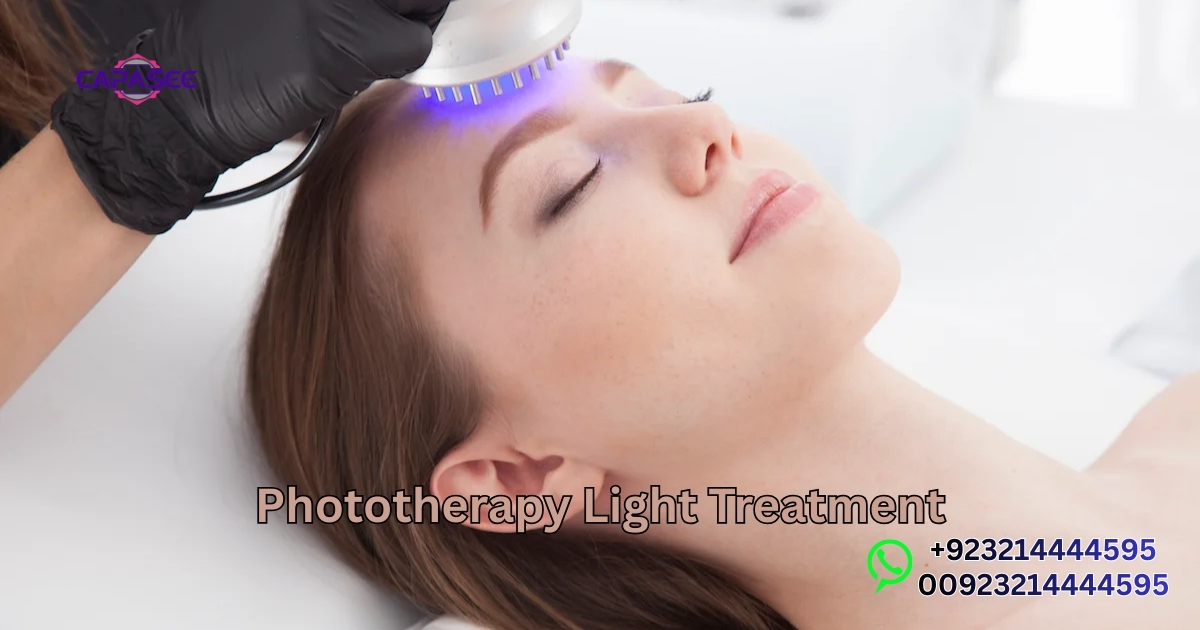
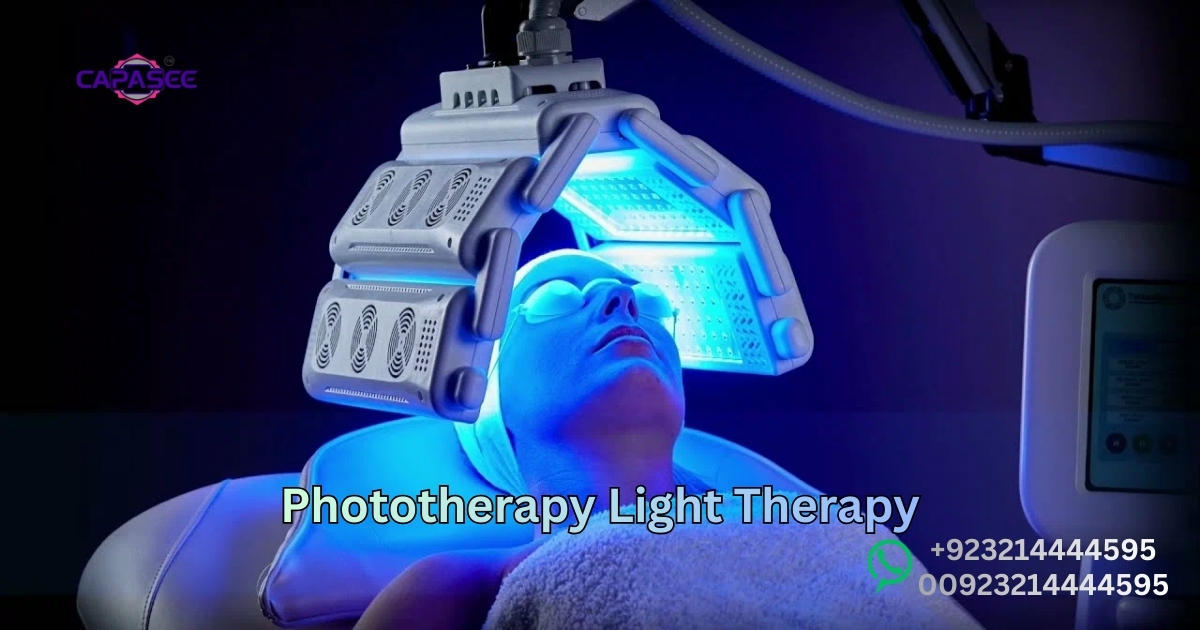
You are here because, most likely, you are getting bored because you feel out of shape, but not knowing why. Perhaps you feel, unaccountably, a fall of spirits, your skin is not clearing, or you are not getting a good sleep, despite all your efforts. Many individuals are seeking phototherapy light treatment when all other methods have not worked. It is natural to be curious and skeptical simultaneously. You simply wish to have something that is just helpful.
The light treatment of phototherapy is dissected in a simple and practical manner in this blog. You will know how, who, and what type of results you can actually achieve. We will also discuss the advantages, safety, and the ways in which phototherapy light treatment is used in everyday life by people. At its conclusion, you will have been able to determine whether this is the option that suits you and whether it is worth trying out.
What Is Phototherapy Light Treatment?
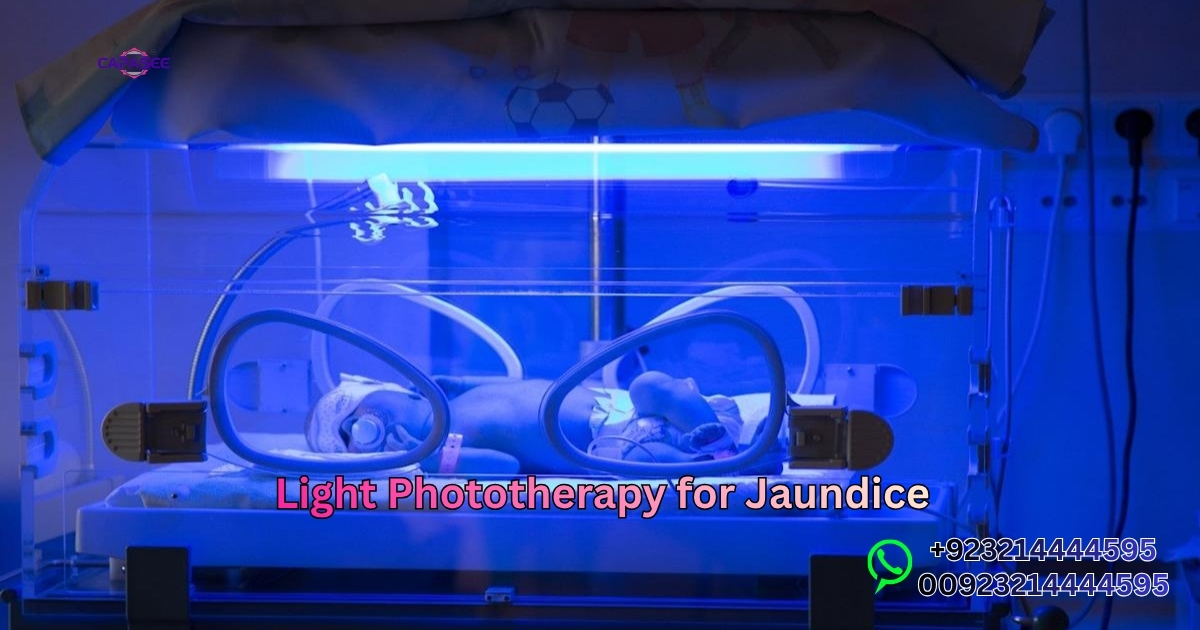
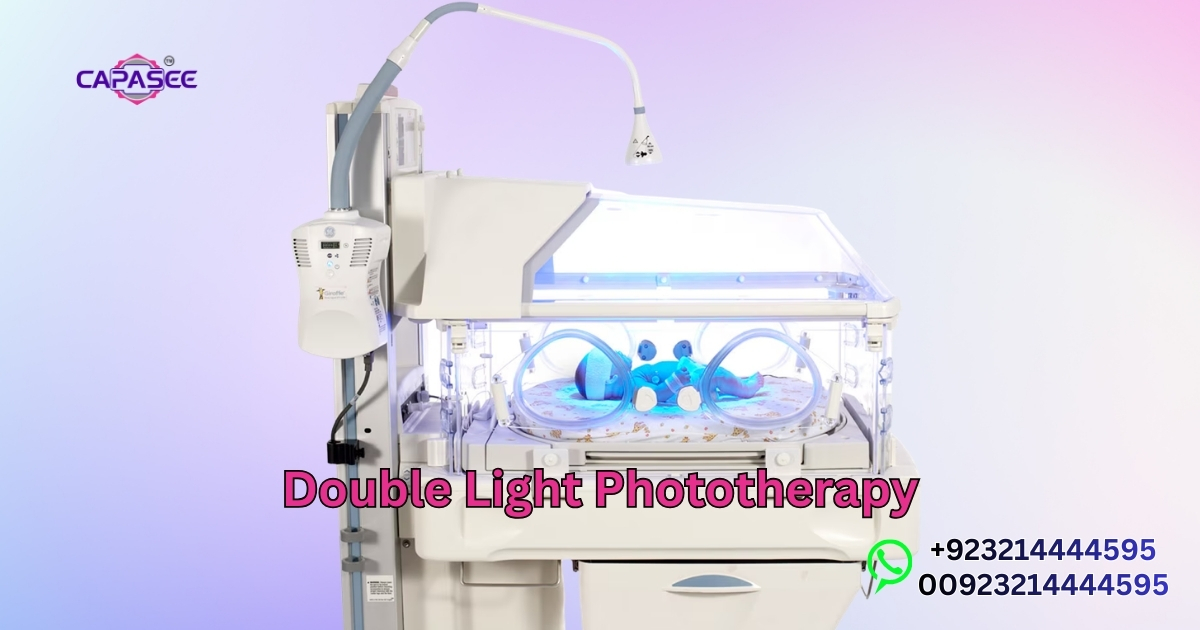
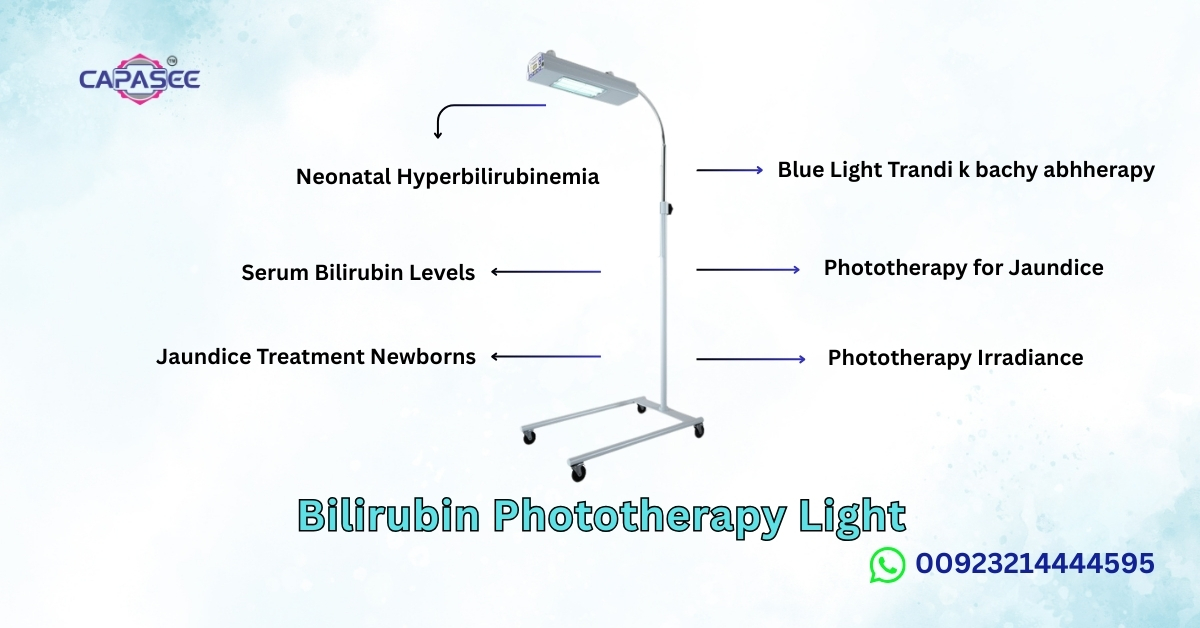
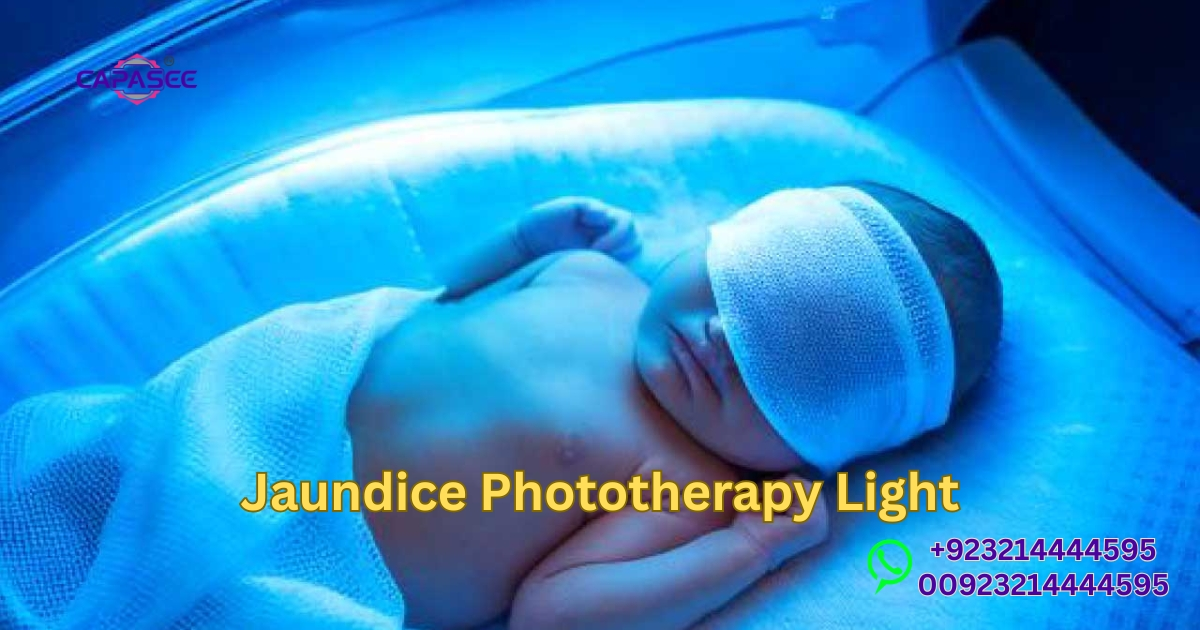
The phototherapy light treatment in neonatal care is widely used in hospital lighting. The wavelength specific light is utilized by doctors to assist babies with neonatal hyperbilirubinemia. This phototherapy light treatment lowers bilirubin levels within a short duration and without risk.
Infants with hyperbilirubinemia react favourably to high intensity light. This phototherapy light treatment can be a consistent bilirubin reduction technique with the application of Blue LED phototherapy or LED lamps. Pakistan has a strict light intensity dosage that is administered in hospitals.
Definition and Science Behind It
The phototherapy light treatment is a science that is easy to understand. Changes in light wavelength convert bilirubin into a product that the baby is able to excrete. Blue light spectrum is applied in newborn therapy to achieve quick results. It is a known phototherapy light treatment for jaundice.
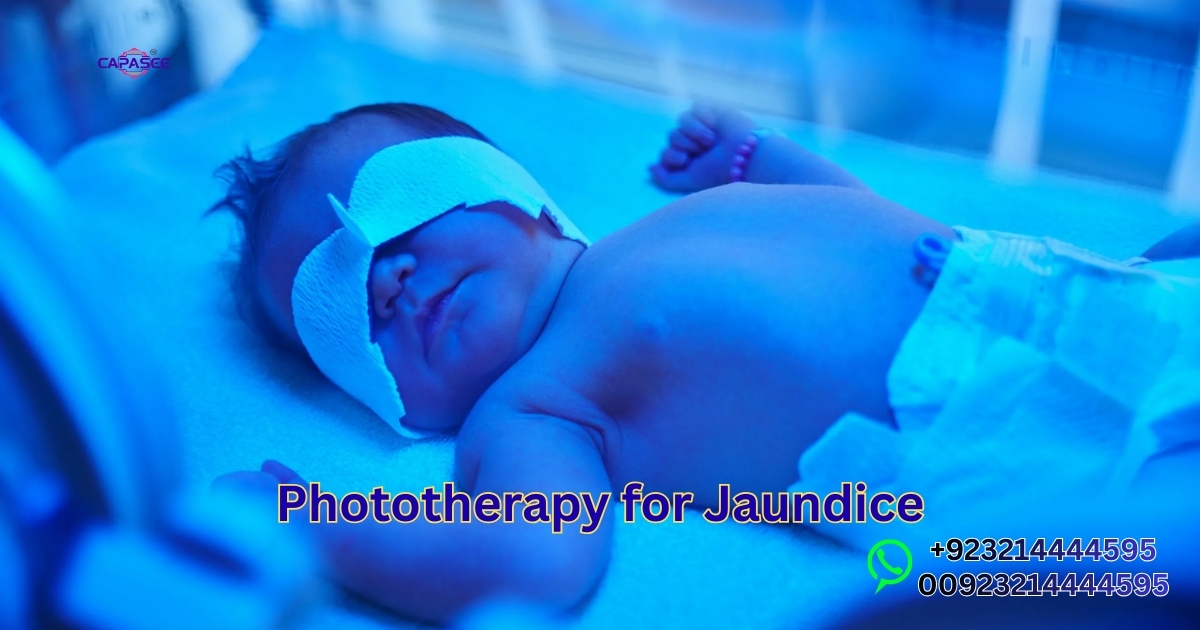
Intensive phototherapy light treatment is achieved by exposing areas of newborn skin to the right wavelength of light. It is non invasive and safe. Physicians pay attention to the time spent under the light to guarantee the successful treatment of neonatal jaundice.
You May Also Read This Blog: Types of Light Used in Phototherapy
How It Tackles Newborn Bilirubin
Phototherapy light treatment involves the use of light to break down red blood cells in the blood of babies. The yellow skin and eyes are a sign of neonatal hyperbilirubinemia, which is caused by high bilirubin. This phototherapy light treatment is a measure to ward off complications.
Bilirubin is also cleared faster with continuous light exposure time using blue LED phototherapy light treatment. The light systems of neonatal care are used by hospitals in order to prevent jaundice effectively and safely and to aid recovery.
Top Benefits of Baby Phototherapy Treatment
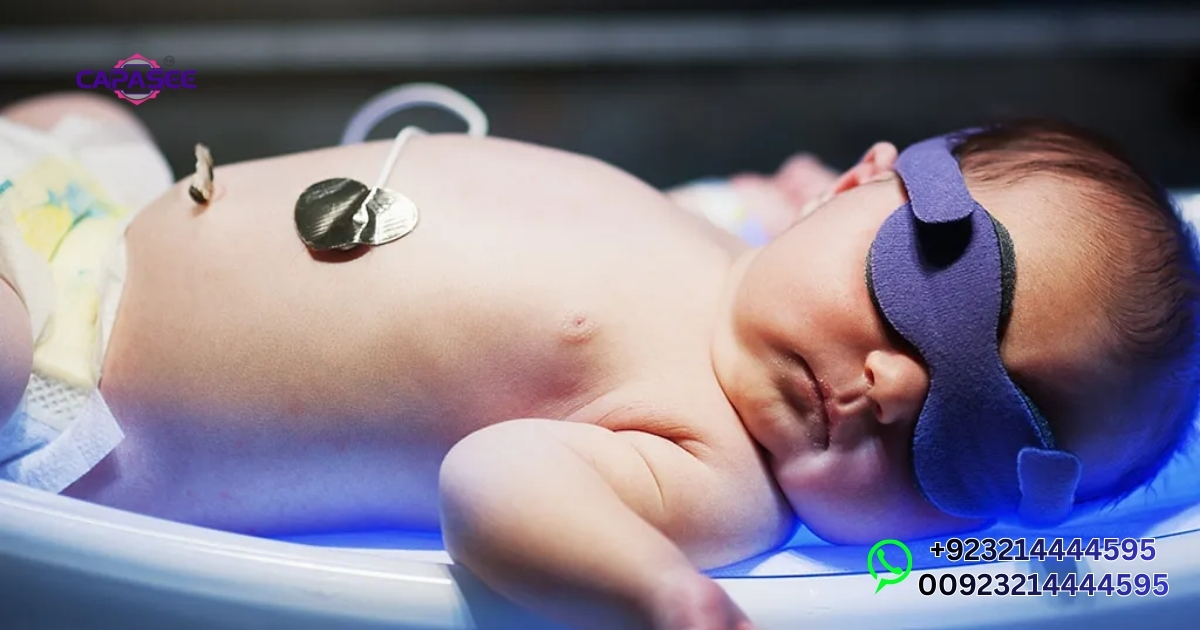
Phototherapy light treatment is a fast remedy for infants with hyperbilirubinemia. Newborn therapy decreases yellowing and promotes healthy liver functioning. In Pakistan, parents are confident in this safe and speedy phototherapy light treatment.
Further health concerns are also prevented by this phototherapy light treatment. Babies undergo safe neonatal jaundice treatment with the use of LED lamps that have the right light intensity dosage. It is a conventional bilirubin lowering procedure worldwide.
Rapid Jaundice Relief for Infants
Phototherapy light treatment aids infants in overcoming jaundice in a short period of time. Cyan light color permeates the skin and reduces bilirubin levels. This phototherapy light treatment is required in the management of early hyperbilirubinemia.
Physicians monitor the length of exposure to light and progress. With the help of intensive phototherapy light treatment, the baby can be treated effectively for jaundice and have a short hospital stay. Such practice is tested and valid in Pakistani hospitals.
Safe, Non Invasive LED Advantages
Phototherapy light treatment involves the use of LED lamps, which are safe and gentle. Lighting in neonatal care that involves wavelength specific lighting prevents burns and discomfort. It is a contemporary bilirubin lowering strategy.
Blue LED phototherapy light treatment has a regulated dosage of light intensity. Fast recovery with minimal stress is gained by babies. This neonatal jaundice treatment is a normal jaundice preventive measure in hospitals.
Table: Phototherapy Light Treatment Comparison
| Feature | Standard LED Phototherapy | Intensive Phototherapy |
| Light Type | Blue light spectrum | Wavelength specific light |
| Exposure Duration | 8–12 hours | Continuous monitoring |
| Safety | Non invasive | Controlled light intensity dosage |
| Effectiveness | Moderate | Rapid bilirubin reduction method |
| Use Case | Mild jaundice | Severe neonatal hyperbilirubinemia |
Best Jaundice Phototherapy Light Types
Phototherapy light treatment involves the use of wavelength specific light to decrease bilirubin levels in newborns. Pakistan hospitals use Blue LED phototherapy light treatment and intensive light exposure as a safe therapy for neonatal jaundice.
The primary objective is the management of fast hyperbilirubinemia. Doctors regulate the dosage of light intensity and light exposure time with the use of LED lamps. The infant phototherapy light treatment is skin safe and effective in the treatment of jaundice.
LED Phototherapy Jaundice Units
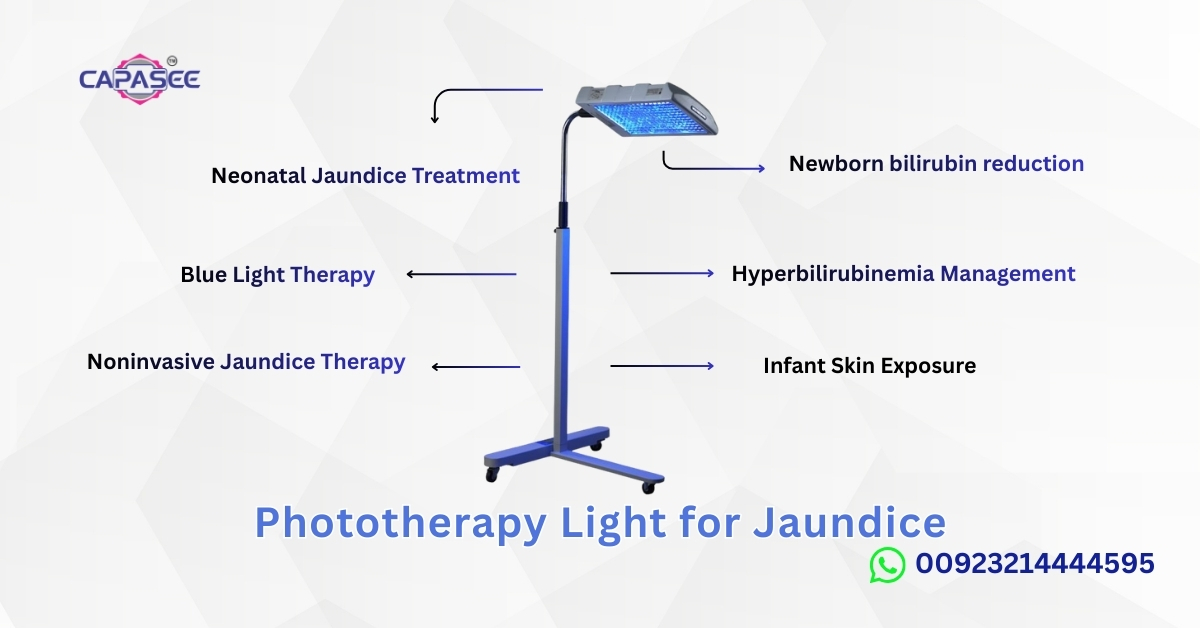
LED phototherapy light treatment units are widely used in neonatal care. The blue light spectrum passes through the skin and rapidly reduces bilirubin levels. It is a non invasive and dependable method of reducing bilirubin.
These units provide moderate intensive phototherapy light treatment with a harmless dosage of light intensity. The newborn skin treatment systems adopted by hospitals aim to guarantee jaundice prevention and prompt recovery.
Neonatal Phototherapy Pakistan Options
In Pakistan, parents and doctors prefer phototherapy light treatment according to the availability of hospitals. The new units offer specific light of different wavelengths and adjustable LED lights.
The models are available with the opportunity to provide intensive exposure to light and control the duration of light exposure to effectively manage neonatal hyperbilirubinemia. This makes the treatment of newborns safe and the treatment of jaundice uniform.
Check More & Purchase: Our Products
Capasee Phototherapy Unit Pakistan Guide

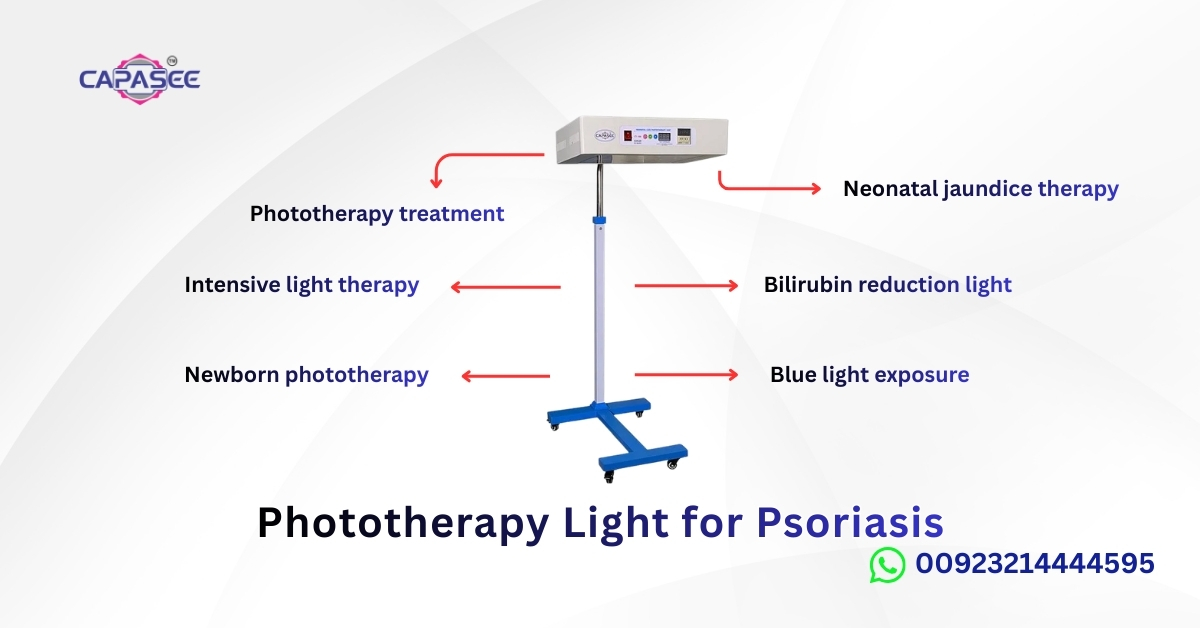
Capasee phototherapy light treatment involves an advanced blue phototherapy of infants using LED. Hospitals adopt it to utilize safe bilirubin reduction techniques and neonatal care lighting, which apply to the Pakistani environment.
The unit offers regulated light wavelength and measures the light exposure time. This infant therapy guarantees quick healing and aids in the jaundice prevention plan.
Why Choose Capasee Electro Medical Engineering
Capasee Electro Medical Engineering develops phototherapy units for the provision of intensive phototherapy. Their systems offer accurate light intensity dose and wavelength specific light, which is safe in the management of neonatal jaundice.
Pakistan hospitals choose Capasee as the reliable method of newborn skin treatment and the appropriate bilirubin reduction process. It provides an exposure to the blue light spectrum with regular monitoring for effective management of hyperbilirubinemia.
Set Up and Usage for Neonatal Phototherapy in Pakistan
Capasee phototherapy light treatment is easy to install. Install the LED lamps over the baby, change the light wavelength, and keep track of the duration of exposure to light. This provides safe treatment of jaundice.
Light exposure is also kept under strict control, and the nurses measure bilirubin levels during treatment. The neonatal care lighting guidelines are practiced in hospitals, and they offer effective therapy to the babies and the avoidance of hyperbilirubinemia complications in newborns.
Table: Phototherapy Light Options in Pakistan
| Feature | Standard LED Unit | Capasee Phototherapy Unit |
| Light Type | Blue light spectrum | Wavelength specific light |
| Exposure Duration | 8–12 hours | Adjustable for intensive phototherapy |
| Safety | Non invasive | Monitored light intensity dosage |
| Effectiveness | Moderate | Rapid bilirubin reduction method |
| Use Case | Mild jaundice | Moderate to severe neonatal hyperbilirubinemia |
Frequently Asked Questions
What is phototherapy treatment used for?
Phototherapy treatment can be applied to reduce the bilirubin levels of newborns and safely treat some skin related ailments by using light therapy.
What is phototherapy for eczema?
The use of phototherapy in achieving eczematous treatment involves the use of UV light to ease inflammation, decrease itching, and enhance wound healing in the long term.
How long do phototherapy sessions last?
The sessions take 15 minutes to a few hours, depending on the condition and the recommendation of the doctor.
How many hours of phototherapy for jaundice?
Newborns are normally required to receive phototherapy in the form of light therapy for between 8 and 12 hours, but it can take more time with highly elevated bilirubin levels.
Can jaundice return after phototherapy?
Yes, jaundice may recur when the bilirubin level increases once again. Doctors can check the baby and repeat phototherapy when necessary.
Final Thoughts
Phototherapy, or light therapy, is a harmless, powerful, and highly reliable technique of controlling neonatal jaundice and other skin disorders in infants. It rapidly reduces the bilirubin level with the help of wavelength specific light and LED lamps, but does not harm sensitive newborn skin. Pakistani hospitals use phototherapy light treatment to achieve quick recovery, less stress, and consistent management of hyperbilirubinemia. Parents can feel confident knowing that phototherapy light treatment is safe and effective for their baby’s health, with the correctexposure time and intensive phototherapy plans.