Blog
Why Phototherapy Light is Blue

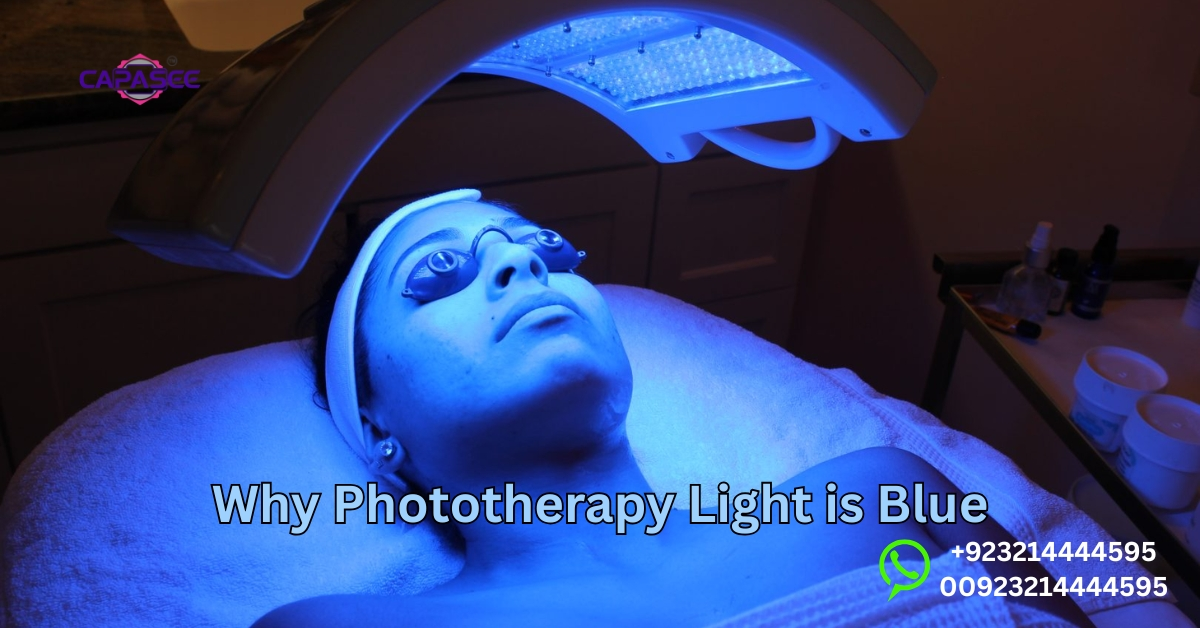
Have you ever wondered why phototherapy light is blue? When you have been staring at that glowing blue light in a hospital nursery? Perhaps you have noticed a newborn being treated and ended up with a knot in your stomach, not knowing what it is all about. Being curious or even anxious is quite natural, particularly when you are taking care of a small one in Pakistan and you wish him to be the best. That blue light will be foreign, and you would like to understand the specific reason behind its application and its safety.
You will find the straightforward and easy to understand reason why that light is not blue just to be pretty, but because phototherapy light is blue to be scientific. We will discuss the process of this treatment and the real effects of the colour used and how it can be used to help babies (and others in some cases) heal quicker. At the conclusion, you will be knowledgeable and confident enough to learn to learn and ask the correct questions when it comes to phototherapy light.
Why Blue Light Works Best

The explanation as to why the light of phototherapy light is blue is the fact that bilirubin breakdown in babies with neonatal jaundice is targeted by blue LED light wavelength. This is the phototherapy therapy involving non ionizing blue light therapy with a wavelength of about 475 nm to cause a chemical reaction on bilirubin. Bilirubin that picks up light at this wavelength of light to cause jaundice is converted into forms that the body can safely eliminate. The effectiveness of blue light spectrum phototherapy and the significance of phototherapy light intensity in the effective treatment have been supported through research.
The blue green band is most effective in treating neonatal hyperbilirubinemia based on the directives of intensive phototherapy, as phototherapy wavelengths that are deemed safe are those that produce the greatest action of the phototherapy lamp or LED phototherapy device. The phototherapy light source should be able to give adequate light therapy body surface coverage and adhere to the adequate light radiation measurement of microW/cm 2/nm. This is the reason why phototherapy light is blue and better in treating jaundice compared to other colours.
You May Also Read This Blog: Top Phototherapy Light Types for Fast and Safe Treatment in Pakistan
Phototherapy Light Wavelength Explained
The definite range that demonstrates the importance of the colour is between 430 nm and 490 nm, which is the traditional blue and blue green spectrum. In this wavelength, the photons are absorbed by bilirubin and the bilirubin is changed in shape (so called photobiomodulation therapy) to generate more water soluble isomers such as lumirubin. The conversion helps to get rid of them more easily through urine and stool, decreasing the chances of bilirubin encephalopathy.
Other benefits of the blue LED phototherapy are that it has a deeper penetration into the skin and it is not as hot as compared to the older halogen lamp/ fluorescent tube. Replacement of fluorescent tubes with LED units and halogen lamps with LED units is better to guarantee improved performance and safety. Clinical guidelines also focus on increasing factors of phototherapy effectiveness by maintaining the proximity of the source of light and proper exposure of the skin, especially since phototherapy light is blue in the optimal treatment range.
How Phototherapy Works on Jaundice
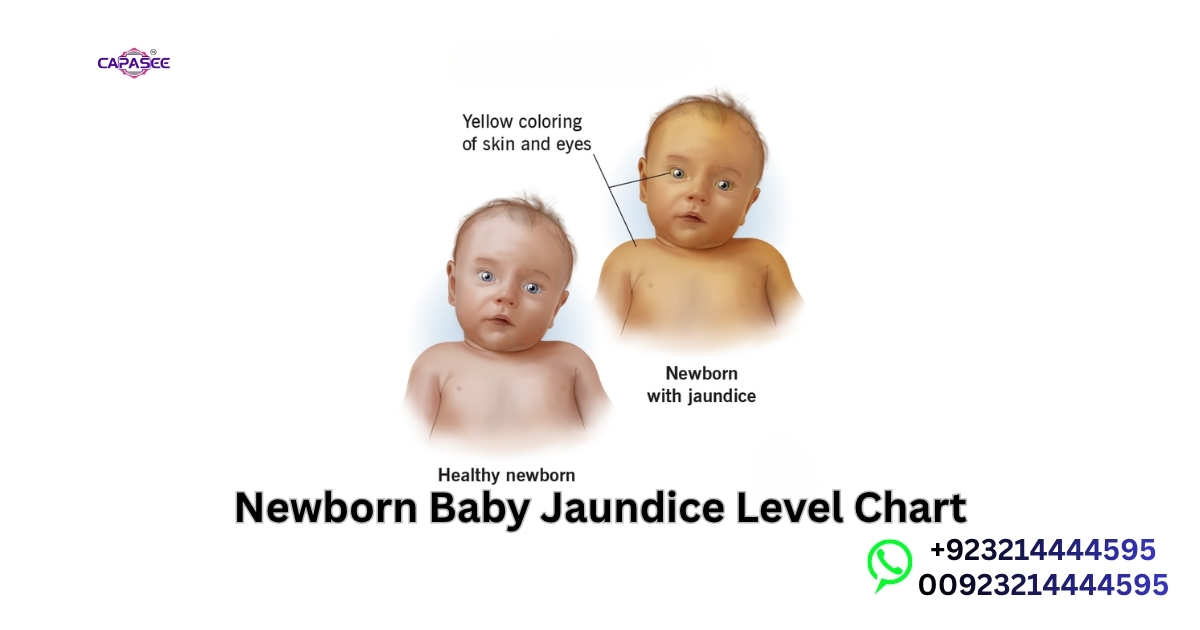
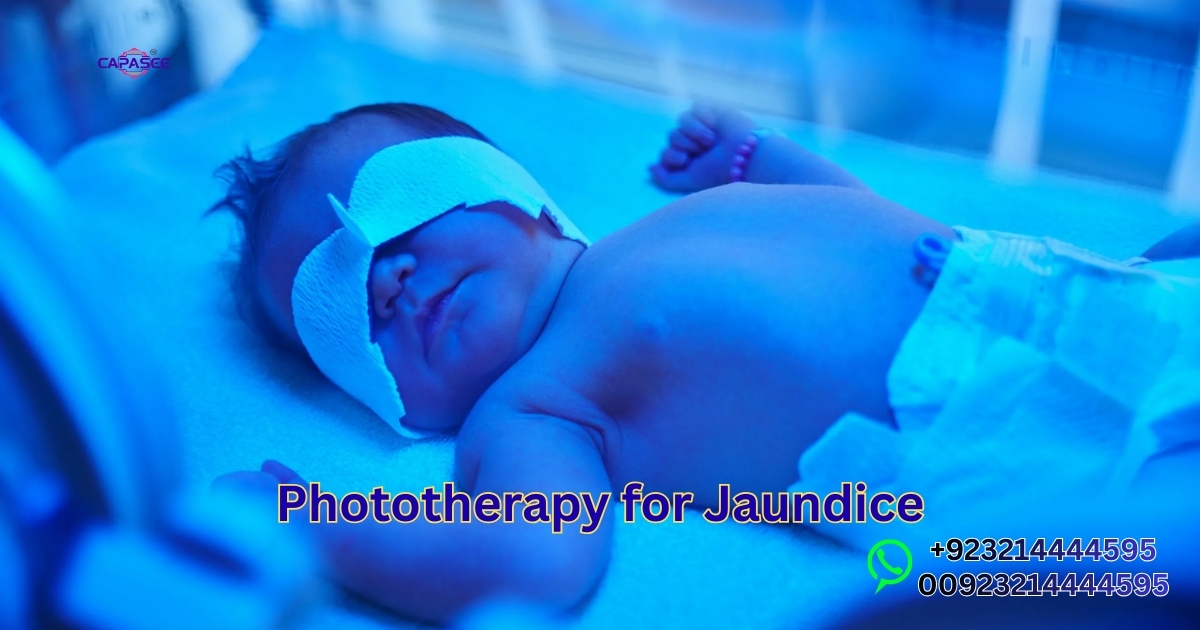
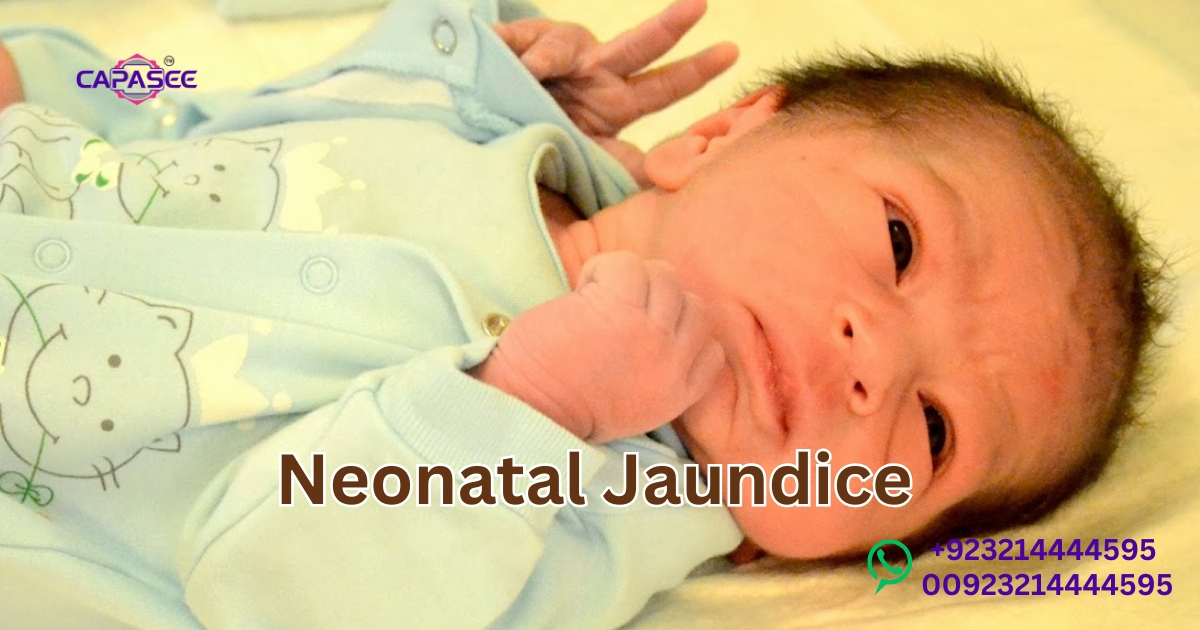
When it comes to neonatal jaundice excess of bilirubin builds up in the blood of the baby, which can cause brain damage unless it is cleared. The phototherapy lamp generates the blue green spectrum, which directly reacts with the molecules of bilirubin in the skin. The process of excretion is stimulated by the light hitting bilirubin as the pigment changes to a soluble form after being insoluble, increasing excretion.
Frequent monitoring of serum bilirubin level helps to determine when to discontinue therapy in terms of intensive phototherapy. High intensity phototherapy is beneficial and produces effective results, provided that it is used properly. Some of the supporting measures involve the maximization of the exposed surface area (undressed infant, minimal covers) and the need to ensure that the irradiance values are correct in microW/cm²/nm, especially when phototherapy light is blue and functioning at peak efficacy.
Benefits of Blue Light Phototherapy
Blue light phototherapy will substantially reduce high bilirubin levels in a short period of time and prevent kernicterus and other adverse outcomes in Pakistan’s neonatal care units. Phototherapy side effects are uncommon and can be controlled in case the devices adhere to intensive phototherapy principles.
A table summarises key benefits and some safety notes below:
| Benefit | Detail |
| Rapid bilirubin reduction | Blue‑green wavelengths target bilirubin efficiently. |
| Reduced brain damage risk | Helps in bilirubin encephalopathy prevention by early treatment. |
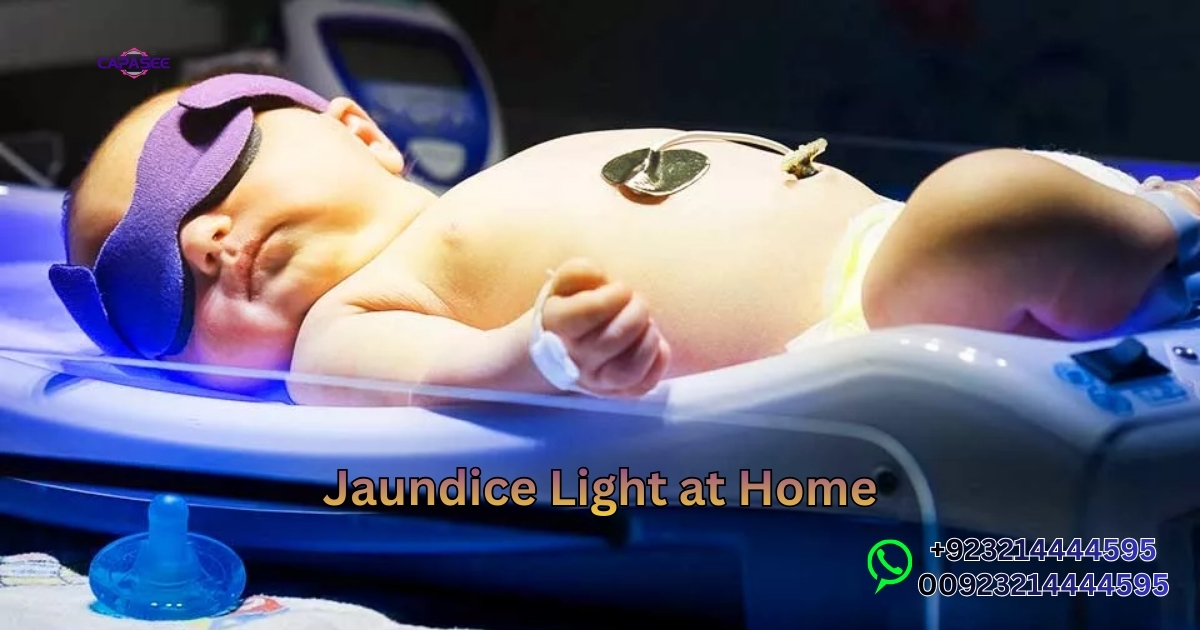
| Gentle on skin and eyes | Using proper eye covers and monitoring avoids serious side effects. |
| Versatile equipment | Modern LED phototherapy device units replace older systems for better safety and coverage. |
The option of blue light spectrum phototherapy implies that the newborns would be treated specifically with a minimum number of interruptions and enhanced outcomes in the context of neonatal metabolic disorders, supported by the fact that phototherapy light is blue for optimal bilirubin absorption.
Check More & Purchase: Our Products
Blue Light Phototherapy Benefits for Newborns
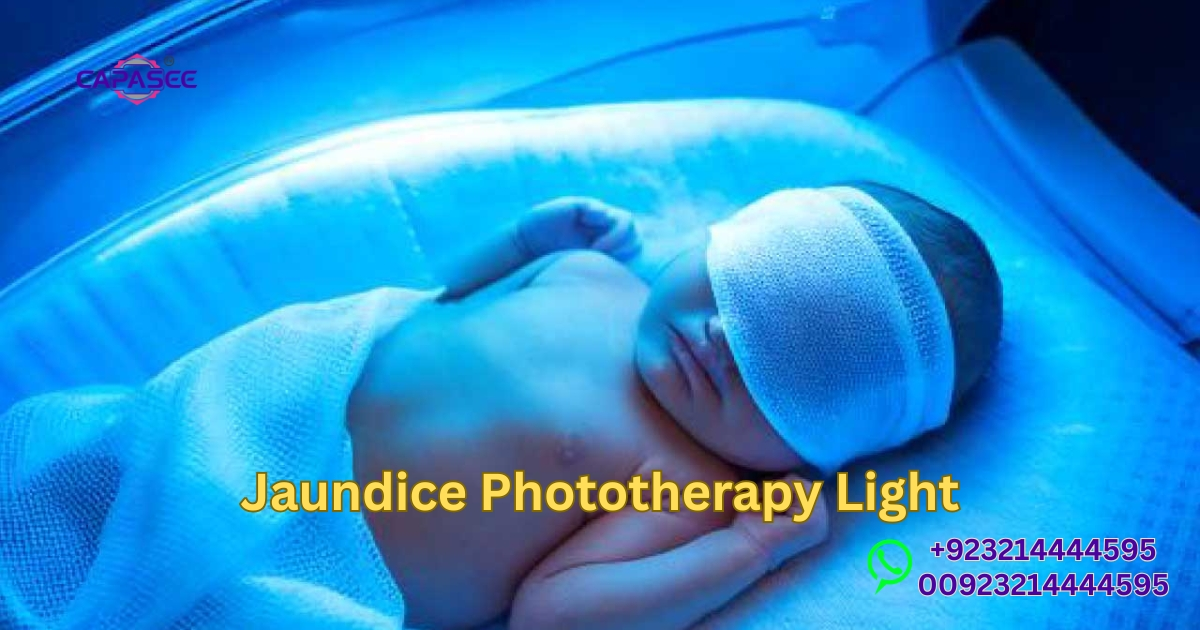
In the case of babies undergoing neonatal hyperbilirubinemia treatment, blue light translates to reduced yellowing of the skin and eyes, faster recovery and sooner discharge of the babies, and improved comfort for the family and personnel. The coverage of the light therapy body surface area is better when the baby is properly placed under the blue light. The benefits of Blue LED phototherapy are that it has reduced heat emission and its design is convenient to the Pakistani hospital setting.
Pakistan health teams should use contemporary phototherapy lamp systems to achieve successful intervention and safe care of newborn babies. There was a pilot study that indicated that a cheap blue LED system would reduce bilirubin with no complications, reinforcing why phototherapy light is blue in modern equipment.
Is Blue Light Safe for Newborns?
Yes, it is safe to use blue light at the right wavelength of jaundice and intensity. It is non ultraviolet and non ionising, thus avoiding dangers associated with UV. The risk of phototherapy treatment related complications can be decreased with the help of standard precautions, such as eye protection, keeping the temperature in mind, and exposing the skin accordingly. The factors of parameter and phototherapy efficacy, as well as safe phototherapy wavelengths, must be achieved based on medical advice, particularly since phototherapy light is blue to remain within safe therapeutic wavelengths.
Monitoring of small side effects of phototherapy, such as dehydration or skin rash, is of importance, although such side effects are relatively uncommon, particularly in newborns. Proper use of devices and intensive phototherapy should be used to guarantee that the treatment in the blue light for newborns is safe.
Types of Phototherapy Lights Used
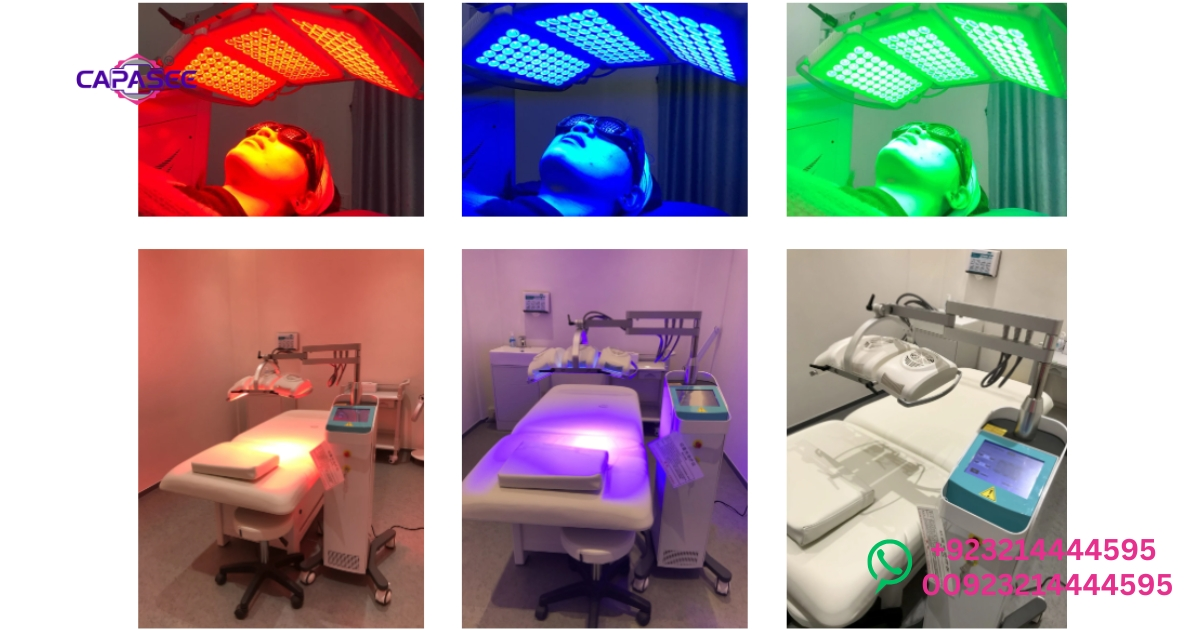
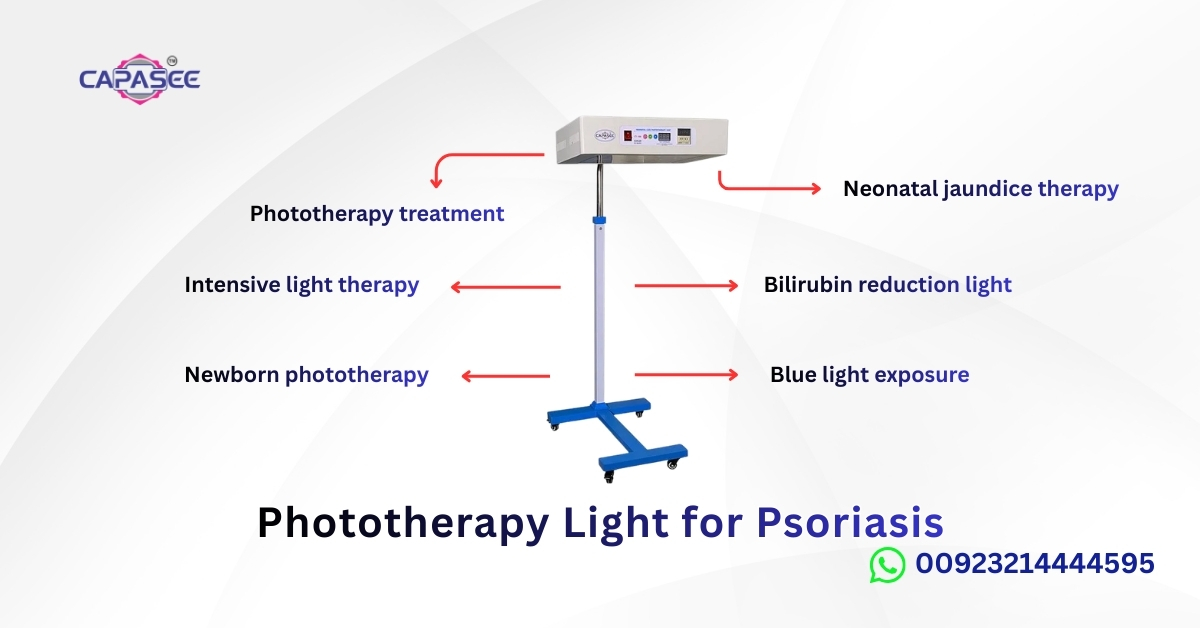
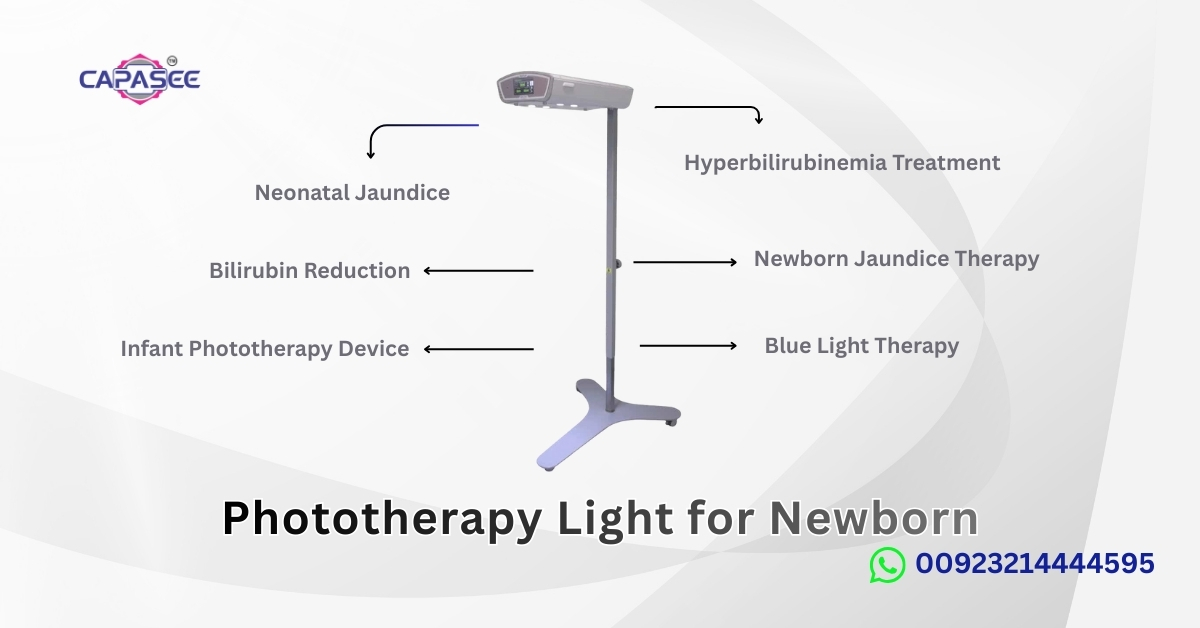
In Pakistan, hospitals and clinics have various types of phototherapy light source systems when treating newborns with neonatal jaundice. These are some of the old fluorescent tubes, new halogen lamps and the new LED phototherapy device models, both utilized in the treatment of neonatal hyperbilirubinemia. The variation in design influences the light intensity of phototherapy, the area covered by the light therapy body region, and the ability of the blue light wavelength of the LED to reach the skin. Because phototherapy light is blue in most modern systems, devices that provide high intensity phototherapy at narrow spectrum light enhance the effectiveness of the treatment by enhancing the mechanism of bilirubin reduction in the newborn.
In the setting, the hospitals would be interested in addressing the intensive phototherapy recommendation by ensuring the close placement of lamp arrays to the baby and a good distribution of light over the body surface. The replacement of older systems with the use of fluorescent tubes and halogen lamps is slowly being replaced with the benefits of blue LED phototherapy, like increased irradiance, increased life span, and less heat. Such a change promotes improved outcomes and safe care.
Comparing Phototherapy Light Options
Selection of phototherapy systems is based on such factors as irradiance, spectrum, coverage area and safety features. Traditional overhead lights have extensive coverage at the expense of producing more heat and emitting less designed wavelengths. Conversely, the outputs of LED phototherapy devices are light rich and have a controlled wavelength of 475 nm and would be suitable when it comes to treating jaundice with phototherapy. Since phototherapy light is blue at this wavelength, it is shown that devices that fulfill the criterion of irradiance of not less than 30 µW/cm²/nm at approximately 475 nm have better factors of phototherapy factors.
In addition to this, in phototherapy of neonatal jaundice, best practices require continuous monitoring, the minimum of clothes, and uptake of units that integrate overhead and fibre optic pads. Assuring the right absorption of phototherapy light by bilirubin, non ionizing blue light therapy, and assuring safe phototherapy wavelengths can help in the improvement of outcomes and reduce the risk of problems.
Phototherapy for Neonatal Jaundice: Best Practices
In order to provide the most effective outcomes in the treatment of neonatal jaundice, it is important to use the appropriate source of phototherapy light. To help the bilirubin breakdown, experts recommend blue light wavelength breakdown of bilirubin, especially because phototherapy light is blue and matches the absorption spectrum of bilirubin. The neonatal metabolic disorder can be treated effectively by applying high intensity phototherapy to keep the body of the baby in the best light levels. The hospitals should provide secure phototherapy wavelengths and prevent the dangers of phototherapy side effects.
The appropriate adherence to the recommendations of intensive phototherapy makes treatment safe and effective. The benefits of the blue LED phototherapy are that it has a controlled light spectrum that enhances the breakdown of bilirubin, as well as maintains the baby at a constant temperature. Phototherapy, measuring the light absorption and controlling the light during the light therapy process to cover the body surface area, is a major aspect of the successful outcomes of the treatment process.
FAQ’s
Why is blue light used in phototherapy?
The blue light assists in the breakdown of bilirubin in the skin of the baby and this helps cut down the jaundice.
Is blue light phototherapy safe?
You know, blue light is safe, provided one is using it properly and the chances of side effects are low.
Which color light is most effective for phototherapy?
The most effective treatment in phototherapy is blue light since it focuses on the breakdown of bilirubin.
How long do babies need blue light for jaundice?
The duration of the blue light therapy differs according to the bilirubin levels, and as a rule, babies require 24 to 48 hours of this therapy.
How long does phototherapy take to clear jaundice?
The effect of phototherapy in clearing jaundice normally takes 2 to 4 days, depending on the level.
Conclusion
The explanation of why phototherapy light is blue is due to its capacity for effective disintegration of bilirubin, one of the elements in the management of neonatal jaundice. The wavelength of the blue LED light is the best in this process, as it provides a safe and non invasive process with few side effects. It is through the strict guidelines of phototherapy and the use of an appropriate phototherapy source of light that the treatment guarantees the newborn’s quick and effective outcomes. All in all, the blue light therapy is an essential and trusted intervention to break up bilirubin to give a safe and reliable method of curing jaundice.