Blog
Neonatal Jaundice

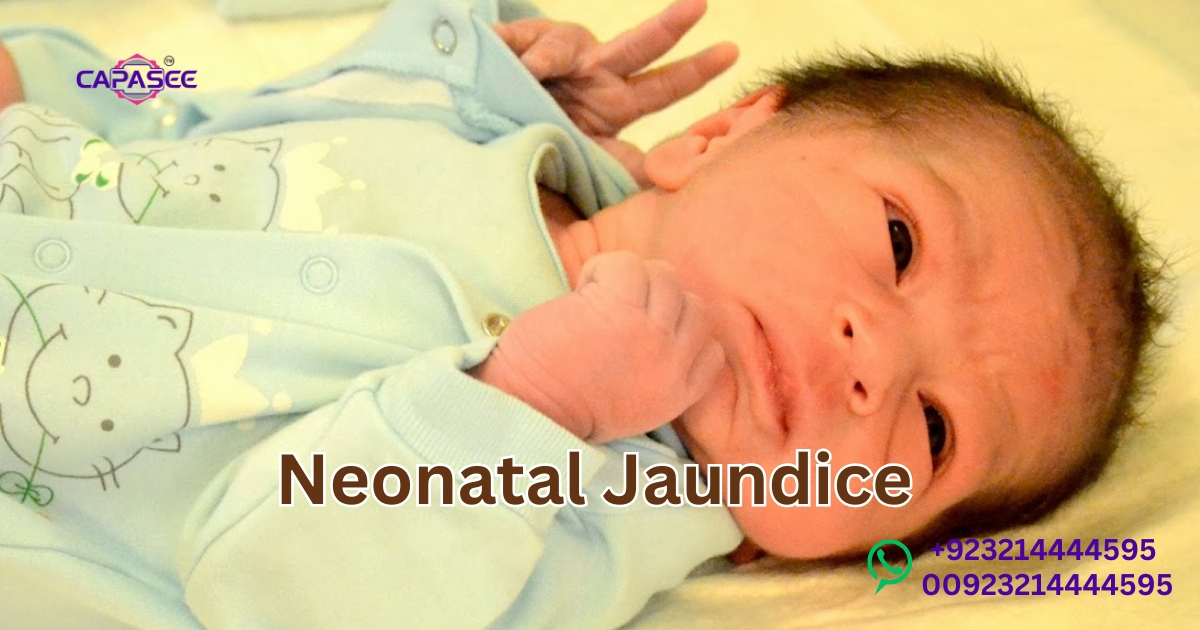
Being a new parent, the case of seeing your newborn with yellowing skin may be appalling. It might happen that you are Googling neonatal jaundice past midnight, and you would be wondering whether it is serious or not. The concern is whether factual information can correct itself. Or is it such that it requires medical attention at once? You are not the only one who is worried, so it is natural to seek answers.
In this blogger post, we shall deconstruct the definition of neonatal jaundice, its cause, and its treatment. Need some encouragement or some useful suggestions, we have you. You will understand more about what to expect and the care that you need to give your baby through this common condition by the end. Let us take a plunge and sort out those concerns.
Understanding Neonatal Jaundice
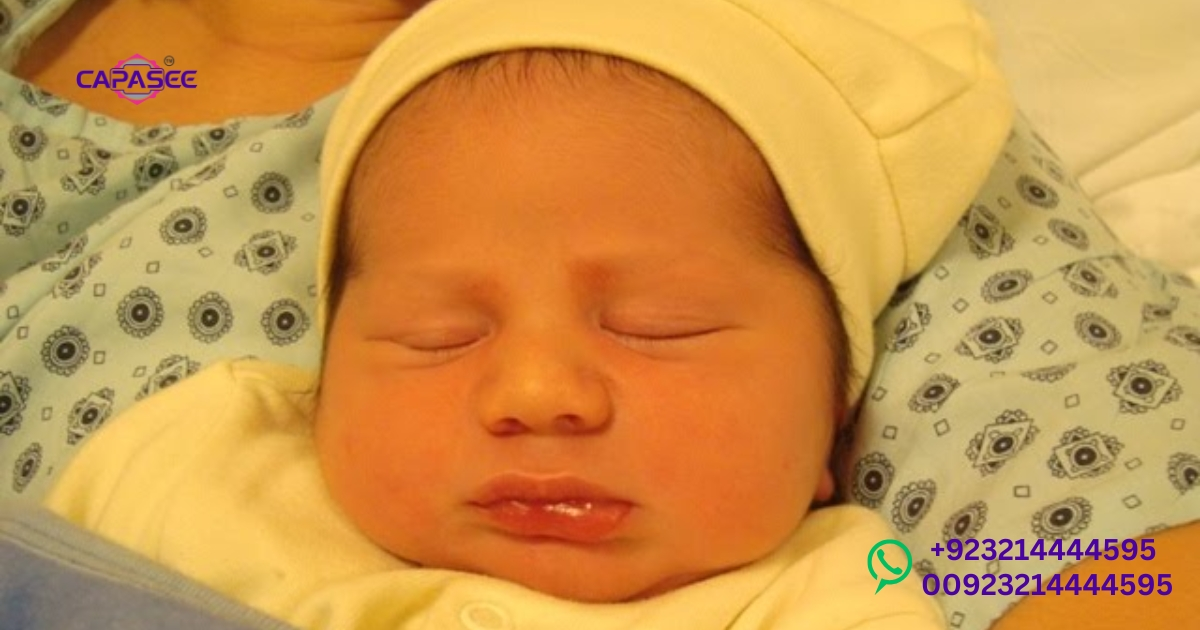
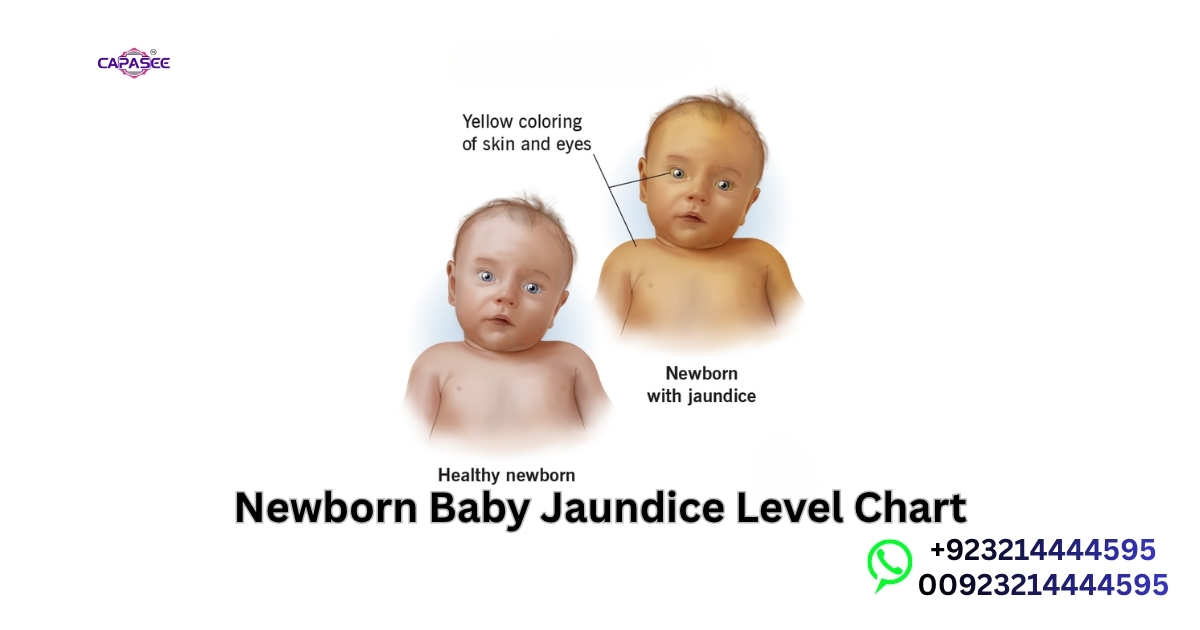
Neonatal jaundice is a prevalent disorder that is experienced by a large number of newborns. It occurs when a yellow color, bilirubin, is accumulated in the blood. This makes the skin and the eyes yellow, and this is usually observed during the early days of life. It may be brought about by a wide range of factors, such as neonatal hyperbilirubinemia or physiologic jaundice in newborns. It is not harmful in most instances and passes on its own; however, some babies might require treatment.
The condition is associated with the inefficiency of the liver to deal with unconjugated bilirubin at birth. Once the liver is mature, it has the capacity to deal with the bilirubin. But some babies might proceed to develop pathological jaundice. The conditions that predispose to neonatal jaundice are prematurity, family history of jaundice, or breastfeeding jaundice.
Symptoms of Neonatal Jaundice in Pakistan
Yellowing of the skin and eyes is the most prevalent symptom of neonatal jaundice. This normally manifests itself 2 to 3 days after birth. In case the baby develops early neonatal jaundice, it may manifest itself in the first 24 hours of birth. The other symptoms are poor feeding, irritability, and lethargy. Pakistani parents must also be watchful in case the baby appears unusually drowsy or hard to awaken to have a feeding.
The total bilirubin in the serum should also be measured in babies who have these symptoms. This is useful in keeping off bilirubin encephalopathy, as well as more serious illnesses such as kernicterus. Monitoring is important as there are instances where a rise in the level of bilirubin may result in more severe complications.
You May Also Read This Blog: Infrared Light Therapy
How to Check Neonatal Jaundice at Home in Pakistan
In Pakistan, jaundice among neonatal as mothers can be examined by pressing the baby against the skin by their parents, particularly on the face and the stomach. When the skin is yellowish, this is an indication of jaundice. One also needs to observe the whites of the eyes; this may turn yellow first. In case you observe all these symptoms, then it is advisable to take a bilirubin reading to be sure of the diagnosis.
The determination of bilirubin levels is usually done through a basic blood analysis test. This test will aid in establishing whether the jaundice is normal or requires treatment. In the case of babies in Pakistan, it is necessary to consult or attend a follow up treatment after the test, since jaundice can sometimes become worse without treatment.
Treatment and Management of Neonatal Jaundice
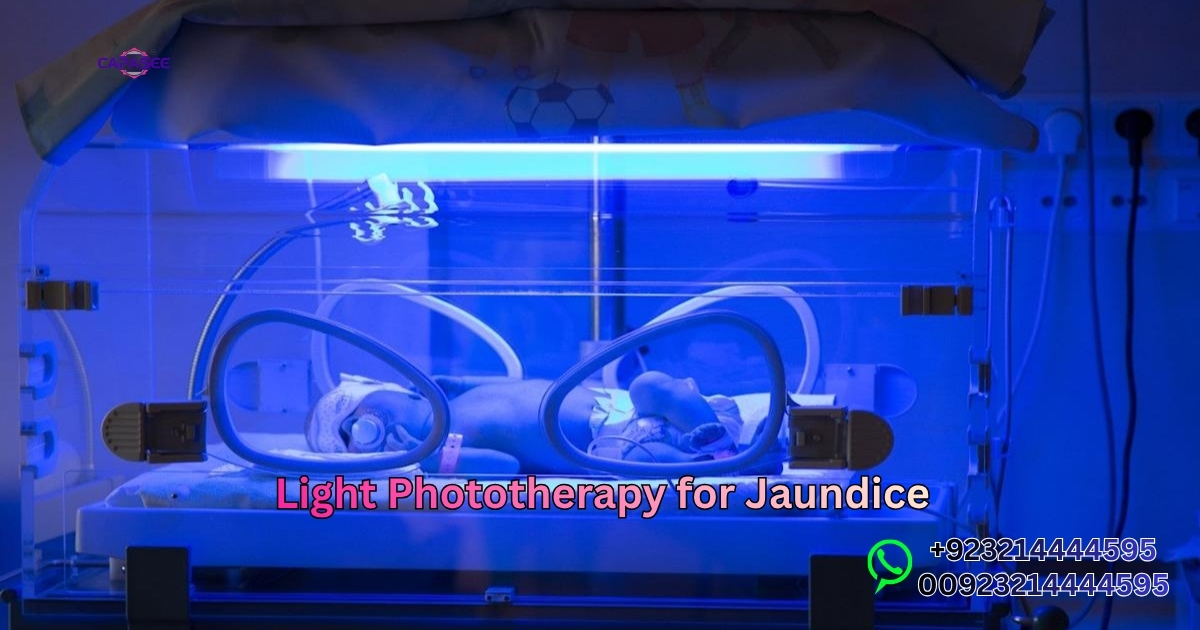
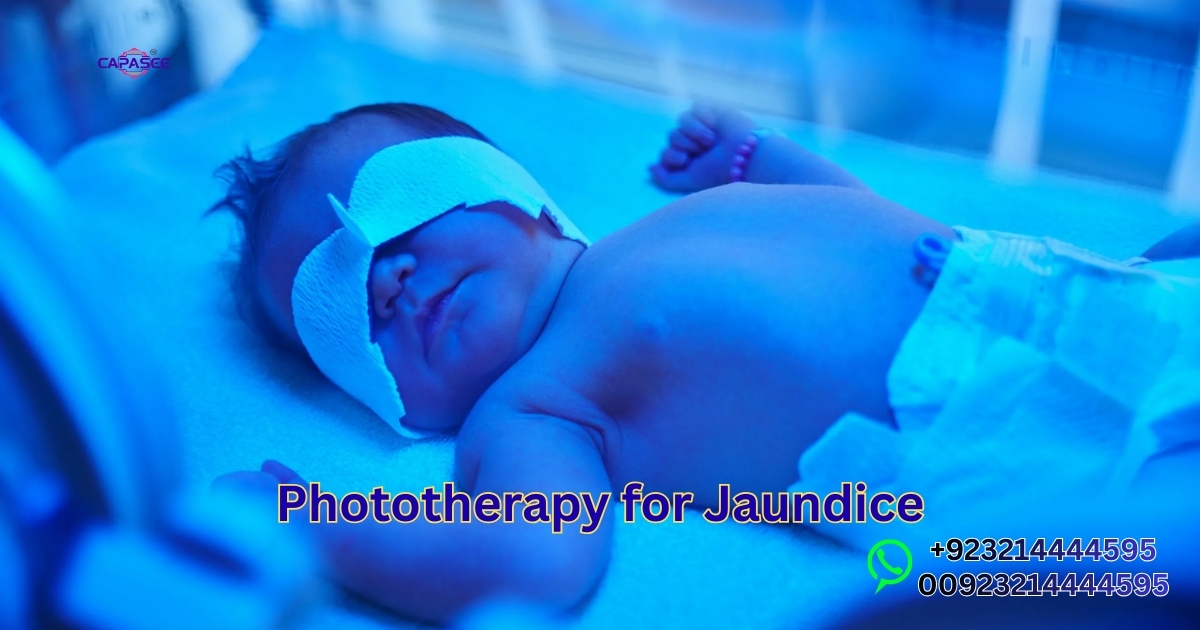
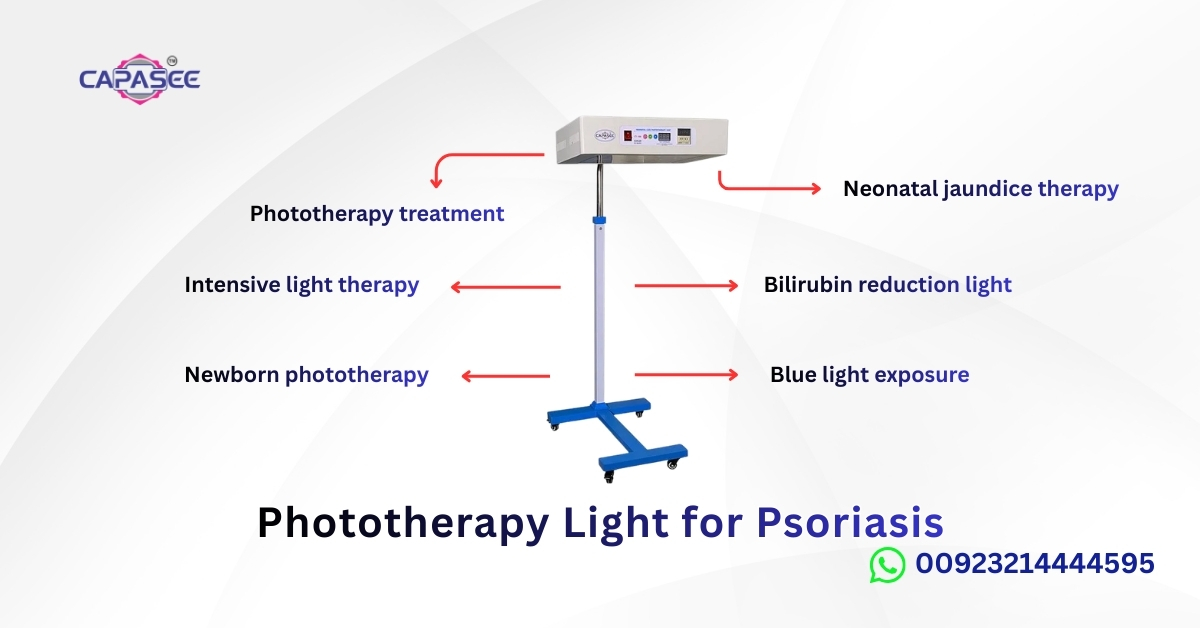
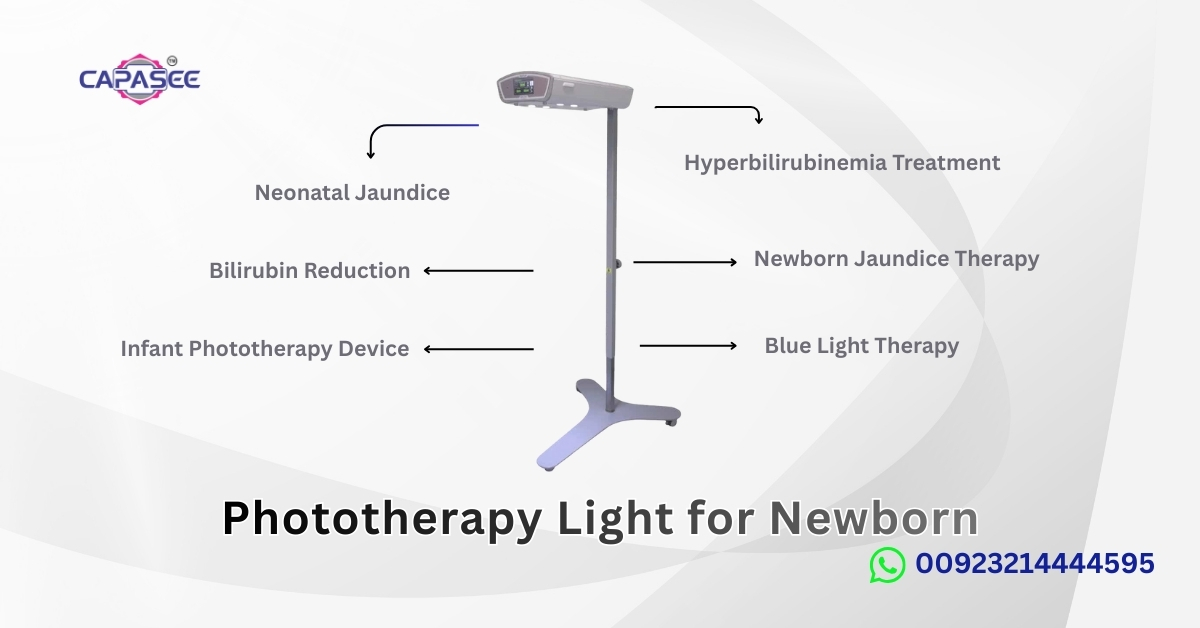
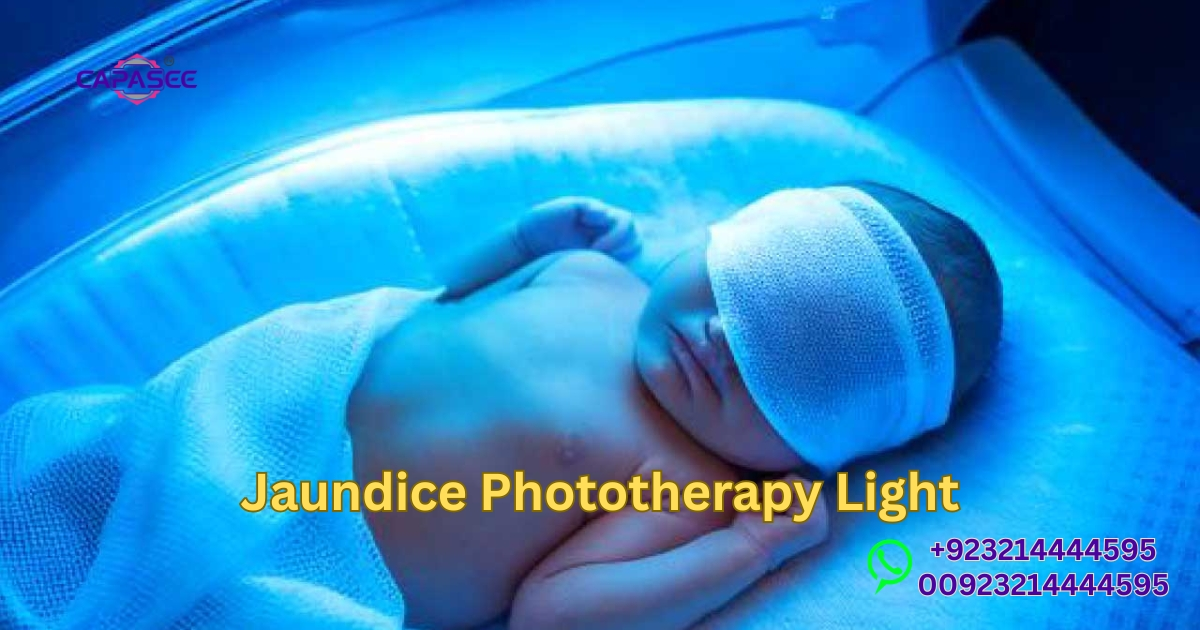
The neonatal jaundice treatment is more or less based on the amount of bilirubin in the blood of the baby. Phototherapy is administered to the babies in the majority of cases. This is achieved by exposing the baby to special light that assists in breaking down bilirubin in the skin. Phototherapy is non toxic and simple, with high levels of efficacy, which is common in Pakistani hospitals.
More extreme cases of the pathologic jaundice might require further intervention. In some cases, a baby might require an exchange transfusion in case his/her bilirubin level is dangerously high. In order to manage the condition, parents ought to cooperate with doctors to monitor it. The early intervention is crucial to avoid complications such as bilirubin encephalopathy that may impair brain function.
Neonatal Jaundice Treatment Options in Pakistan
Phototherapy is the common treatment of neonatal jaundice in Pakistan. This treatment requires that the baby be put under special lights that aid in dissolving the bilirubin in the skin. In case the bilirubin levels are still high, the baby might require additional treatment, i.e., blood transfusion. In the case of babies with breastfeeding jaundice, regular feeding should be promoted to ensure the reduction of bilirubin levels.
Pakistani healthcare providers will keep a close check on the bilirubin levels to avoid the worsening of the condition. The parents would need to know the symptoms and remain in contact with the healthcare team to receive frequent updates and follow ups. Babies may require further treatment, depending on the extent of the condition of neonatal hyperbilirubinemia.
Screening for Neonatal Jaundice in Pakistan
Neonatal jaundice screening in Pakistan is normally conducted within the first few days of birth. This involves the assessment of the skin of the baby in terms of its yellowing and the level of bilirubin in the blood. In case of high levels of bilirubin, additional tests can be required to exclude other disorders.
Neonatal jaundice screening is used to detect babies whose condition can be harmful, and thus they need to be treated before it is too late. Quick management can be done at a young age and prevent complications such as kernicterus. In Pakistan, it is important that parents make sure that their baby is screened during normal newborn care.
Table: Common Symptoms of Neonatal Jaundice
| Symptom | Description |
| Yellowing of skin | Noticeable yellow tint to the baby’s skin, especially in the face and eyes. |
| Poor feeding | Difficulty or lack of interest in feeding. |
| Lethargy | Baby appears unusually sleepy or inactive. |
| High bilirubin levels | Confirmed through blood tests. |
Neonatal Jaundice vs Physiological Jaundice
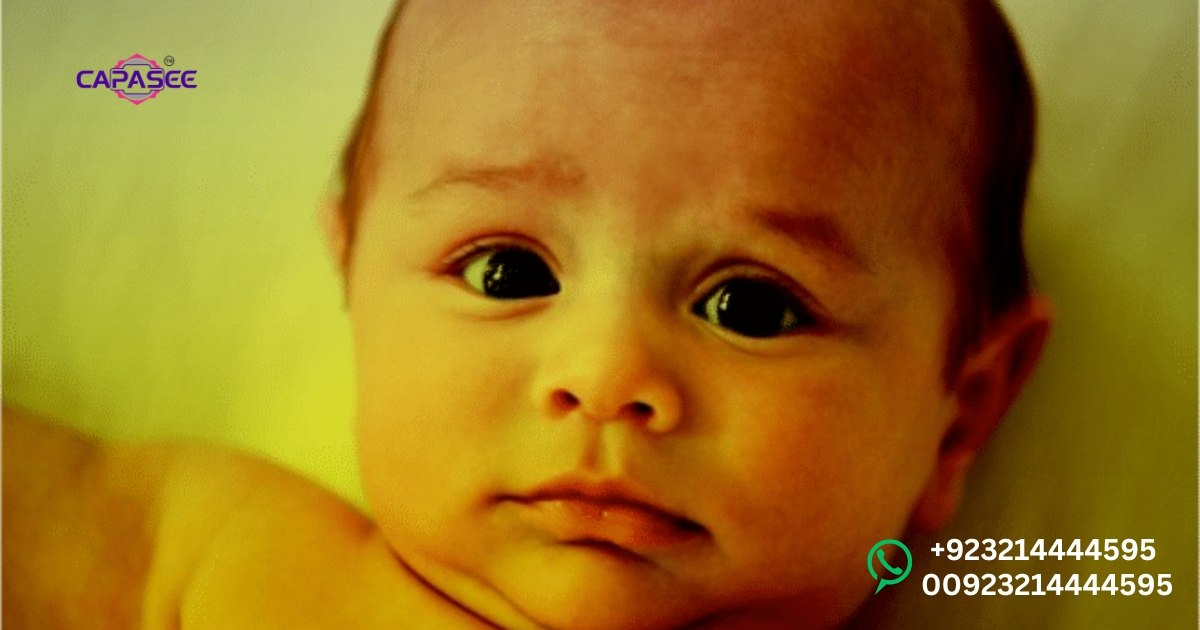
Jaundice in the newborn is an ordinary condition; however, not all jaundice is alike. Physiologic jaundice in infants is not harmful and is common in numerous infants. It typically presents itself in the early childhood years of birth. This is due to the unconjugated bilirubin, which cannot be handled by the liver fast enough. On the contrary, pathologic jaundice is worse and needs treatment.
Parents need to know the distinction between neonatal jaundice and physiologic jaundice. Pathologic jaundice may also develop sooner and may be due to the presence of such problems as cephalhematoma or breastfeeding jaundice. The measurement of bilirubin is monitored to guarantee that the type of bilirubin that a baby has is known and treated accordingly.
Check More & Purchase: Our Products
Differences You Need to Know
Neonatal jaundice and physiologic jaundice are different in terms of their causes, severity and treatment requirements. Most cases of physiologic jaundice in newborns improve by themselves and occur due to the normal depletion of red blood cells. Nonetheless, pathologic jaundice can be a sign of such an issue as bilirubin encephalopathy and can require urgent treatment, which can include phototherapy.
Parents need to understand the risk factors of neonatal jaundice in Pakistan and refer their children to the pediatrician in case they develop any symptoms. The bilirubin accumulation should be detected early. The prevention of complications like kernicterus is done through timely intervention.
Neonatal Bilirubin Levels: What’s Normal in Pakistan?
In Pakistan, to monitor the health of babies, the neonatal bilirubin level is checked. To show whether there is a need to be treated, total serum bilirubin levels are measured. A normal level in the newborns ought to be less than 5 mg/dL, although this may be different. Level increases may necessitate phototherapy to safely decrease the level of bilirubin.
The measurement of bilirubin is essential in the treatment of neonatal jaundice. Uncontrolled high concentrations of unconjugated bilirubin may produce kernicterus, thereby damaging the brain. Parents must know that they need guidance/follow through by healthcare professionals to monitor the health of the baby and to guarantee its recovery.
FAQ’s
What is the main cause of neonatal jaundice?
It is mainly caused by the accumulation of bilirubin, a yellow substance, because of the inability of the underdeveloped liver to process it effectively.
What is the rule of 5 for neonatal jaundice?
According to the Rule of 5, jaundice that occurs after 24 hours, rises at a rate that is less than 5 mg/dL per day, and has bilirubin levels that are below 5mg/dl is considered normal.
How to treat jaundice in newborns?
The most widely used method of treatment is phototherapy, which involves light that destroys excess bilirubin in the skin of the baby.
How long is neonatal jaundice normal?
Neonatal jaundice resolves in the majority of cases in 1 to 2 weeks, although it may take up to 3 weeks in severely affected babies.
When to worry about neonatal jaundice?
Concerns about jaundice observed within 24 hrs of birth or a bilirubin level increase because of possible complications. Always consult a doctor.
Conclusion
Neonatal jaundice is a normal condition that most infants develop in their first days of life. Although it usually clears up on its own, parents need to be aware of its causes and symptoms. It is important to detect and monitor bilirubin levels early in order to prevent complications. In cases of necessity, treatment, e.g., phototherapy, works. Neonatal jaundice is hardly a reason to be worried about, provided that it receives proper care and medical attention. To keep their babies healthy and prevent possible complications, parents are to keep in touch with the healthcare providers and watch their babies.