Blog
Does Mild Jaundice Need Treatment


When you have been experiencing a yellowing of the skin or the eyes, and are wondering whether mild jaundice need treatment, it is likely that you have just a few anxieties. It is quite natural to be confused whether it is a serious case or a simple problem that will clear off all by itself. Whenever people observe these symptoms, they seek answers in order to be assured or have a definite solution to the problem.
In this blog post, we will discuss the question of whether mild jaundice need treatment or not and what you need to be aware of. We will dissect the causes of jaundice, the effects it has on the body and when we need to seek medical assistance. At the conclusion of this article, you will learn much more about the condition and feel more confident about the actions to take next.
Does Mild Jaundice Need Treatment? Understanding the Basics
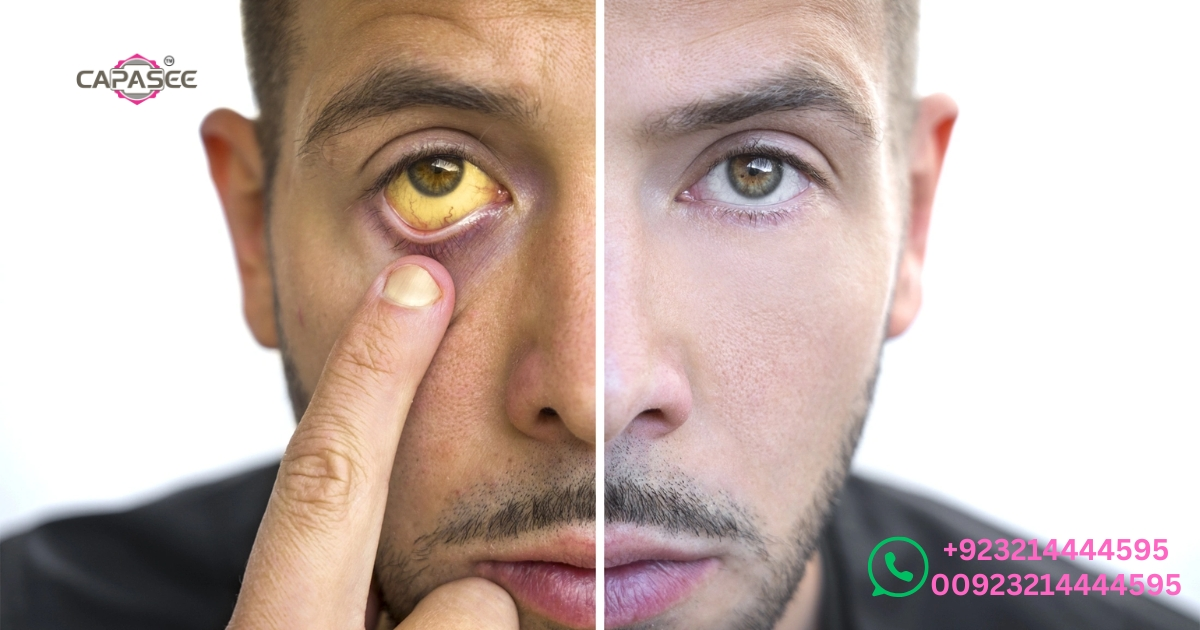
Mild jaundice is a complication arising due to the accumulation of bilirubin in the blood, causing the skin and eyes to appear yellow. It is typical during infancy, but may occur in adults. The question most people ask is whether mild jaundice need treatment or it will clear itself. The knowledge of bilirubin metabolism and hepatic activity is the key of understanding when to address the medical service.
Although mild jaundice is not usually a serious illness, it may be evidence of underlying liver disease, jaundice or other conditions. In jaundice in the neonatal environment, the majority of babies heal on their own, although some may require phototherapy to help heal the jaundice. Early medical care means that the build-up of bilirubin will not cause difficulties.
What is Mild Jaundice and Why Does it Happen?
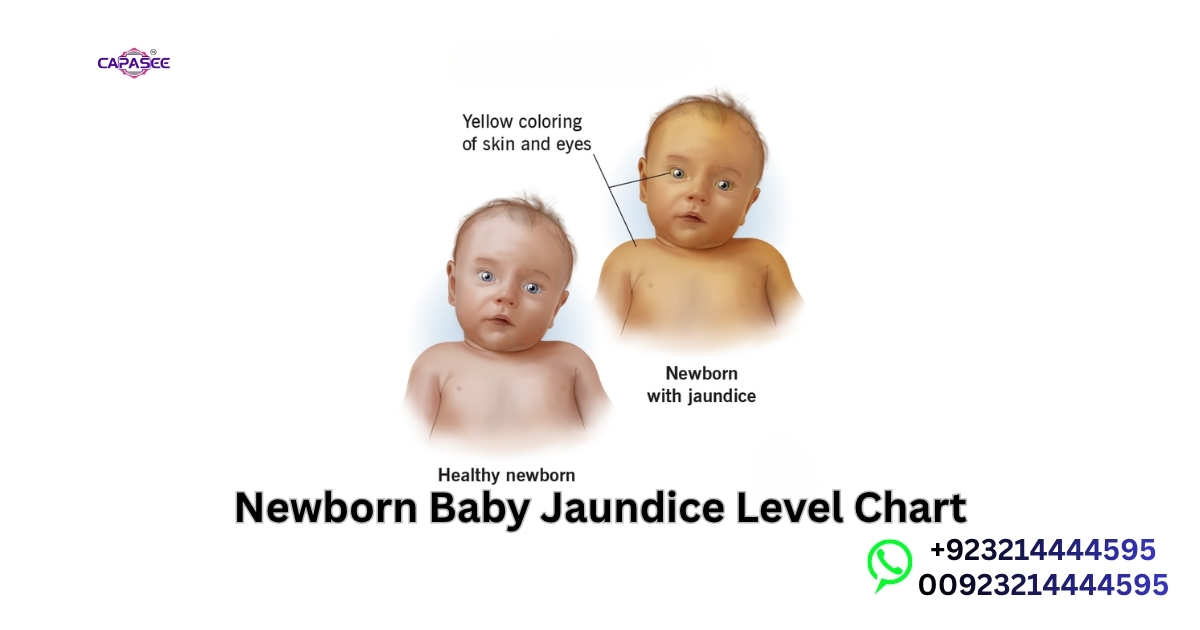
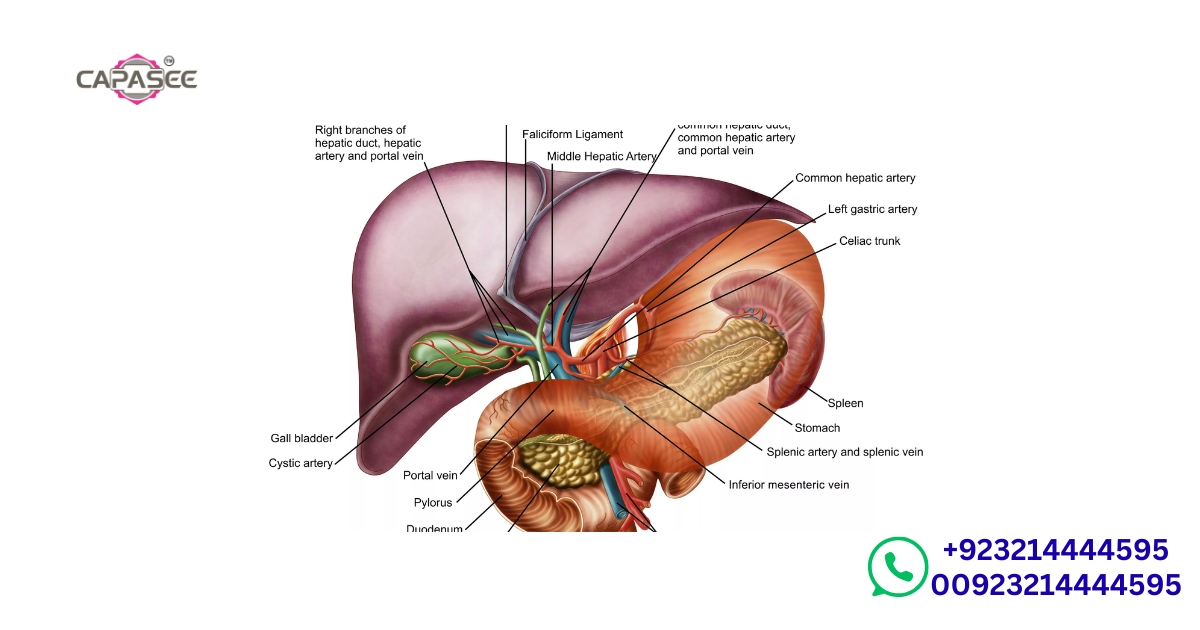
Mild jaundice occurs as a result of the liver failing to efficiently process bilirubin. Bilirubin is the yellowish product formed in the breakdown of red blood cells. This is usually filtered out of the blood by the liver, but when that fails to do the job, the bilirubin builds up, making the skin turn yellow and the eyes turn yellow.
Among babies, and most notably newborns, the liver may be underdeveloped and as a result, temporary neonatal jaundice may occur. The condition can occur in adults through liver disease, jaundice or blocked bile ducts. When necessary, it should be monitored and assisted with medical help when mild jaundice need treatment is suspected.
Causes of Mild Jaundice in Babies and Newborns
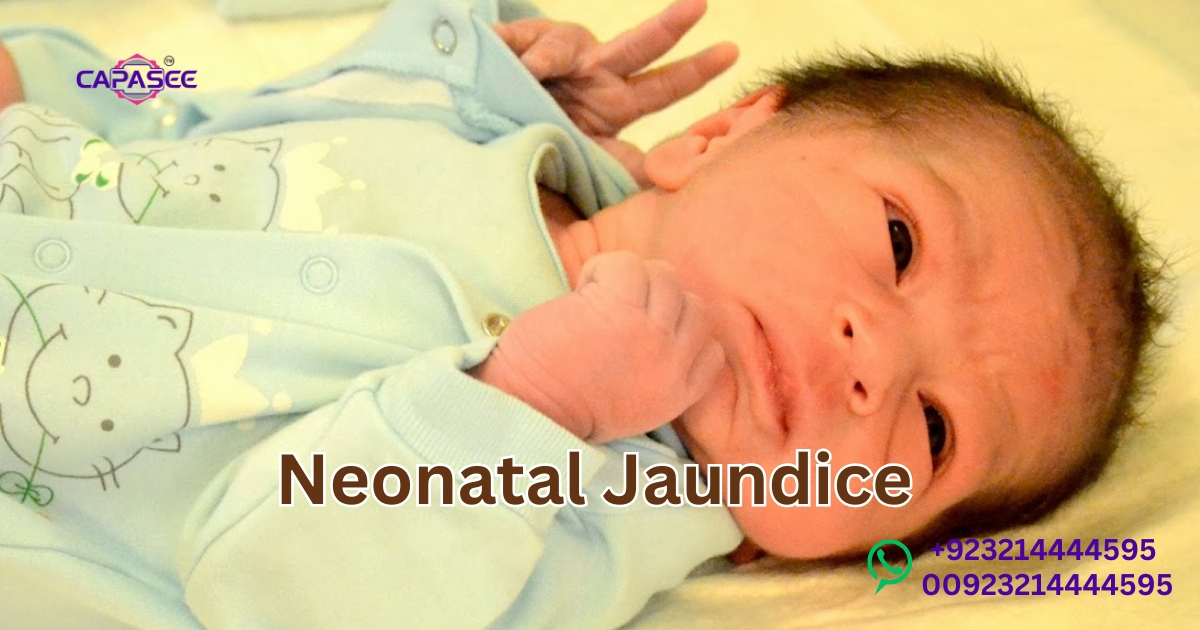
Neonatal jaundice is prevalent in newborns and it normally manifests a few days after delivery. This is normally caused by the inefficiency of the liver in clearing bilirubin. Jaundice develops more in premature babies due to the lack of full development of the liver.
Blood group incompatibility, infections, and liver problems are some of the causes of jaundice in newborns. Severe jaundice may cause brain damage unless treated, but in most instances, mild jaundice need treatment only when bilirubin levels become abnormally high. Jaundice management in children, like phototherapy, will cure the condition in the short term.
You May Also Read This Blog: At What Bilirubin Level is Phototherapy Required
Symptoms of Mild Jaundice You Should Never Ignore
Even mild jaundice may not be harmful, but some of the symptoms cannot be overlooked. These are fatigue and weakness, dark urine and pale stools. When you observe such signs, it may be possible that the concentration of bilirubin is increasing and additional medical treatment of jaundice might be required.
Also, pay attention to pain in the abdomen, itching of the abdomen because of jaundice, or increasing yellowish skin and yellow eyes. In case of the aggravation of these symptoms, it is strongly recommended to seek medical attention to avoid severe harm to the liver or other organs.
Does Mild Jaundice Go Away on Its Own or Need Medical Help?
Mild jaundice may self resolve, in most cases, where it is a result of temporary causes, such as in the case of newborns. Nevertheless, liver disease jaundice in adults or when the accumulation of bilirubin becomes acute may require medical treatment of jaundice.
In the case of neonatal jaundice, the majority of cases subside under mere care, although it is necessary to monitor the bilirubin levels. When the levels are excessive, physicians can prescribe phototherapy for jaundice or other treatments that help the liver convert bilirubin more efficiently.
When Does Jaundice Need Treatment According to Doctors?
Treatment is prescribed by doctors in case bilirubin levels exceed a certain mark, particularly in newborns. In case of excessive accumulation of bilirubin, it may damage the brain or give rise to other complications. In the case of neonatal jaundice, doctors usually apply phototherapy to reduce bilirubin.
Liver functioning also has to be evaluated in adults because liver disease, jaundice, or blocked bile ducts may result in persistent jaundice. In case the situation is associated with liver disease, antiviral treatment, jaundice, lifestyle adjustments, or even liver transplant may be required.
Bilirubin Levels for Treatment: What Every Parent Should Know
Monitoring the level of bilirubin in the newborns is necessary in order to determine whether mild jaundice requires treatment. To determine whether the bilirubin level of the baby needs phototherapy or not, doctors usually test the baby’s bilirubin levels. If this is at higher levels, more rigorous therapies such as exchange transfusion might be needed.
In adults, bilirubin that does not reach normal levels in a few days can be an indication of a problem that needs medical treatment. The clue is early diagnosis and treatment in order to avoid complications.
Signs Mild Jaundice Is Severe and Needs Urgent Attention
Mild cases of jaundice that are mild may escalate to severe. When you see that the skin turns yellow and the deepening yellow eyes, or you experience pains or itch in the abdomen because of jaundice, it is time to seek medical attention. Extreme bilirubin buildup may impact the brain and other body organs.
Fatigue and weakness, dark urine, and pale stools are the other red flags that show the necessity to apply hepatic treatments. When this happens, do not delay. Established damage to the liver and other essential systems can be avoided when you recognize that mild jaundice need treatment before it becomes critical.
Jaundice Treatment in Pakistan
Mild jaundice in Pakistan should be treated if the bilirubin content is excessive. Jaundice is neonatal jaundice is a common condition cases is treated using phototherapy for the jaundice. In the case of adults, jaundice of the liver can require treatment. Even in cases where mild jaundice need treatment, careful monitoring is essential to prevent complications.
Pediatric jaundice is the recommended treatment by doctors to newborns and infants. In case of intense bilirubin buildup, hepatic treatment or antiviral therapy can be required. Monitoring is done properly to make the recovery process safe.
Neonatal Jaundice Management: Best Practices for Parents
The treatment of neonatal jaundice in Pakistan is centered on routine observation of bilirubin levels. When the condition fails to improve, parents need to seek the advice of a pediatrician on the use of phototherapy to treat jaundice.
Breastfeeding lowers bilirubin levels in newborns. Never ignore the instructions of the pediatrician and cause complications such as liver functioning problems or prolonged consequences of bilirubin processing problems.
Phototherapy for Jaundice: How It Works and When It’s Needed
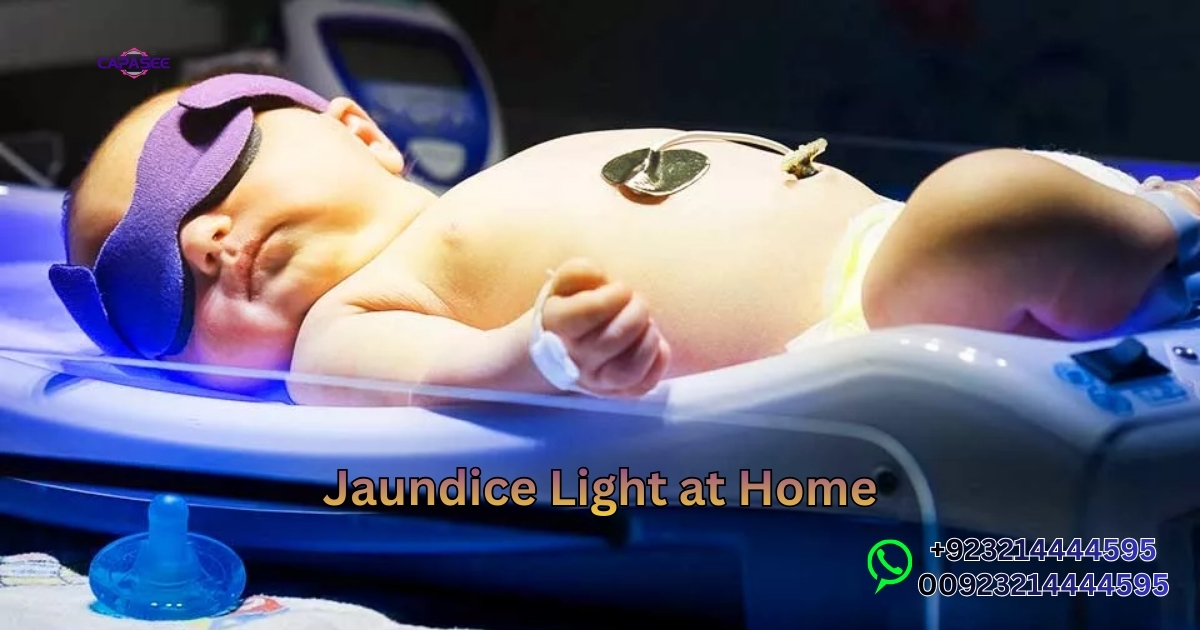
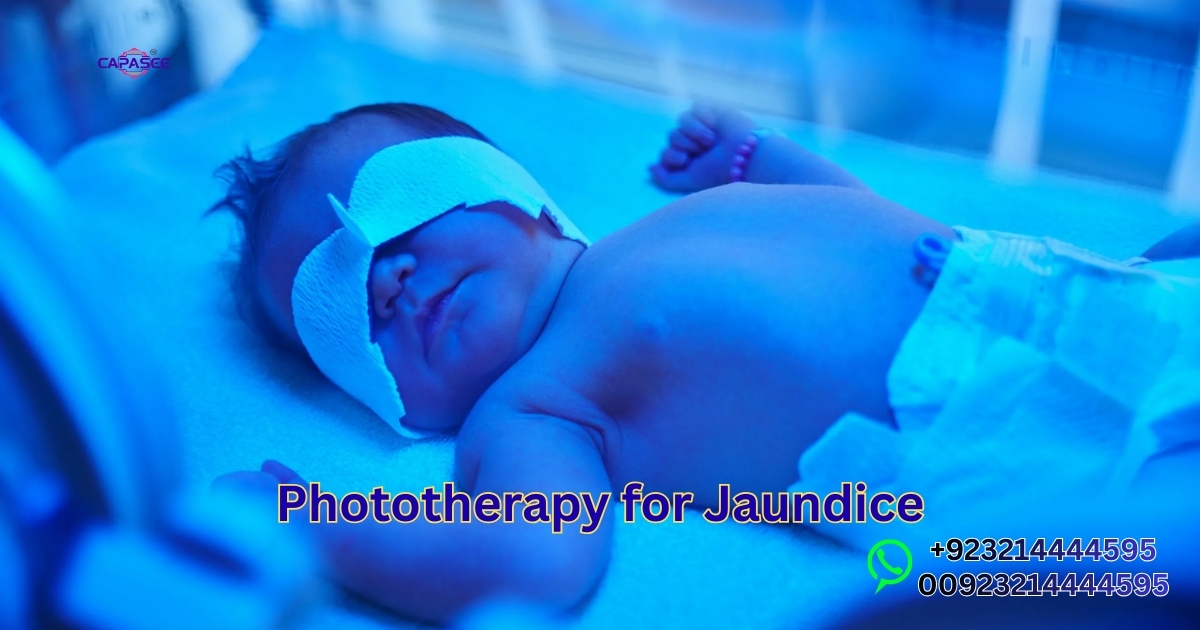
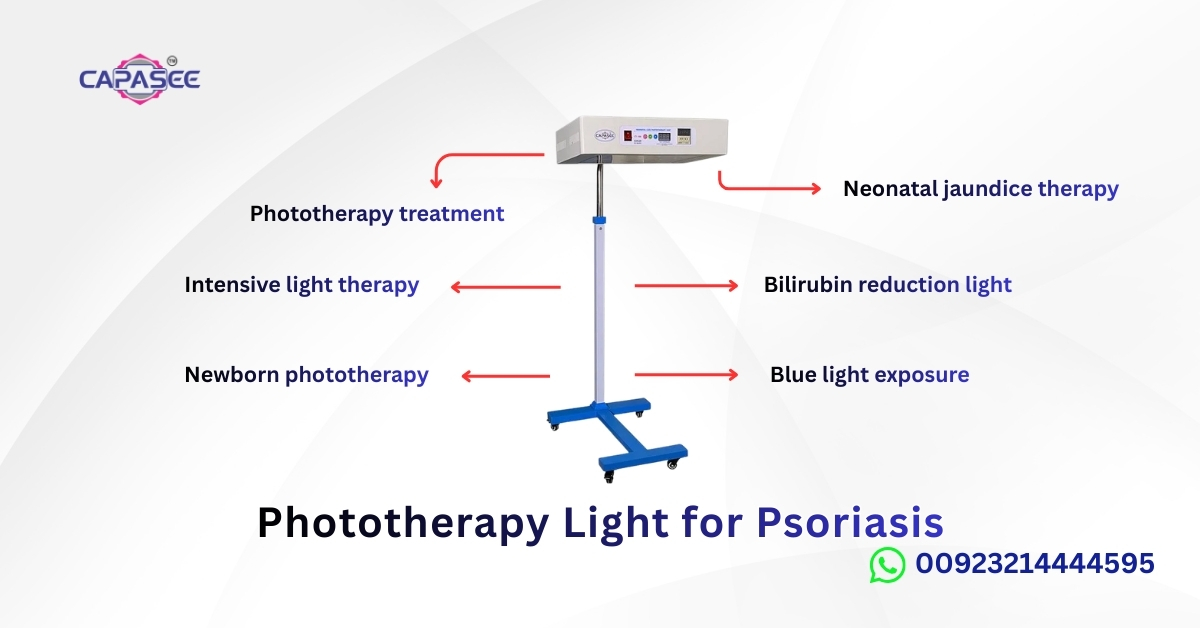
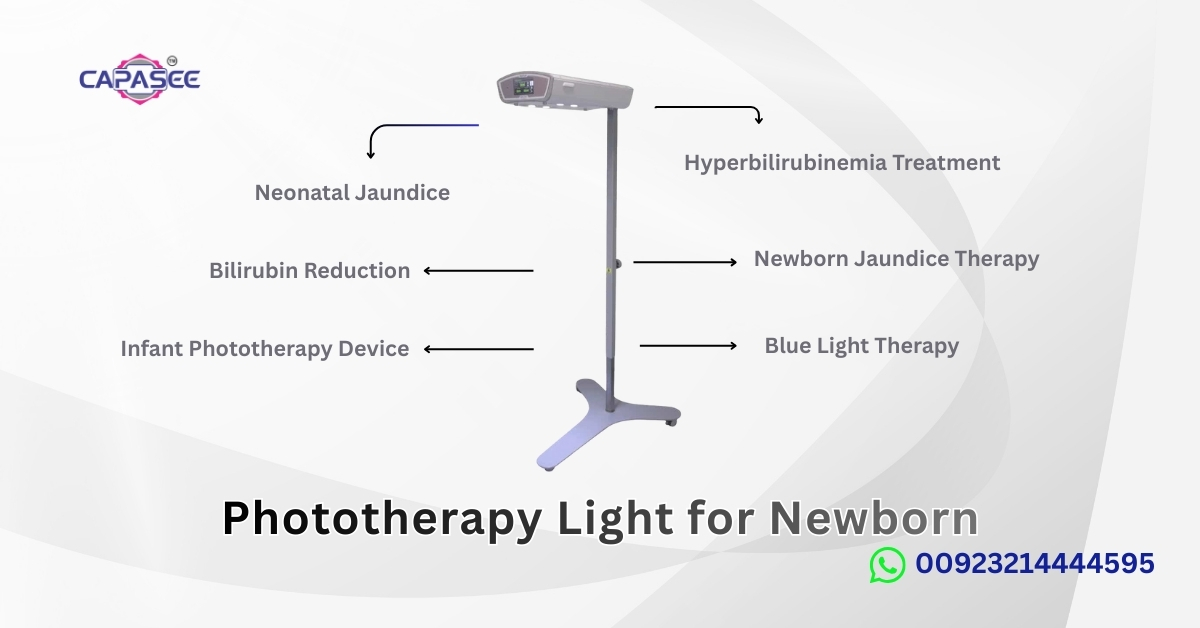
In Pakistan, phototherapy of jaundice is a usual intervention. It involves special light to break down excessive bilirubin in the skin. It is a treatment normally used in neonatal jaundice in cases where the level is high to the extent that it requires treatment.
Unless the bilirubin level drops due to natural remedies or regular feeding, phototherapy for jaundice is required. It is effective and safe to avoid severe complications such as brain damage or liver disease and jaundice.
Pediatrician Advice for Jaundice in Pakistan
The care of mild jaundice in newborns in Pakistan relies on the recommendations of a pediatrician. The physician will also examine bilirubin and identify whether treatment such as phototherapy or lifestyle changes will need to be taken to treat jaundice.
Timely diagnosis can avoid permanent damage to the liver and provide liver wellness. The outcomes of pediatric jaundice care and a complete recovery are best achieved by adherence to its practices by the parents.
Natural and At-Home Care for Mild Jaundice Recovery
Natural remedies are the option that many people in Pakistan want to use to cope with mild jaundice. Although there are ways to alleviate the bilirubin buildup, serious cases require the services of a doctor. When deciding if mild jaundice need treatment, it’s important to evaluate whether at-home care is sufficient or medical input is necessary.
Frequent feeding is often part of home care and it assists the body in the natural processing of bilirubin. This proves to be particularly useful in the case of neonatal jaundice, where the liver may not be fully functioning.
Home Remedies for Mild Jaundice: Safe or Risky?
Home treatment of mild jaundice may work, but care is necessary. Treatments such as sunlight exposure to the babies can help in the bilirubin breakdown, but this is only done in the presence of a doctor. Consultation is advised if mild jaundice need treatment, even when trying home-based remedies.
Certain medications, including herbal options and herbal remedies that have not been proven to be effective, could endanger liver functioning. Never attempt to implement any lifestyle changes for jaundice without consulting a medical professional first to avoid complications.
Frequent Feeding for Jaundice: Why It Helps in Recovery
Jaundiced newborns need frequent feeding. It aids in decreasing bilirubin levels through facilitating digestion and accelerating the elimination of bilirubin. It is a typical neonatal jaundice home care technique in Pakistan.
Feeding triggers the liver and promotes bilirubin breakdown. Regular feeding with or without breast milk or formula aids the baby in healing from mild jaundice.
Monitoring Mild Jaundice at Home: Dos and Don’ts
In case of mild jaundice being observed at home, watch out for yellowing of the skin and yellow eyes. When symptoms grow, continue or bilirubin levels fail to rise, get medical assistance.
Elective treatment should not be postponed when there is dark urine, pale stools, or symptoms of discomfort such as itchiness as a result of jaundice or stomachache. Early intervention will guarantee the optimal health condition and general healing of the liver.
Complications, Recovery, and Prevention of Jaundice
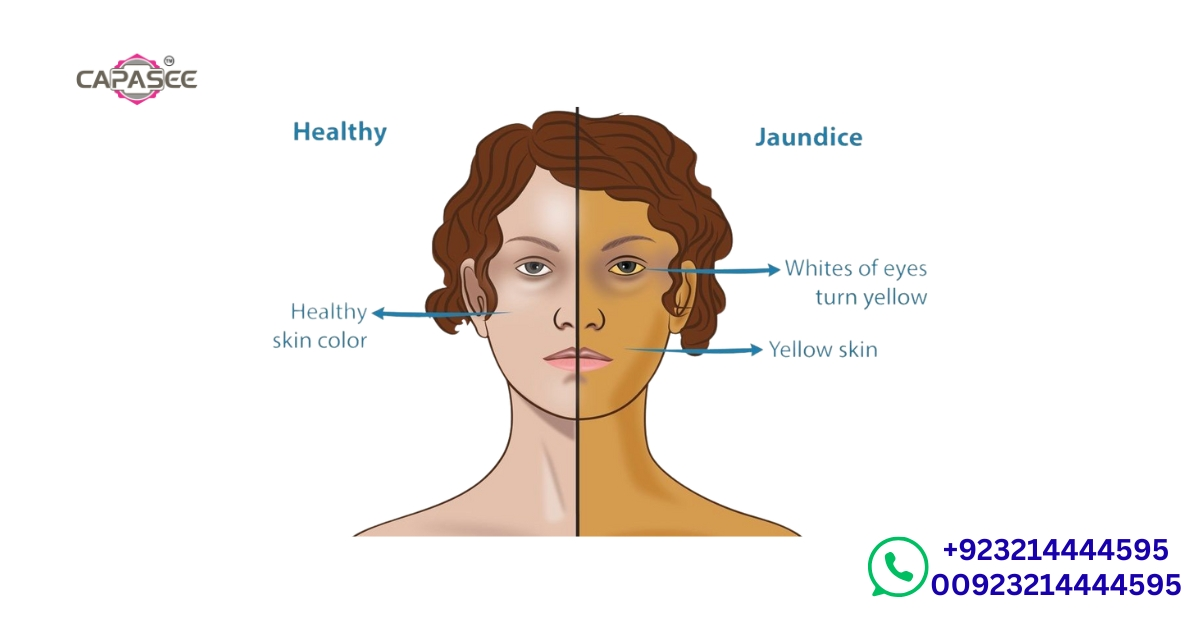
Lifestyle changes that help manage jaundice include feeding more and checking the bilirubin levels. Nevertheless, there are complications when the accumulation of bilirubin remains untreated and liver disease jaundice occurs. Jaundice Phototherapy Phototherapy is also often employed to resolve the higher levels of bilirubin in infants and adults and recover liver functions to avoid further complications. Even when mild jaundice need treatment, appropriate lifestyle management plays a major role.
Unattended mild jaundice may lead to serious issues such as obstruction of the bile ducts or even liver damage. Risks can be minimized by early diagnosis and pediatric jaundice treatment. Jaundice dietary control is also significant in ensuring proper liver health and the avoidance of more serious cases.
Jaundice Recovery Time: How Long Until It Fades?
In the majority of newborns, neonatal jaundice disappears in several days to two weeks. Phototherapy treatment of jaundice can accelerate the process. Recovery time is dependent on the age of the baby, the degree of bilirubin buildup, and the earlier the condition is identified. Faster recovery can occur when mild jaundice need treatment and intervention is timely.
In adults, healing is based on what caused liver disease jaundice. In mild cases, liver function may improve quickly in response to medical intervention. Nevertheless, in case the condition has something to do with obstructed bile tubes or liver damage, it might take more time to heal.
Jaundice Complication Risks and How to Avoid Them
Mild jaundice, when not treated, may cause severe outcomes such as brain injury or irreversible liver injury. In case the levels of bilirubin remain excessive, the organs of the body may be affected. These risks can be avoided by early detection and excellent medical treatment of jaundice.
To prevent complications, it is a good idea to heed the doctor and pay special attention to bilirubin processing. In the management of neonatal jaundice, normal feeding, jaundice care in children, and phototherapy of jaundice are major factors in controlling the situation.
Jaundice in Formula-Fed vs. Breastfed Infants: Key Differences
Jaundice in infants may differ based on the type of milk the baby takes, be it breast milk or formula. Factors in breast milk might make breastfed babies take longer to clear bilirubin. Conversely, formula infants usually recover quickly due to the extra nutrients and fluids that are present in formula.
Bilirubin levels must be monitored carefully in both of these forms of feeding. In the event of the persistence of jaundice, jaundice management in pediatric care is imperative and a jaundice treatment such as phototherapy may be necessary, based on the severity of the circumstance.
Early Detection of Jaundice and Danger Signs in Pakistan
In Pakistan, it is necessary to detect incidences of mild jaundice early enough to avoid severe complications. The yellowing of the skin, yellow eyes and dark urine are some of the signs that should be sought out by parents in their babies. In case any of these symptoms are experienced, one should ensure that he/she seek medical attention as soon as possible.
Other symptoms of warning are pale stools, itching caused by jaundice, or abdominal pain. Phototherapy of jaundice and hepatic treatments in the early stages may avoid treatment in a more severe form.
Mild Jaundice vs. Severe Jaundice: Understanding the Difference
Minor jaundice normally subsides with very little medical treatment, including regular feeding and phototherapy of jaundice. But in severe jaundice, liver disease jaundice may cause extensive complications or brain damage without early treatment. Determining when mild jaundice need treatment is key to preventing it from progressing to a severe condition.
The bilirubin in the blood is the main difference between mild and severe jaundice. When the bilirubin is elevated, there is a need for medical treatment of jaundice to avoid the occurrence of additional complications. Recognizing when mild jaundice need treatment can play a vital role in early medical intervention.
FAQ’s
Does mild jaundice go away on its own?
Yes, mild jaundice may diminish on its own, particularly among babies, but one should pay attention and see a physician in case the signs persist.
Should I be worried about mild jaundice?
Mild jaundice is usually not serious, but it’s best to consult a doctor to ensure it doesn’t become more severe.
Does mild jaundice need treatment in adults?
Mild jaundice is not commonly serious, but it is always advisable to visit a doctor in order to prevent the escalation of the condition.
Can mild jaundice be treated at home?
Mild jaundice in adults might require treatment in some cases when it is the result of a primary liver problem; the diagnosis should be made properly.
How to cure mild jaundice?
Depending on the cause, mild jaundice is normally managed using phototherapy to treat jaundice or simple home based care such as increased feeding.
Conclusion
Mild jaundice does not always need urgent treatment, particularly in infants, and might come to pass on its own, as a result of proper management. Nevertheless, symptoms should be observed carefully and medical consultation provided in case bilirubin levels are not decreased or there is a complication. In the cases of jaundice in adults, when the mild jaundice need treatment is associated with a problem, there may be a need to take timely medical action against the jaundice. Earlier diagnosis, adequate treatment, and adherence to the physician are essential in helping to make a safe recovery and avoid liver disease, jaundice or other issues.