Blog
What Are The Lights For Phototherapy

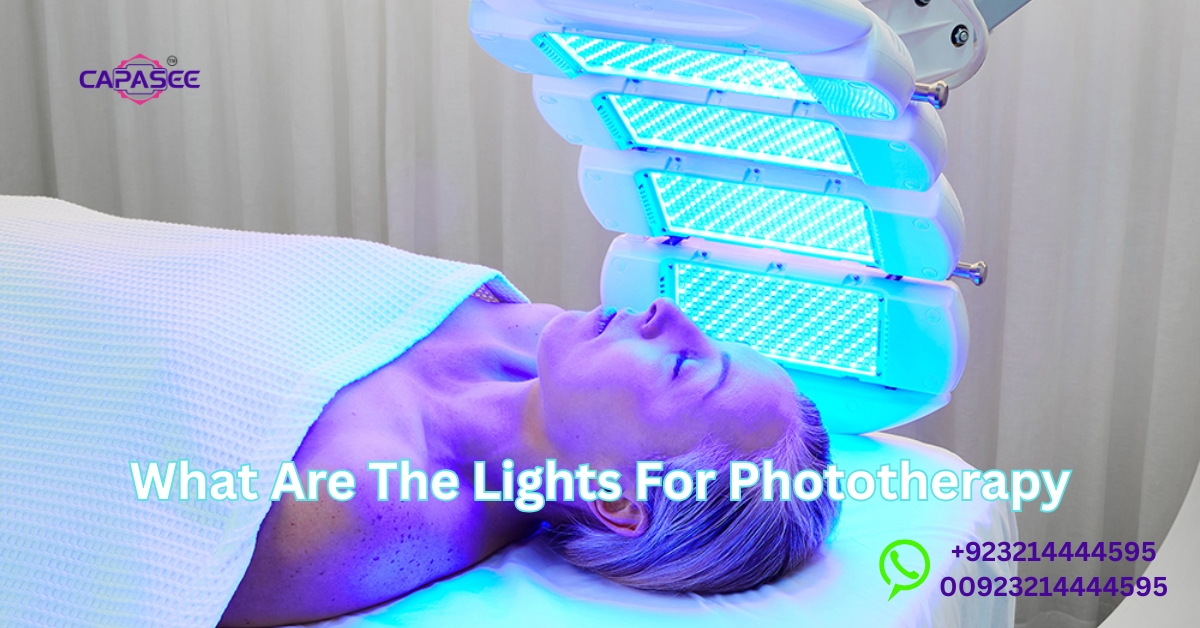
Have you ever thought about the purpose of using some lights during medical treatment, particularly in the treatment of certain conditions such as jaundice or skin problems? When you have been researching lights for phototherapy, you may be getting a bit confused trying to figure out how it works or why it works so well. When you want just simple answers to a complex treatment, it is frustrating.
In this blog, we will deconstruct what phototherapy lights are actually doing, how they assist in the healing process, and why they are so vital in particular health conditions. Regardless of whether you are new to the principle or simply interested in the mechanism of these lights, we will make it easier to understand so that you are more confident in what is occurring during your treatment. Stay with us and you’ll get all the information you want.
Lights for Phototherapy: Types, Benefits, and Safety
Lights for phototherapy are crucial in the treatment of many diseases, particularly neonatal jaundice. These lights assist in curing high bilirubin rates in the blood, allowing healing and recovery. It is important to know the various kinds of lights for phototherapy and their advantages to be treated effectively.
This guide will talk about the different sources of light for phototherapy, their efficacy, and their use in such treatments as neonatal hyperbilirubinemia. We are also going to discuss the type of phototherapy light, the wavelength and the safety concerns of such treatments.
Different Types of Phototherapy Lights: Blue, LED, Halogen, and Compact Fluorescent
Phototherapy light sources exist in many varieties with various advantages. Lights for phototherapy are mostly blue lights because of their high efficiency and low heat production. The phototherapy of halogen lamps is very bright, yet it can produce increased heat, which is potentially unsuitable in some treatment cases.
Phototherapy fluorescent tubes are popular, but they are less efficient than LED lights for phototherapy in terms of energy consumption. They give off a wider range of light, which is not necessarily the best in specific treatments such as blue and green lighting phototherapy of jaundice.
You May Also Read This Blog: Is Phototherapy Safe For Newborns
Phototherapy Light Benefits and How Phototherapy Light Therapy Works
The primary advantage of lights for phototherapy is that they lower the bilirubin level through light therapy, which is vital in the management of neonatal jaundice. The time during which phototherapy is administered may last, though in most cases, infants are put under the light for a few hours. This involves breaking down bilirubin in the skin, enabling the liver to handle it easily.
Doctors can treat newborns effectively by employing lights for phototherapy with the right light wavelength (approximately 460 to 490 nm). Phototherapy radiation level is well regulated to facilitate safety and effectiveness in the treatment process.
Phototherapy Light Wavelengths and Colors for Maximum Effectiveness
Phototherapy requires the appropriate light bands in order to be effective. The light of narrow spectrum blue is specifically effective to break down bilirubin in newborns, and blue LED lights are the most common lights for phototherapy as they represent a specific wavelength range.
Phototherapy intensity of light should also be gauged to make sure the light is not damaging the skin or eyes. The light spectrum and intensity that is effective in jaundice must be well adjusted depending on the severity of the condition.
| Light Type | Wavelength Range | Benefits |
| Blue LED lights | 460-490 nm | Efficient in treating jaundice |
| Fluorescent tubes | 450-500 nm | Cost effective, broad spectrum |
| Halogen lamps | 400-500 nm | Intense light, more heat produced |
| Fiber optic blanket | 450-480 nm | Safe for home phototherapy treatment |
The differences between these types of lights for phototherapy can be used to optimize the treatment of disorders such as neonatal jaundice and other phototherapy newborn treatment lights.
Choosing the Right Phototherapy Equipment: Neonatal Jaundice and Beyond
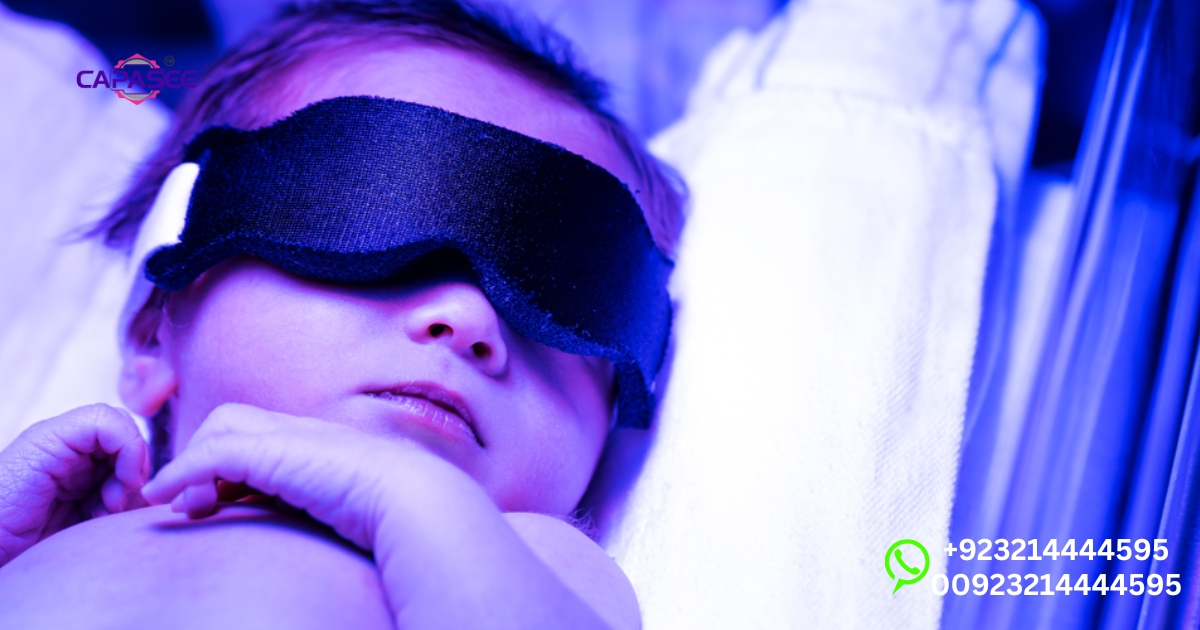
In choosing lights for phototherapy, one must select them depending on the type of treatment needed, which in this case is neonatal jaundice. Treating conditions such as neonatal hyperbilirubinemia requires different types of phototherapy light sources and it is important to select the appropriate source. The use of LED lights for phototherapy is usually motivated by the efficiency and low heat production, which makes the therapy of the baby quite safe.
Besides selecting the proper source of light, one should consider the advantages of phototherapy. Phototherapy to treat jaundice is based on the principle of breaking down bilirubin in the skin and phototherapy light bands contribute to the effectiveness. The choice of the appropriate device, like intensive phototherapy devices or a fiber optic phototherapy blanket, may not only offer optimal outcomes but also assure the safety and comfort of the patient.
Best Phototherapy Devices and Lamps for Neonatal Phototherapy Lights
Narrow spectrum blue light with a wavelength range of 460 to 490 nm is the most effective light for phototherapy. This spectrum is recognized to be very useful in the reduction of bilirubin levels through phototherapy. Some of the most reliable equipment is LED lights for phototherapy and halogen lamps for phototherapy, commonly used to treat neonatal jaundice in the hospital and clinic.
Commercial phototherapy devices and lights of more recent models are expected to be more energy efficient compared to older devices, treatment efficient and less heat generating. The length of phototherapy treatment differs depending upon the device and the severity of the disease, where LED lights for phototherapy are usually less energy consuming and safer in long term applications.
Compact Fluorescent vs. LED Phototherapy Lights: Which is More Effective?
Compared to the fluorescent tubes used in phototherapy, LED lights for phototherapy have a number of benefits. They are energy efficient, have a small light spectrum and produce less heat and are therefore safer to use in neonatal care. Phototherapy with fluorescent tubes, though still widely used, can be less effective and produce more heat and this might be discomforting to the baby.
The point of difference is the intensity of measurement of phototherapy light and its effectiveness. The LED lights for phototherapy are superior in terms of delivering the appropriate spectrum of light that works with jaundice, thereby accelerating the treatment process. This leads to the LED lights for phototherapy being an improved option in the treatment of modern neonatal jaundice.
How Phototherapy Lights Help in Treating Neonatal Jaundice Safely
Phototherapy of jaundice operates under the principle of light breaking down the bilirubin in the skin of the baby, and this is the reason the right phototherapy light source is essential. The intensity of the radiation used in phototherapy should be well regulated to avoid damage to the skin and eyes of the baby. In LED phototherapy light and narrow spectrum blue light, the chance of excessive heating and burning of the skin is reduced; therefore, treatment is not as dangerous.
Phototherapy with the use of phototherapy newborn treatment lights has been proven to lower the reduction of bilirubin through phototherapy. Phototherapy sources of light, such as phototherapy blue LED light, are also popular because they can be used to treat jaundice with precision. This renders phototherapy treatment more comfortable and rapid among the newborns.
Phototherapy Light Safety and Side Effects: What You Must Know

It is very important to be conscious of the side effects when employing lights in phototherapy. The advantages of phototherapy light treatment are obvious, particularly in the treatment of neonatal jaundice. Nevertheless, when used or exposed to improperly, phototherapy lights may become heat generating and cause damage to the skin.
In order to make phototherapy of jaundice effective and safe, it is important to adhere to the guidelines. This can be reduced through the use of the right phototherapy light sources, like LED phototherapy lights. Also, checking that the intensity of phototherapy light measurement is correct prevents such complications as skin burns or dehydration.
Common Phototherapy Light Side Effects and How to Prevent Them
Phototherapy lights have the most common side effects, which cause skin rashes, dehydration and eye damage. A fiber optic phototherapy blanket can be used to minimize overexposure to light and prevent burns. In addition, LED phototherapy lamps are safer and produce less heat than fluorescent tubes used in phototherapy.
Phototherapy treatment lights of the newborn should be used as per phototherapy safety measures. The common side effects can be avoided by monitoring the skin temperature of the baby and ensuring that they are hydrated during treatment. Parents and caregivers should also shield the baby’s eyes using special shields to prevent damage from the bright light.
Phototherapy Light Safety Guidelines for Optimal Results
Phototherapy light safety guidelines are essential to attain the best outcomes in the treatment of neonatal hyperbilirubinemia. Phototherapy requires light of wavelengths between 460 and 490 nm, blue and green light, which is the most effective wavelength in reducing bilirubin levels through phototherapy. The correct placement of the light source will ensure that the baby is not negatively exposed to the light.
Phototherapy light bands must also be adjusted appropriately to ensure that the appropriate spectrum and intensity are employed. This will avoid underexposure, which may not work and excess exposure, which may cause side effects. Always pay attention to the time of treatment, which must match the recommendations of safe light usage as part of neonatal jaundice treatment.
Innovations in Phototherapy Equipment for Enhanced Patient Care
The most recent developments of phototherapy equipment have brought immense benefit to the safety and efficacy of treatment. Phototherapy lights, such as LED phototherapy lights, are energy efficient with reduced heating capabilities. The developments are particularly significant to the intensive phototherapy equipment that offers more intense light, but with a lack of associated risks.
Recent designs, e.g., commercial phototherapy equipment and light types, enable a finer control of radiation intensity in phototherapy, minimizing possible side effects. Also, home phototherapy treatment that can be performed using portable LED phototherapy lights offers convenience without compromising on safety and efficiency.
FAQ’s
What kind of light is used in phototherapy?
Phototherapy with blue light, and in particular, LED phototherapy lights, is used to treat a variety of disorders, such as jaundice.
What are the 5 main types of light therapy?
The most popular five are UV light therapy, blue light therapy, red light therapy, infrared light therapy and broad spectrum light therapy.
What kind of light is good for jaundice?
Phototherapy using blue and green light, especially LED phototherapy lights, is best in the treatment of jaundice.
How many lights for phototherapy?
The quantity of lights will vary depending on the disorder being cured; however, in most cases, one to two phototherapy lights are adequate in the case of jaundice.
How long is the maximum hours for phototherapy?
Treatment is normally 12 to 24 hours of phototherapy per day, depending on the severity of the condition and the doctor’s prescriptions.
Final Thoughts
The understanding of what the lights are for phototherapy is crucial to anyone who wants to treat some diseases, such as neonatal jaundice. The common lighting that is used is the blue LED lights and narrow spectrum blue lights because they are effective and safe. Healthcare providers are able to reduce risks and maximize the outcome by selecting the most suitable lights for phototherapy sources. Be it neonatal hyperbilirubinemia treatment or any other kind of condition, being informed about the appropriate type of light and treatment rules could become a decisive factor in ensuring a successful result. Professional advice is always to be followed to receive safe and effective phototherapy.