Blog
Light Used in Phototherapy

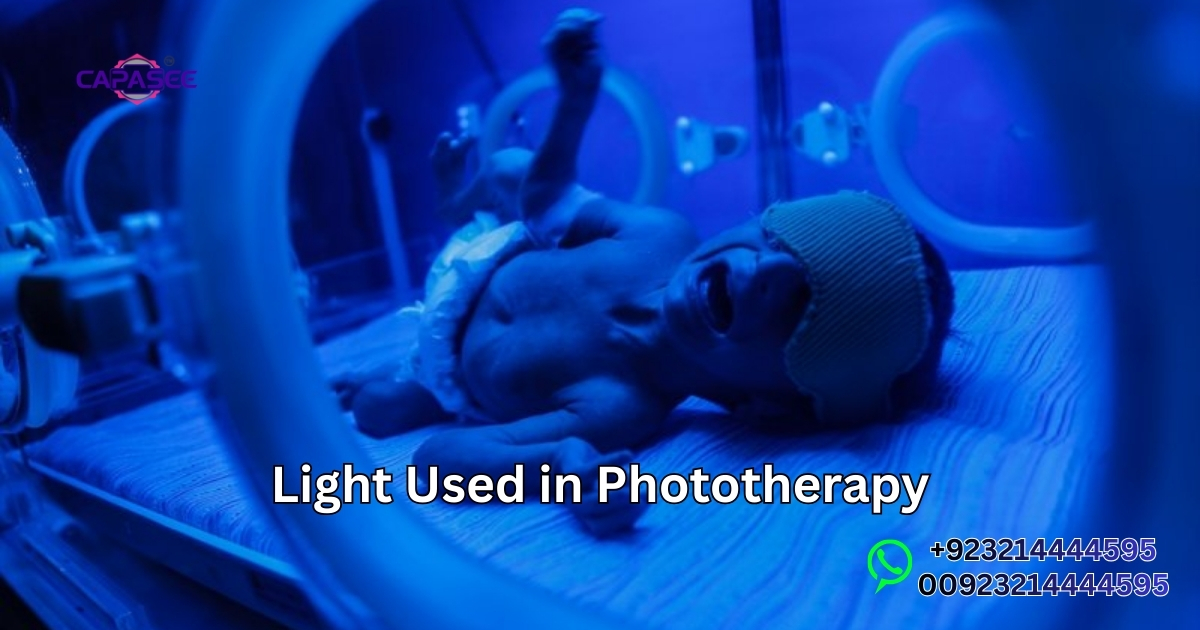
Have you ever asked yourself why doctors prescribe light therapy for skin or mood problems? Perhaps you did this because standard care failed to make you feel better, or you are simply sick of medical jargon. Many individuals are confused when they are introduced to the concept of light used in phototherapy. It is very technical, nearly frightening. There is nothing wrong with you to feel interested and slightly disoriented.
In this blog, you will know the real light used in phototherapy and the reason why it works with so many. We shall simplify it without the medical wording. You will find how it is applied, when doctors apply it, and what the advantages of it are. At the end of it all, you will be sure, educated, and prepared to make a decision as to whether this treatment will be reasonable to you.
LED Phototherapy Lights Pakistan
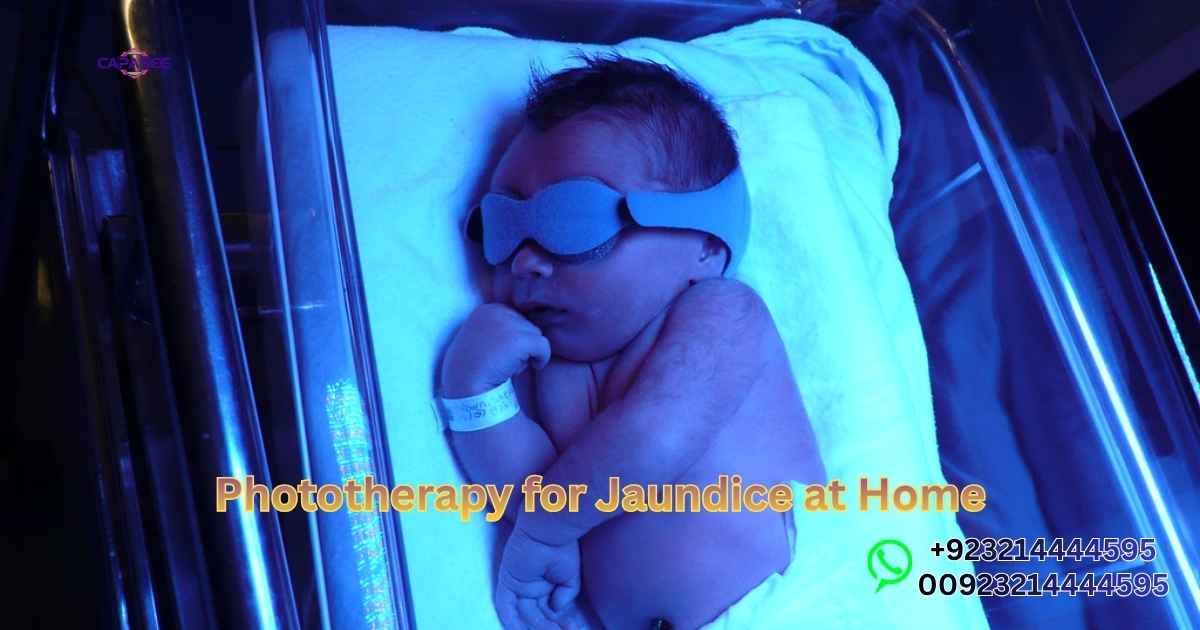
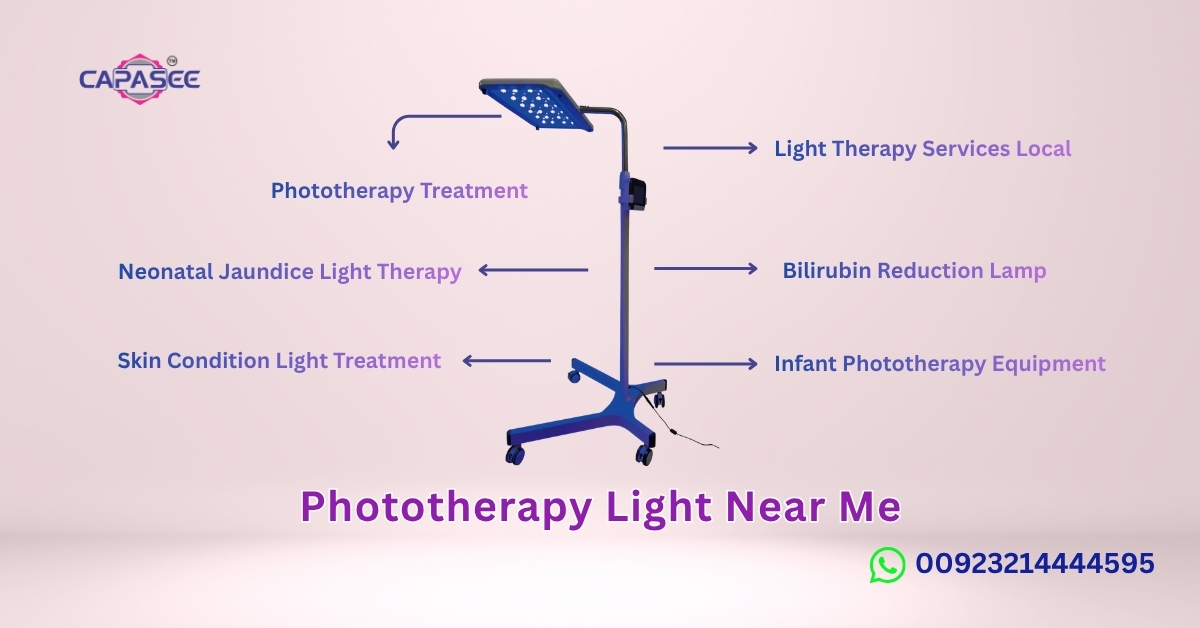
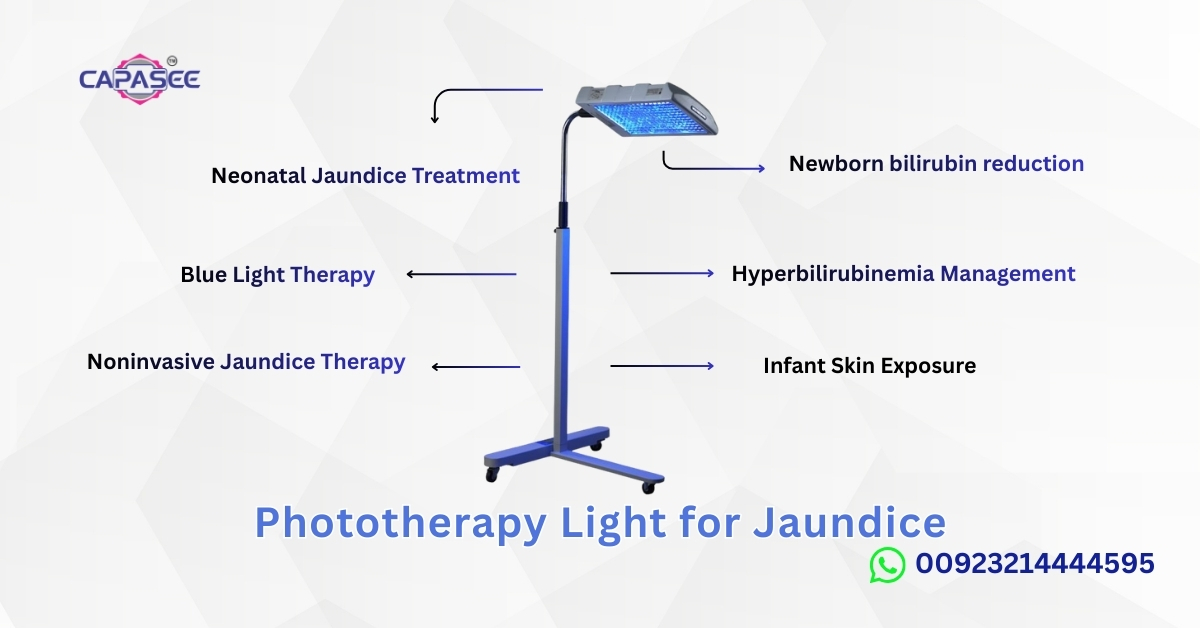
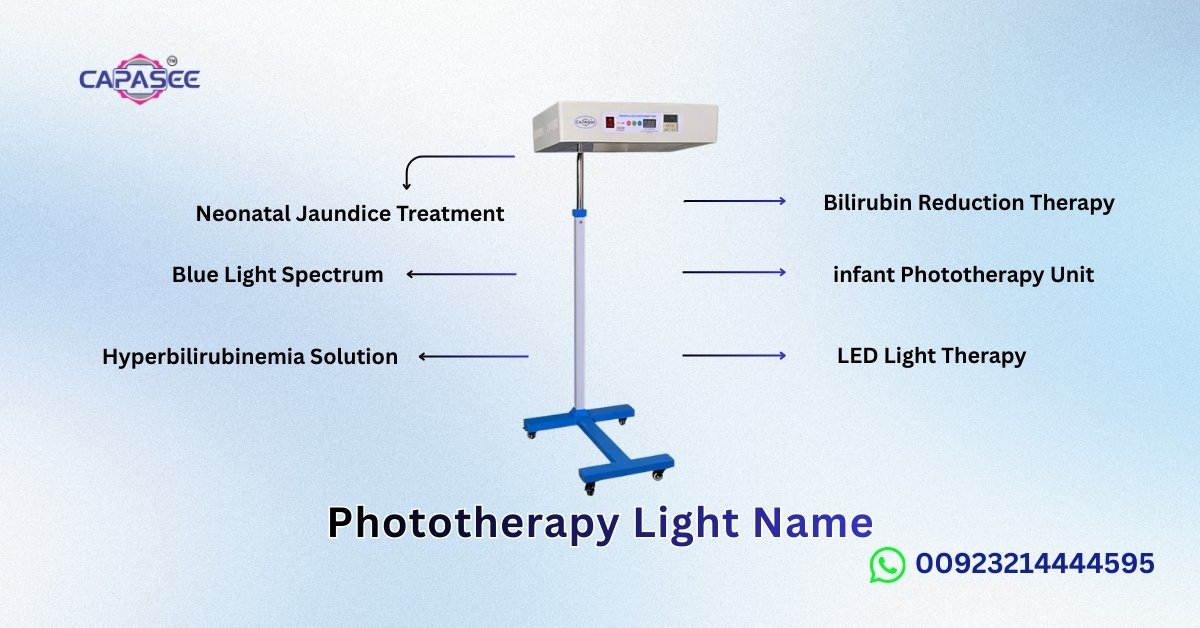
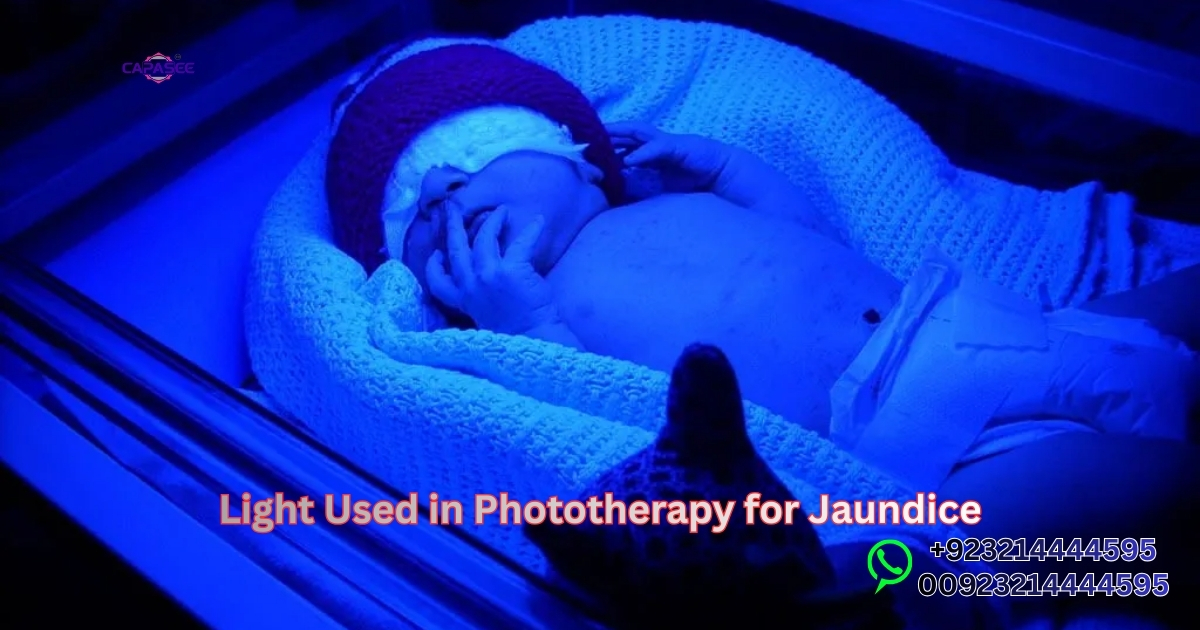
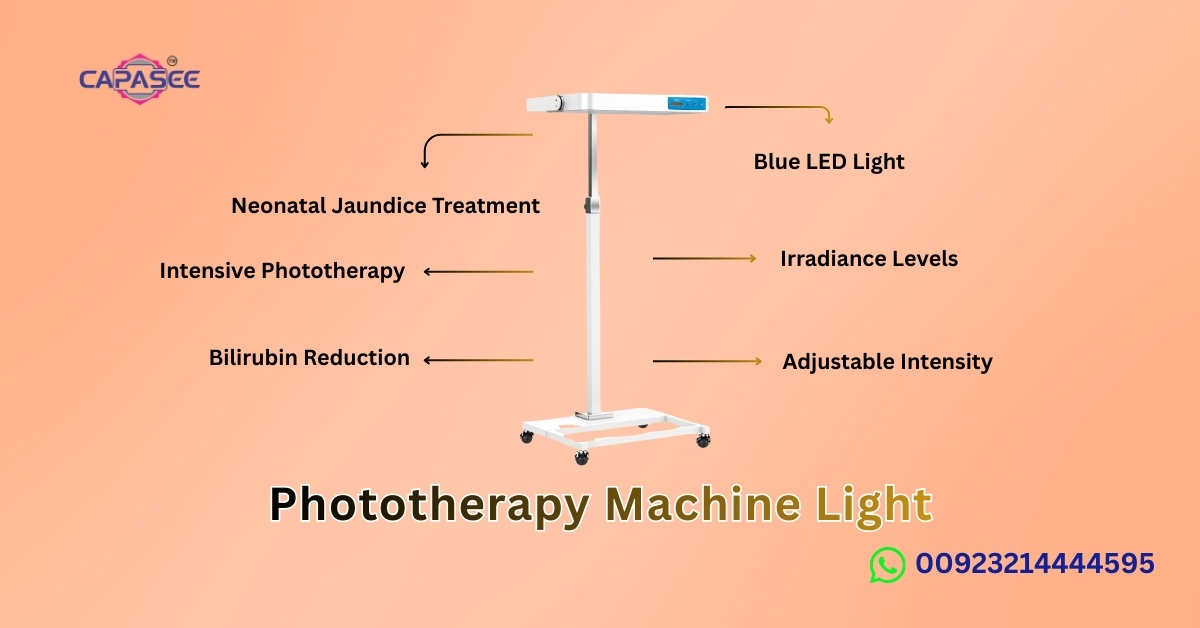
Phototherapy treatment of neonatal jaundice in Pakistan has transformed with the use of light used in phototherapy with the use of LED phototherapy lights. Light emitting diodes are preferred by hospitals since they provide the blue light spectrum with high efficiency, as well as generate minimal heat output. These lamps decrease the bilirubin levels in serum at a faster rate; intensive phototherapy is safer for babies. The lights are also energy efficient, thus consumption of electricity is saved, which is important in busy hospitals.
Narrow spectrum blue LED lights with a wavelength of 460-490nm are now used in many clinics in Pakistan. This range is aimed at the bilirubin. These lights decrease the treatment time as compared to the old treatment methods and keep the babies comfortable. Parents observe fewer side effects, and physicians adhere to AAP principles of effective and safe care with light used in phototherapy.
Why LED Excels in Newborn Care
LED lamps remain cool and have a longer lifespan than fluorescent tubes and quartz halogen lamps. Their heating capacity is low, which eliminates skin burns. The fiber optic blankets emitting LED phototherapy are used in hospitals when treating babies in a softer way. Narrow spectrum blue LED light sources also assist physicians in keeping a tight range of wavelengths, optimizing the light used in phototherapy.
Babies heal more quickly in the light used in phototherapy emitted by the phototherapy lamps, due to the efficiency of penetration of the blue color into the skin. It is less dangerous during longer periods. Physicians in Pakistan depend on bilirubin in serum to modify treatment. The process enhances the bilirubin clearance with babies remaining safe and calm.
You May Also Read This Blog: Buy Phototherapy Light
Capasee LED Models vs. Traditional Options
Capasee LED models are more effective in treating jaundice of newborn babies compared to halogen lamps. They are low energy consuming lights, emit low levels of heat, and have uniform 475 nm radiation. They are safer and cost effective for hospitals in Pakistan, enhancing the light used in phototherapy.
Conventional halogen quartz lamps require a lot of replacement, and they generate more heat. Capasee Electro Medical Engineering LED models, on the other hand, shorten the treatment period and enhance the efficiency of intensive phototherapy. Their light emitting diodes adhere to the AAP guidelines strictly, which guarantees safe and efficient light used in phototherapy.
Fluorescent Lamp Phototherapy Basics
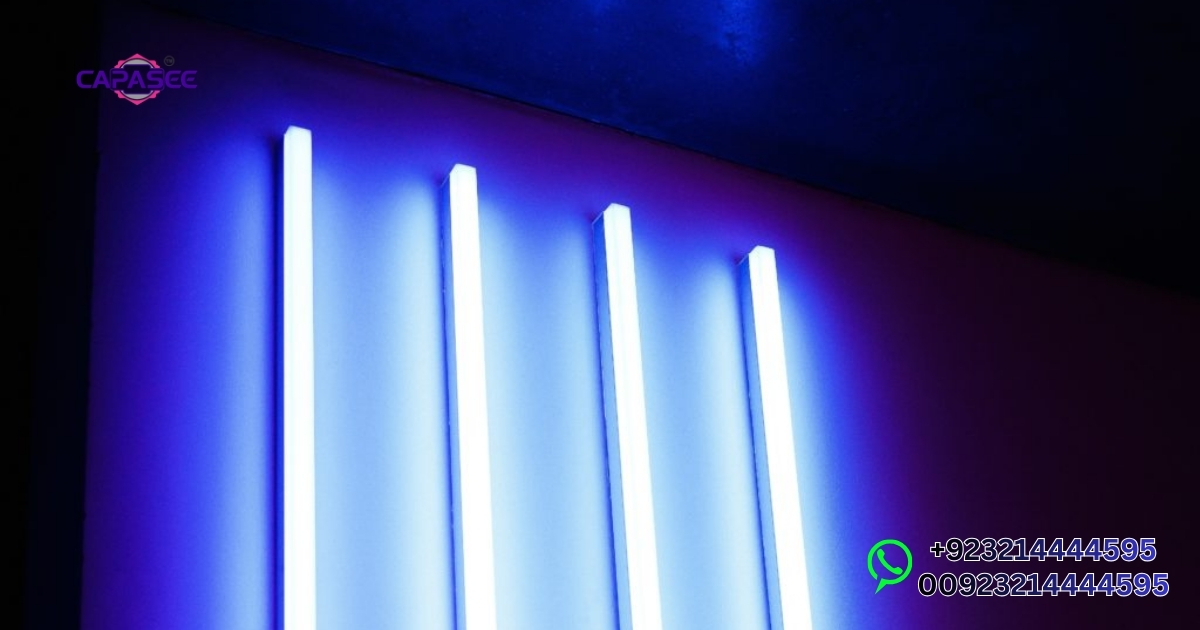
Fluorescent tubes are still in use to provide light for phototherapy in Pakistan. These are sources of light that operate in the blue light spectrum and focus on accelerating bilirubin elimination. They are used by hospitals in treating neonatal jaundice; they produce more heat compared to LED phototherapy lights.
The use of light used in phototherapy using fluorescent lamps is affordable and extensively accessible. They are also used together with fiber optic blankets in clinics. The level of serum bilirubin is tracked by doctors to establish the time of treatment and provide safe intensive phototherapy.
How Fluorescent Handles Bilirubin Fast
Fluorescent tubes are effective as they have a broad wavelength range, which lowers the level of serum bilirubin within a short period of time. The babies react quickly to the blue light spectrum, which enhances bilirubin reduction with light used in phototherapy.
Though they produce more heat compared to the LED lights, hospitals have control over them. Halogen lamps and fluorescent tubes are used to maintain the same light intensity used in phototherapy. Nurses adhere to the AAC safe care set of guidelines and pay attention to the duration of the treatment.
Capasee Fluorescent Reliability in Pakistan
Capasee fluorescent lamps are also used to offer credible treatment of neonatal jaundice throughout Pakistan. They employ high intensity light emitting diodes and fluorescent tubes whose wavelength range is controlled, thus enhancing the results of intensive light used in phototherapy.
The reason why hospitals trust Capasee is that it lowers treatment duration and maintains safety in the babies. Its energy efficient lights generate less heat as compared to the older models. These lamps can comply with the AAP guidelines and aid the recovery of babies by ensuring that the serum bilirubin is carefully monitored during light used in phototherapy.
Halogen Quartz Phototherapy Power
Phototherapy with quartz halogen lamps provides an intense blue light spectrum, which is used to reduce bilirubin. It is safely used in hospitals in Pakistan in the treatment of neonatal jaundice, and intensive light is used in phototherapy.
Quartz halogen lamps have a broad spectrum of wavelengths and are used as a steady source of light in phototherapy. They generate more energy and are able to keep treatment time accurate. They are selected by hospitals to provide fast and efficient outcomes.
Intense Heat Free Halogen Benefits
The modern halogen lamps have low heat production, and thus the newborn skin is not exposed to heat, as heat is not concentrated during the long exposure. The use of energy efficient lights saves on the expenditure of electricity and is AAP compliant with regard to safe, intensive light used in phototherapy and bilirubin management.
Phototherapy involves penetration of light that is utilized in phototherapy through the skin. Serum bilirubin is lowered faster with controlled radiation at 475 nm. The Pakistani parents believe in these lamps to deliver fast and reliable treatment.
Capasee Halogen for Hospital Use
Capasee halogen lamps are commonly used in treating neonatal jaundice in Pakistani hospitals. They offer powerful and uniform light sources and a stable blue light spectrum that minimizes the time of treatment safely during light used in phototherapy.
Capasee halogen lamps are used in hospitals as they are very strong and safe. They endorse fiber optic blankets and adhere to AAP standards, and thus provide bilirubin reduction without causing any discomfort to babies during intensive light used in phototherapy.
Check More & Purchase: Our Products
Blue Light Phototherapy Jaundice

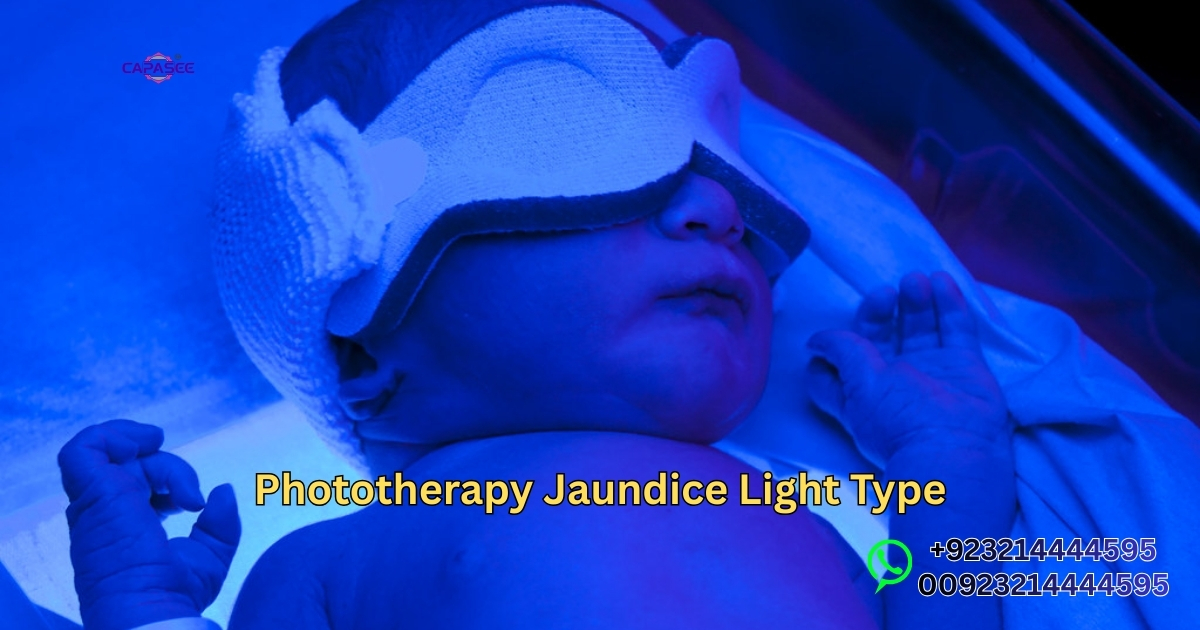
Phototherapy with narrow spectrum blue LED at 460-490 nm wavelength is the most effective because it directly affects bilirubin, and the frequency of safe treatment of neonatal jaundice is achieved throughout Pakistan with light used in phototherapy.
The blue light spectrum is not harsh on the babies. Low energy lights assist clinics in cost reduction. Serum bilirubin levels are monitored by the doctors and treatment is increased or decreased accordingly to enable safe intensive light used in phototherapy.
Targeted Blue for Quick Results
Narrow spectrum blue LED form lights produce an accurate range of wavelengths. Bilirubin is efficiently reached by the blue light spectrum, and this decreases the levels quickly and lowers hospitalization in Pakistan. The light used in phototherapy ensures precise targeting of bilirubin, improving treatment outcomes for newborns.
Phototherapy is done with light that operates on fiber optic blankets or overhead lamps. The light used in phototherapy with the wavelength of 460-490 nm is with low heat effect, hence making the babies safe during intensive phototherapy.
Fiberoptic Phototherapy Blanket Innovation
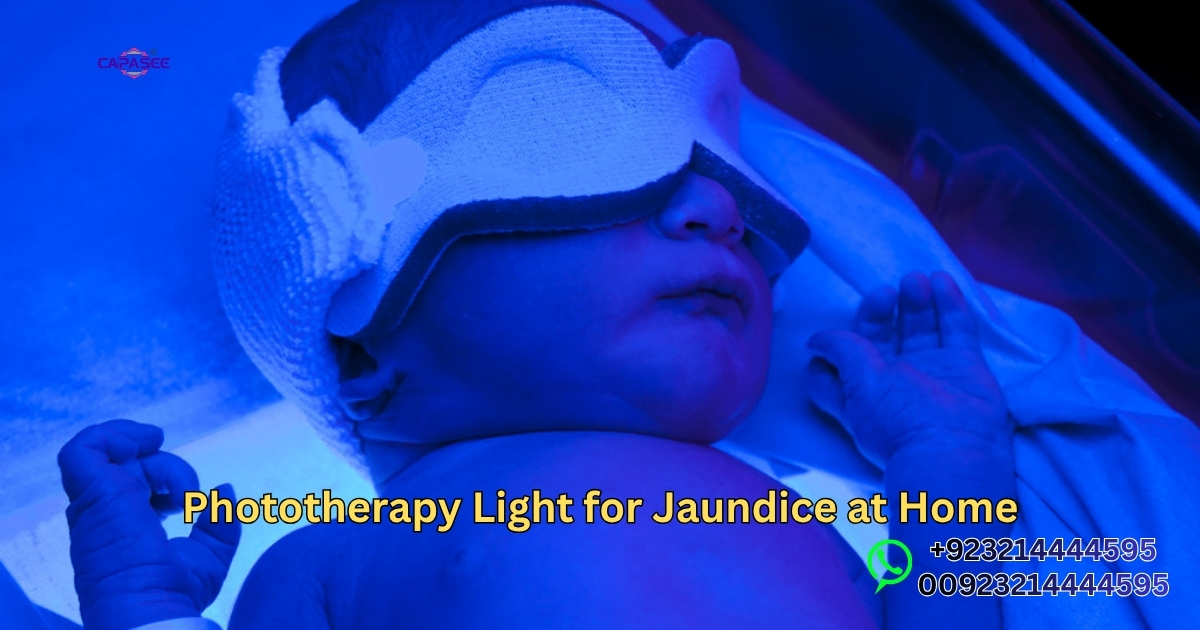
Fiber optic blankets apply the light used in phototherapy to mildly focused bilirubin reduction. In Pakistan, hospitals have merged these with LED or halogen lamps to be sure of treatment of neonatal jaundice.
Such blankets are based on the AAP principles and can be treated flexibly. The levels of serum bilirubin are reduced successfully, and babies remain comfortable. Energy efficient lights and accurate sources of light used in phototherapy are quickening the healing period in hospitals.
FAQ’s
What type of light can be used for phototherapy?
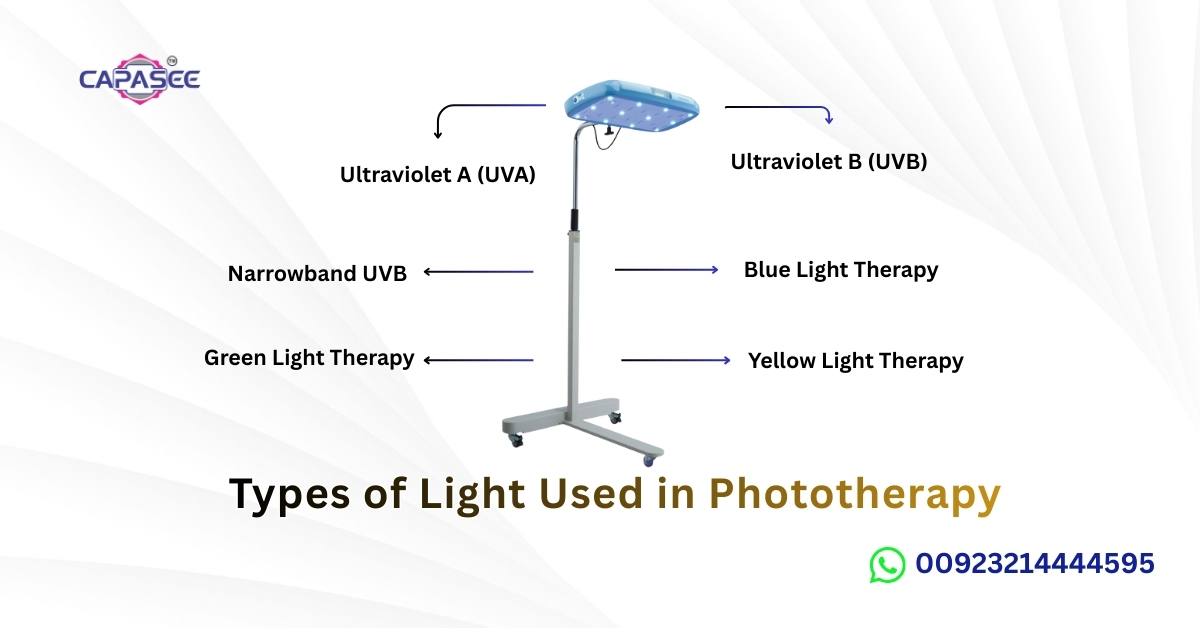
Phototherapy that is safe and effective to use is LED lights, halogen lamps, and fluorescent tubes.
What is phototherapy light made of?
Phototherapy lights comprise LEDs, halogen lamps of quartz, or fluorescent tubes that produce a blue light spectrum to reduce bilirubin.
Which light is best for jaundice?
The best types of lights are narrow spectrum blue LED lights that have rapid bilirubin removal with minimal heat and are safe for the use of infants.
What kind of light is used for jaundice babies?
Reduced bilirubin is safely reduced in jaundiced infants using blue light of LED, halogen, or fluorescent lamps.
Why is blue light used in phototherapy?
The bilirubin is broken down by blue light in the skin at an increased rate, which makes the treatment of neonatal jaundice safer and quicker.
Conclusion
Phototherapy involves the use of light used in phototherapy, which is crucial in the treatment of neonatal jaundice without any side effects. Pakistani hospitals use LED lights, halogen lamps, and fluorescent tubes to minimize serum bilirubin levels in the least amount of time and leave babies comfortable. The selection of appropriate light used in phototherapy will guarantee quicker bilirubin elimination, reduced heat, and reduced time of treatment. The phototherapy light is a reality that makes a difference in the care of infants, with proper monitoring and following of AAP guidelines, providing reliable, safe, and energy efficient solutions to both families and clinics.