Blog
Light Use in Phototherapy

You have likely resorted to seeking a solution to something when all other things appear ineffective. Perhaps you have been irritated by resistant skin problems or have been in a bad mood, asking yourself whether there could be something out there that will help you. And now you want to know about light therapy. Is it really significant? Should it be attempted or is it merely a fad?
In this blog post, we are going to look at the actual advantage of light use in phototherapy. You will learn about light therapy, the people it can treat, and why it is emerging as a popular alternative to treating skin and mood disorders. It will be better towards the end, when you can understand whether it is a safe and effective option that can help you. You may well hang around and find the answer you seek.
Light Use in Phototherapy Types

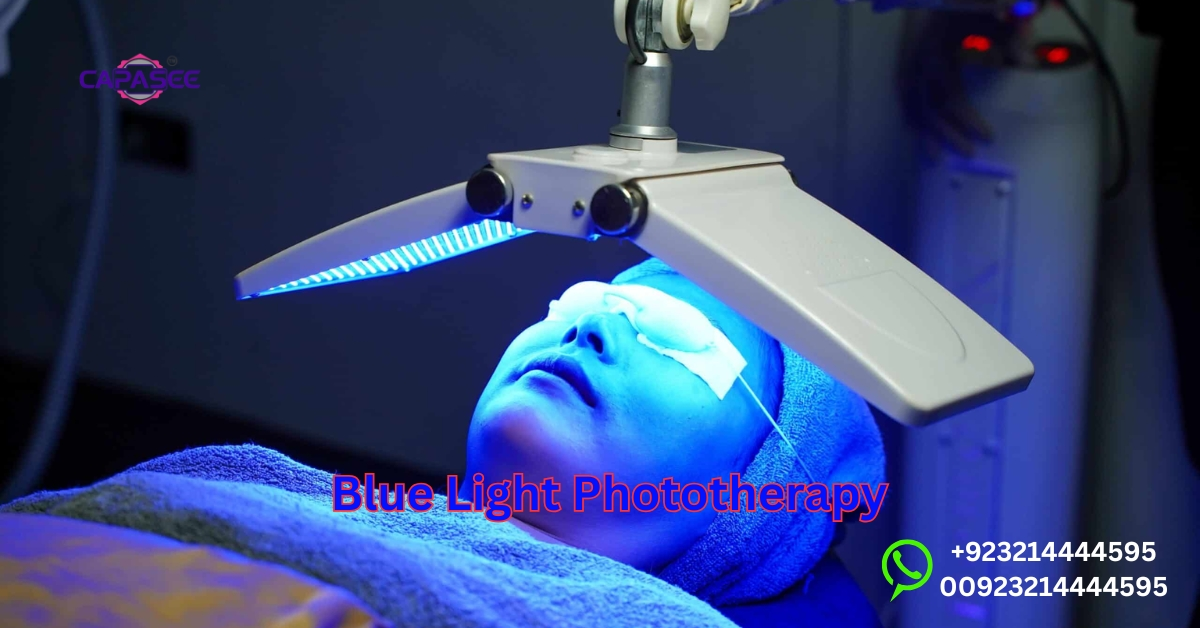
Phototherapy entails the use of light, of a certain wavelength, as a treatment. The common ones include LED phototherapy and blue light (415nm) and red light (633nm), each having its own advantages. These medicines are applied to skin diseases such as acne, psoriasis, and eczema. Phototherapy is a chromophore targeting method of activating skin healing, which explains why light use in phototherapy is so effective.
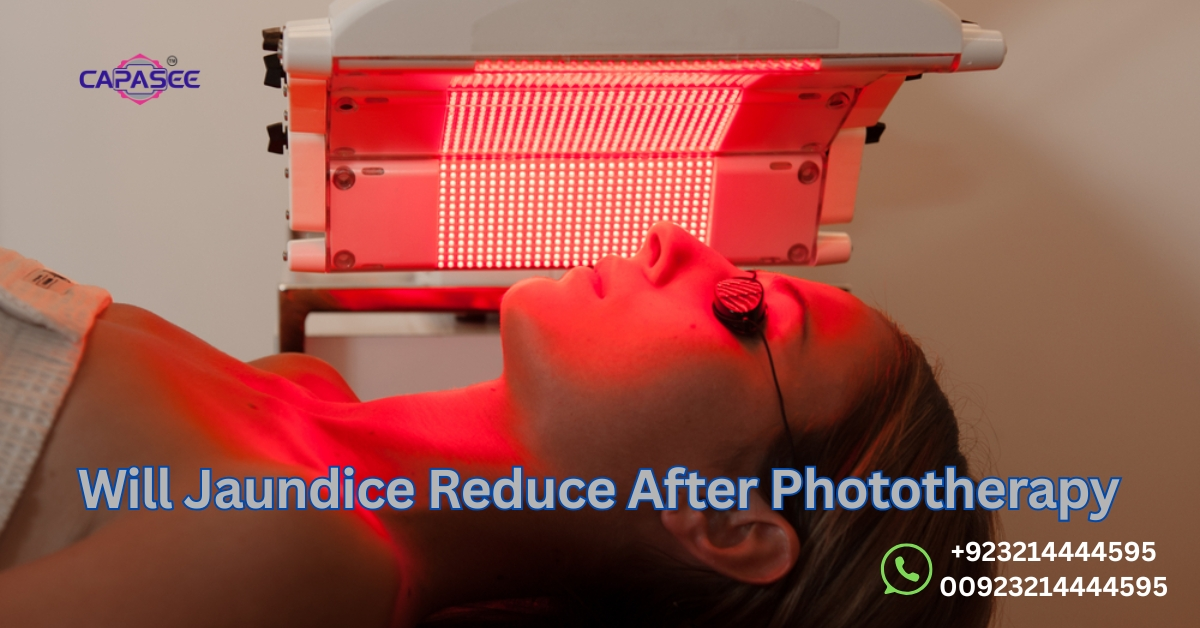
In Pakistan, LED phototherapy is highly used to treat skin diseases. It is also very important in the phototherapy of jaundice in neonates. Light therapy, Low level light therapy (LLLT), is an approach to decreasing pain and inflammation. Red light therapy is also a versatile method of treatment and it facilitates healing by enhancing blood flow, showing another dimension of light use in phototherapy.
Phototherapy Light Types in Pakistan
Phototherapy lights in Pakistan. Phototherapy lights include low level light therapy (LLLT) and LED phototherapy. The LED phototherapy is applicable to curing such conditions as acne, eczema, and skin inflammation. It employs certain light wavelengths, like blue light in case of acne and red light in case of reducing inflammation and skin healing, demonstrating how light use in phototherapy varies by wavelength.
You May Also Read This Blog: Light Therapy
Neonatal Phototherapy Light Pakistan
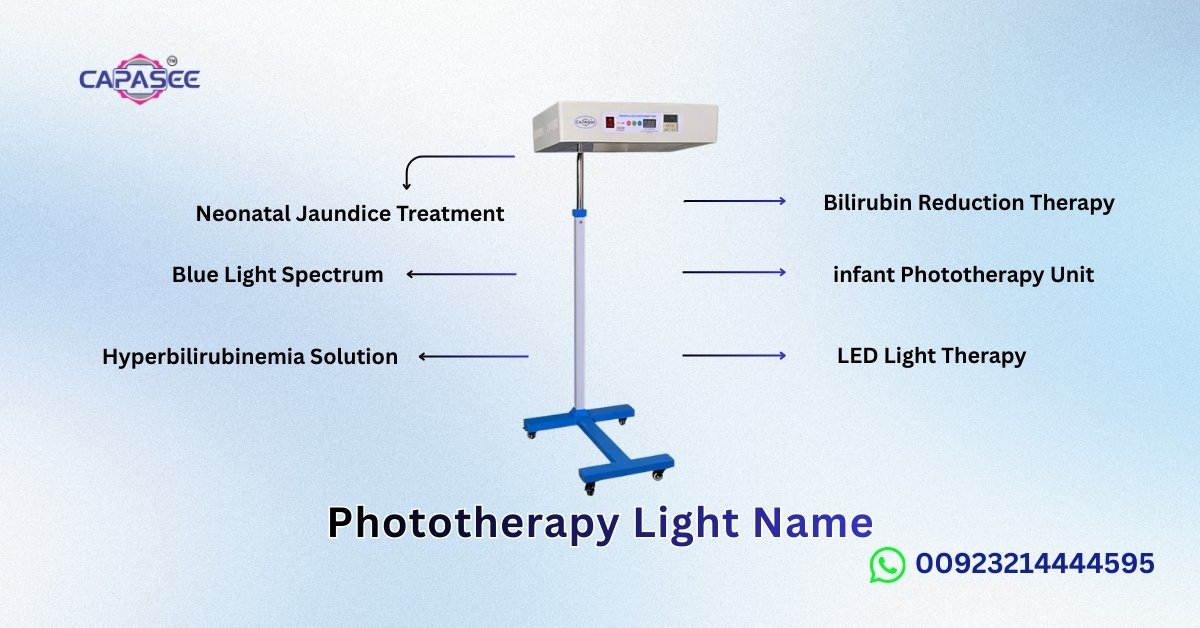
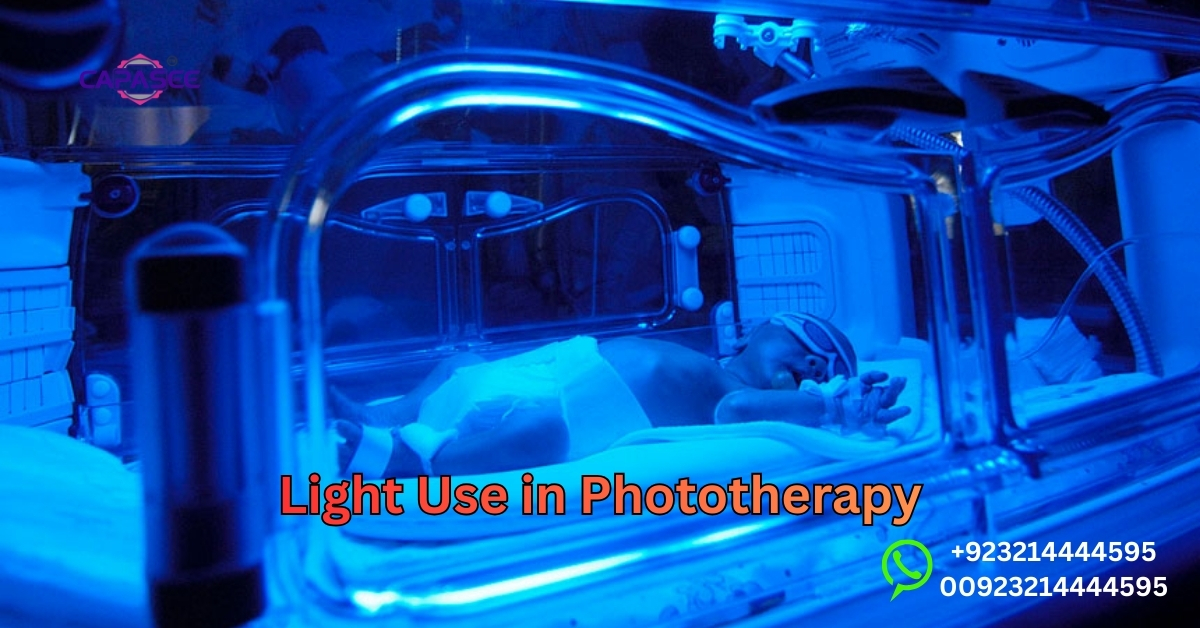
In Pakistan, neonatal phototherapy is usually done by use of blue light (415nm) to manage the jaundice in infants. In this treatment, surplus bilirubin in the blood of a baby is dissolved, and this makes the baby better. It is a safe and effective remedy, which is very common in hospitals to deal with this prevalent health problem and represents a crucial form of light use in phototherapy.
Benefits of LED Phototherapy
The positive effects of LED phototherapy include decreased inflammation, wound repair and the generation of more collagen. It works on skin disorders like acne and eczema. The treatment is risk free, non invasive and has few side effects, highlighting why light use in phototherapy is becoming more recognized.
The LED phototherapy is spreading its way in Pakistan as a means of treating muscle and joint pains. It can also be used to enhance the skin texture and reduce redness. Red and blue light therapy has therapeutic benefits, and as such, the LED phototherapy can be employed to treat a variety of medical and aesthetic disorders, further expanding the application of light use in phototherapy.
LED Phototherapy Benefits Pakistan
In Pakistan, LED phototherapy is useful when treating skin diseases such as acne, psoriasis, and eczema. It is healing, anti inflammatory, and skin improving without causing side effects of more aggressive interventions. It is also useful in red light therapy that aids in the production of collagen and skin renewal, showing why light use in phototherapy is valued in dermatology.
Low Level Light Therapy Uses in Pakistan
Low level light therapy (LLLT) is done in Pakistan to treat muscle and joint pain and enhance blood flow. It enhances the healing process by facilitating the supply of oxygenated blood into the body. LLLT is now a reliable way of treating pain and enhancing general well being to alleviate pain in many individuals without the use of invasive procedures, marking another beneficial form of light use in phototherapy.
Table: Light Wavelengths in Phototherapy
| Light Type | Wavelength (nm) | Uses |
| Blue Light | 415 | Treats acne, neonatal jaundice |
| Red Light | 633 | Reduces inflammation, promotes skin healing |
| Near Infrared Light | 830 | Pain relief, improves circulation |
Phototherapy is a popular method in the use of using light in treating various conditions in Pakistan, as it is safe and effective with no side effects. Regardless of whether it is neonatal jaundice, skin problems, or pain management, this type of treatment provides non invasive options with a minor number of side effects, showing the broad scope of light use in phototherapy.
Phototherapy Equipment Insights

Phototherapy requires well maintained equipment to be used properly and suitably in the use of Light. Technicians in most clinics in Pakistan change old lamps at regular intervals to maintain the level of light production as well as safety. The phototherapy that is being used by devices tends to utilize compact fluorescent lamp phototherapy or LED phototherapy bulbs to produce the appropriate light wavelengths in the phototherapy to treat neonates effectively in phototherapy or skin therapy patients. This is essential for safe and effective light use in phototherapy.
In Pakistan, some modern phototherapy units make use of compact fluorescent lamps (CFLs) in the treatment of newborn jaundice. The light emitted by these CFL phototherapy lights is blue green and it assists in breaking down bilirubin. Clinics control the light dose/energy density and change bulbs periodically. This practice makes the therapy safe and effective by the standard of the safety profile of phototherapy, supporting consistent light use in phototherapy.
Check More & Purchase: Our Products
Phototherapy bulb replacement in Pakistan
Light use in phototherapy is more effective when there is a regular replacement of the worn bulbs to ensure that the rate of light is high and safe in the clinics in Pakistan. Both fluorescent and LED lamps are time consuming. Frequent change maintains an appropriate dose of light and helps in good treatment, ensuring reliable light use in phototherapy.
Compact fluorescent lamp phototherapy in Pakistan
Pakistan has a large number of hospitals that employ compact fluorescent lamp phototherapy units that incorporate special fluorescent bulbs to treat the skin of patients and babies. These lamps release blue light, which is used for treating neonatal jaundice, phototherapy and skin disorders. Well preserved lamps provide the right light wavelengths in phototherapy to achieve good results, which further strengthens the effectiveness of light use in phototherapy.
FAQ’s
Which type of light is used in phototherapy?
Phototherapy is most commonly done with blue green light (430 nm to 490 nm) or ultraviolet light (UVB or UVA), based on the condition.
Why is blue light used for phototherapy?
Blue light is penetrative and bilirubin is a good absorber that assists in the safe breakdown of bilirubin.
What kind of light is used for light therapy?
Light therapy may involve blue light, red light or UV light, depending on the medical or skin condition and condition being treated.
What is the recommended light intensity for phototherapy treatment?
In the case of intensive phototherapy, the medical requirements are approximately 30 µW/cm² per nm answer to nm of blue green light on the patient.
What is the rule of phototherapy?
In order to work safely and effectively, phototherapy should provide adequate wavelength, dose, and exposure time and care providers should adhere to those parameters.
Conclusion
Phototherapy Light has proven to be an effective and non invasive treatment of many health diseases, including neonatal jaundice, as well as some skin diseases such as acne and psoriasis. Through certain wavelengths of light, like the blue light (415nm) and the red light (633nm), phototherapy helps to address the root causes of these conditions. Maintenance and proper light intensity are essential factors in the attainment of effectiveness in the therapy. It is considered to be a safe, accessible and potent treatment option as more people in Pakistan increasingly adopt LED phototherapy and low level light therapy (LLLT), further emphasizing the value of light use in phototherapy.