Blog
What is The Difference Between Phototherapy And Light Therapy

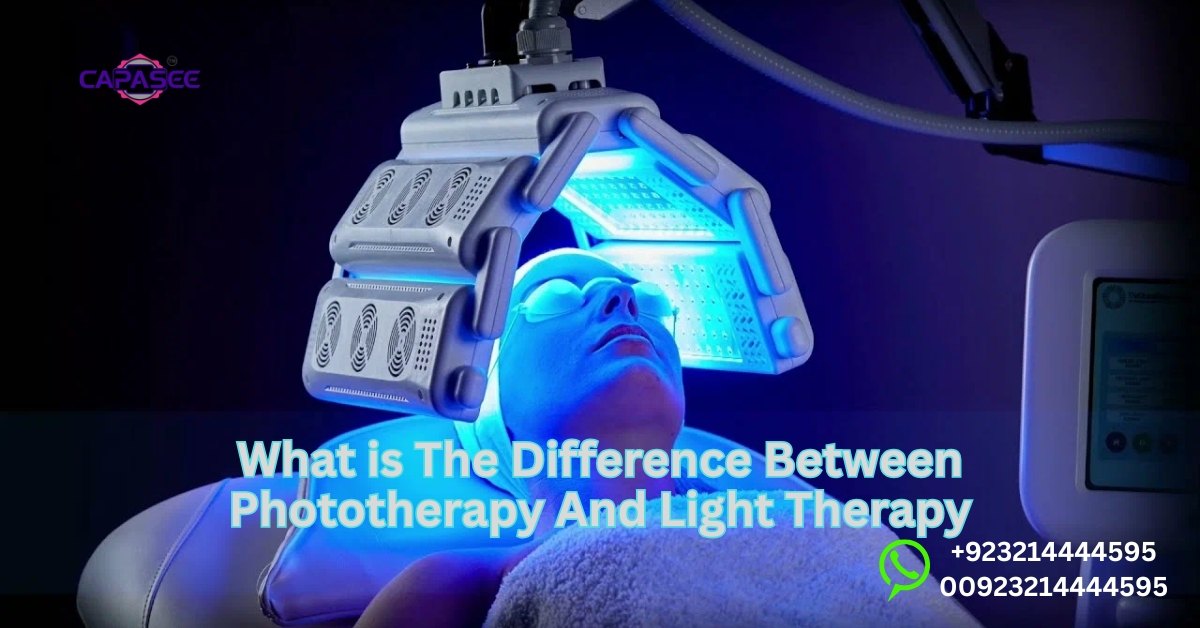
Have you ever wondered why physicians or dermatologists consider phototherapy and light therapy as the same thing? You’re not alone. It is common to find many individuals confused when reading about the treatment of skin conditions or mood disorders and use the two terms interchangeably. You may be asking yourself, Are they not the same lights and doing the same job? It is that little suspicion that takes the majority to this place, trying to understand the difference between phototherapy and light therapy.
The distinction between phototherapy and light therapy has been a mystery to many until this post, where you will now have a clear and simple explanation of the difference between phototherapy and light therapy. We will deconstruct what each of the treatments is, when they are applied, and how they are applied to your body. At the conclusion, you will have the answer to the question of what term applies to what type of treatment you did not require, other than pure, simple English that makes sense.
Difference Between Phototherapy and Light Therapy: What You Need to Know
The difference between phototherapy and light therapy is primarily in the type of light utilized and the location of each of the applications. Phototherapy is a therapy for skin conditions (psoriasis and eczema) that involves the use of ultraviolet (UV) light therapy in hospitals or clinics. It is a managed medical procedure, which is carried out by professionals to prevent the side effects of phototherapy.
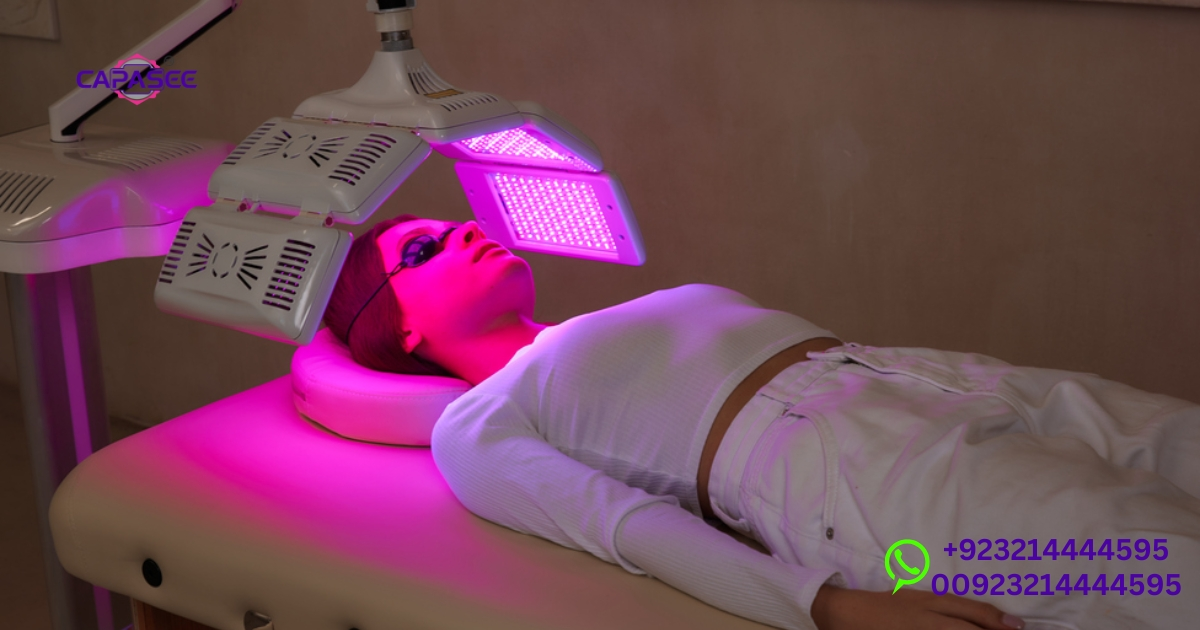
Conversely, light therapy involves LED light therapy that employs particular wavelengths of light in the treatment of the body or in a wellness facility. They consist of red light therapy, blue light therapy, and LED light therapy, which are meant to treat skin inflammation, mood improvement, and collagen stimulation light therapy.
| Aspect | Phototherapy | Light Therapy |
| Light Source | UVB narrowband light, UVA light therapy | LED lights, red light therapy, blue light therapy |
| Usage | Medical setting | Home or wellness center |
| Conditions Treated | Psoriasis phototherapy, eczema light therapy, cutaneous T-cell lymphoma | Treating acne with light therapy, LED therapy for rosacea and wrinkles |
You May Also Read This Blog: Can You Do UVB Light Therapy At Home
Phototherapy Benefits and Medical Conditions Treated: More Than Just Light
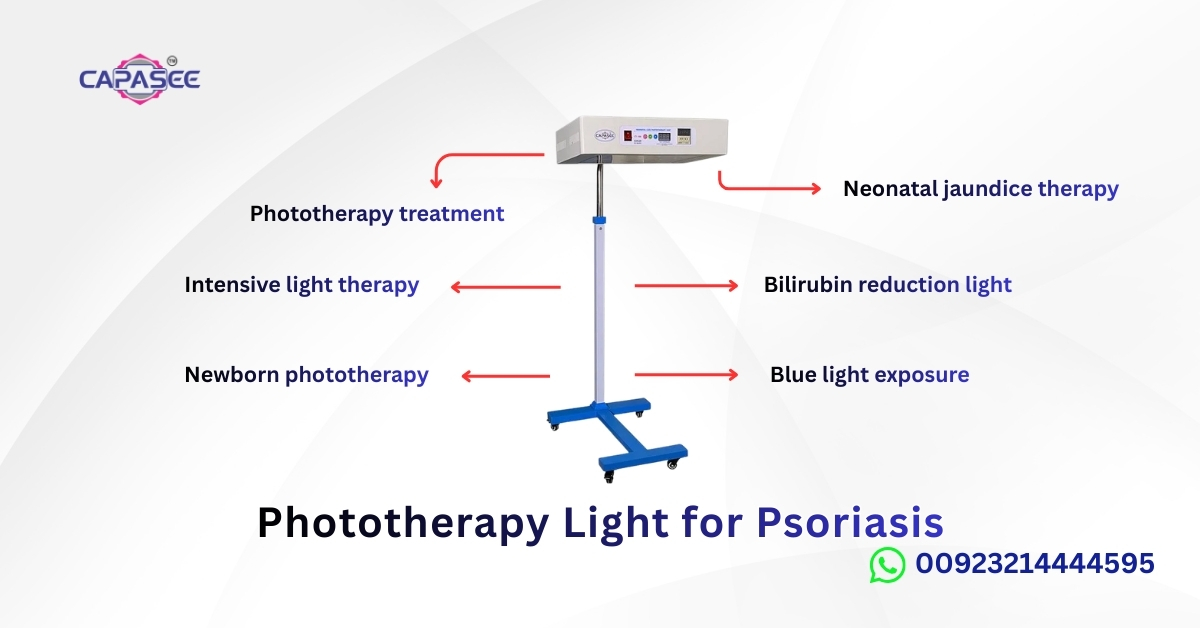
What is phototherapy? It is a reputable hospital based therapy, according to which phototherapy is utilized as the healing factor in cases of light treatment of dermatological issues using ultraviolet rays. Doctors in Pakistan usually prescribe it to address skin conditions like psoriasis and eczema, skin cancer and acutely rashed skin. The ultraviolet light which is administered is UVB narrowband light and UVA light therapy, depending on the needs of the patient and duration and frequency of phototherapy.
The difference between phototherapy and light therapy also lies in their medical applications. The phototherapy has more to skin than skin deep. It serves to decrease the inflammation of the skin, assists in the regulation of immune response under the influence of light, and even helps to regenerate skin cells. Regulated light exposure aids in healing tissues and restricts the harmful radiation. This phototherapy technique is a highly effective long term treatment of chronic skin conditions and is a safe and tolerable treatment that brings long lasting relief and apparent improvement with professional care.
Exploring Light Therapy Uses: From Skin Health to Mood Enhancement
Home light therapy is currently becoming popular in Pakistan because of the emergence of home light therapy machines. It is applied in the stimulation of collagen production, Photobiomodulation, and LED in the treatment of rosacea and wrinkles. It is less invasive and more about beauty, wellness and mental health, unlike phototherapy.
The difference between phototherapy and light therapy here includes where and how it is applied. These devices are effective through the light wavelengths that help in stimulating collagen and light collagen through the light, which helps to smooth out the fine lines and improves mood. Red light therapy and blue light therapy can help users enhance their skin conditions, and regulate their immune response to light and keep the skin glowing and healthy all at home.
Phototherapy vs. Light Therapy: Types, Technologies, and Effectiveness Explained

The difference between phototherapy and light therapy is the difference in the type of light, intention, and means of treatment. Phototherapy is a type of therapy that is based on the utilization of ultraviolet (UV) light when treating medical skin diseases like psoriasis and eczema. UVB narrowband light or UVA light therapy is frequently used in Pakistani clinics by doctors to use it in treating skin inflammation and healing. It is a commercial photodermatology therapy that has demonstrated the phototherapy effects in the skin and other diseases, such as cutaneous T-cell lymphoma.
In the meantime, LED lights are used in beauty and wellness as part of the light therapy. It is familiar with red light therapy, blue light therapy and collagen stimulation light therapy, which assist with skin cell regeneration and Photobiomodulation. These types of therapy are glow, aging, and mental health. The difference between phototherapy and light therapy is also in the safety and purpose; phototherapy uses ultraviolet light in hospitals, whereas home light therapy devices make use of LED technology, which is safe and can be used at home.
| Feature | Phototherapy | Light Therapy |
| Light Source | Ultraviolet (UV) light therapy (UVA & UVB) | LED light therapy (Red, Blue, Near Infrared) |
| Usage | Medical setting phototherapy | Home use light therapy |
| Purpose | Treat diseases like psoriasis, eczema, and skin cancer | Improve skin tone, acne, and mood |
| Side Effects | Possible mild redness or dryness (phototherapy side effects) | Minimal risk when used properly |
| Treatment Frequency | Regular sessions, duration and frequency of phototherapy sessions are advised by doctors | Daily or weekly short sessions |
Differences Between UV Light and LED Light Therapy: How Each Works
Phototherapy utilises UV light of UVA light therapy or UVB narrowband light sources. The lights penetrate through the skin to deeper skin layers to cure psoriasis and eczema in chronic skin illnesses. The type of ultraviolet light applied varies in terms of wavelength and both are effective in the delay of abnormal growth of the skin cells. Exposure is controlled by the doctors in order to diminish the phototherapy side effects and achieve the desired outcome of phototherapy in skin cancer treatment or eczema light therapy.
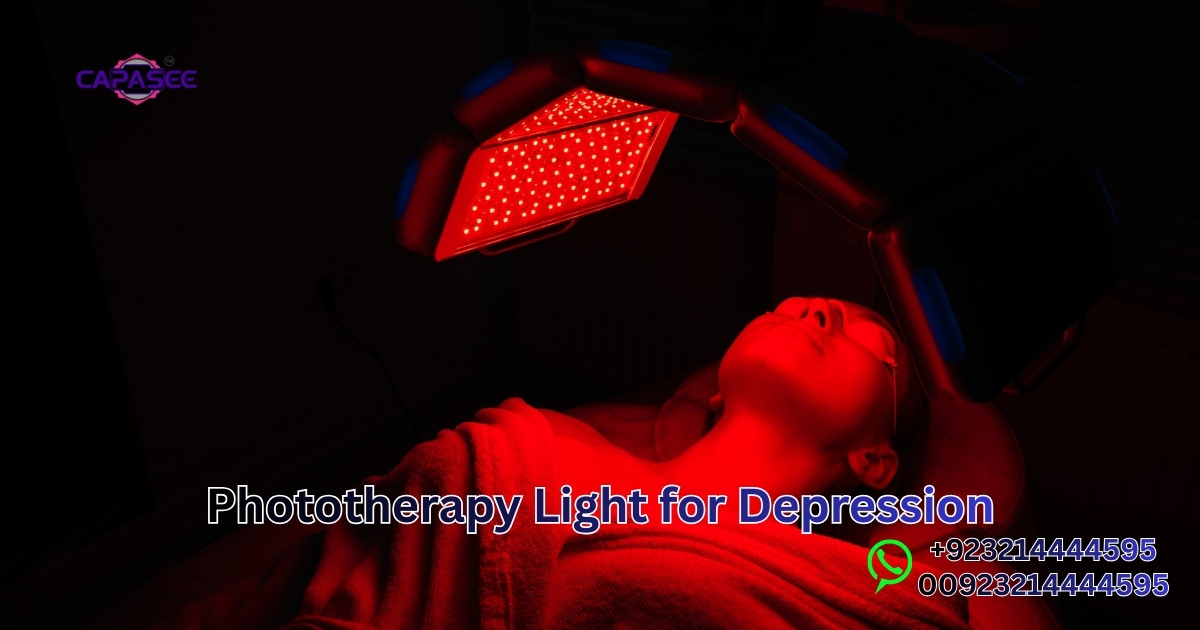
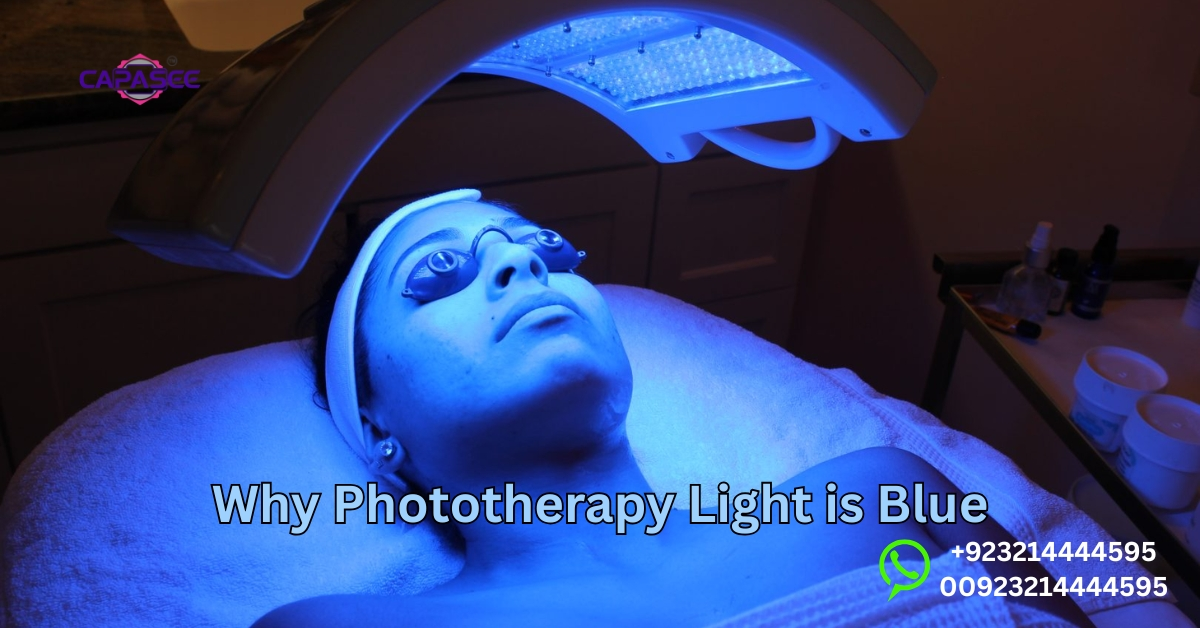
Conversely, light therapy involves LED lights, which communicate via Photobiomodulation to implement stimulation of collagen synthesis and healing of tissues. The red light therapy enhances blood supply, whereas the blue light therapy is superb in the treatment of acne using the light therapy, and in soothing the oily skin. The difference between phototherapy and light therapy is also reflected in their biological response. UV light treats chronic diseases under clinical guidance, while LED light supports natural healing safely at home. Light wavelengths are effective depending on the type of skin and treatment objectives. These are also safe and non invasive, immune regulating methods that support your body to heal naturally.
Check More & Purchase: Our Products
Clinical Phototherapy Treatments vs. Home Use Light Therapy Devices
Phototherapy in the medical setting occurs in clinics with the care provided by specialists. Controlled ultraviolet (UV) light therapy is used to treat psoriasis by doctors, eczema light therapy, and cutaneous T-cell lymphoma. Each patient is provided with a specific schedule of a fixed number of seconds and frequency of phototherapy sessions. This is the most accurate method since the exposure is more controlled and the recovery of the skin in the long run. The difference between phototherapy and light therapy begins with this medical precision and clinical setting, highlighting the professional approach of phototherapy.
Compared to this, home use of light therapy is personal care that is easy and safe. LED light therapy devices used as home light therapy can be used to brighten skin and reduce stress. The devices are designed for light therapy for skin conditions and are effective in LED therapy to treat rosacea and wrinkles. They enhance the stimulation and repair of collagen by Photobiomodulation, producing smoother, glowing skin. Both are useful, though professional treatment with phototherapy may be of medical quality, whereas home use of light therapy can be employed to promote daily wellness and beauty care. This contrast further illustrates the difference between phototherapy and light therapy in terms of purpose and accessibility.
Safety, Side Effects, and Advantages: Navigating Risks and Rewards of Light Based Therapies
Phototherapy and light therapy also vary in terms of their safety and side effects. Phototherapy is undertaken under professional supervision in hospitals. Ultraviolet (UV) therapy light, including UVA light therapy and UVB narrowband light therapy, is used to treat skin disorders such as psoriasis and eczema by doctors. It is not harmful, but with prolonged exposure, it can lead to mild burns, dryness, or reddening. Phototherapy aims to use the appropriate dose to ensure the safety of treatments and the length and frequency of phototherapy sessions. The difference between phototherapy and light therapy is reflected in this medical oversight and the use of UV light in treatment.
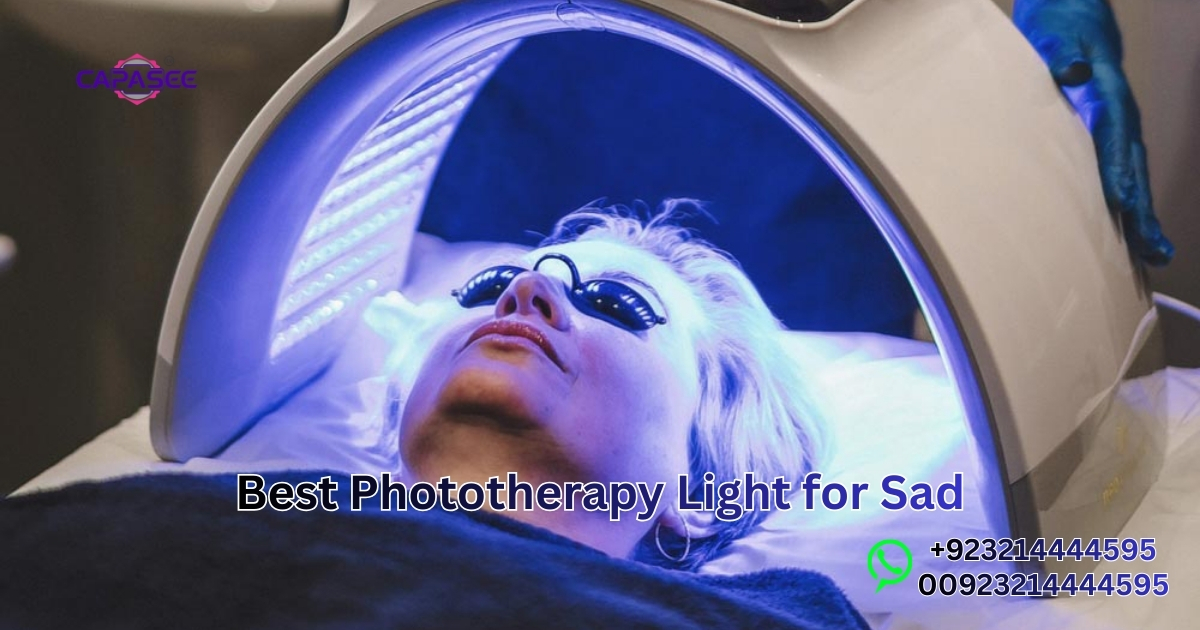
Light therapy, on the other hand, involves the use of LED lights in the name of wellness and beauty. It is used to treat skin ailments with light therapy, mood regulation, and radiant skin. The users do not face risk, given that they use home light therapy devices properly. The efficacy of light wavelengths in red light therapy and blue light therapy contributes to skin cell regeneration and reduces damage. The awareness of the restrictions and guidelines of use leaves both treatments safe to be used regularly in Pakistan. This defines a key difference between phototherapy and light therapy, particularly in terms of safety profile and usage setting.
| Safety Comparison | Phototherapy | Light Therapy |
| Light Source | Ultraviolet (UV) light therapy | LED light therapy |
| Possible Side Effects | Dryness, irritation, redness | Mild warmth or temporary sensitivity |
| Professional Supervision | Required (medical setting phototherapy) | Optional (home use light therapy) |
| Best For | Psoriasis phototherapy, eczema light therapy, cutaneous T-cell lymphoma | LED therapy for rosacea and wrinkles, stress relief and beauty care |
Phototherapy Side Effects and Light Therapy Risks: What to Watch For
Phototherapy works with ultraviolet light, which can cause mild treatment of skin inflammation in case of overdose. The side effects of phototherapy encompass parchedness, itchiness and temporary redness. Such effects occur frequently in cases of phototherapy with skin cancer or chronic dermatological light treatment that is too prolonged. These risks are reduced by doctors through the strictness of phototherapy sessions and patient follow ups. This underlines a medical risk factor that defines one difference between phototherapy and light therapy in terms of potential side effects.
The risks are lower when it comes to light therapy application. Light therapy involves the use of LED lights that do not produce UV rays; hence, it is safe to use daily. Nevertheless, in order to use home light therapy devices, long working hours can lead to some eye discomfort or heat. It is advised to take advantage of the phototherapy benefits on the skin without adverse effects and always adhere to the instructions of the manufacturer. This marks another difference between phototherapy and light therapy, where safety and light source diverge significantly.
LED Light Therapy Advantages and Skin Rejuvenation Benefits
The LED light therapy has a beauty and wellness impact. Red light therapy also stimulates collagen production and acts to reduce wrinkles, whereas blue light therapy is used in the treatment of acne since it kills bacteria. The processes increase skin cell regeneration and increase glow using Photobiomodulation. It is a non painful and non downtime method of rejuvenating skin and making it look better. These cosmetic benefits show the difference between phototherapy and light therapy in terms of aesthetic versus clinical applications.
The home use of light therapy is effective with individuals in Pakistan who desire to see the visible outcome without attending the clinic. It is painless, smooth and efficient at treating the lesions of rosacea and wrinkles. Frequent use of the correct light wavelengths in therapy helps regulate the immune system with light and makes your skin healthy and bright. Both approaches demonstrate that purpose, control, and outcomes do not differ in the effectiveness of phototherapy and light therapy but rather define the difference between phototherapy and light therapy by treatment intent and delivery method.
FAQ’s
Are light therapy and phototherapy the same?
No, phototherapy involves medical treatment of skin by use of ultraviolet (UV) light, whereas light therapy involves improvement of mood and beauty using LED lights.
Is phototherapy safe for pregnancy?
Yes, but this requires the supervision of a doctor since the exposure levels should be regulated.
What is another name for light therapy?
Photobiomodulation or LED light treatment is also referred to as light therapy.
Is phototherapy safe for eczema?
Yes, eczema light treatment is safe and, in many cases, it reduces the itching and inflammation when it is performed under medical supervision.
Does eczema come back after phototherapy?
In some cases, it may recur, but through phototherapy treatment, control of the symptoms and minimization of flare ups can be maintained over a long period of time.
Conclusion
The reasons and technologies of phototherapy and light therapy are different. The ultraviolet (UV) light therapy is used in medical applications to treat diseases such as psoriasis and eczema, whereas light therapy involves LED lights to treat the skin and promote relaxation. The difference between phototherapy and light therapy lies in their purpose, light source, and treatment setting. The two treatments are documented to have beneficial phototherapy effects on the skin and general well being. Such dermatological light treatments enhance natural regeneration and health of the skin cells under professional guidance or safe home use. Knowing the difference between phototherapy and light therapy will guide you to the appropriate light based therapy.