Blog
Blue Light Phototherapy

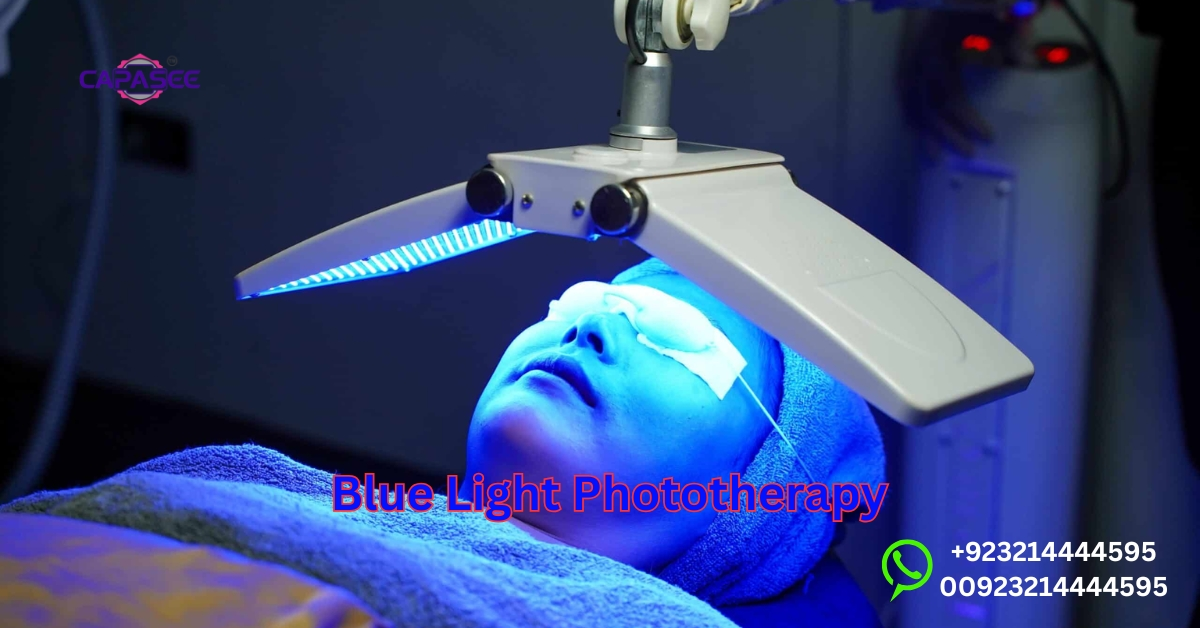
I understand completely the curiosity and concern that appear when you enter a query like blue light phototherapy. Perhaps you have been reading about skin care tips, or you may have heard about it in relation to acne or even baby care and you are asking yourself the question, Is this safe? Will it work for me? It is depressing because all around you talk big medical jargon and make you think that you must have a degree to even comprehend it.
This post will also take you through what blue light phototherapy is in simple language, how it works, and the various conditions in which physicians have implemented it, and what you need to remember in case you are contemplating the phototherapy (which is highly recommended in this country in Pakistan). You will find uncomplicated, useful information whether you seek an answer, wish to know the science or are evaluating the pros and cons of whether it is suitable for you.
Blue Light Phototherapy Overview
Blue light phototherapy involves a given wavelength of light that is used to transform the unconjugated bilirubin into bilirubin derivatives that can be eliminated by the body safely. This is used in jaundice relief in newborns and photodynamic treatment of skin lesions in many hospitals in Pakistan.
It has also been shown to have an anti inflammatory effect and collagen and elastin impact in the dermatology treatment room. Clinical research on blue light attests to how the action mechanisms of blue light involve photochemical reactions, immune cell response, and oxidative stress in skin reduction.
Neonatal Jaundice Treatment Explained
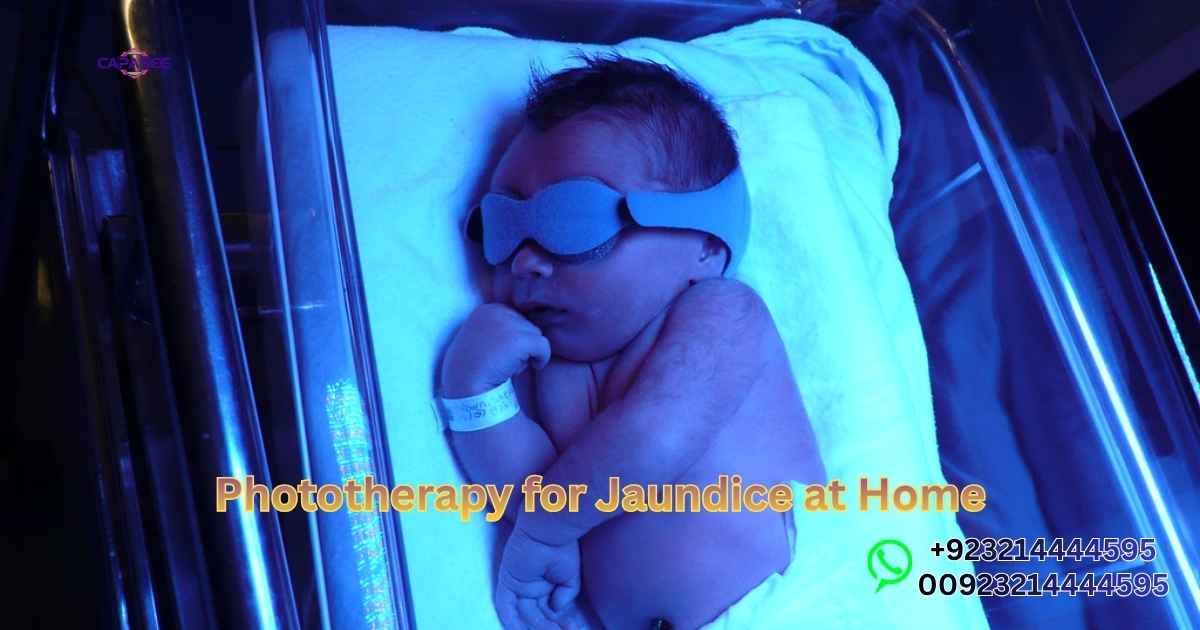
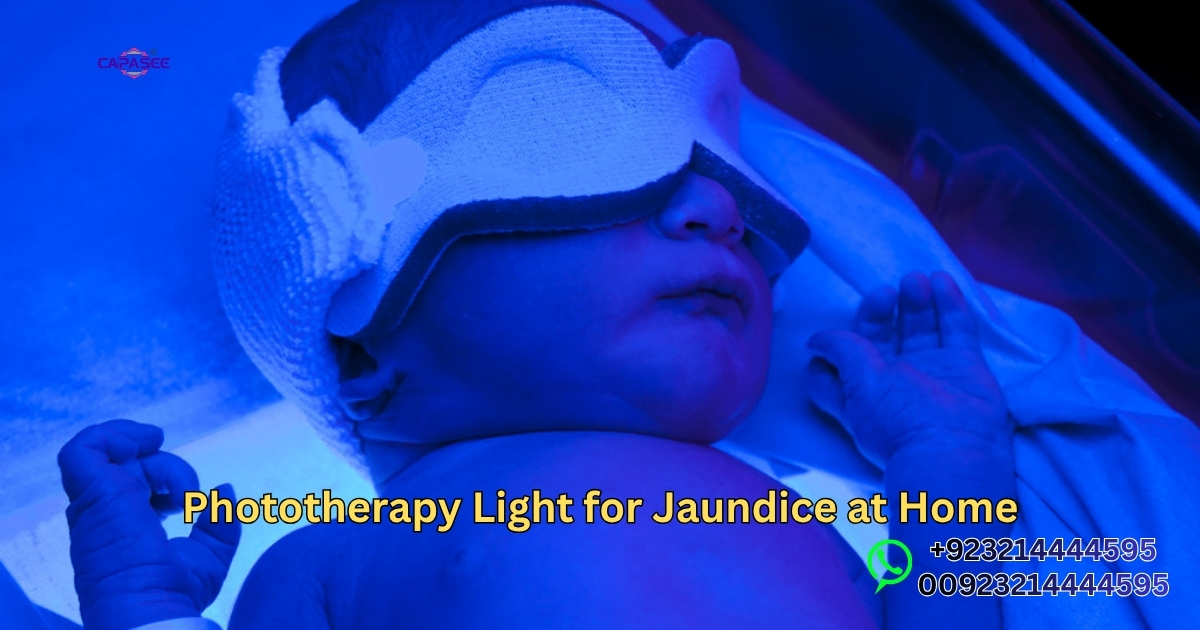
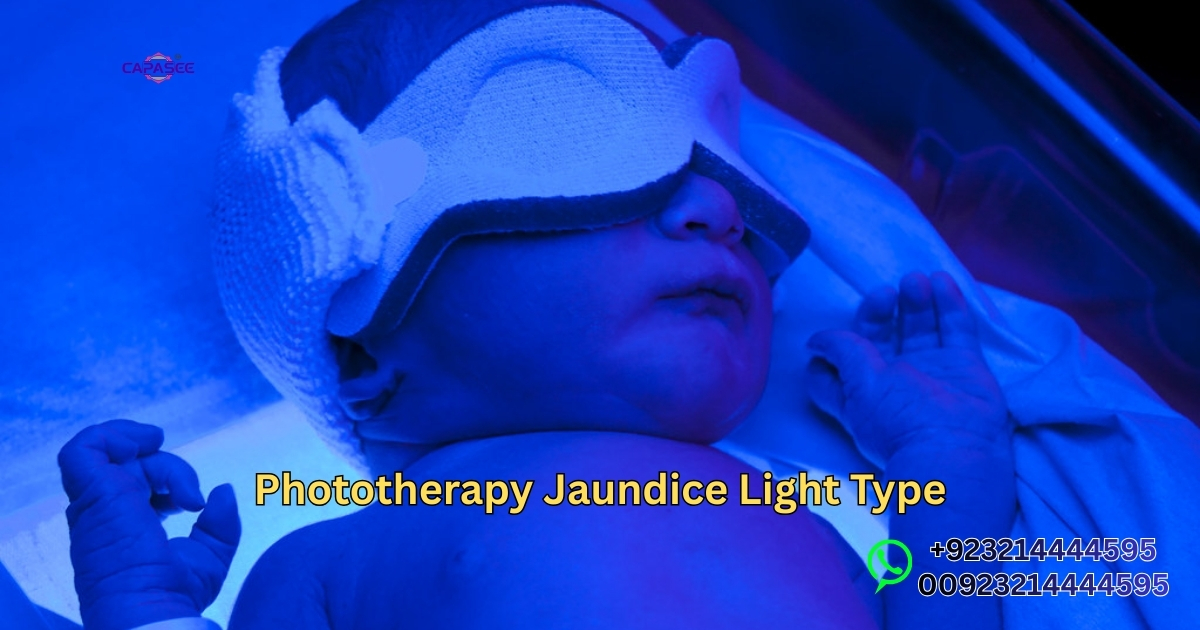
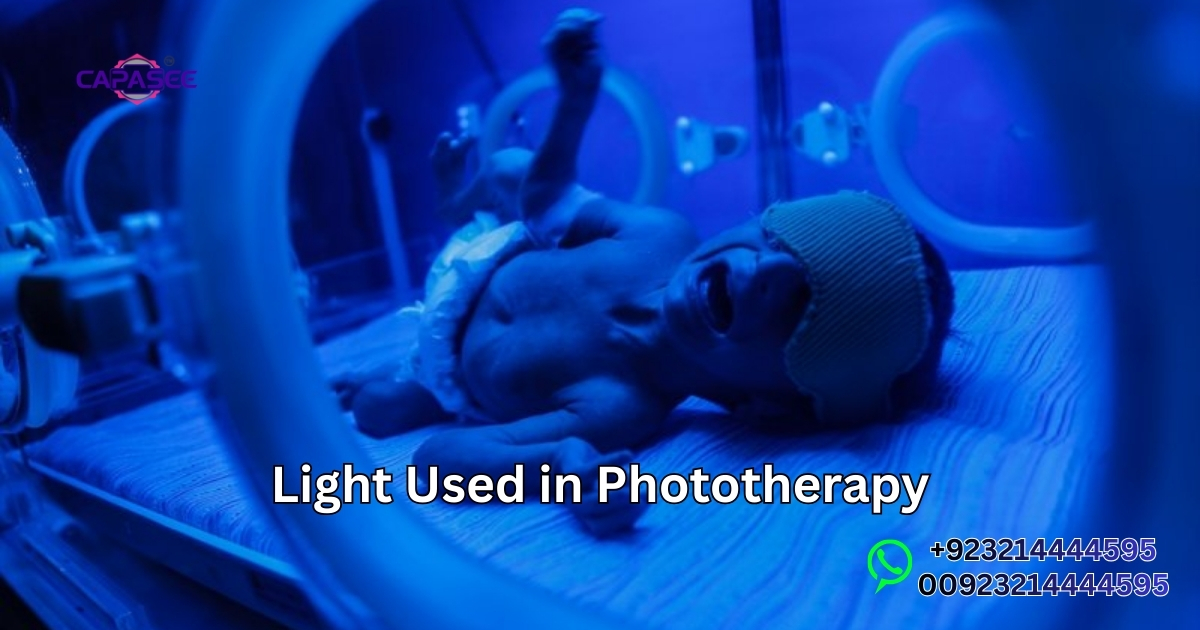
In the case of hyperbilirubinemia in babies, blue light phototherapy induces bilirubin release through the skin and feces without any surgical intervention. In Pakistan, the process helps in treating neonatal jaundice; the process lowers serum bilirubin levels within a safe and short period of time.
The outpatient procedure is noninvasive, whereby the babies are allowed to stay with their mothers as long as the treatment is underway and exposure time is controlled to provide viable parameters of treatment with blue light.
You May Also Read This Blog: Blue Light Phototherapy for Newborns
Hyperbilirubinemia Phototherapy Benefits
Such therapy can be used to prevent complications such as brain damage by reducing high bilirubin levels in infants during their early stages. This is done by the use of blue light to render water soluble derivatives of bilirubin that can be easily cleared by the body.
Pakistan based studies indicate that LED based phototherapy results in a faster decrease of bilirubin and a reduction of side effects than older systems. The method is a safe and effective alternative to exchange transfusion and enhances the intestinal peristalsis and feeding tolerance in infants.
LED Phototherapy Advantages

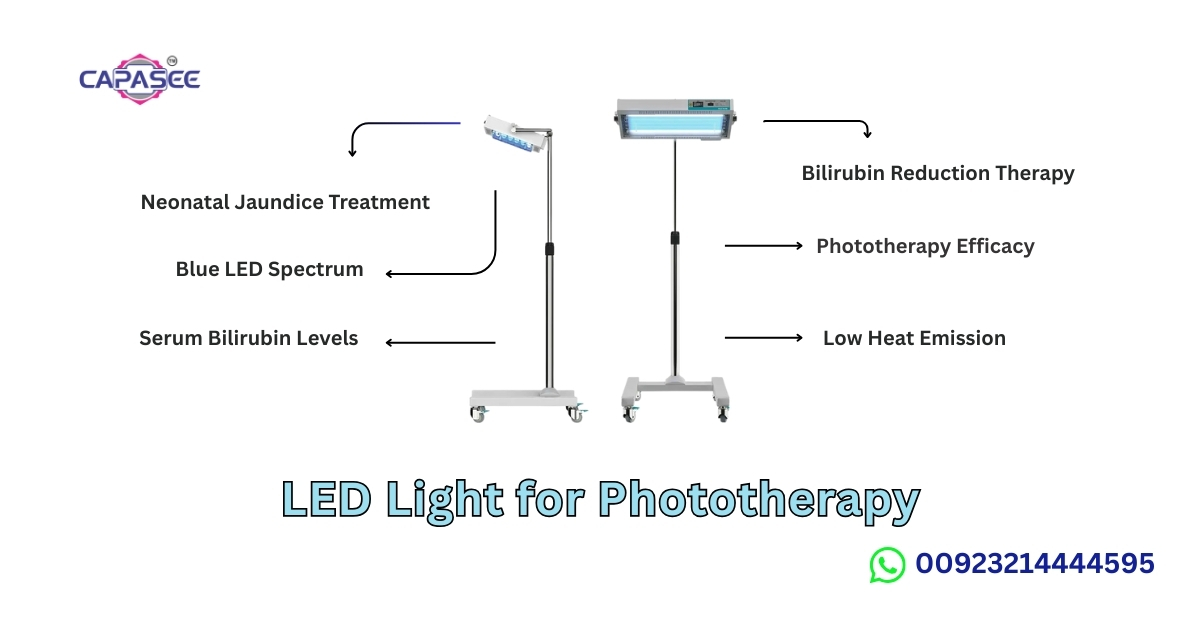
Unlike the older lamps, LED phototherapy is safer with narrow band light and generates less heat, thus it is safer with neonates and adults. It causes fewer risks of apoptosis or skin damage and DNA damage during treatment.
The technology is efficient in resonating with photoreceptor Opsin 3 activation in skin therapy that promotes skin pigmentation therapy, skin cancer treatment, and overall dermatology therapy. Pakistani hospitals are moving towards LED systems due to the following reasons.
LED Phototherapy Benefits for Skin and Health
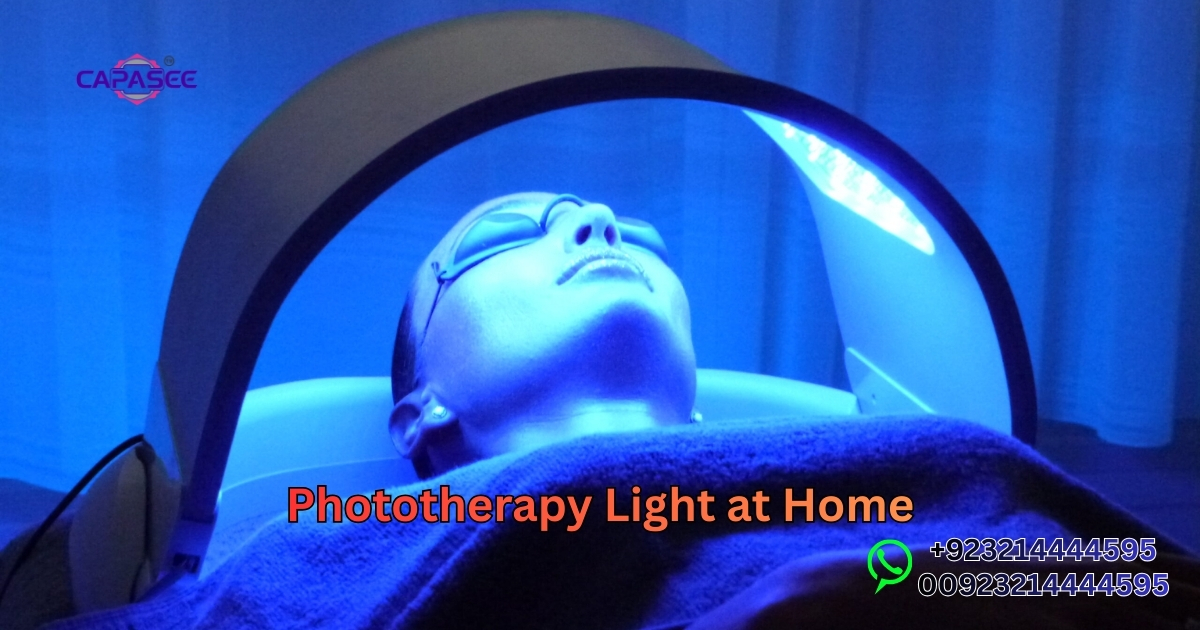
Application of LED light in skin care, the therapy initiates positive biochemical reactions, such as the immune cell activity, enhanced collagen and elastin effect, and defense against UV irradiation protection. In adults, it is used to treat things such as skin lesions and uneven pigmentation. LED therapy, being a means of noninvasive outpatient treatment, provides patients with a means of dealing with some of the conditions under the guidance of having control over the exposure time.
Fluorescent Phototherapy vs. LED Comparison
| Feature | Fluorescent Phototherapy | LED Phototherapy |
| Heat generation | Higher risk for infants | Lower, safer for skin and neonates |
| Rate of bilirubin decline | Slower, more duration required | Faster reduction in serum bilirubin levels |
| Side‑effects risks | More issues like rash or dehydration | Fewer complications, better tolerability |
| Energy & maintenance cost | Higher | Lower, longer bulb life |
Pakistan clinical studies indicate that LED phototherapy performs better than conventional fluorescent lamps in the treatment of neonatal hemolytic jaundice and the general phototherapy treatment. The safety profile and the effective treatment parameters of blue light enable LED to be the preferred choice among modern treatments.
Safety and Side Effects
This background of blue light phototherapy underscores the clinical research that supports the efficacy and low risk of blue light, particularly in the treatment of neonatal jaundice in Pakistan. The therapy transforms bilirubin derivatives that dissolve in water to facilitate bilirubin excretion, which is safe and effective in relieving jaundice in newborns.
The therapy has also been shown to have anti inflammatory effects, promote intestinal peristalsis, and mediate photochemical reactions to spur changes at the cellular and skin level, among them activation of photoreceptor Opsin‑3, collagen and elastin effects and regulated immune cell response. Nonetheless, medical workers observe oxidative stress in the skin, the possible damage to DNA and apoptosis, and they observe the safety of the Blue light therapy with the tacit exposure time and other issues.
Check More & Purchase: Our Products
Blue Light Therapy Side Effects to Know
Hospitals that use blue light phototherapy in Pakistan and other countries witness some minor side effects such as skin rash, dehydration or the so called bronze baby syndrome. There are rare incidences of sensor reporting of signs of DNA damage and apoptosis or long term follow up, which report changes in skin pigment and skin lesions, although these are infrequent.
Indicatively, one study observed that phototherapy does not increase the risk of skin cancer treatment complications significantly as compared to the rates in the general population. In order to reduce the risks of such consequences and safeguard the patients, medical teams apply guidelines and effective treatment parameters of blue light as part of a noninvasive outpatient procedure.
Managing Risks in Phototherapy Treatments
Pakistan healthcare providers have some protocols that help to ensure that blue light action mechanisms, immune cell responses, and photochemical reactions proceed safely and predictably. They regulate the important parameters like lamp distance, contrast of irradiance and treatment time to sustain good treatment parameters of blue light.
Before they proceed with the therapy, they do cross check things such as photosensitivity, skin or underlying liver disease; hence, the Blue light therapy safety is high. Following sessions that they observe, IRIs check evidence of overheating, discomfort, or red rashes and modify parameters to prevent oxidative stress on the skin or unintended DNA damage and apoptosis.
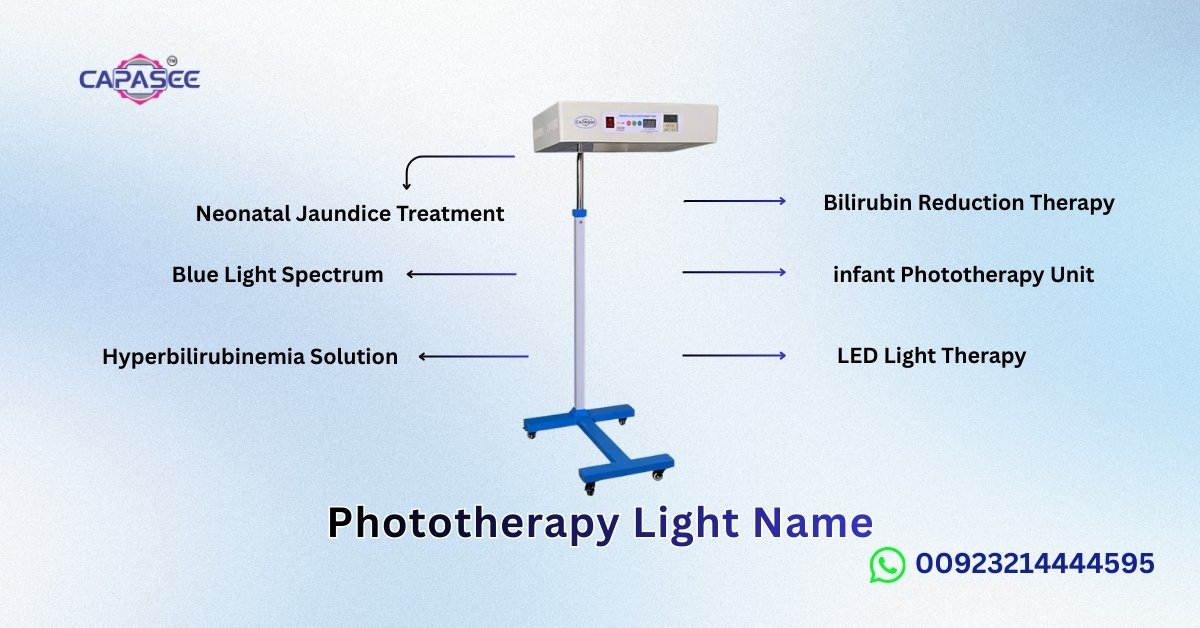
Phototherapy Devices in Pakistan

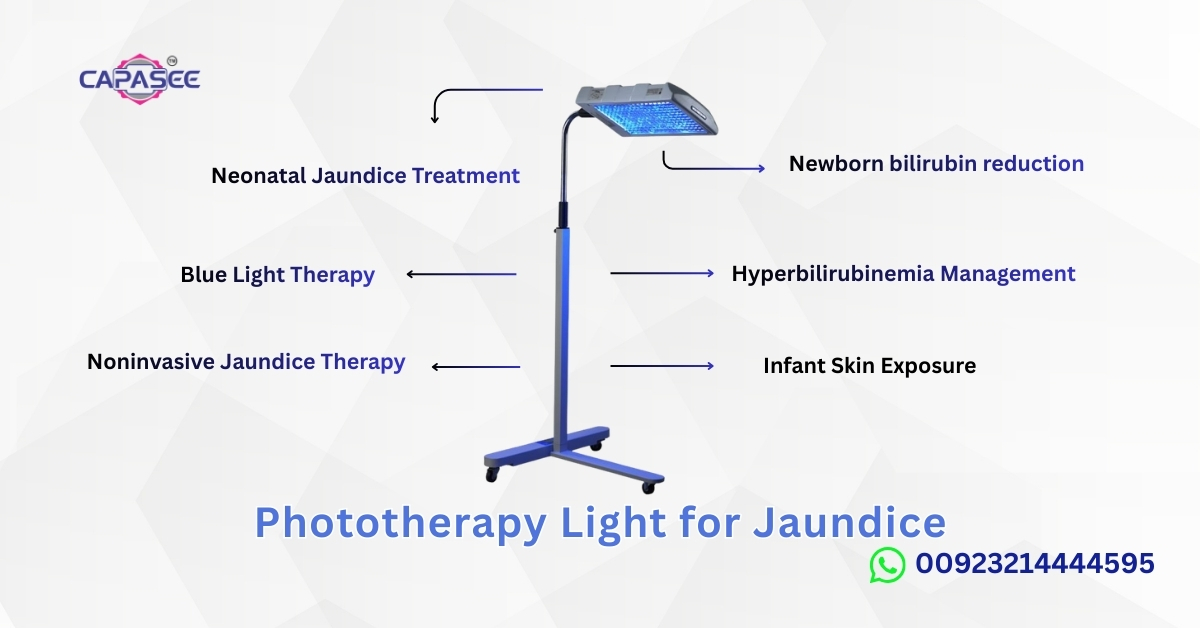
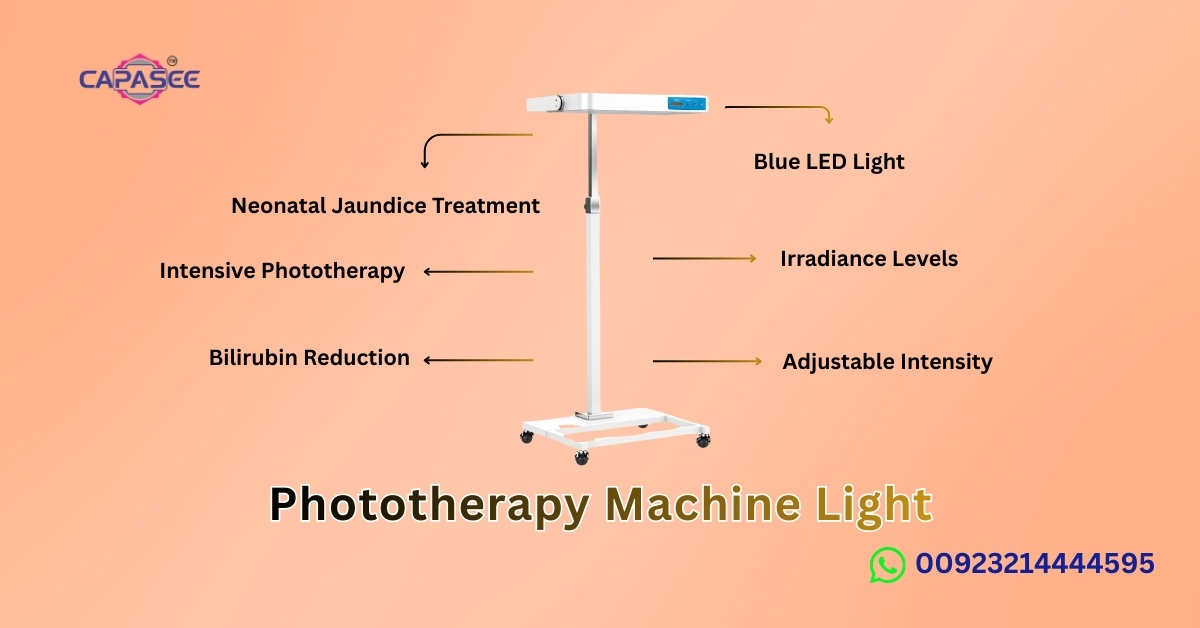
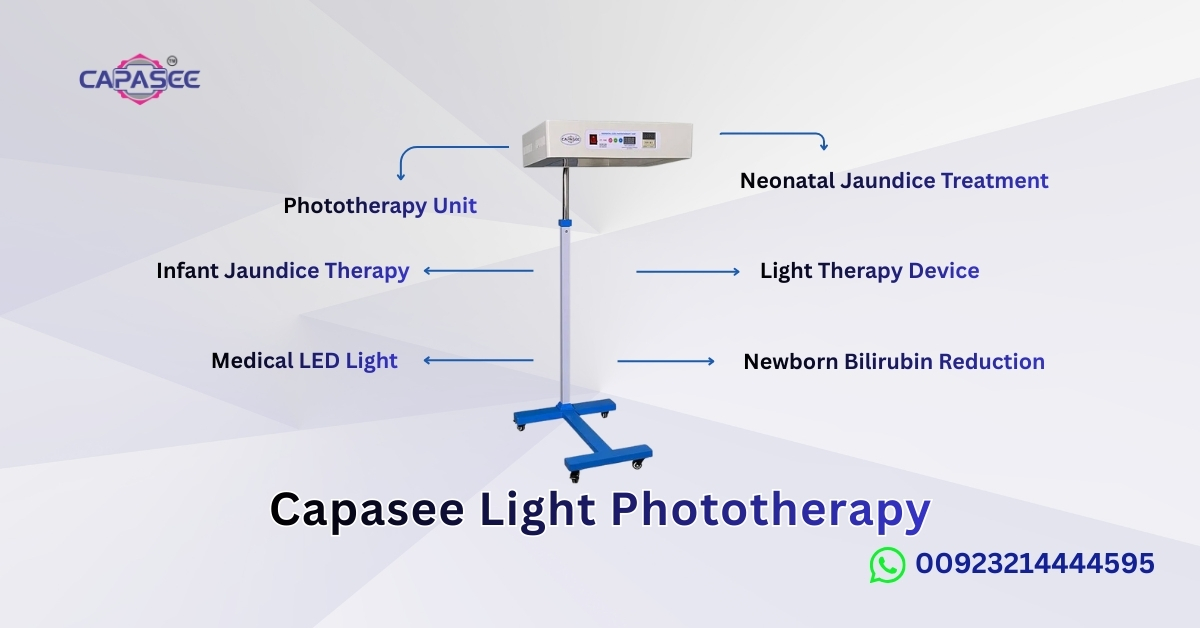
The device selection determines the efficacy of blue light phototherapy, particularly in addressing neonatal jaundice treatment or adult skin related dermatology treatment in Pakistan. To increase bilirubin to water soluble bilirubin derivatives and accelerate the reduction of serum bilirubin, modern units concentrate light in narrow wavelength ranges (around 460 to 490 nm).
In dermatology, such devices are aimed at skin pigmentation, effects of collagen and elastin, and the provision of protection against UV radiation or as an adjunct to the treatment of skin cancer. Local manufacturers lay stress on such features as low heat content, precise irradiance, and controls that are easy to use to ensure the population gets safe and reliable equipment.
Choosing the Right Phototherapy Device in Pakistan
In picking out a device to be used in blue light phototherapy, Pakistani clinics seek certified models with compliance to effective treatment parameters of blue light, with precise dose regulation, and other protective features to counter the effects of oxidative stress in the skin or prevent DNA damage and apoptosis.
The gadgets must be adjustable to body size, colour of skin color, and condition. They should be appropriate to meet the neonatal requirements (to eliminate bilirubin) and the adult requirements (to treat dermatology, skin lesions, or skin pigmentation) and have a firm safety profile. Confidence in local delivery, provision of spare bulbs and clear instructions on the usage make the therapy a noninvasive outpatient treatment.
Innovations in Blue Light Phototherapy Equipment
The most recent innovations in Pakistan and the world at large are enhancing the precision and efficiency of spectral features of blue light phototherapy in terms of energy and ergonomics. LED systems focus light and produce less heat, which enhances the comfort and safety of the user and reduces the risks of oxidative stress in the skin and undesired DNA damage and apoptosis. To stay within the safe exposure limits, certain devices have sensors that regulate the length of the exposure.
Others complement phototherapy with photosynthesizing drugs or other adjunct therapies, such as combination therapy with Bifico, to improve the results of skin and neonatal care. These advances enhance the dependability of the devices and lead to the improvement of the standards of treatment and care.
FAQ’s
What are the side effects of blue light phototherapy?
The phototherapy involving blue light is considered to be safe, although some minor side effects can be observed, such as skin rash, dehydration, or temperature fluctuations.
Why is blue light used in phototherapy?
Excess bilirubin in the skin can be broken down using blue light and, therefore, helps to treat jaundice and facilitate the release of bilirubin.
What are the side effects of blue light phototherapy for newborns?
In the case of newborns, the side effects are not common and they can include skin irritability, dehydration or the development of a tan effect that is temporary.
How painful is blue light treatment?
Blue light treatment is painless, non invasive and results in relief but not discomfort or pain.
Do babies cry during phototherapy?
When babies cry, it is not painful, but the treatment is conducted because the babies are a little discomfort or hungry.
Conclusion
Blue light phototherapy is safe and effective in treating such conditions as neonatal jaundice and some skin problems. This makes it a form of choice due to its non invasive nature and the limited side effects that it has in infants as well as adults. It assists in enhancing well being and health by facilitating bilirubin removal and providing anti inflammatory properties. Regardless of its purpose in treating skin lesions or neonatal jaundice, blue light phototherapy remains a dependable and effective method of contemporary medicine. The healthcare provider should never be consulted without consulting a healthcare provider.