Blog
How does Blue Light Break Down Bilirubin


Have you ever wondered how simple things, such as light, can contribute significantly to our health? When you have been on the hunt to find answers on how blue light breaks down bilirubin, chances are high that you are worried about jaundice or the health of your newborn baby. It is a popular concern, particularly among new parents, and it may be puzzling to learn the science of it all.
We will deconstruct the process of how blue light breaks down bilirubin in the body in this blog post and why it is so essential in the treatment of conditions such as jaundice in newborns. You will have a clear picture of how this light therapy works and the reason why it is a viable treatment choice. Stay with us and we will simplify this.
How Does Blue Light Break Down Bilirubin?
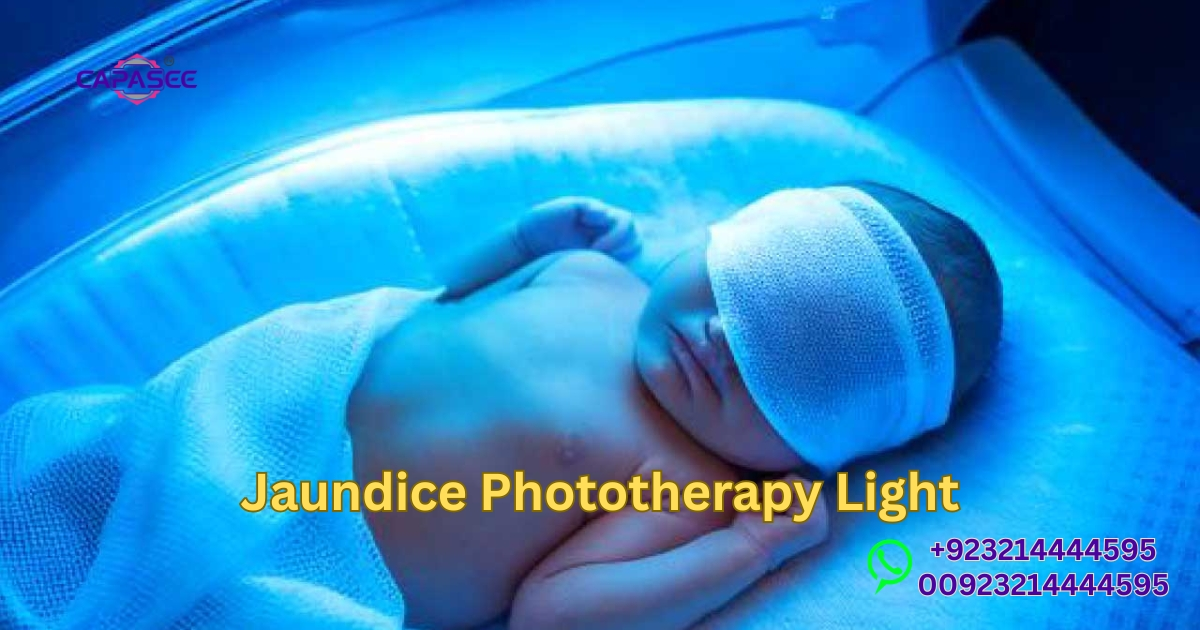
The blue light is important in the dissolution of bilirubin in the body. Research shows that blue light breaks down bilirubin by converting the pigment into a form that is easily excreted. This is a non invasive procedure and does not harm the lives of newborns and, in particular, those with newborn jaundice.
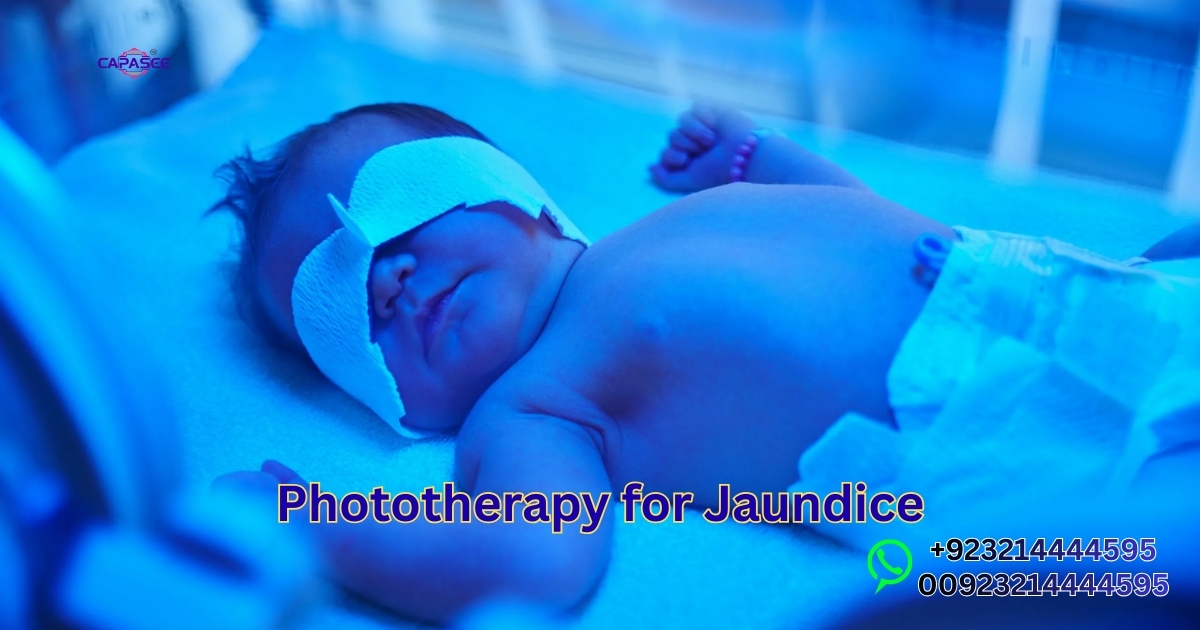
Phototherapy is known to treat hyperbilirubinemia by subjecting babies to blue light. This is one way of decreasing the bilirubin level within a short time. It promotes the expulsion of bilirubin into the urine and the stool by increasing the natural processes in the body.
Bilirubin Breakdown Mechanism
The accumulation of bilirubin in the body of the newborn causes the skin to turn yellow. Blue light breaks down bilirubin by converting it into water soluble compounds. This change enables the body to excrete bilirubin in urine and faeces.
This procedure is achieved by blue light entering the skin and dissolving bilirubin. This is a non invasive therapy used to reduce bilirubin concentration in infants and to avert such complications as hyperbilirubinemia.
You May Also Read This Blog: How Long Does Phototherapy Work For Jaundice
Direct vs Indirect Bilirubin – Why It Matters in Jaundice
Bilirubin in the body is of two types, direct and indirect. Indirect bilirubin is toxic and may result in jaundice, whereas direct bilirubin is simpler to get rid of. Blue light breaks down bilirubin by assisting in converting indirect bilirubin to direct bilirubin that can be safely disposed of by the body.
The levels of indirect bilirubin in newborn jaundice are elevated in most cases. Phototherapy is used to reduce these levels and avoid damage to the cells and organs of the baby.
Phototherapy for Jaundice: Science Behind Blue Light Therapy

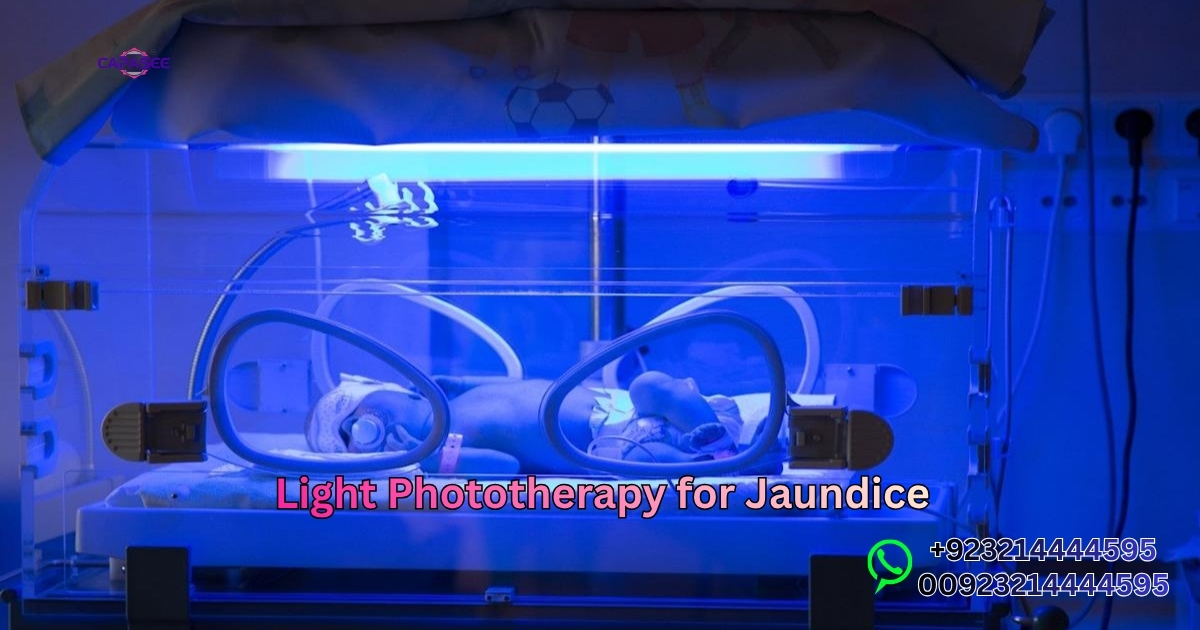
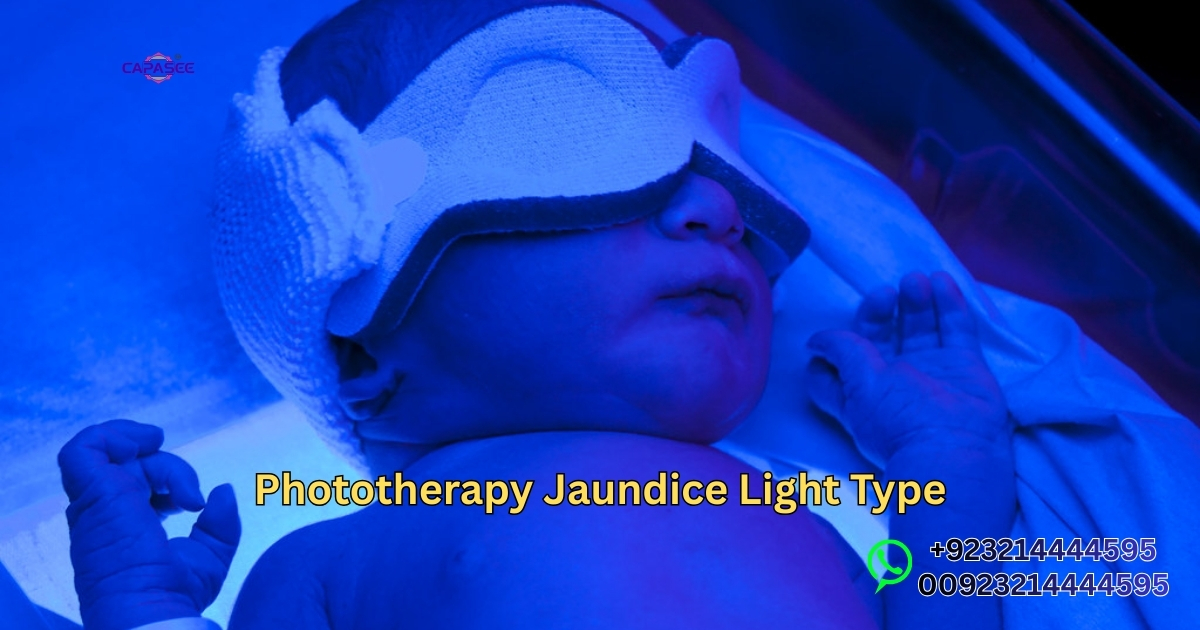
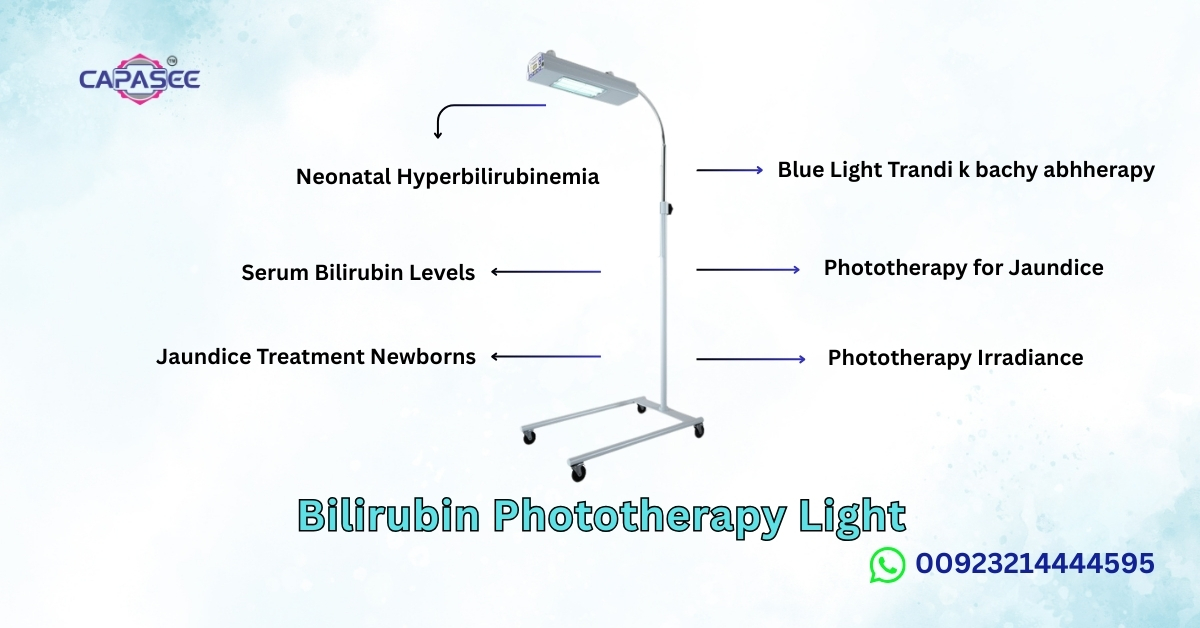
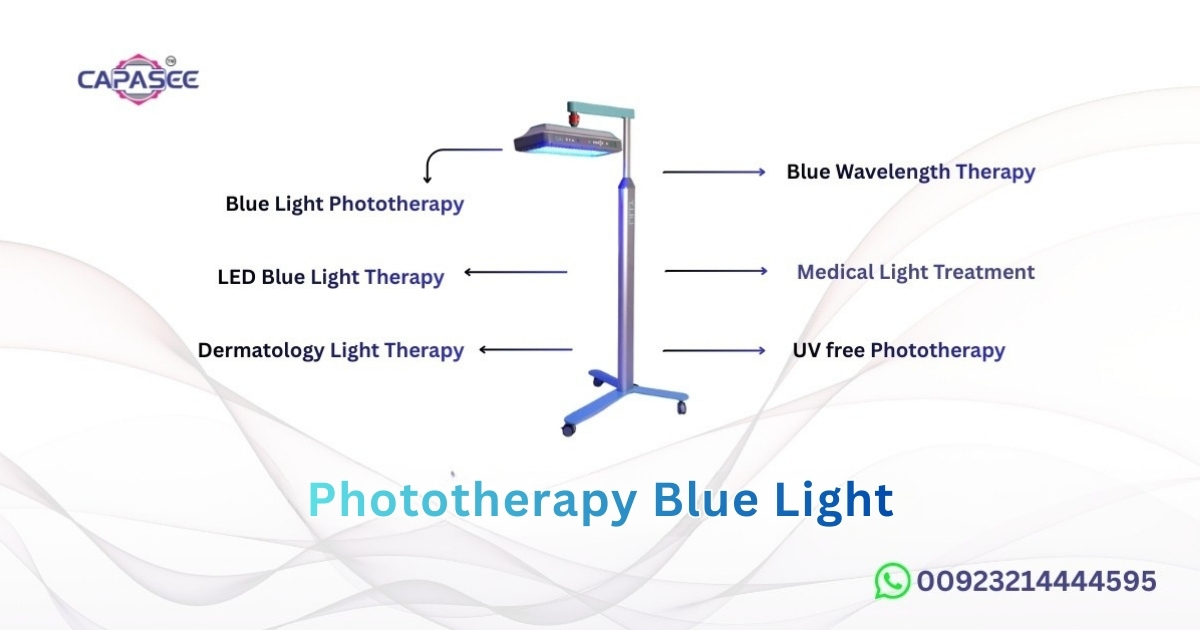
Treating jaundice with phototherapy includes exposing the infant to light of a blue color in order to dissolve bilirubin in the skin. The wavelength (460 to 490 nm) of this light is the most appropriate and has been found effective, as blue light breaks down bilirubin into a form easily processed by the liver.
Blue light therapy is non invasive and very effective as opposed to other treatments. Deep penetration of the blue light in the skin assists in breaking the bilirubin pigment and the bilirubin levels in the body are reduced safely.
Phototherapy Wavelengths (460 to 490 nm) and Their Role
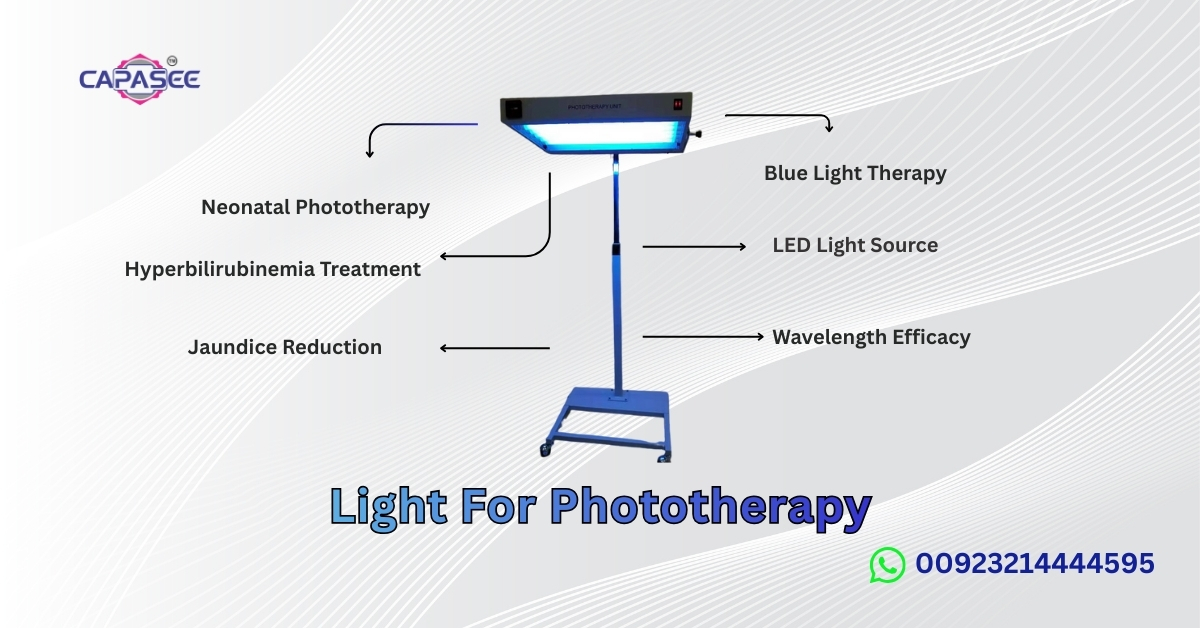
The wavelength of light (460 to 490 nm) is imperative in the degradation of bilirubin. The skin absorbs these wavelengths and the chemical reaction to these wavelengths makes bilirubin easier to pass out. It is due to this that hospital phototherapy machines tend to utilize blue light within this range.
The shorter the wavelength, the deeper the penetration of the light into the skin. This assists in the blue light penetrating the bilirubin pigment that is creating jaundice, making its treatment faster and more effective.
LED Phototherapy for Jaundice vs Conventional Methods
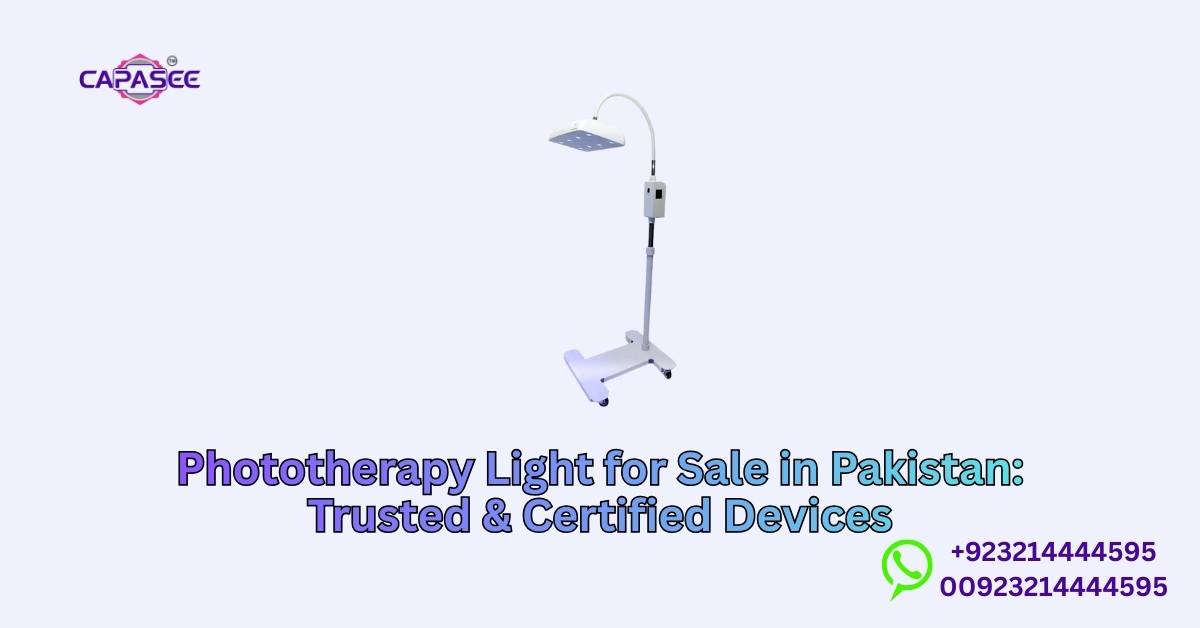
The LED phototherapy has become common in the treatment of babies with jaundice. In contrast to the earlier practices, LED lights use less energy and have a constant blue hue that is safer for infants. The chance of overheating is minimized and the skin penetration is more efficient, which ensures that blue light breaks down bilirubin efficiently.
In comparison, traditional phototherapy may make use of fluorescent lamps, which may be ineffective. They are costlier to maintain and they do not offer a stable light exposure, causing slower bilirubin breakdown.
Adverse Effects of Phototherapy Every Parent Should Know
Whereas phototherapy of jaundice is mostly safe, there exist certain side effects. Excessive exposure to blue light may lead to skin irritation or skin dehydration. However, since blue light breaks down bilirubin effectively, healthcare providers must observe the state of the baby during the treatment to prevent any complications.
In order to avoid complications, it is necessary to monitor it in the hospital. Parents must also take care that the baby is properly hydrated in the course of treatment since dehydration may interfere with the process of bilirubin excretion.
| Treatment Type | Effectiveness | Advantages | Disadvantages |
| LED Phototherapy | Highly effective | Safe, energy efficient | May cause dehydration |
| Conventional Methods | Less effective | Inexpensive | Requires more care |
Through blue light therapy with close observation, parents can make sure that they reduce the bilirubin levels of their baby both safely and within a short duration of time. Never self treat without consulting the medical caregivers.
Neonatal Jaundice Causes and Health Implications
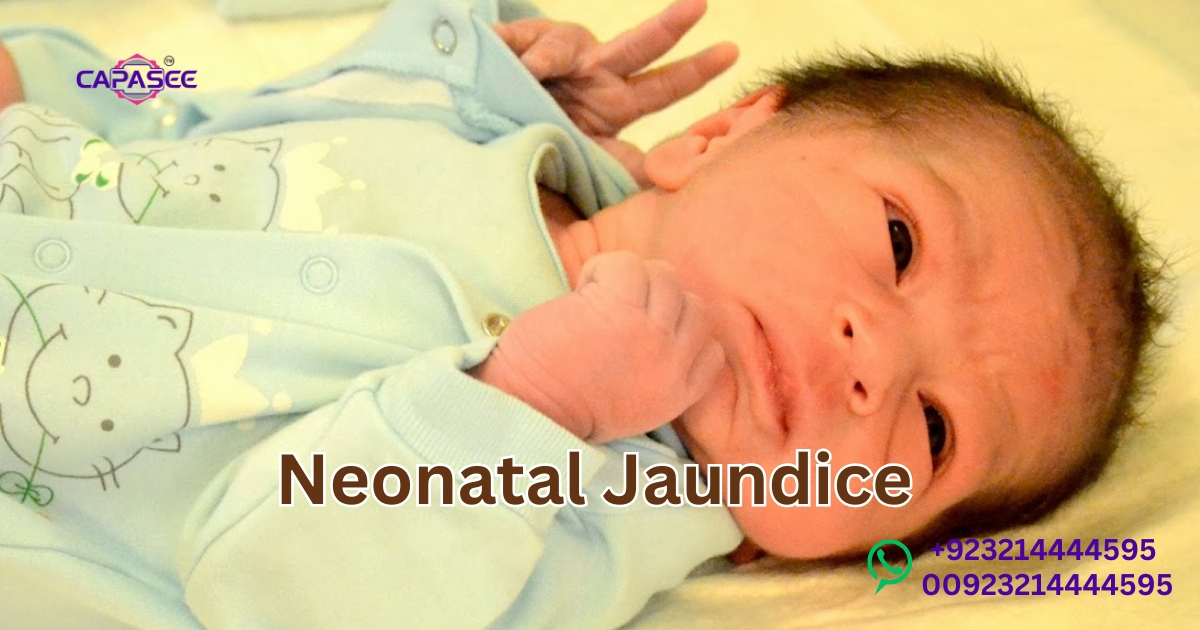
Neonatal jaundice is a condition in which a baby has a high bilirubin concentration in his/her blood. Yellow pigment in the skin is due to bilirubin, which is caused by the deterioration of red blood cells.
One of the most used treatments for newborn jaundice is blue light therapy. The treatment is effective because blue light breaks down bilirubin and facilitates its removal in urine and stool, this lowers the health risks.
Neonatal Hemolytic Jaundice and Its Risks
Neonatal hemolytic jaundice occurs when the body breaks down red blood cells at a rate that is too high. This condition elevates the bilirubin level, resulting in jaundice. Unattended, it can lead to severe health conditions in the baby.
Hyperbilirubinemia and other complications may be dangerous in case of inadequate management of the jaundice. The use of blue light therapy is important as blue light breaks down bilirubin so that the baby can remain healthy and safe.
Hyperbilirubinemia Treatment in Pakistan: Current Practices
Management of hyperbilirubinemia in Pakistan usually includes phototherapy of jaundice. Blue light therapy is a method that is used to treat jaundice in newborns in hospitals. The treatment assists in lowering the bilirubin levels and eliminating complications such as kernicterus.
Most of the hospitals in Pakistan have now adopted the use of advanced hospital phototherapy machines in order to offer improved care to the newborns. Also increasing in its popularity is home phototherapy in babies, though that must be closely monitored.
Kernicterus Prevention Through Early Detection
Kernicterus is a severe type of the condition resulting in high levels of bilirubin, but it occurs only rarely. Neonatal jaundice is a condition that should be prevented by early diagnosis. Regular checking of the bilirubin level assists health professionals in taking immediate action.
Kernicterus can be prevented with the help of blue light therapy, as it reduces the level of bilirubin in the bloodstream. Blue light breaks down bilirubin in the body, ensuring that early therapy keeps the baby safe and no long term complications ensue.
Newborn Jaundice Management in Pakistan
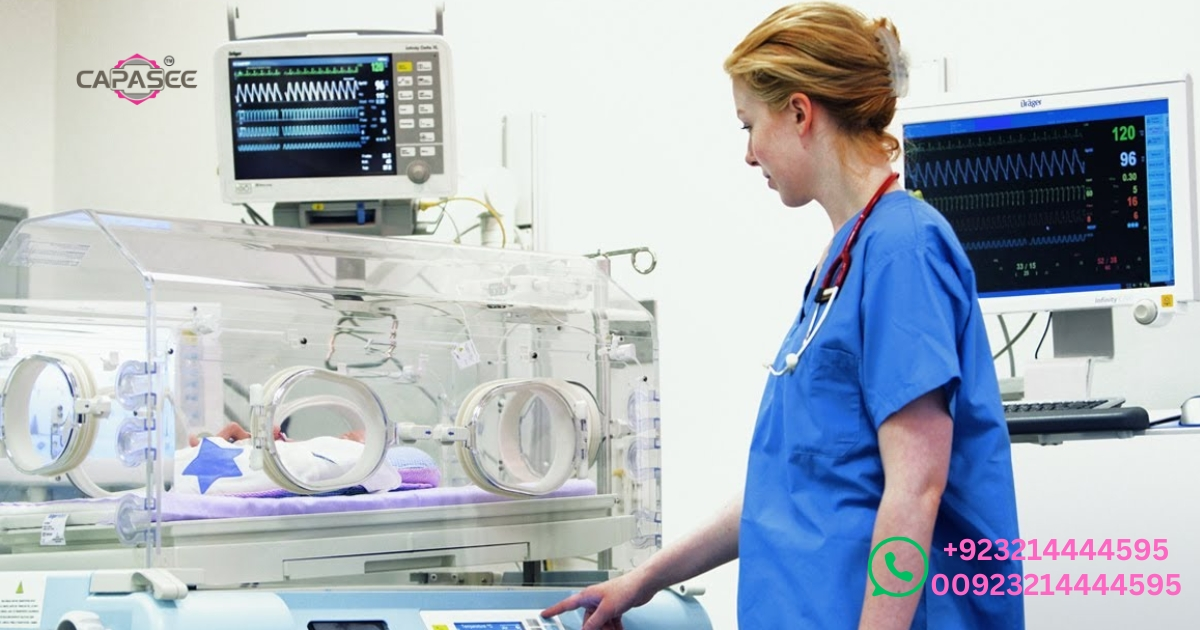
Better hyperbilirubinemia management has led to better management of newborn jaundice in Pakistan. Jaundice in infants has emerged as a common practice of using blue light therapy in hospitals and homes.
Close observation of the patients in hospitals and blue light therapy guarantees an effective cure. Since blue light breaks down bilirubin effectively, parents and health professionals are collaborating to regulate bilirubin release and avoid complications.
Home Based Jaundice Treatment in Pakistan – Is It Safe?
Treatment of jaundice at home with the use of blue light has been popular in Pakistan. Home phototherapy of babies works, but it should be carefully monitored by the caregivers. It is important that parents abide by safety guidelines to avoid complications.
Bilirubin can be lowered by home based blue light therapy. Because blue light breaks down bilirubin, parents must make sure that light skin penetration is adequate and not excessive, which may result in dehydration.
Mother and Child Health: Pakistan Neonatal Jaundice Guidelines
The Pakistan Neonatal Jaundice Guidelines give straightforward guidelines on how to treat newborn jaundice. These recommendations focus on the early diagnosis, the monitoring of bilirubin level, and the application of blue light therapy in the treatment of hyperbilirubinemia.
Adherence to these recommendations can prevent such complications as kernicterus, as well as ensure he safety and efficacy of interventions. Blue light breaks down bilirubin efficiently, allowing neonatal jaundice to be treated by healthcare providers with the best advice.
Awareness of Neonatal Jaundice in Pakistan Communities
There is a need to increase awareness of neonatal jaundice in Pakistan to intervene early. Through campaigns to educate communities on bilirubin and its impacts, more parents will receive assistance when they require it.
Parents can also be made aware of how they should employ blue light therapy and the symptoms of newborn jaundice. Since blue light breaks down bilirubin, timely diagnosis and intervention will enhance the results and assist in minimizing the likelihood of severe complications.
Innovative Therapies for Neonatal Jaundice

One of the most common methods of treatment for jaundice in a baby is blue light therapy, which prevents bilirubin from building up in the body of the baby. This non invasive therapy has been shown to lower bilirubin concentration and induce bilirubin excretion via urine and stool.
Blue light breaks down bilirubin by converting it into a water soluble form, easing its removal from the body. Other new developments relate to the incorporation of micro ecological preparations and Bifico in the treatment of jaundice. The purpose of these treatments is to aid the health of the gut of the baby, which helps in breaking down and eliminating bilirubin within the body.
Role of Micro Ecological Preparations and Bifico in Jaundice Therapy
Micro ecological preparations (including Bifico) are under investigation as a further adjunct in the treatment of newborn jaundice. These preparations are appropriate for maintaining the balance of the gut microbiota, which may assist in supporting the process of bilirubin excretion.
Bifico is also known to improve gut health, allowing the body a better response to process and break down bilirubin faster, reducing bilirubin levels in newborns. This may render management of hyperbilirubinemia more effective in the case of combination with blue light treatment.
New Frontiers in Neonatal Health and Jaundice Screening
The screening of neonatal jaundice has resulted in the rapid detection of the accumulation of bilirubin in babies. In the recent past, the effectiveness of phototherapy in hospitals has been improved through the implementation of new technologies, which allow delivering the blue light at more specific wavelengths.
The other forms of innovation are home phototherapy of babies, which enables more accessible treatment of the babies without the need to go into the hospital and treatment that is safer. This makes the bilirubin levels in the parents easier to control and they can take care of their baby at the same time, enjoying the effectiveness of bilirubin pigment breakdown.
FAQ’s
How long does it take blue light to help jaundice?
Depending on severity, blue light can take between 24 and 48 hours to decrease bilirubin levels in the newborns.
Why does light break down bilirubin?
Through the blue light, bilirubin is transformed into a form that can be easily released into the body, thus helping to break down faster.
Which light is best for bilirubin?
In newborn jaundice, blue light of 460 to 490nm is the most efficient in the breakdown of bilirubin.
What helps break down bilirubin?
The blue light therapy and natural liver processing aid in breaking down bilirubin and getting rid of it in the urine and stool.
What is blue light therapy for jaundice?
A non invasive therapy, blue light therapy consists of certain light wavelengths used to dissolve bilirubin and decrease jaundice in infants.
Conclusion
Blue light therapy is a very effective non invasive therapy that aids the degradation of bilirubin in newborns with jaundice. It changes bilirubin into a form that can be passed through urine and stool by means of certain light wavelengths. The process reduces bilirubin levels, as well as avoiding such severe forms of complications as kernicterus. As phototherapy methodology advances, blue light breaks down bilirubin in a benign and vital method of treating infant jaundice with more favorable results for infant well being.