Blog
What Level of Bilirubin Causes Hearing Loss

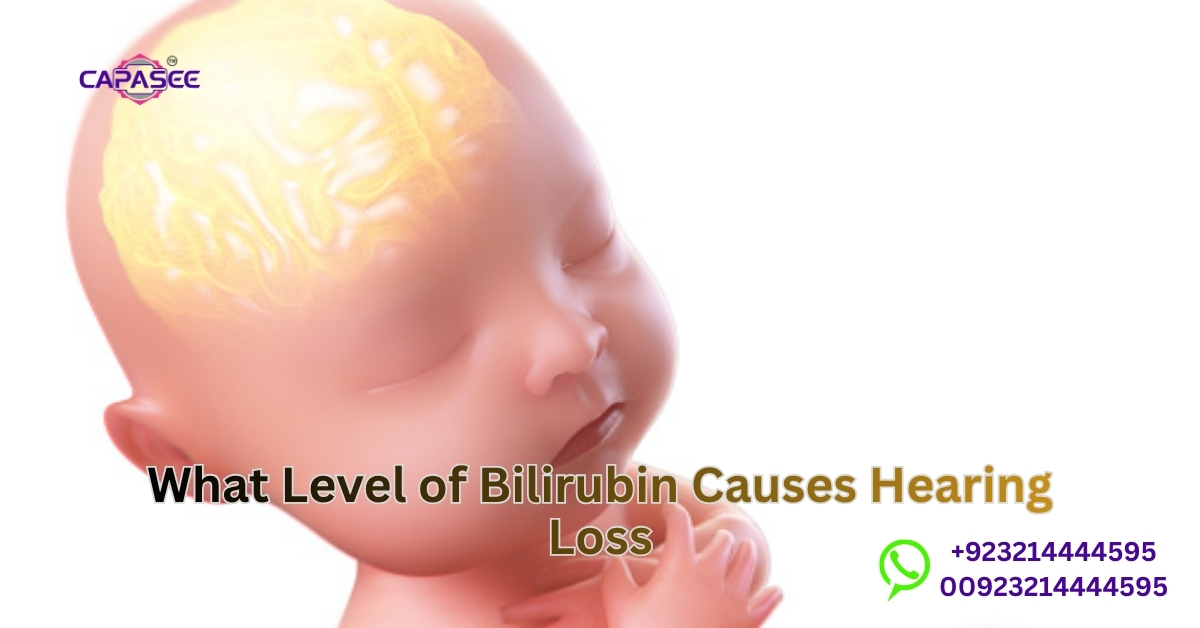
I recall that the first time I heard the word Hyperbilirubinemia, I was in association with babies and hearing problems, and my stomach knotted. This may be the reason you are here; you are asking What Level Bilirubin Causes Hearing Loss, and that query is freighted with anxiety to any parent in Pakistan or elsewhere. Answers, not numbers, you want because each additional point of bilirubin seems to be like a new point to set the scales. The fact that some blood pigment could take away the ability of a child to hear is frightening to any of us.
Through this post, you will have clear and friendly information about what studies say about the bilirubin levels and hearing risks among newborns and their application in Pakistan. You will get to know what numbers have raised a red flag, what matters (such as prematurity) and what is monitored by health teams. You will feel prepared, not intimidated. Shall we jump in and make it make sense to you, that you would be a little more empowered and a little less anxious about what level of bilirubin causes hearing loss?
Bilirubin & Hearing Risk
Excessive bilirubin leads to hearing loss in situations where newborns are subjected to excessive levels of the pigment. In Pakistan, several parents get to hear about the effect of high bilirubin on hearing only after a screening outcome. The correlation of bilirubin with hearing loss must be known to enable early action by the family. Very often, the signals are raised when it is too late to do anything, showing how bilirubin causes hearing loss if not detected early.
You May Also Read This Blog: When To Worry About Jaundice
Threshold for Damage
There are definite bilirubin toxicity levels, which are associated with sensorineural hearing loss risk levels that increase sharply. In the majority of babies, hearing impairment and bilirubin level mg/dl association are observed when the total serum bilirubin is over 20 mg/dL. Hearing loss screening of newborns and Auditory brainstem response (ABR) test data are becoming increasingly used in Pakistani hospitals to identify hearing this early and enhance its outcome when bilirubin causes hearing loss in infants.
Bilirubin Levels & Risk Factors
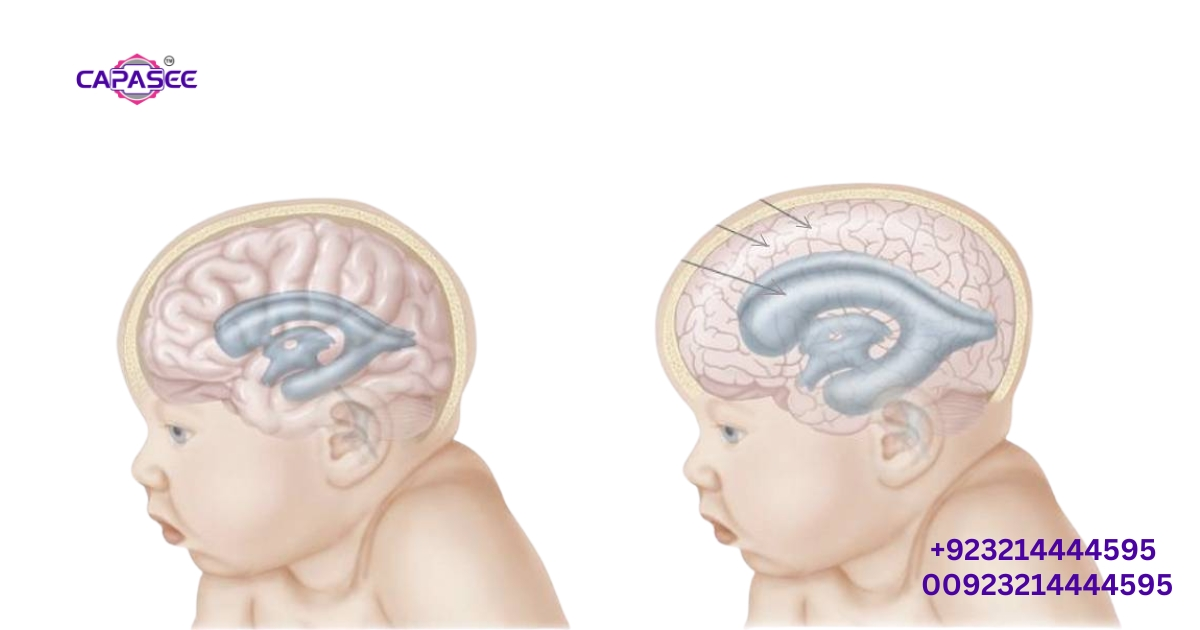
In the case of researching neonatal jaundice complications, physicians say that hyperbilirubinemia is not the only problem in infants. Low birth weight and blood group incompatibility are some of the risk factors of sensorineural hearing loss. It was discovered that infants whose bilirubin level exceeded 20mg/dL were at risk of hearing impairment up to ten times. The importance of awareness of the association between the bilirubin levels and the hearing prognosis is critical in Pakistan, especially since bilirubin causes hearing loss under elevated conditions.
Infants with neonatal hyperbilirubinemia and auditory impairment tend to demonstrate high bilirubin and other complications as hypoxia or infection. Bilirubin causes hearing loss through sensory neuronal attacks on the auditory toxicity of newborns, which may result in long term damage despite bilirubin reduction with age. In the case of medical teams, the predictive value of bilirubin on hearing disorders is used to determine when to be aggressive in treatment decisions.
Neonatal Hyperbilirubinemia Effects
Neonatal hyperbilirubinemia and auditory injury can be manifested in hearing loss among infants several months after birth. Babies with some of the terms were found to be damaged at levels of between 14-20mg/dL; preterm babies can also be damaged at lower levels.
The effects of bilirubin on the sensorial neuronal pathways may result in hearing loss in infants that influences speech and learning. The most promising intervention opportunity is through early testing with hearing loss screening on newborns and the ABR test, since bilirubin causes hearing loss that can affect long term development.
Levels Linking to Hearing Loss
Hearing loss occurs due to high bilirubin, where newborns are exposed to high pigmentation in the blood. Consciousness about the impact of high bilirubin on hearing and the contribution of bilirubin levels and hearing loss to newborn care is increasing in Pakistan and other countries.
Close attention is paid to bilirubin level mg/dl and hearing damage, as the correlation between bilirubin and hearing loss in infants is dangerous. Hearing loss screening in newborns and the Auditory Brainstem Response (ABR) test are screening methods that are utilized at an earlier age to identify problems when bilirubin causes hearing loss.
Hearing Damage Thresholds
According to medical research, there is a definite value of a bilirubin toxicity threshold under which sensorineural hearing loss risk increases under specific conditions. Literature suggests that a bilirubin level of approximately 14–20mg/dL and above, total, significantly increases the likelihood of hearing impairment.
In Pakistan, assessment of hyperbilirubinemia in newborns and risk factors for sensorineural hearing loss due to preterm or neonatal infection assists in the treatment decisions. The predictive efficiency of bilirubin towards hearing disorders is an essential component of neonatal care, especially where bilirubin causes hearing loss at higher concentrations.
Hearing Loss & Hyperbilirubinemia
Neonatal hyperbilirubinemia and auditory damage conditions demonstrate the entry of excess bilirubin into the brain and damage to the auditory system. It has a direct effect on the sensory neuronal pathways and bilirubin causes hearing loss in infants, otherwise untreated at their early age.
Clinicians in Pakistan associate the relationship between bilirubin levels and hearing prognosis with speech and learning problems in later life in newborns. There is increased awareness of hearing screening recommendations for icteric infants to manage cases where bilirubin causes hearing loss.
Check More & Purchase: Our Products
Auditory Dysfunction Signs
Symptoms of hearing impairment include a normal startle reflex, speech delay, and an abnormal Auditory Brainstem Response (ABR) test. These are the early clinical indicators of bilirubin toxicity and potential hearing loss in the long term.
Follow up to track the severity of the hyperbilirubinemia and hearing loss and the auditory toxicity of bilirubin in newborns can assist families and doctors to do it early. The methods of detection of the bilirubin concentration levels that cause hearing loss and intervention are very helpful in identifying when bilirubin causes hearing loss.
FAQ’s
Does high bilirubin cause hearing loss?
Yes, elevated bilirubin levels, particularly in newborns, are capable of impairing hearing through the auditory system.
At what point does bilirubin cause brain damage?
Bilirubin may cause brain damage at a level of over 20 mg/dL, resulting in kernicterus and other serious neurological impacts.
Can liver issues cause hearing loss?
Yes, hearing loss may occur due to problems with the liver that influence the metabolism of bilirubin, which can result in the deterioration of the auditory pathways.
What is the most common cause of sudden hearing loss?
The most prevalent is sudden sensorineural hearing loss, which is usually attributed to a viral infection, trauma or unexplained factors.
What deficiencies cause hearing loss?
The lack of vitamins such as B12, vitamin D, or minerals such as zinc may lead to hearing loss in the long run.
Conclusion
Understanding the degree of bilirubin that results in hearing loss is essential for early identification and management. At a bilirubin level greater than 20mg/dL, there is a high probability of auditory damage, especially in babies. Long term hearing problems can be prevented through early detection and early intervention. Healthcare professionals can aid in the prevention of such complications as sensorineural hearing loss by monitoring the bilirubin level and hearing loss. Caregivers and parents should recognize the indications and collaborate with physicians in order to achieve the highest results among infants who are at risk when bilirubin causes hearing loss.