Blog
Narrowband UVB

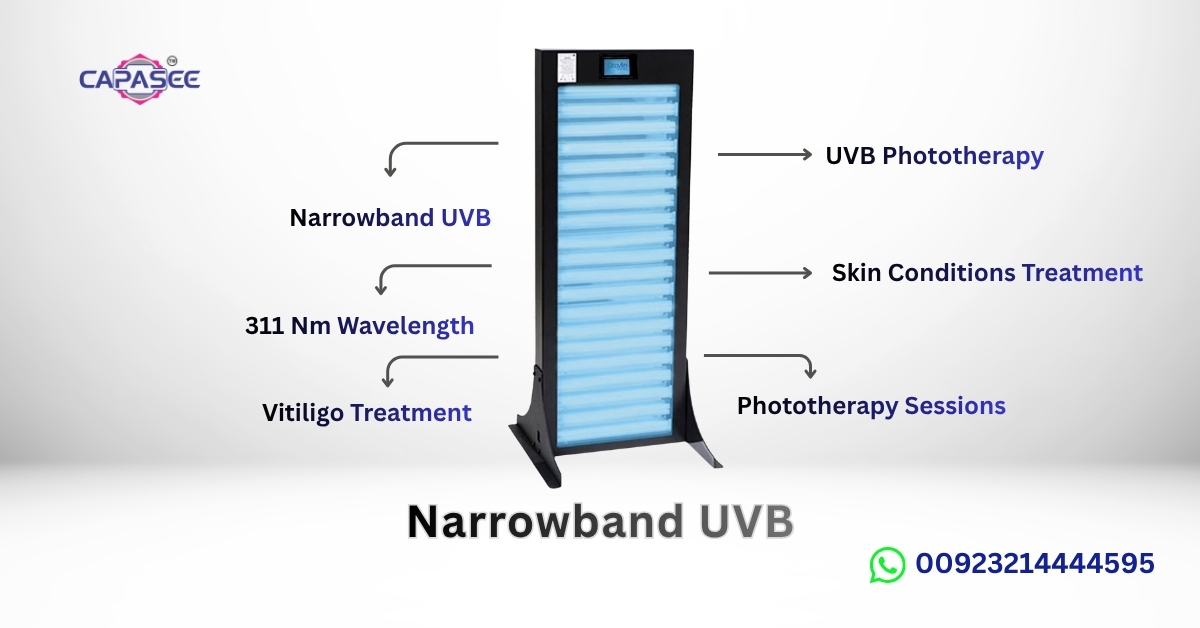
Millions of people in Pakistan are known to have skin conditions such as psoriasis, vitiligo, and eczema, but they live years without understanding that there is a treatment that works and has been clinically proven to be effective, other than creams and pills. Narrowband UVB has also revolutionized the field of dermatology globally, providing an effective solution to long term control of dermatological diseases that topical treatments are unable to control. Pakistani patients have long been promised the benefits of this technology, but they can now access it in dermatology clinics in Lahore, Karachi, and Islamabad.
However, as they continue entering a clinic, the majority of people have not completely learned how it works, whether it will be safe on their skin type, or what results they can actually expect. This article dissects all that you need to know about narrowband UVB, how the light treatment works, and the cost of it in Pakistan, and the skin conditions that respond best to it.
What Is Narrowband UVB Therapy?
The narrowband UVB therapy is a light treatment that is medically monitored and is used to expose the affected skin to a specific and concentrated band of ultraviolet B radiation. It is more effective and much safer in long term use since, unlike older phototherapy techniques, it only addresses the wavelengths that have been shown to be effective in treating skin disease. It has become a first line therapy for a variety of chronic skin conditions in dermatologists all over the world.
How Narrowband UVB Differs from Broadband UVB
Broadband UVB provides a broad spectrum of ultraviolet light between 280 and 320 nm, and this implies that the skin absorbs a large number of wavelengths, including those that are known to be burn inducing, yet not involved in the healing process. Narrowband UVB, in its turn, provides the range of 311 nm to 313 nm only, which is the range where the therapeutic value, in fact, resides.
The difference between theory and practice is noticeable. Narrowband UVB patients are less likely to have burns, fewer sessions are needed to achieve a result, and the treatment can be prolonged without accumulated skin damage. In Pakistani patients, who have more natural Fitzpatrick skin types (IV-VI), this accuracy is even more important, as the darker the skin, the less sensitive it is to UV radiation.
The Science Behind Narrowband UVB Wavelengths (311–313 nm)
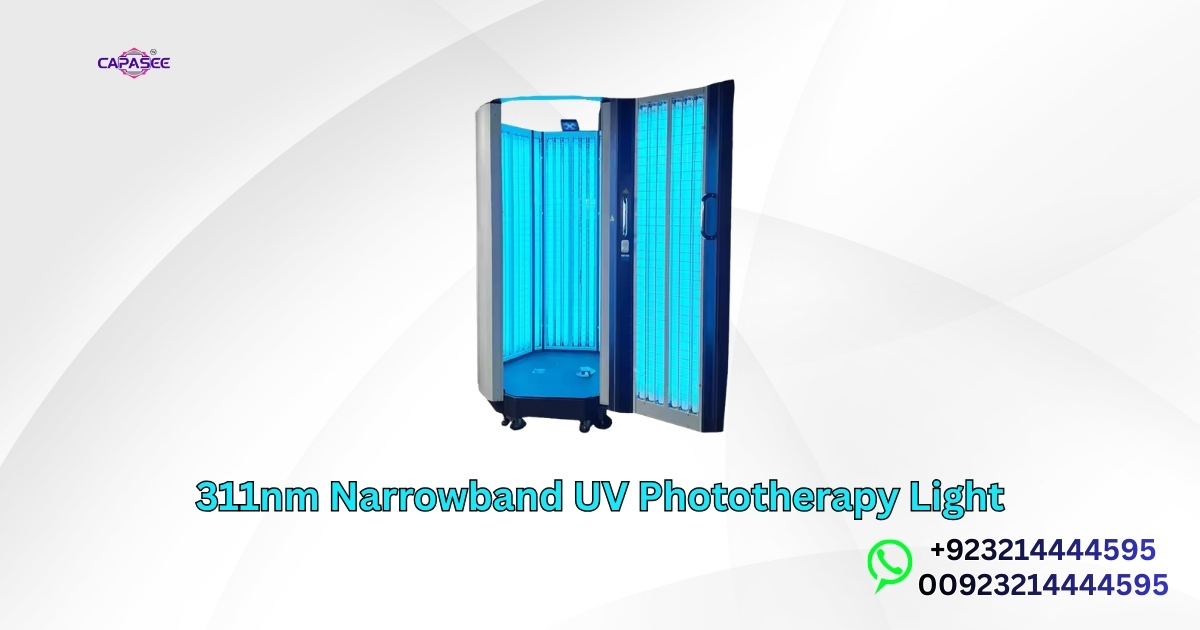
The 311 nm to 313 nm wavelength works by cutting through the outer layers of skin and deactivating the hyperactive immune responses that cause diseases such as psoriasis and vitiligo. It reduces excessive cell turnover, and in this case, it encourages melanocytes or pigment making cells to respond in areas that have lost their pigment.
Studies conducted in dermatology journals have always indicated that this wavelength offers the optimum balance between therapeutic efficacy and minimum DNA damage. It triggers the desirable biological mechanisms without eliciting the adverse effects of conventional UV exposures.
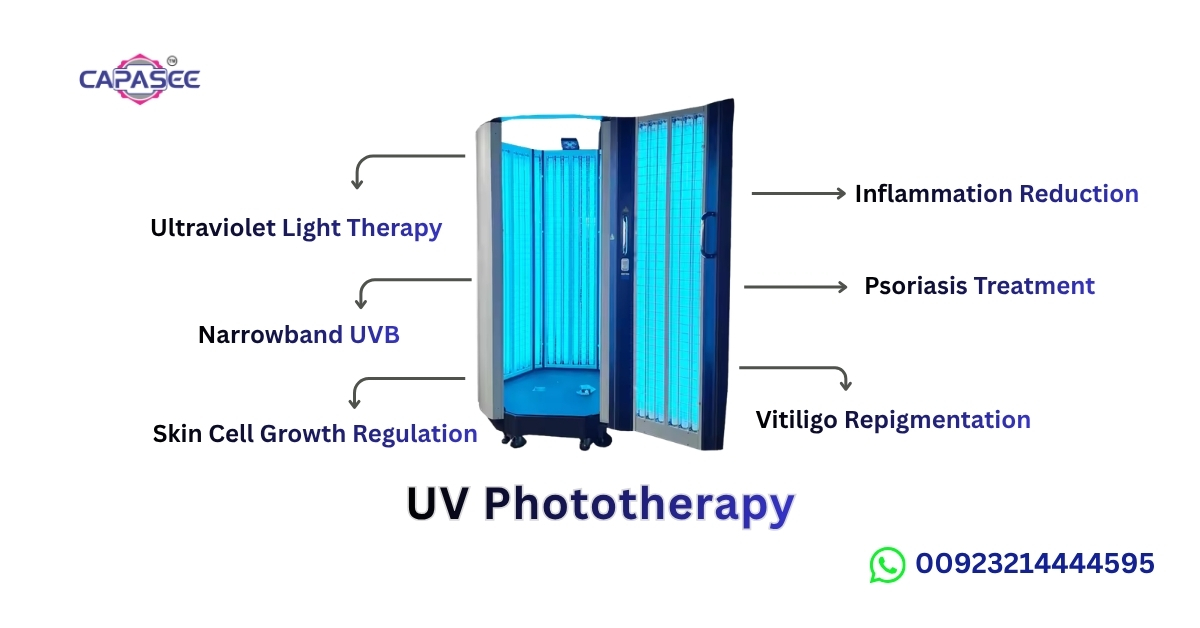
You May Also Read This Blog: UV Phototherapy
Why It’s Gaining Popularity in Pakistan for Skin Treatments
Vitiligo and psoriasis are very prevalent in Pakistan, with one of the highest rates in South Asia, but there is a lack of awareness of phototherapy beyond the big cities. That’s changing fast. Within the last 5 years, narrowband UVB equipment has been invested in by clinics in Lahore, Karachi, Islamabad, and Peshawar, allowing this treatment to be available to an increasing number of patients who previously treated their chronic conditions solely through the use of long term steroids.
This change is also influenced by the fact that the dermatologists returning to the country after international training come with new protocols. Previously, patients in need of phototherapy had to travel to Turkey or the UAE and then get the same treatment at a fraction of the price; now, they can get the same treatment at the same price in their homeland.
Narrowband UVB Uses for Common Skin Conditions in Pakistan
Narrowband UVB is not a mono condition therapy; it applies to a broad group of chronic inflammatory and pigmentation related skin diseases. One of the reasons dermatologists prescribe it is because it is versatile, and topical treatments are no longer effective, or because a patient requires steroid free long term use.
Treating Psoriasis with Narrowband UVB Sessions
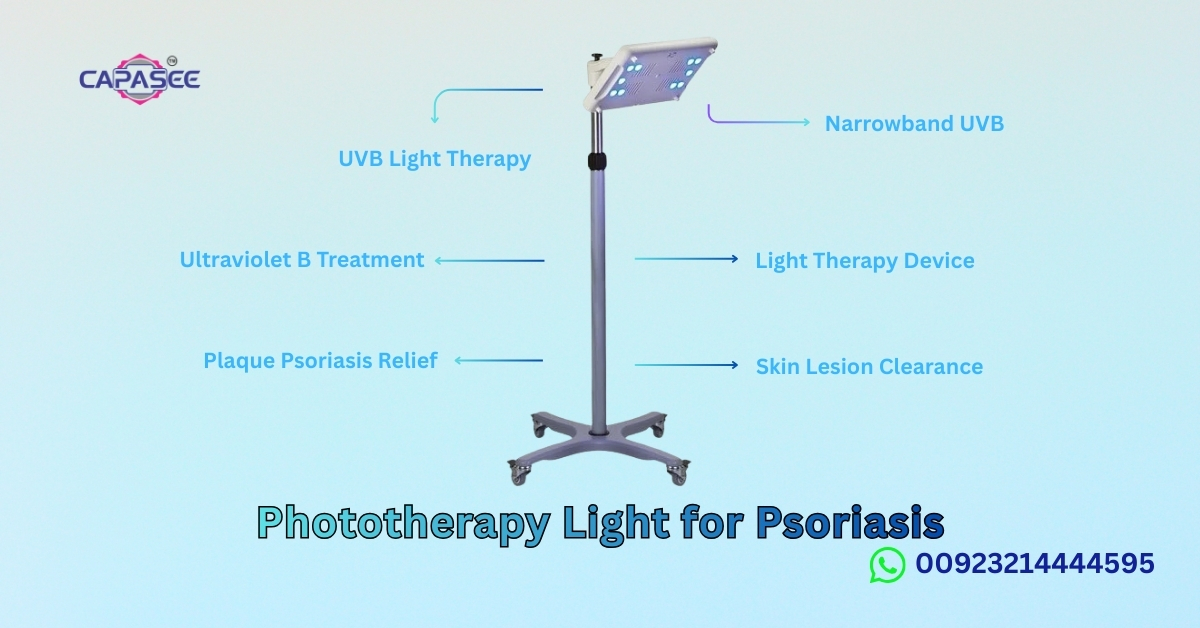
Psoriasis leads to thick and scaly plaques, which are usually non responsive to moisturizers and weak topical steroids. Narrowband UVB is used to decrease the rapid production of skin cells that cause these plaques and soothes the underlying inflammatory process.
In clinical practice, it has been demonstrated that about 70% to 80% of psoriasis patients respond with an important response of clearance following 20 to 30 sessions of narrowband UVB therapy. An example of a patient in a Lahore dermatology clinic can experience an apparent decrease in plaque thickness in the initial 8 to 10 sessions, and the effects can be maintained if maintenance sessions are performed every month.
Narrowband UVB for Vitiligo Repigmentation Success Stories
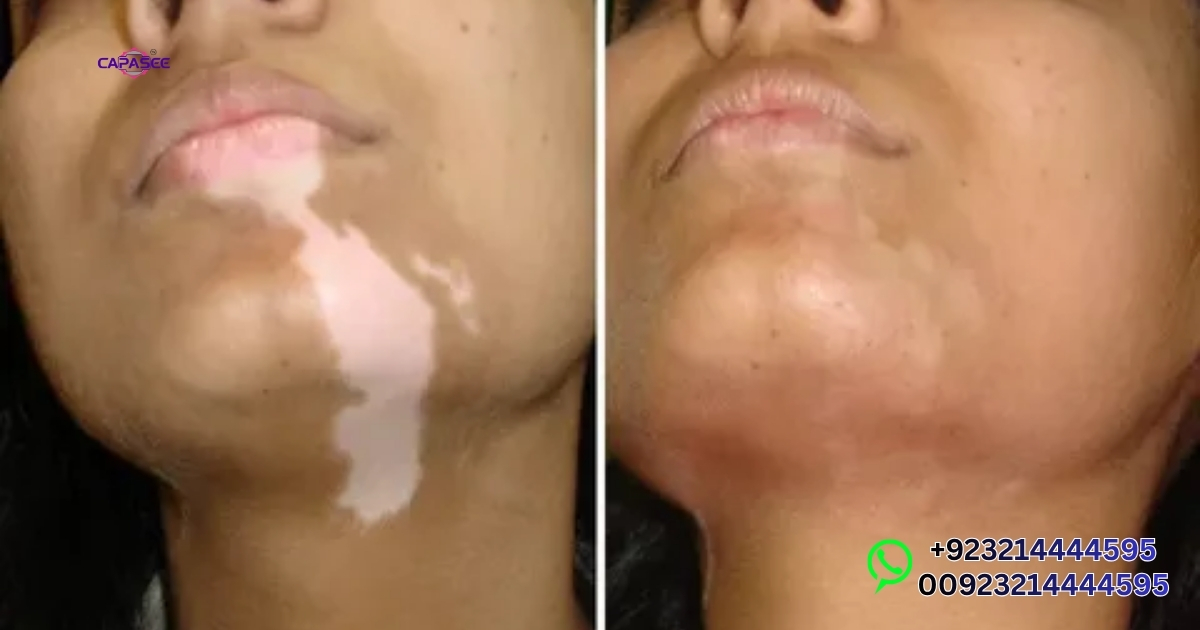
Vitiligo is among the most emotionally upsetting skin disorders in Pakistan, especially considering the social and cultural stigma attached to it. Narrowband UVB is the latest and most useful non surgical intervention that can stimulate repigmentation, particularly in patients with active or progressive vitiligo.
The outcome differs depending on the patch’s location and the duration of the patient’s vitiligo. In general, the fastest response is to facial and neck patches. Several patients say that visible pigment is restored after 3 to 4 months of regular therapy. Patching of the body on hands and feet is slower and might need 12+ months of consistent procedures. Early therapy is always the most effective.
Effectiveness for Eczema, Dermatitis, and Pruritus
Chronic eczema and atopic dermatitis unresponsive to topical treatments are responsive to narrowband UVB since the radiation can directly tune the immune response in the skin. When taken consistently, it minimizes itch, inflammation, and the rate of flare ups.
Another condition, where this therapy produces a measurable effect, is pruritus, which is intense, long lasting itching, without an apparent rash. Significant improvement of patients with uremic pruritus (related to kidney disease) or cholestatic pruritus has been documented after a few weeks of sessions.
Other Conditions Like Lichen Planus and CTCL Respond Well
In Pakistan, other than the most common conditions, dermatologists are also treating lichen planus, polymorphic light eruption, and early stage cutaneous T-cell lymphoma (CTCL) with the use of narrowband UVB. These are more severe and rare ailments where phototherapy has a significant therapeutic alternative.
CTCL specifically is advantageous since the cancerous T-cells within the skin are quite sensitive to directed UV radiation. Narrowband UVB in the early stages is able to prevent the progression of the disease without using systemic chemotherapy.
Narrowband UVB Procedure and Safety in Pakistani Clinics
The treatment is non invasive, simple to administer, and well tolerated, even for patients new to phototherapy. Being aware of what to anticipate before, during, and after every session helps patients to remain consistent, the most important element in facilitating results.
Step by Step Narrowband UVB Treatment Process
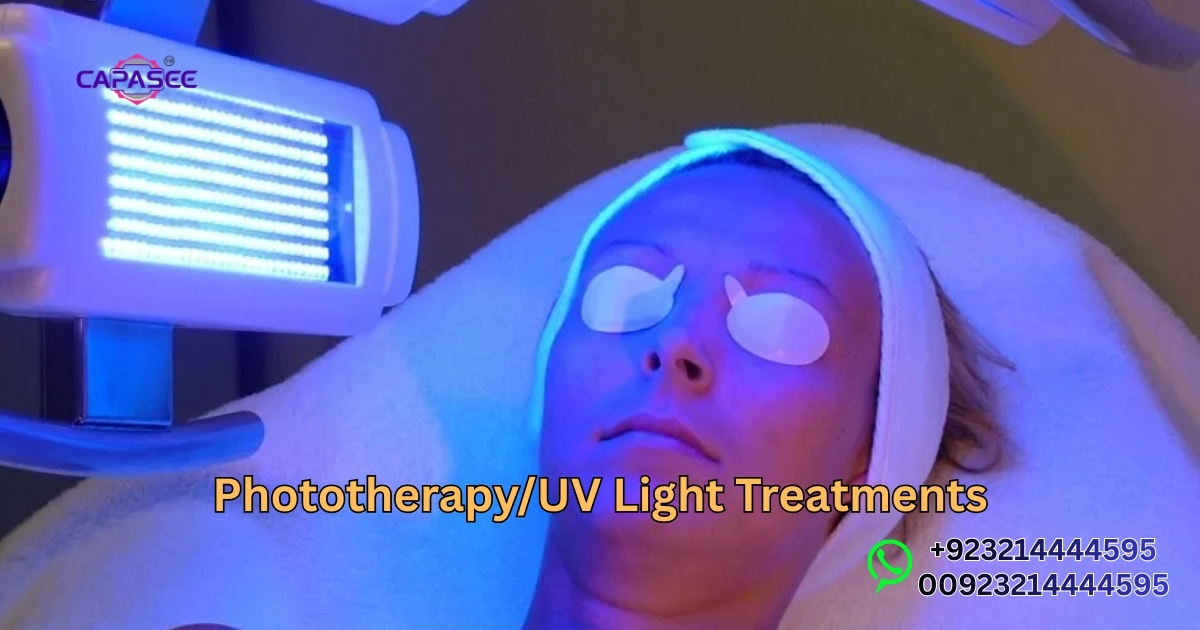
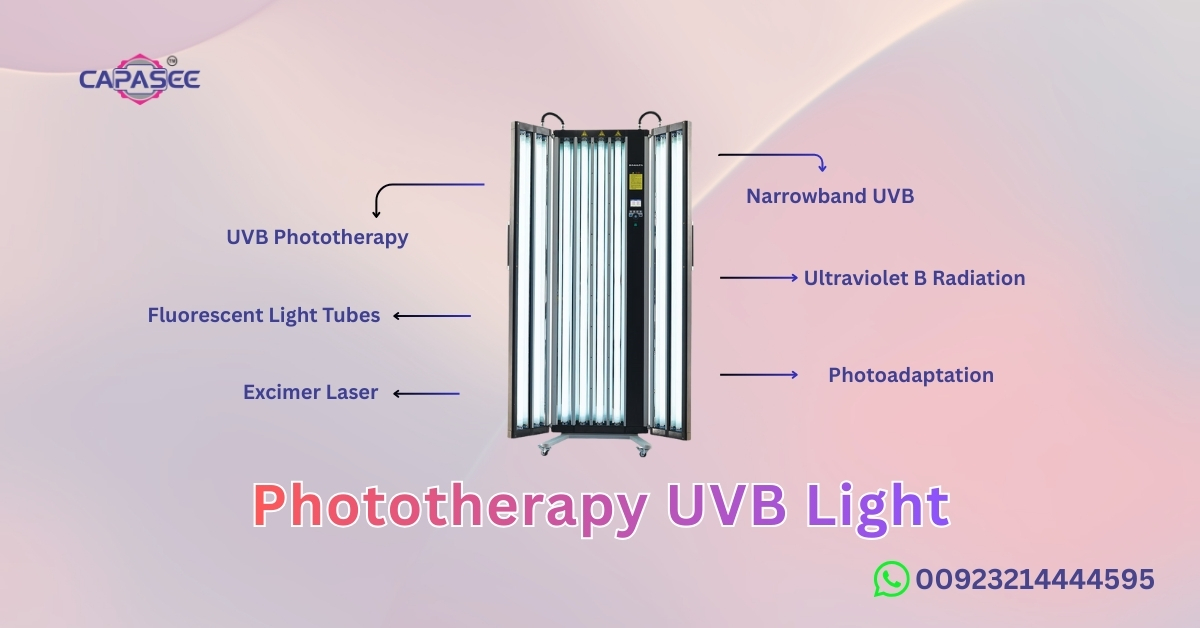
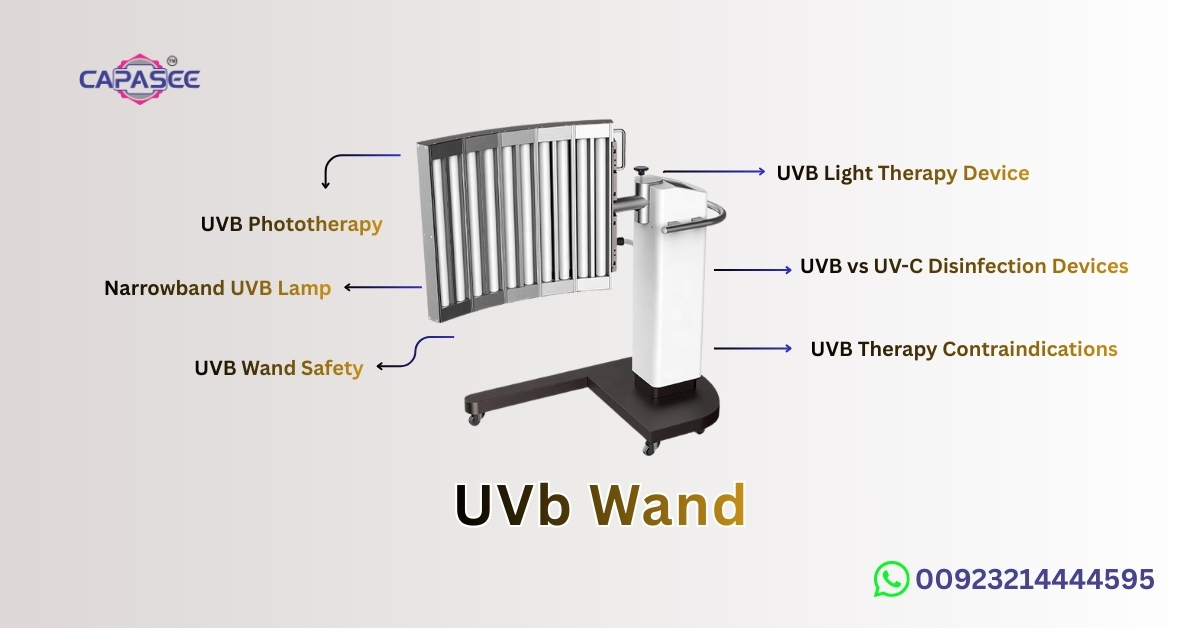
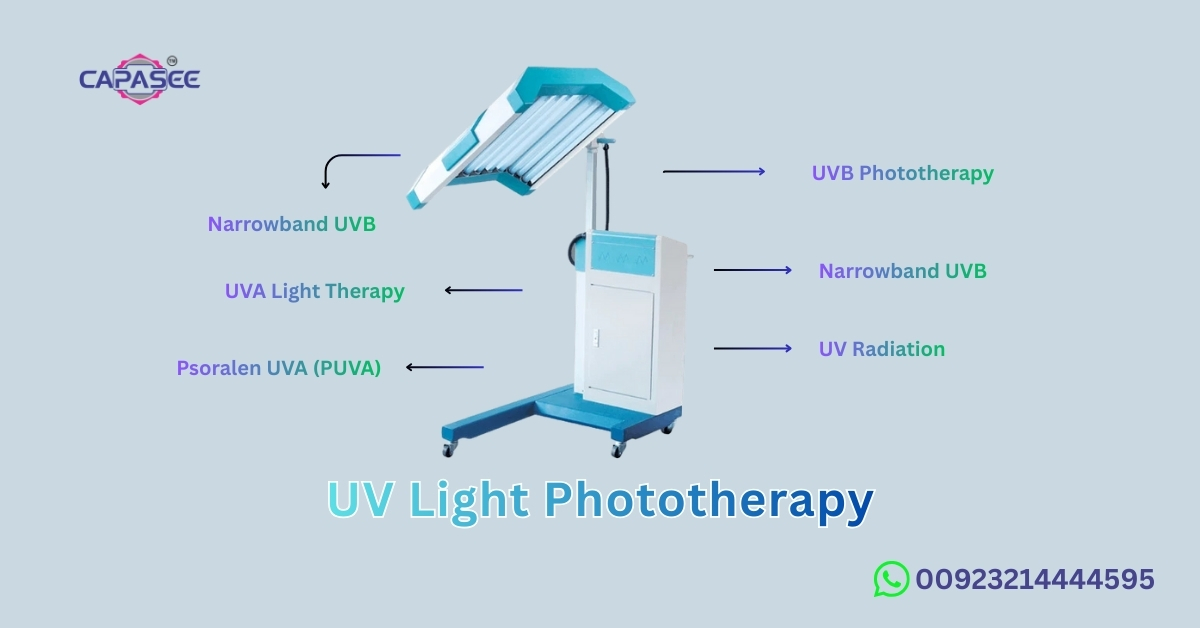
A normal session starts with the patient taking off his or her clothes, leaving only the affected part or the entire body, depending on the condition. Wearing protective goggles. A phototherapy cabinet or targeted treatments is a phototherapy machine in which the patient sits or stands, and the UV lamps are operated at a specific wavelength for a strictly determined time.
Sessions are as few as a few seconds at the outset of treatment to several minutes as the tolerance increases. The dose is determined by a trained dermatology technician, depending on your skin type and response to the previous session. There is no time when you are unmonitored, and the machine will automatically switch off at the time set.
Session Frequency, Duration, and Customization for Skin Types
The protocols begin with three sessions a week with non consecutive days, usually Monday, Wednesday, and Friday, which is the schedule that is followed in Pakistani clinics. The initial dose is minimal, and then it is gradually increased to prevent burns and maximize the therapeutic effect.
The skin type of the Pakistani people is usually within the Fitzpatrick III-V range, so they can be exposed to UV reasonably well; nevertheless, dose calculation is necessary in this case. The protocol is tailored to your specific skin condition, skin type, and response following the initial few sessions and is designed by a dermatologist. The program of total treatment lasts an average of 20 to 36 sessions based on the condition which is undergoing treatment.
Check More & Purchase: Our Products
Potential Side Effects and Safety Measures
One of the safest phototherapies used is narrowband UVB, although it has side effects, especially when not managed in proper ways. The most frequent problem is mild redness or a sunburn like feeling following the initial few sessions, which normally disappears in 24 to 48 hours.
Uncommon yet potential risks encompass blistering in case of too rapid dosage increases, itching in the course of the treatment, and a hypothetical long term danger of photoaging with prolonged use. Clinics are highly regulated and adhere to several protocols, such as keeping a close record of doses and frequent skin checks to reduce these risks. Patients who are known to have skin cancer or take photosensitizing drugs should notify their dermatologist before treatment.
Narrowband UVB Cost and Best Clinics in Pakistan
Among the most feasible issues for Pakistani patients who consider phototherapy is cost. The prices have reduced substantially because most clinics have procured equipment, but the price changes significantly among cities and types of facilities.
Average Narrowband UVB Session Prices in Major Cities
The cost of a single narrowband UVB session in a well recognized dermatology clinic in Karachi and in Lahore is between PKR 1,500 and PKR 3,500, depending on whether it is a targeted therapy or a full body one. Prices are a little higher in Islamabad, ranging between PKR 2,000 and PKR 4,000 per session because of increased overheads at clinics.
Several clinics also have package prices on entire courses of treatment, which can save 20 to 30% on the per session cost. To get a typical 2 to 4 session vitiligo or psoriasis course, you should spend between PKR 36,000 and PKR 84,000 on total costs, depending on the location and tier of the clinic.
Top Clinics Offering Narrowband UVB in Islamabad and Karachi
In Pakistan, there are now several properly equipped and trained dermatology clinics that provide narrowband UVB treatment. The quality phototherapy services are available in Islamabad, where there are clinics of PIMS Hospital, as well as a few independent dermatological practices located in the F-7 and F-8 areas. In Karachi, the Aga Khan University hospital dermatology unit and a number of specialist skin clinics in Clifton and DHA provide quality narrowband UVB programs.
In selecting a clinic, be certain to enquire whether the equipment is a Philips TL/01 or Waldmann UV system. These are the narrowband UVB units internationally accepted for use in clinical studies. Do not use the facilities that are unable to explain what model their lamp is or describe a calibrated dosing protocol to you.
Home vs. Clinic Narrowband UVB Options in Pakistan
Home narrowband UVB units are sold outside the country, and a small number of Pakistani patients do import them via medical equipment dealers. The same lamps of 311 nm used in clinical units are also used in these devices and can be effective in maintenance therapy or in patients who do not have access to clinical facilities in urban areas.
Yet, self prescribed phototherapy can be very dangerous in reality, especially the risk of taking the wrong dose, not using eye protection, or not noticing side effects. The real world advice to Pakistani patients would be to first undergo at least the initial course of treatment in a clinic with supervision, and only think about home maintenance under the continued supervision
Frequently Asked Questions
Is narrowband UVB therapy safe for long term use in Pakistan?
The use of narrowband UVB is regarded as less harmful than the older forms of therapy because of its particular wavelength, which minimizes cancer as compared to PUVA, but monitoring is necessary.
How many sessions of narrowband UVB are needed for vitiligo in Pakistan?
Generally, 2 to 5 sessions a week over a month, but the repigmentation is noticeable after 20 to 30 sessions, based on skin type and area.
What is the cost of narrowband UVB therapy per session in Pakistan?
In cities such as Karachi and Islamabad, the prices vary between Rs. 500 and 5000 per session, depending on the clinic and area of the body covered.
Can narrowband UVB cure psoriasis completely?
It is an effective induction of remission in psoriasis but not curative; it may have to be maintained.
Where to get narrowband UVB treatment in Lahore or Multan?
It is available in clinics such as in Islamabad; it is available in check dermatology centers in Lahore, where it is commonly used together with PRP to treat vitiligo.
Does insurance cover narrowband UVB in Pakistan?
It is not fully covered; it can be partially covered by the private health plans, but the providers should be consulted, since it is usually out of pocket.
How effective is narrowband UVB for eczema in Pakistani patients?
Very efficient in moderate or severe cases of atopic dermatitis, decreasing inflammation with fewer side effects.
In Pakistan, narrowband UVB therapy is an excellent treatment for psoriasis, vitiligo, and eczema, with safer, more focused UV exposure that can be obtained at reasonable clinic rates anywhere in the country.
Conclusion
Narrowband UVB is still a proven clinical procedure in the treatment of chronic skin conditions like psoriasis, vitiligo, and eczema, where topical treatments are inadequate. It operates by irradiating diseased skin with characteristic ultraviolet energy, which slows down the growth of abnormal skin cells and decreases inflammation. In Pakistan, supervised phototherapy is becoming more available in dermatology clinics and is safer than long term systemic drugs for patients. Narrowband UVB has the potential, under the supervision of a qualified dermatologist, to make a substantial impact on the health of the skin, self image, and overall quality of life of many patients.