Blog
Why is Blue Light Used in Phototherapy

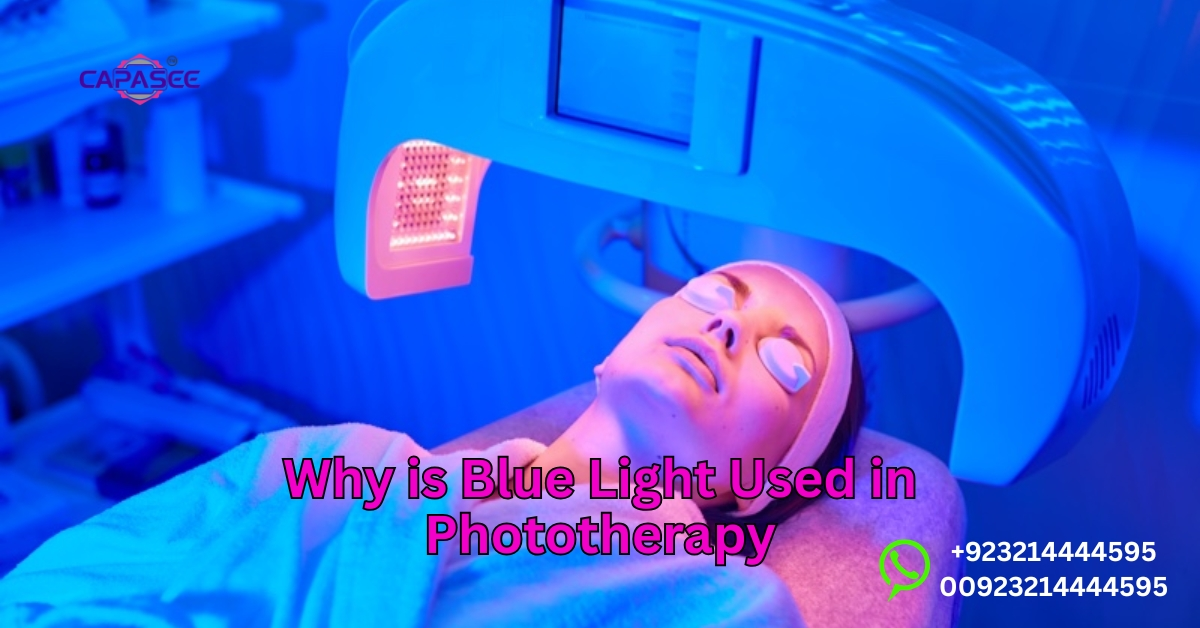
Did you ever have a problem with skin, such as acne or psoriasis and you considered that nothing was effective? It is difficult to try and test various treatments without realizing the outcomes as you expected. You are reading this because either you have heard about blue light used in phototherapy and now you want to know whether blue light is the solution to your skin issues.
In this blog post, we will explore the mechanisms of action of blue light used in phototherapy, its increasing popularity and its potential in the treatment of several skin conditions. You are in the right place, whether you are interested in learning about its advantages or need to have a new form of treatment. Continue to read to know all about this new form of skincare.
How Blue Light Used in Phototherapy Transforms Skin Health: Benefits and Protocols
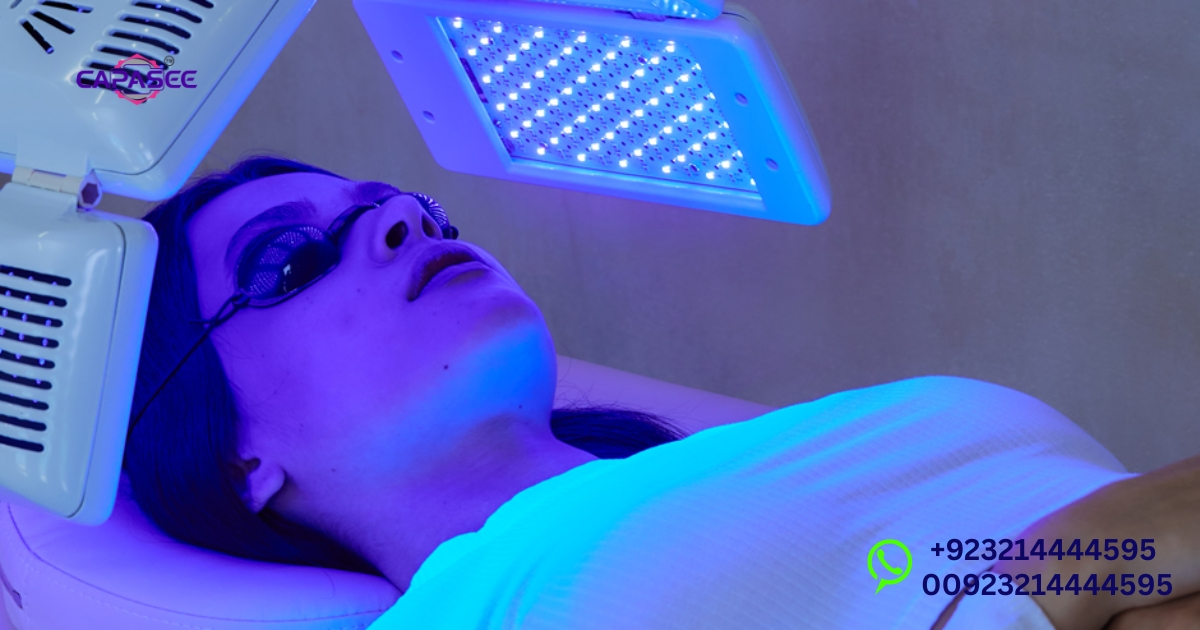
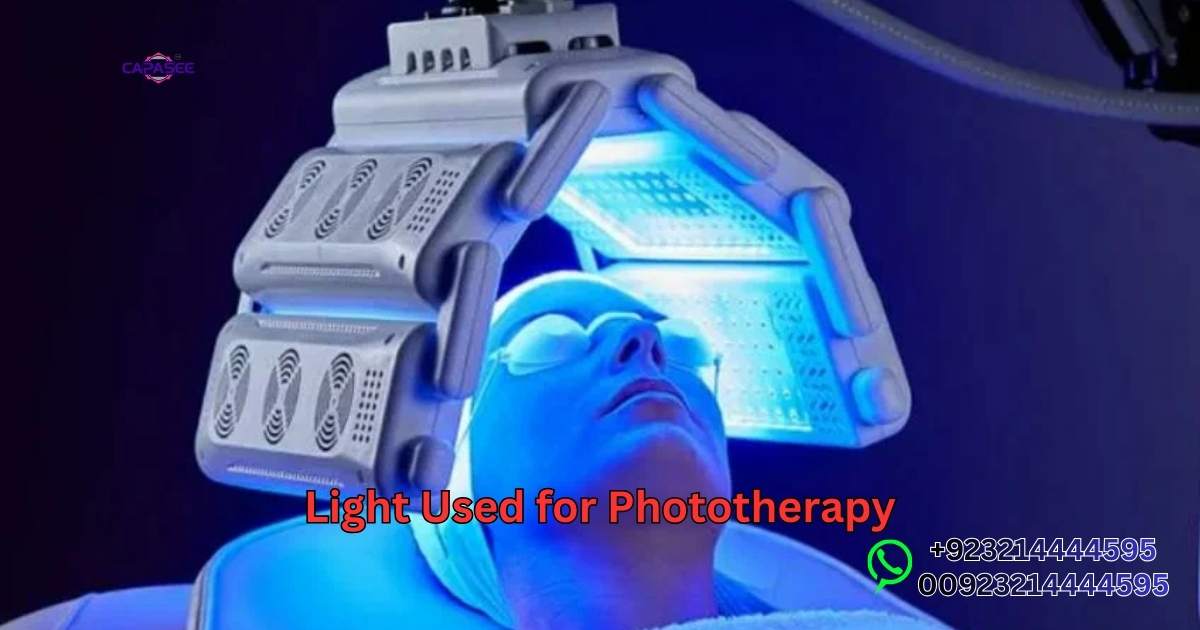
Phototherapy involving blue light has been popular because it can be used to treat different skin conditions. This treatment is effective as it attacks particular skin cells, stimulating regeneration and minimizing inflammation. Blue light used in phototherapy is useful in the treatment of acne, psoriasis and atopic dermatitis and provides a non invasive mechanism of treatment to a large number of individuals.
To be effective in blue light therapy, instructions are to be adhered to. It is important to use the right wavelength, which is usually between 460 to 490 nm. A blue to green light phototherapy range is especially useful, as it is effective both on skin conditions, causing a drop in inflammation and repairing skin cells.
You May Also Read This Blog: What Is The Cost of Phototherapy For Newborns
Blue Light Therapy for Skin Diseases: Acne, Psoriasis, and Atopic Dermatitis Solutions
Blue light used in phototherapy is a successful technique for treating acne because it attacks the bacteria that are causing the acne. It also aids in decreasing the production of oil, which increases the development. In case of psoriasis and atopic dermatitis, blue light facilitatesthe curing of the skin and lowers redness and irritation. The regular use of this therapy can allow having clear and healthy skin.
The wavelength of blue light, 478 nm, is the most appropriate in treating skin diseases. It goes deep inside the skin, healing any problems within it without damaging the surface. It is a non invasive and safe method of dealing with chronic illnesses.
Blue Light Wavelength for Phototherapy and Its Role in Skin Cell Healing
The optimal range of light wavelengths of blue light used in phototherapy is also extremely important in determining the effectiveness of phototherapy. The light wavelength ranges of 460 to 490 nm directly affect certain cells of the skin that cause inflammation and acne. This range of wavelengths enables penetration deeper into the skin, making the treatment more effective.
The bilirubin absorption peak is also involved in skin therapy. Phototherapy with blue light is reported to aid bilirubin metabolism during phototherapy, particularly with phototherapy of newborn jaundice. This shows that it is a wide ranging method of application, starting with a general skin and going deeper.
Blue LED Phototherapy: Wavelengths, Anti inflammatory Effects, and Treatment Uses
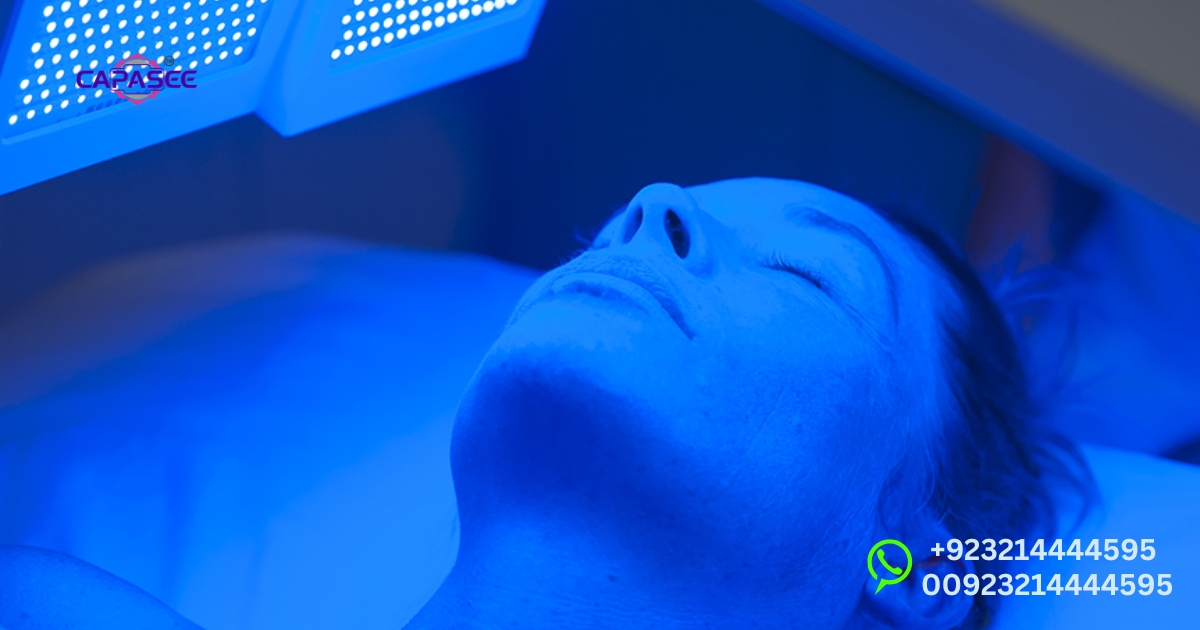
The use of blue LED phototherapy is on the rise as it can be used as an anti inflammatory therapy. The benefits of the blue light LED phototherapy are that it is not invasive and has very few side effects. This treatment is used not only to treat skin diseases but also to speed up the process of healing by activating the production of collagen and slowing inflammation.
The blue light used in phototherapy produced by LED is very effective in conditions such as acne and psoriasis. It acts by activating the secretion of free radicals, which combat bacteria and suppress the inflammation. With a blue fluorescent tube light, treatment applies to larger areas of the skin, hence easy to treat extensive diseases.
Blue Light Photobiomodulation: Mechanisms Behind Wound Healing and Anti inflammatory Benefits
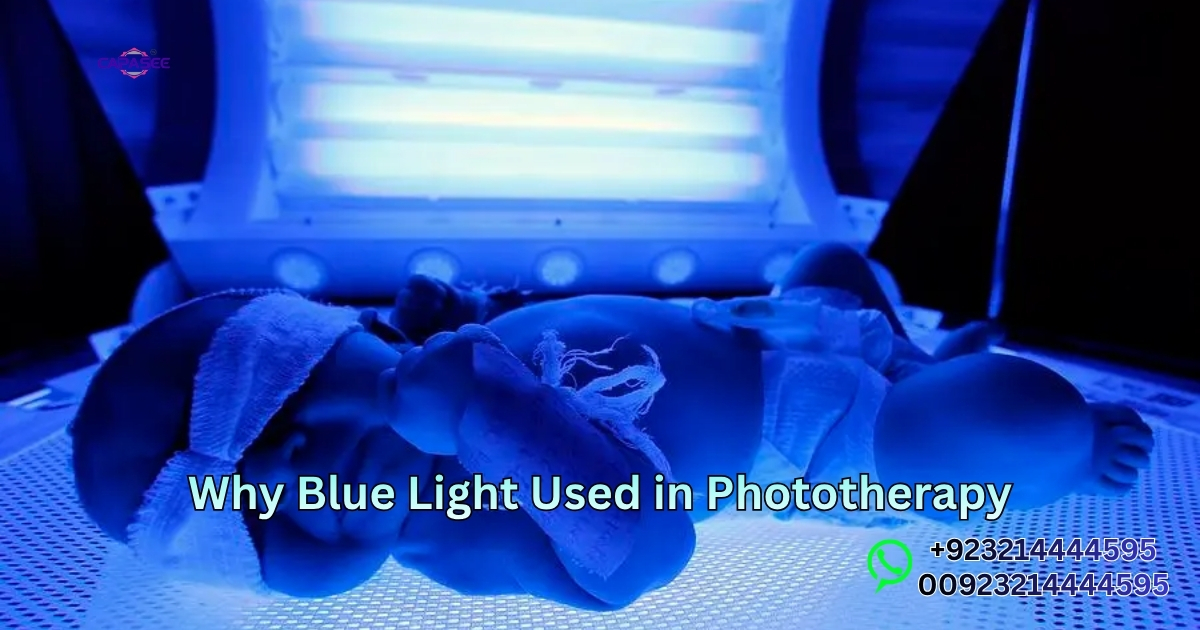
Light therapy, or photobiomodulation, is a method that involves making skin cells revitalize themselves by tricking them into healing themselves with the help of light. Light can also be used to treat jaundice using blue light used in phototherapy, which is one of the ways through which light can stimulate healing. This can be more helpful in the treatment of neonatal jaundice, whereby blue light assists in the bilirubin isomerization process, which lowers bilirubin levels of newborns.
Phototherapy of blue light has anti inflammatory effects in addition to the healing properties of the skin. It leads to wound healing by lowering inflammation and enhancing quicker cell regeneration, as well as minimizing symptoms of chronic skin diseases.
Check More & Purchase: Our Products
Low Level Blue Light Therapy Protocols: Safe and Effective Skin Treatment Approaches
The low level blue light used in phototherapy is safe and effective for long term usage. It can be easily integrated into a skincare regimen, and it provides stable outcomes without the possible presence of side effects. Adherence to treatment guidelines is also a significant determinant of the success of phototherapy, as one must apply the appropriate wavelength of 460 to 490 nm and schedule the sessions correctly.
When the phototherapy machines have LED, there is no need to worry about partial treatment since the light can be precisely emitted. This treatment has been found to lessen the symptoms of skin diseases, which will enhance the look and health of the skin in the long run.
Summary Table:
| Blue Light Therapy | Uses | Wavelength | Benefits |
| Phototherapy | Acne, Psoriasis, Atopic Dermatitis | 460-490 nm | Reduces inflammation, supports skin healing |
| Neonatal Jaundice | Jaundice in Newborns | 478 nm | Reduces bilirubin levels, supports liver function |
| Blue LED Therapy | Skin Conditions, Wound Healing | 460-490 nm | Non invasive, anti inflammatory, promotes collagen |
Through the science of blue light in phototherapy, one will be able to appreciate the use of this light in enhancing the overall skin well being and also with regard to other medical procedures, such as jaundice light therapy. The wide usage is noted by the presence of bilirubin absorption and the light reduction of bilirubin caused by it. Blue light used in phototherapy remains a useful tool in the healthcare sector, whether in skin treatment methods or in taking care of children.
FAQ’s
Why do we use blue light for phototherapy?
Blue light is used in phototherapy because it helps break down bilirubin in the skin, reducing jaundice in newborns and treating various skin conditions.
Which color light is most effective for phototherapy?
Blue light is the most effective for phototherapy, particularly in treating jaundice and skin conditions like acne and psoriasis.
How does blue light convert bilirubin?
Blue light converts bilirubin into water soluble isomers, which can be easily eliminated from the body, reducing jaundice.
How long do babies stay under blue light for jaundice?
Babies typically stay under blue light for 24 to 48 hours, depending on the severity of their jaundice.
What are the side effects of blue light for babies with jaundice?
Side effects are rare but may include mild skin rashes or dehydration, which can be managed with proper care.
Final Thoughts
What is the purpose of using blue light in phototherapy? This fact is only one of its numerous merits, as it can decompose bilirubin and eliminate jaundice in newborns. Moreover, blue light therapy is a safe and efficient treatment for several skin conditions, such as acne and psoriasis. Blue light used in phototherapy has successfully become valuable in neonatal and dermatological practice due to its known healing effect with minimal side effects. In the case of skin health and in the case of skin jaundice, blue light is a non invasive, dependable intervention in the improvement of the overall health and well being.