Blog
Will Jaundice Reduce After Phototherapy

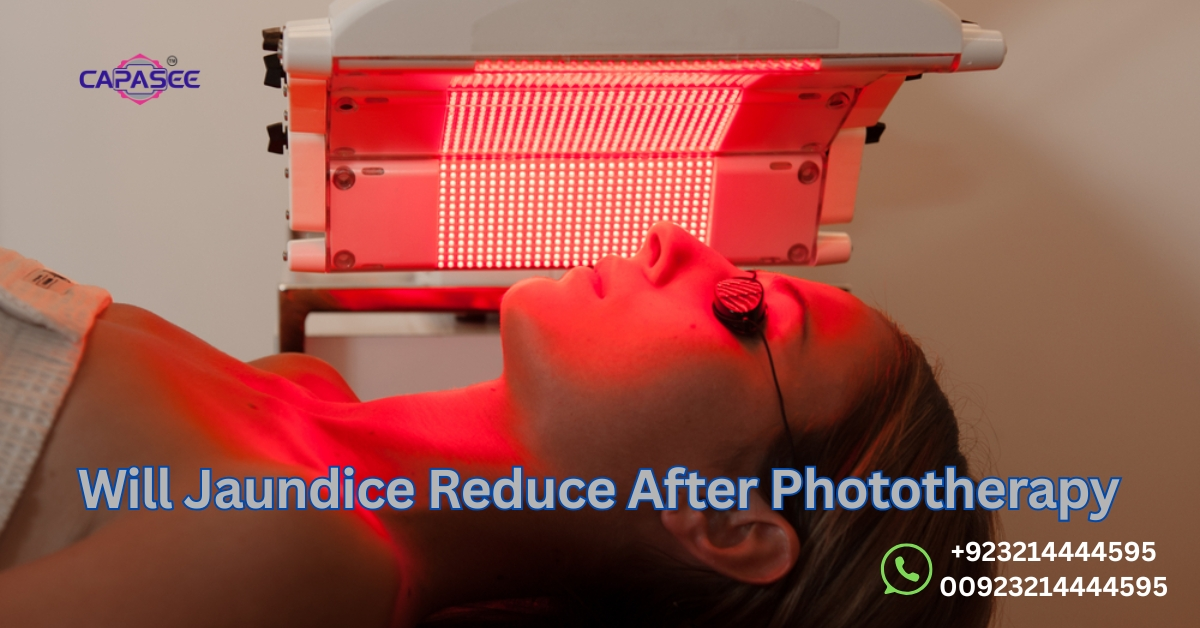
Have you ever had the worry of your baby having yellowish skin or eyes? Well, you are not the only one. Jaundice is natural among babies and parents may be at a loss about what to do next when they see that their babies are jaundiced. Will jaundice reduce after phototherapy is a common concern, particularly where it seems like a huge unknown.
In this blog post, we are going to discuss the mechanism behind phototherapy in treating jaundice and whether phototherapy actually works in alleviating the symptoms. Understanding the jaundice reduce after phototherapy involves looking into how the treatment works, its effectiveness, and expected outcomes. We will separate it into steps, the estimated time frame to enhance it, and what can be performed by parents within this treatment. You will find the answers to your questions and the comfort that you need. Now, we will jump in and see how phototherapy can work to help your little one.
Jaundice and Why Phototherapy is Used
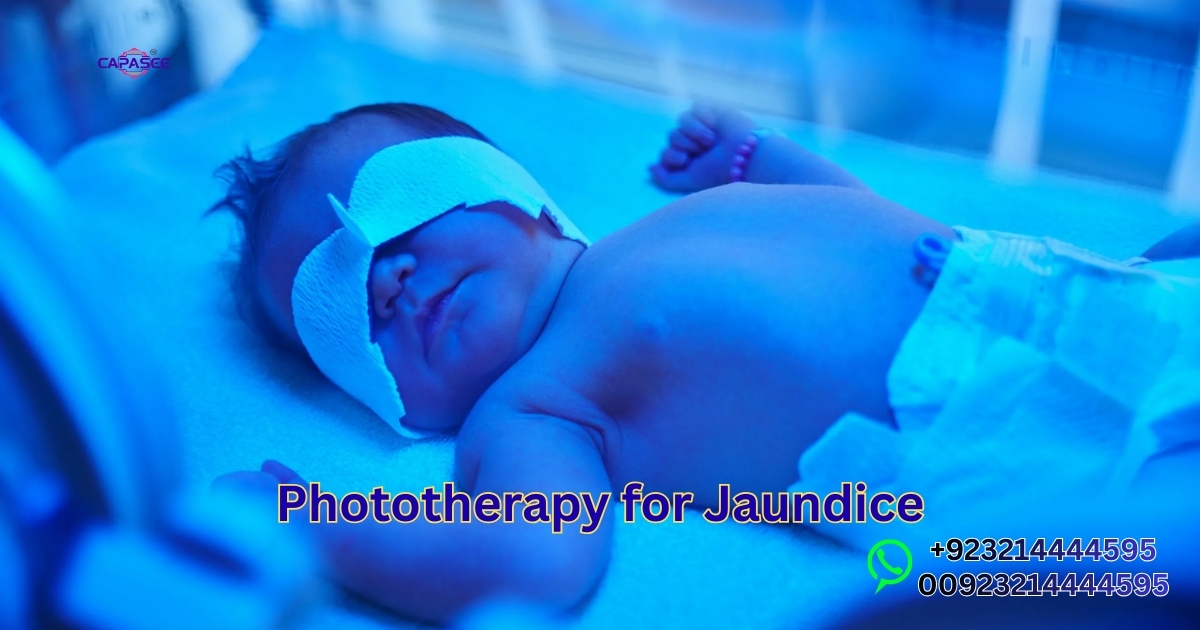
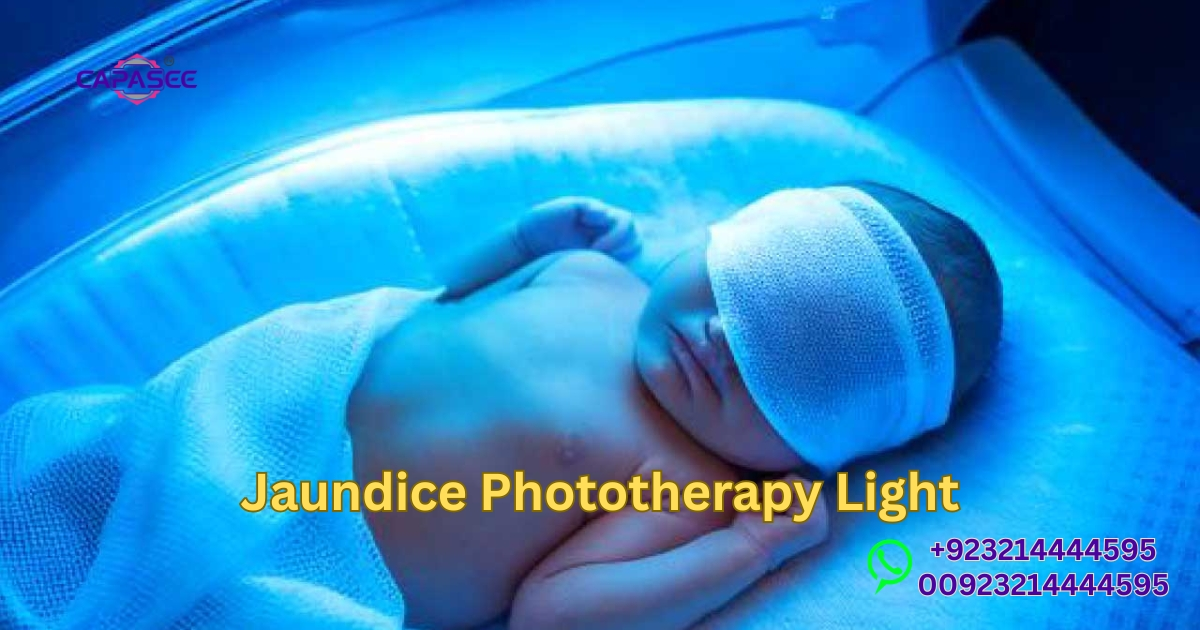
Jaundice is the excessive amount of bilirubin, a yellow material in the body that is formed when red blood cells are broken down. Jaundice in newborns is frequently treated with phototherapy, which involves special lights to aid in the breakdown of this unwanted bilirubin. This process aids the body of the baby to clear bilirubin more quickly to minimize the yellow skin color and yellow eyes. Jaundice reduce after phototherapy is a common concern among parents, and understanding the treatment process helps ease these worries.
What Causes Newborn Jaundice?
In infants, jaundice is usually attributed to a maturing liver in the child that cannot handle the bilirubin. Another factor that may worsen the condition and elevate the bilirubin levels is a premature or incompatible blood type.
You May Also Read This Blog: What is Phototherapy for Jaundice in Pakistan
How Phototherapy Helps Break Down Bilirubin
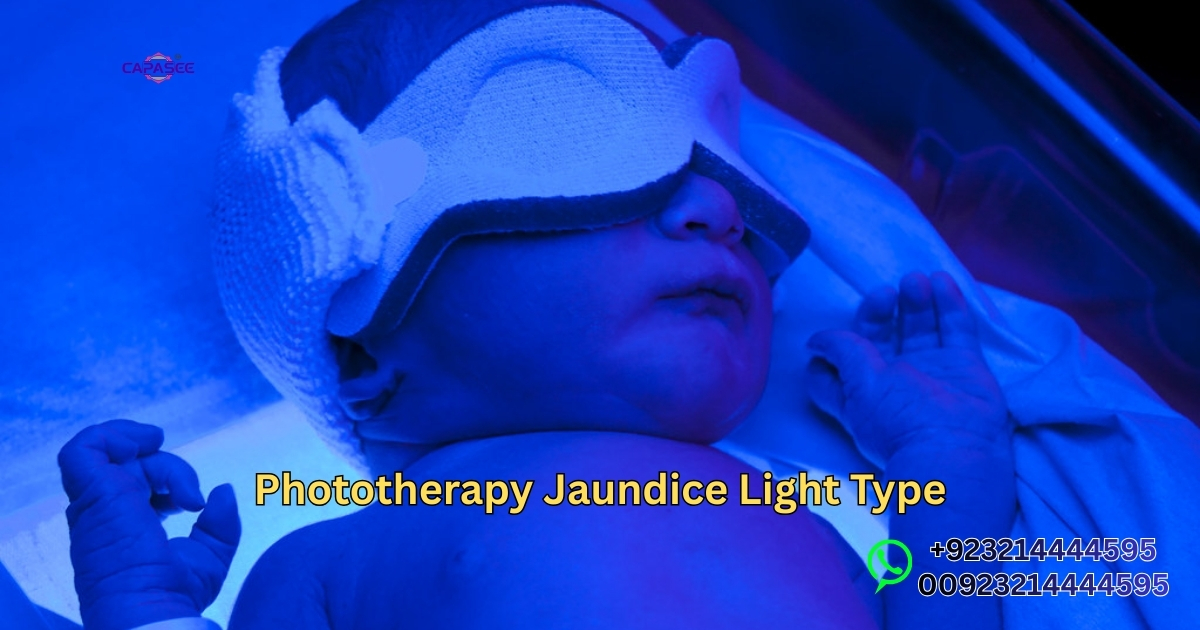
The phototherapy means that light can alter the form of bilirubin in a way that will allow it to be processed more easily in the liver of the baby. The light travels into the skin, where it helps to break down bilirubin to be eliminated through the urine.
How Effective is Phototherapy for Jaundice Reduction?
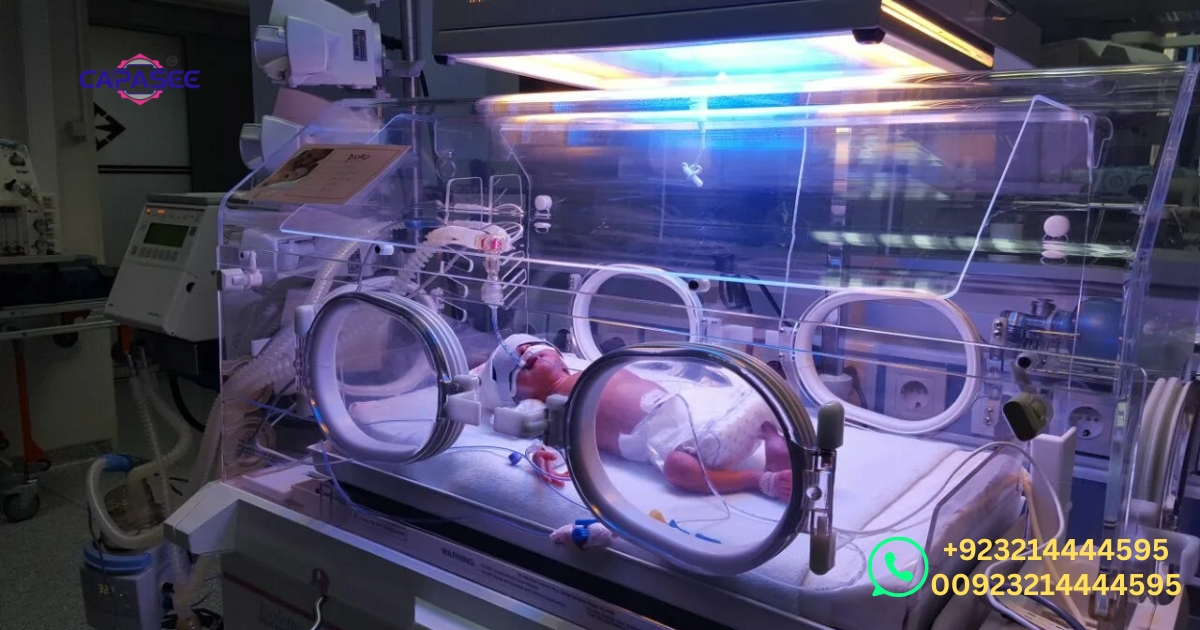
Phototherapy works very well in reducing bilirubin levels and in the treatment of jaundice in newborn infants. It might, however, depend on the intensity of treatment and the state of the baby. Babies take more time to respond and others respond quickly.
Does Phototherapy Guarantee Jaundice Reduction?
Although the normal treatment of jaundice requires phototherapy, this does not guarantee an immediate outcome. In certain infants, the bilirubin levels will drop at a slow rate and long periods of high irradiance phototherapy are required. With early detection and timely intervention, outcomes are increased.
Continuous vs Intermittent Phototherapy Results
The intermittent treatments are usually less effective than continuous phototherapy, where the baby is exposed to the light 24 hours a day. The higher intensity light used in intensive phototherapy breaks down bilirubin more quickly and guarantees a rapid outcome. Parents often wonder jaundice will reduce after phototherapy in intermittent sessions, but continuous exposure is typically more reliable.
Types of Phototherapy Devices and How They Work
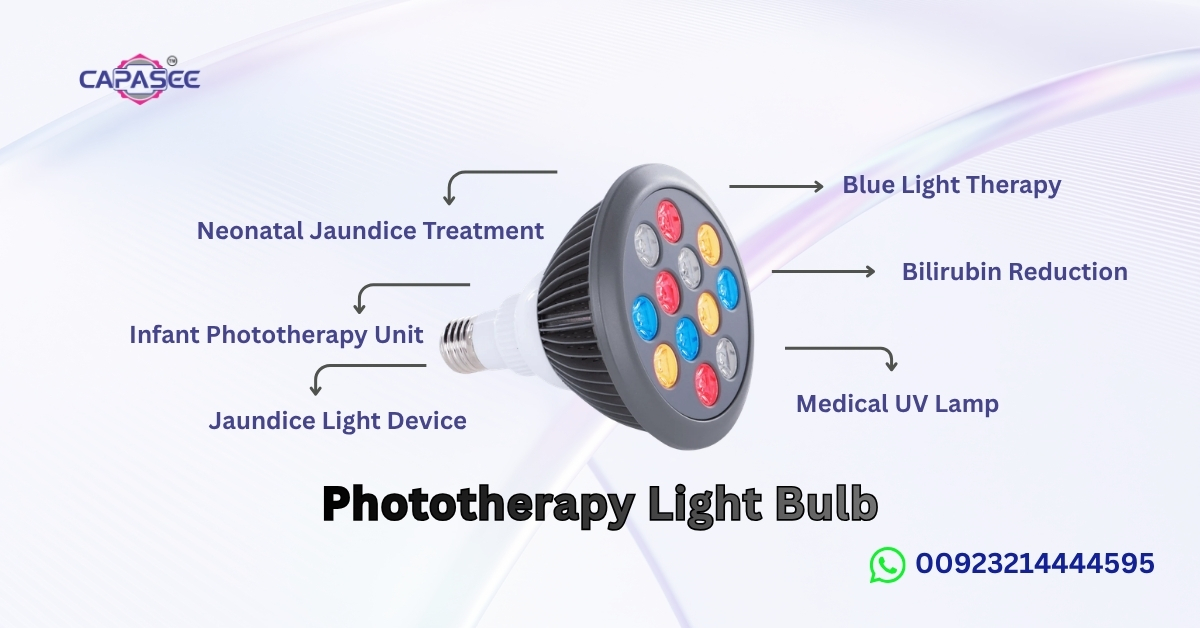
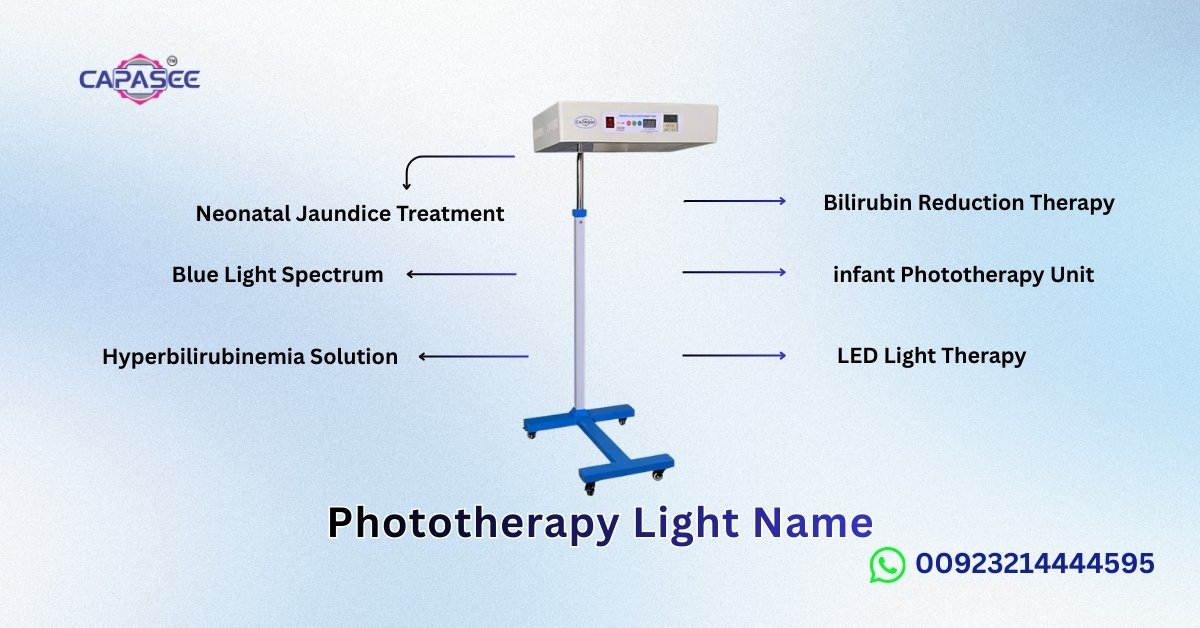
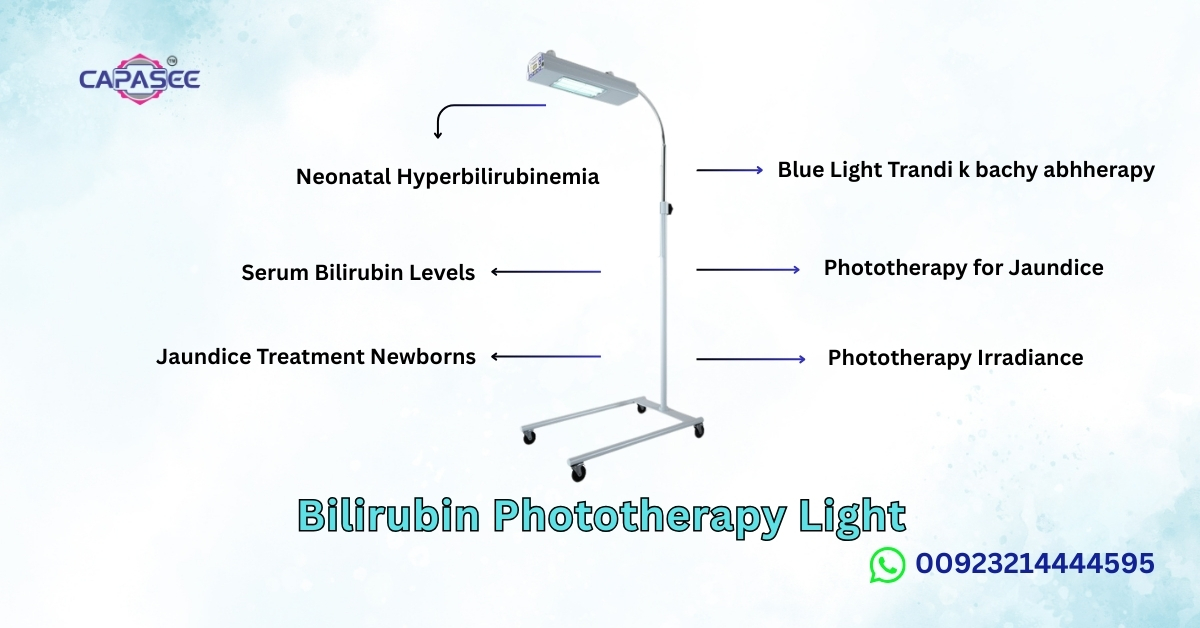
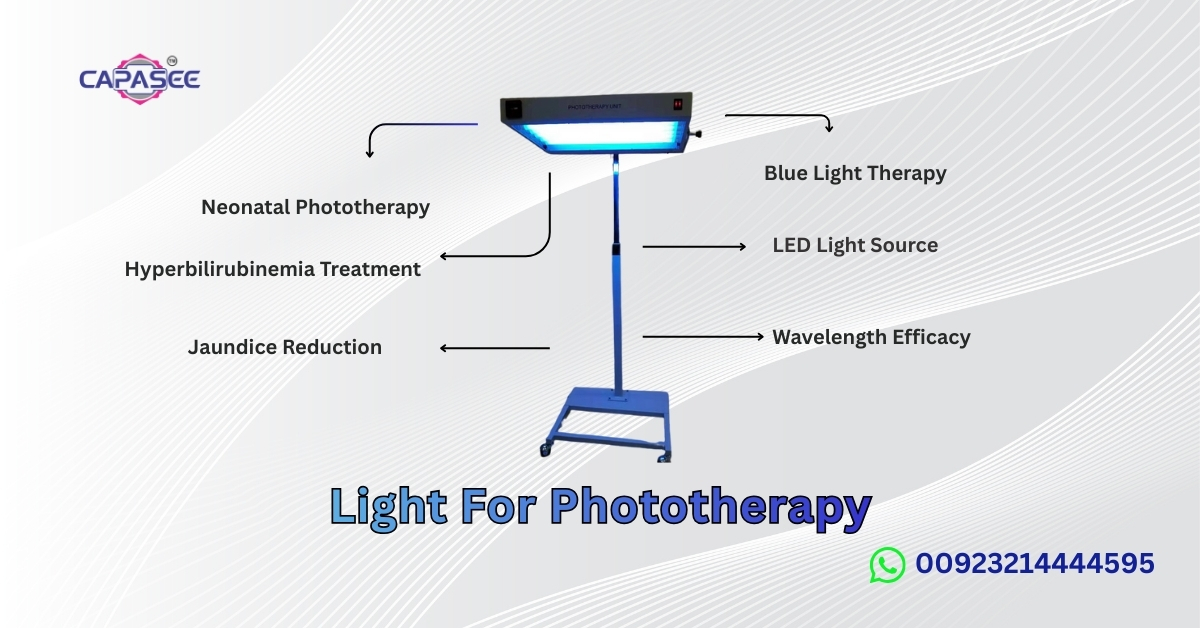
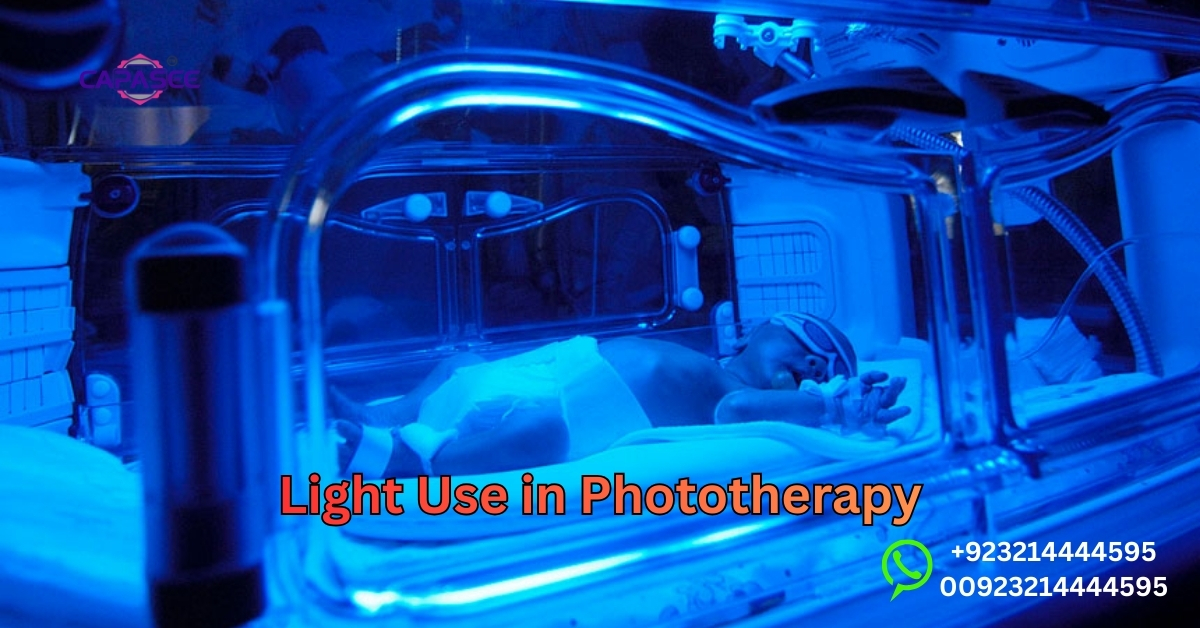
Types of phototherapy equipment used to treat jaundice include LED phototherapy, Fluorescent lamp phototherapy and fiber optic blanket phototherapy. These machines treat jaundice using different types and intensities of light.
LED Phototherapy Lights vs Fluorescent Phototherapy Lamps
LED phototherapy lights are economical, generate less heat and are highly effective in decreasing bilirubin levels. On the other hand, the fluorescent lamps phototherapy is an old technology that is still common in most hospitals. The LED phototherapy is now the preferred option because it is clinically effective and produces low heat.
Blue Light for Phototherapy: Why 460–470 nm Wavelength Matters
Phototherapy using a 450–470 nm wavelength is the best since it is effective in breaking down bilirubin. Phototherapy with blue LED light in this wavelength range penetrates the skin at a very high rate, accelerating the process of bilirubin removal.
Blue vs White Light Phototherapy: Which is Best for Neonatal Jaundice?
Preference is given to blue light therapy as compared to white. Phototherapy with blue light (460–470 nm) is found to be more effective in converting bilirubin into a form that the body is more capable of removing.
Modern Devices: LED, Fluorescent, Halogen & Optical Fiber
In the modern phototherapy units, there are halogen lamps with high intensity of light, and can be used in high bilirubin levels. Another benefit of fiber optic blanket phototherapy is that it offers a more uniform coverage of the baby, which leads to increased exposure of the body surface in phototherapy.
Intensive Phototherapy: When is it Needed for Newborns?
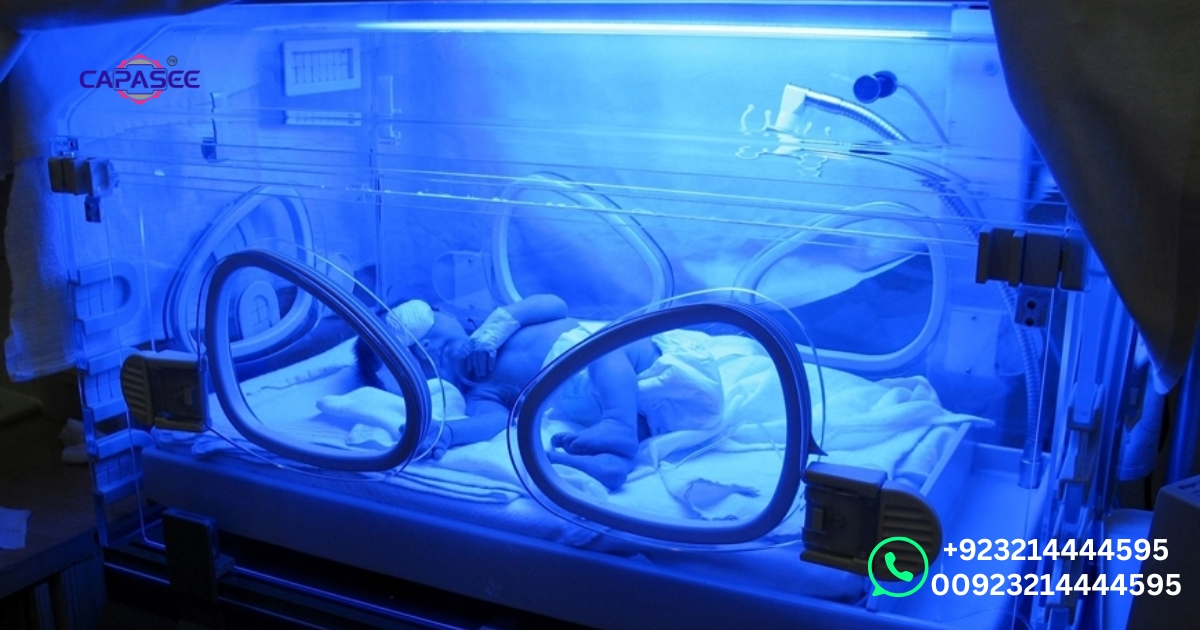
When newborns with high bilirubin levels require bilirubin reduction phototherapy, intensive phototherapy may be used because it acts rapidly. With this technique, high irradiance phototherapy is used, which is more effective in dissolving bilirubin in more severe cases of jaundice. In such cases, jaundice reduce after phototherapy depending largely on the intensity and duration of the treatment.
Understanding Intensive Phototherapy in Severe Cases
Intensive phototherapy is necessary in severe jaundice cases. The phototherapy can take more time and LED phototherapy or fiber optic blanket phototherapy can be applied to the maximum number to lower the bilirubin levels within the least amount of time.
Best Light for Neonatal Jaundice: What Doctors Recommend
When phototherapy is used to treat neonatal jaundice, doctors recommend blue LED light of a wavelength between 450 and 470 nm. It is the most effective type of light in treating jaundice with light therapy, as it is a good breaker of bilirubin.
Phototherapy Complications and Safety Concerns
Phototherapy is not very dangerous, but it is not entirely safe. Rashes, dehydration and irritability are common side effects among newborns. The latter are most often temporary and can be treated with appropriate care.
Common Phototherapy Side Effects (Rashes, Dehydration, Irritability)
Although neonatal phototherapy is a good practice, there is are chance that a baby develops mild rashes or becomes dehydrated. One should keep an eye on the levels of hydration of the baby and provide sufficient fluid intake to him. These side effects do not significantly alter the answer to jaundice reduce after phototherapy.
Rare Phototherapy Complications (Hypocalcemia, Hyperthermia, Hemolysis)
Intense phototherapy can cause rare complications such as hypocalcemia, hyperthermia and hemolysis. Though they are rare and can be prevented with adequate observation and regulation of the phototherapy light variations.
Phototherapy Safety Measures Every Parent Should Know
During the treatment, parents need to make sure that they monitor the baby. To enhance the exposure to light, phototherapy units with reflecting surfaces can be used. During treatment, it is also important to cover the newborn with the light.
Phototherapy in Pakistan: What Parents Should Expect
Jaundice treatment using light therapy is very common in hospitals in Pakistan; however, the quality and cost of the treatment can vary. In local facilities, parents need to ensure that there are modern phototherapy devices to treat jaundice.
Newborn Phototherapy in Pakistan: Costs and Hospital Facilities
Phototherapy is expensive in Pakistan, depending on the nature of the treatment and the hospital. Modern hospitals can provide LED phototherapy or fluorescent lamp phototherapy, but some are still able to provide the old methods.
Availability of Modern Phototherapy Devices in Pakistan
Most hospitals in Pakistan have access to energy efficient phototherapy machines, but most of them might be equipped with older machines. Examples of devices that are available at major medical centers include fiber optic blanket phototherapy and halogen lamp phototherapy.
Beyond Jaundice – Other Uses of Light Therapy
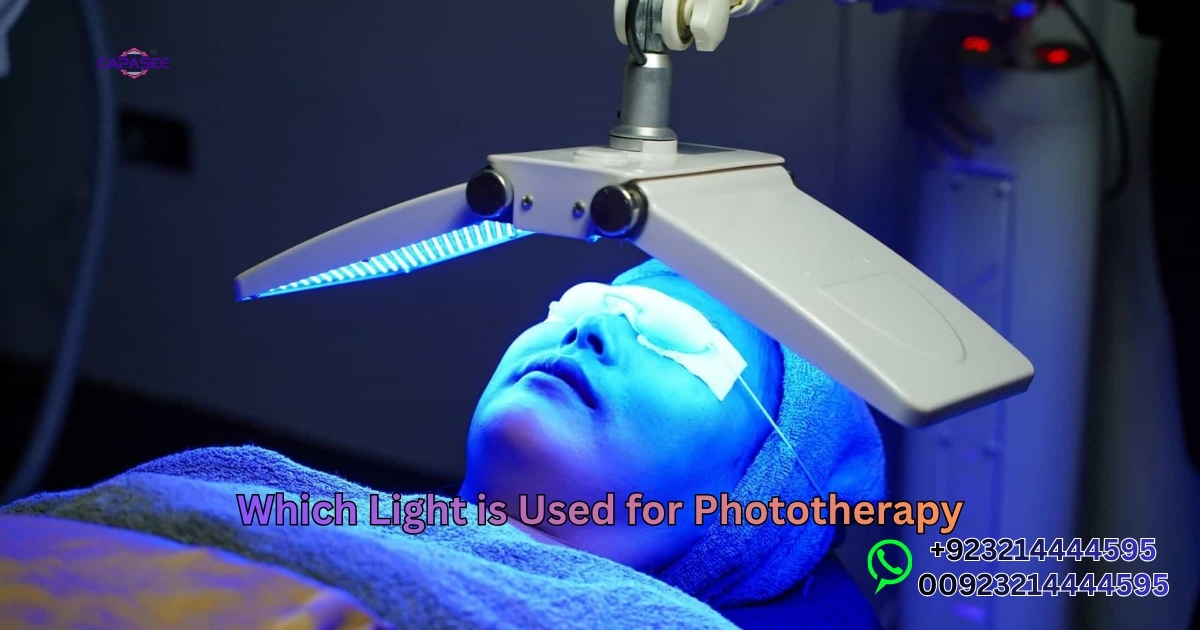
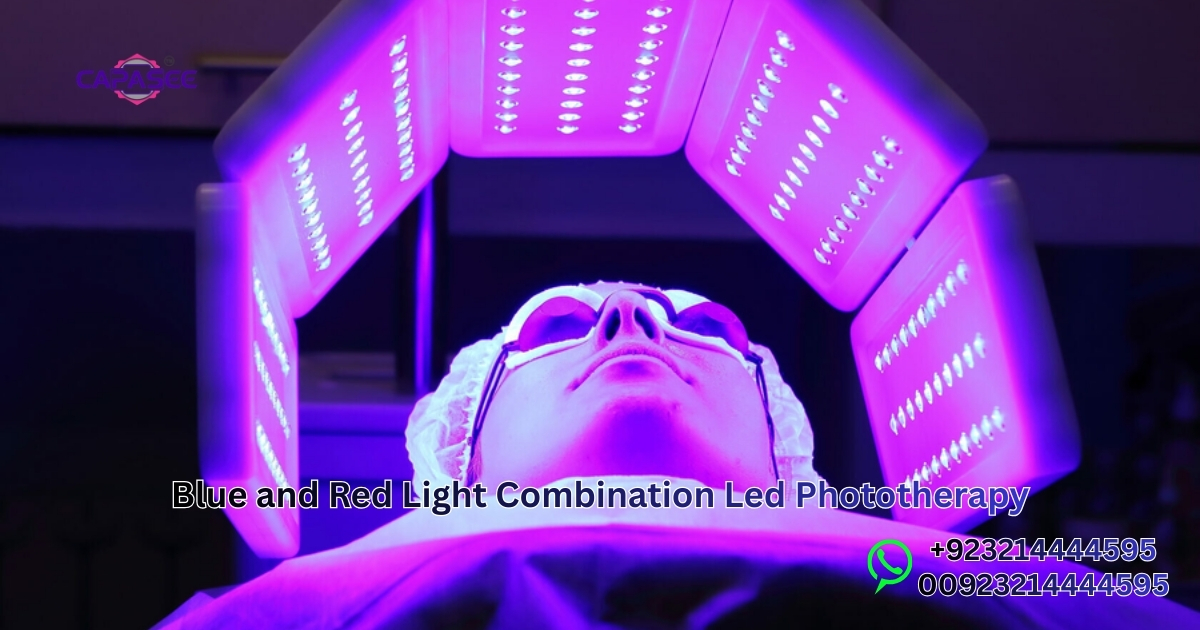
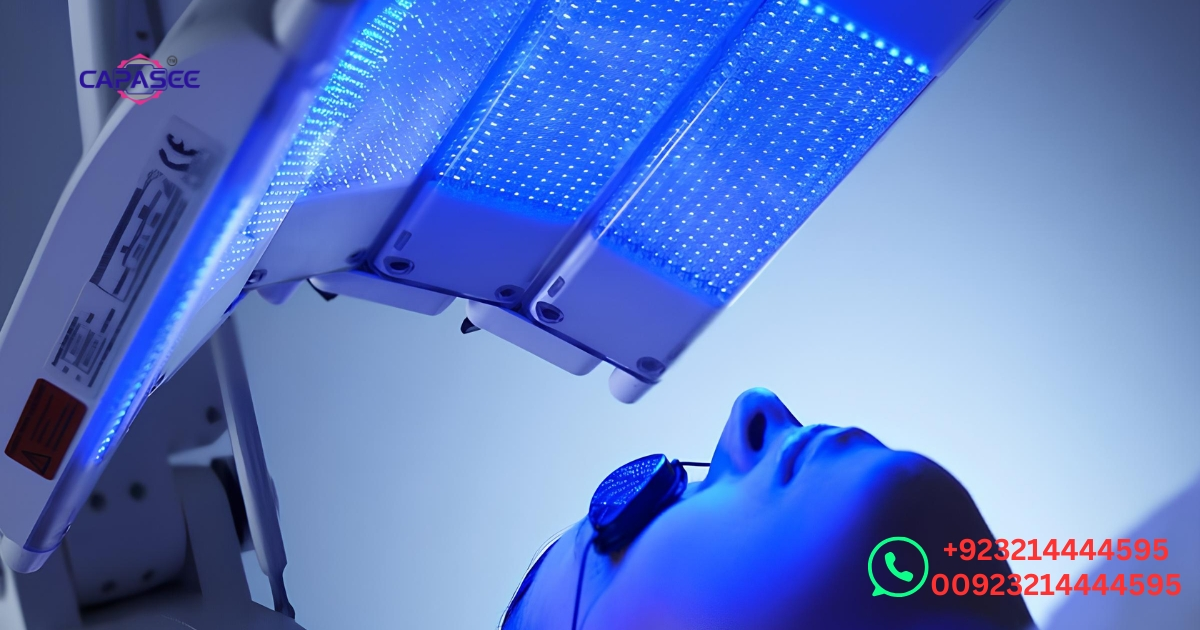
Phototherapy not only treats jaundice, but also skin disorders such as psoriasis, eczema and acne. Blue light therapy may be used to treat all these conditions as it lowers inflammation and enhances the appearance of skin.
Light Therapy for Skin Conditions: Psoriasis, Eczema, and Acne
Blue LED light is a successful form of light therapy in the treatment of psoriasis, eczema and acne. The areas of interest on which the light is aimed cause the inflammation to go down and the skin to heal.
Can Phototherapy Have Long Term Benefits?
Phototherapy is used to treat jaundice, but it can also have permanent effects on skin disorders. Phototherapy using blue LED light will help in the permanent relief of skin conditions, improving the skin in general.
Table of Phototherapy Devices and Their Benefits
| Device Type | Benefits | Characteristics |
| LED Phototherapy | Energy efficient, low heat output | Effective for neonatal jaundice |
| Fluorescent Lamps | Common, but less energy efficient | Used in older phototherapy units |
| Halogen Lamps | High intensity, suitable for severe jaundice | More heat, effective for high bilirubin levels |
| Fiber Optic Blanket | Even light distribution, low heat | Best for full body exposure |
FAQ’s
Can jaundice levels go back up after phototherapy?
Yes, the jaundice levels may increase once again when the liver is not completely processing bilirubin, but additional treatment can be used to control the situation.
How long does phototherapy take to cure jaundice?
The duration of phototherapy is 1 to 2 days, and depends on the intensity of the jaundice.
What is the fastest way to cure jaundice in newborns?
Intensive phototherapy is the quickest treatment for jaundice, as it breaks bilirubin down much faster to heal the patient.
How do I know my baby is recovering from jaundice?
The yellowish colour on the skin and eyes of your baby will fade, which means that bilirubin levels are improving.
How do I know my baby no longer has jaundice?
The skin and the eyes of your baby will change to normal color, and blood testing will indicate that bilirubin levels are normal
Final Thoughts
One of the most common questions that many parents have after their newborn develops jaundice is, Will jaundice reduce after phototherapy? Phototherapy is a good remedy that assists in the removal of excess bilirubin from the body of the baby, leading to a clear improvement in just a few days. Although the outcomes are quite positive in general, the success depends on the acuity of jaundice and the form of phototherapy employed. Jaundice level normally subsides with appropriate and prompt treatment, and provides your baby with a safe, effective cure. Never take medicine without consulting a medical expert.