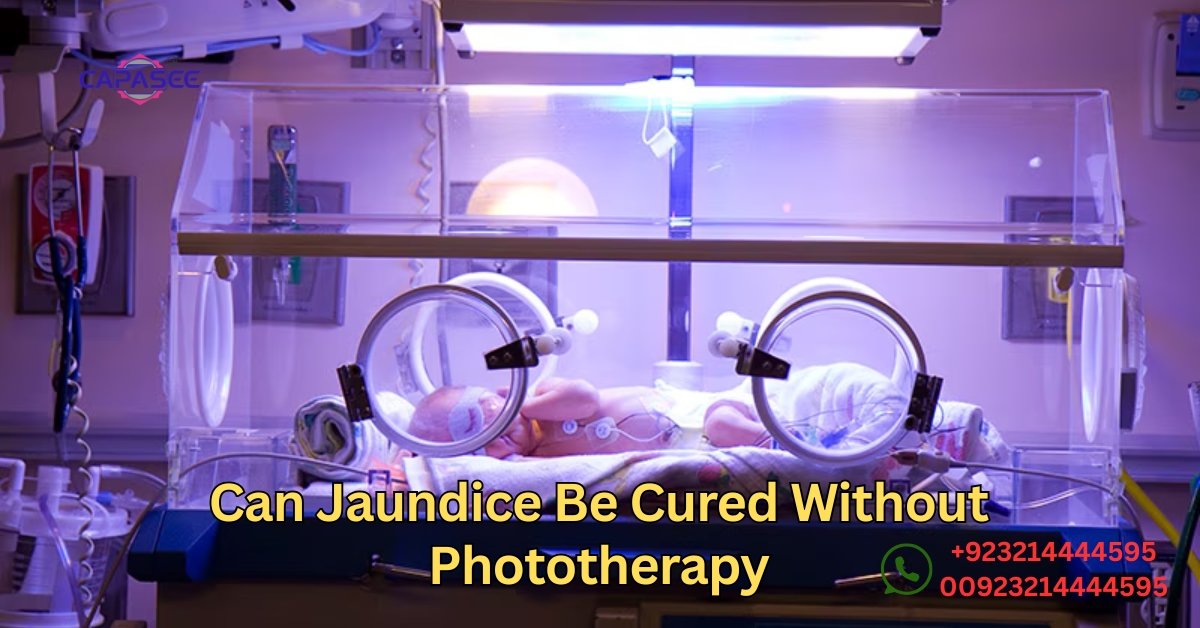
Blog
Which Light is Best for Phototherapy


Have you ever wondered which is the best light in phototherapy? When it comes to skin diseases such as psoriasis or eczema, it may seem like you are drowning in a sea of options. Sometimes it is so easy to become lost or confused as to where to begin because of so many choices. This is infuriating, more so when you are only seeking relief and you do not know where to go. Knowing which light is best for phototherapy can help you make an informed decision and avoid unnecessary confusion.
In this blog post, we shall dissect the various types of lights in phototherapy and understand that light is best for phototherapy depending on the condition at hand. We will also provide information on how to select the right light based on your needs, so you can be confident in your choice of treatment. Continue reading to get the answers you are seeking.
Phototherapy and Its Role in Modern Medicine
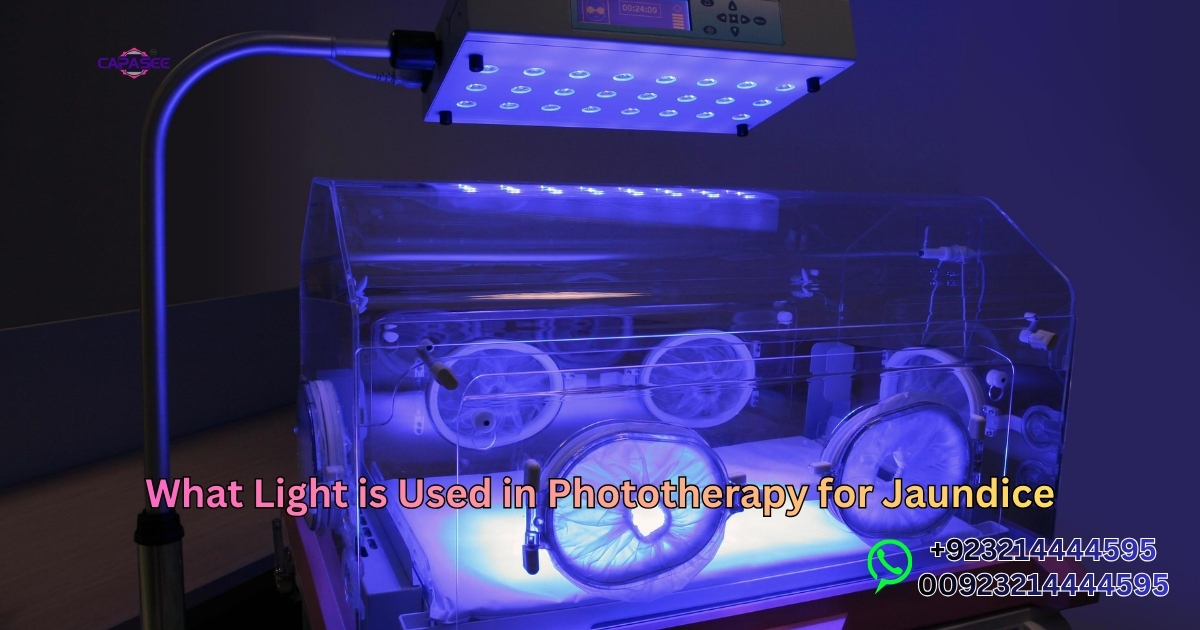
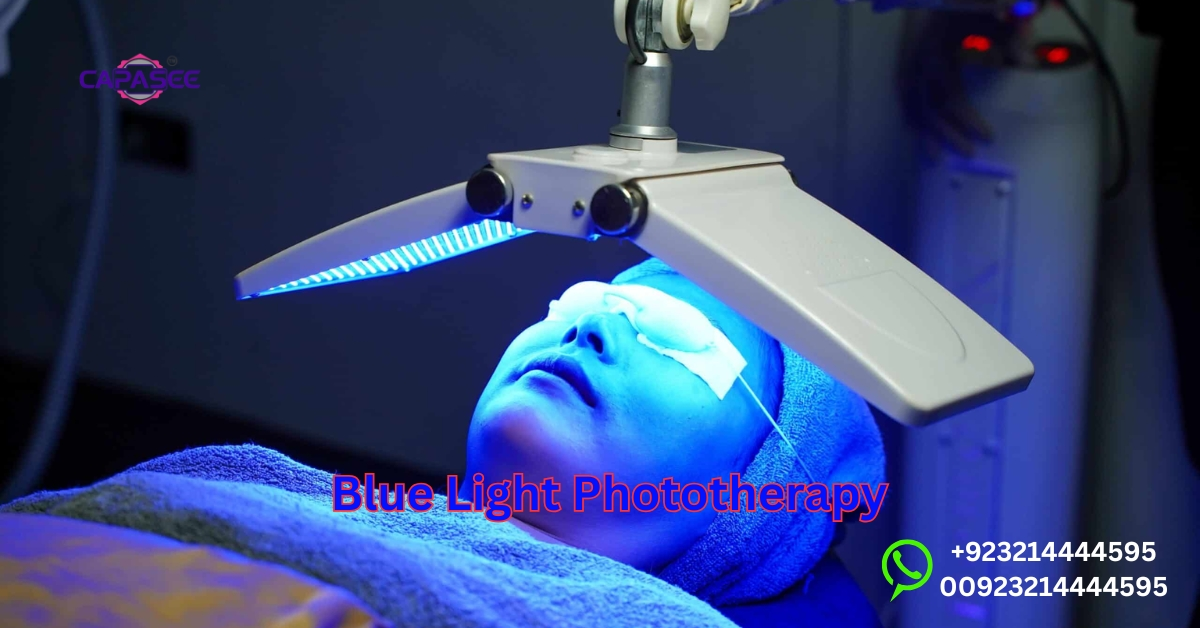
Phototherapy is a type of treatment that is used frequently in treating skin disorders and jaundice. It relieves symptoms and enhances health through the use of light. The type of light employed contributes a lot to its performance. Understanding light is best for phototherapy in each medical case is crucial to achieving optimal results. Correct exposure and phototherapy wavelength are useful in the phototherapy of jaundice and other skin diseases.
Phototherapy equipment has become a key to the treatment of several conditions in modern medicine. Blue light phototherapy is a common treatment for neonatal jaundice and has demonstrated high effectiveness in reducing bilirubin levels in infants. Likewise, the presence of the correct light source can make a big difference in skin conditions that are remedied using phototherapy, especially when choosing the best phototherapy for each specific use case.
What is Phototherapy and How Does it Work?
Phototherapy involves the use of light waves with certain wavelengths in the treatment of medical conditions. The skin takes up the light and works to alleviate undesired symptoms. Jaundice Phototherapy is used to treat infants to dissolve bilirubin and lower hyperbilirubinemia and neonatal jaundice complications.
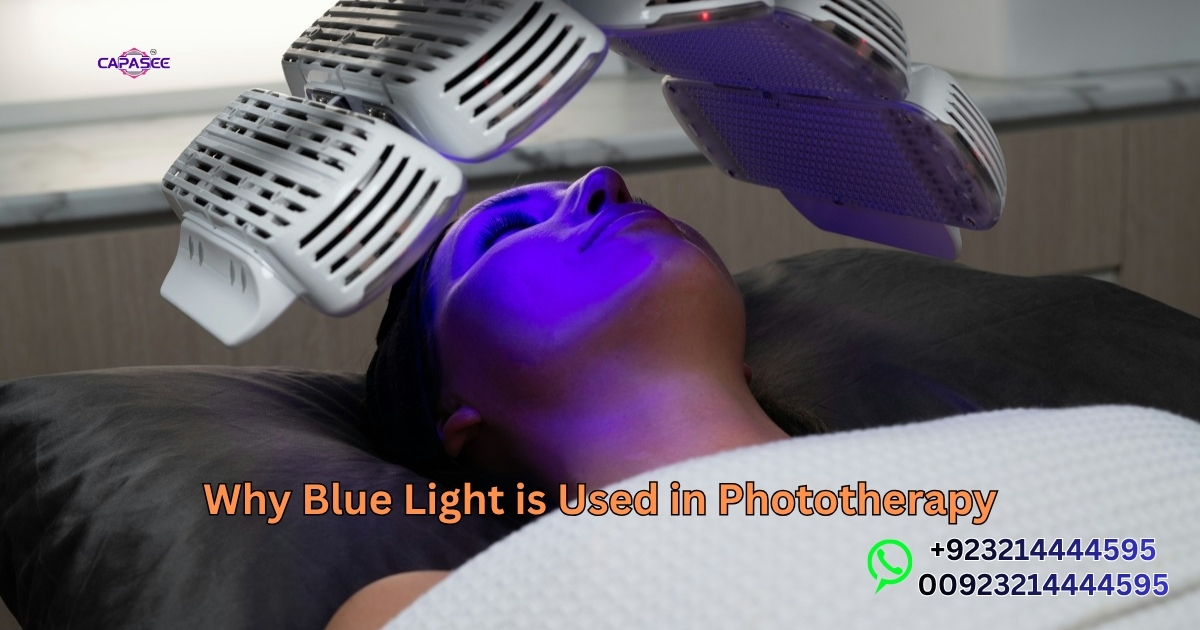
The biochemistry of the body is also influenced by the amount of light exposure to treat the skin with phototherapy, such as eczema and psoriasis. It is a non invasive treatment method that helps to decrease the severity of these conditions by promoting positive responses in the skin. Choosing light is best for phototherapy, which plays a vital role in maximizing these therapeutic effects.
You May Also Read This Blog: Phototherapy Light Benefits for Newborns in Pakistan
Common Conditions Treated with Phototherapy (Skin & Jaundice)
Phototherapy can be used to treat other skin diseases such as eczema and psoriasis. It is also applicable in jaundice in newborns, which in many cases is accompanied by the use of a particular wavelength, such as blue light 450 to 470 nm, to help in destroying the accumulation of bilirubin in the blood.
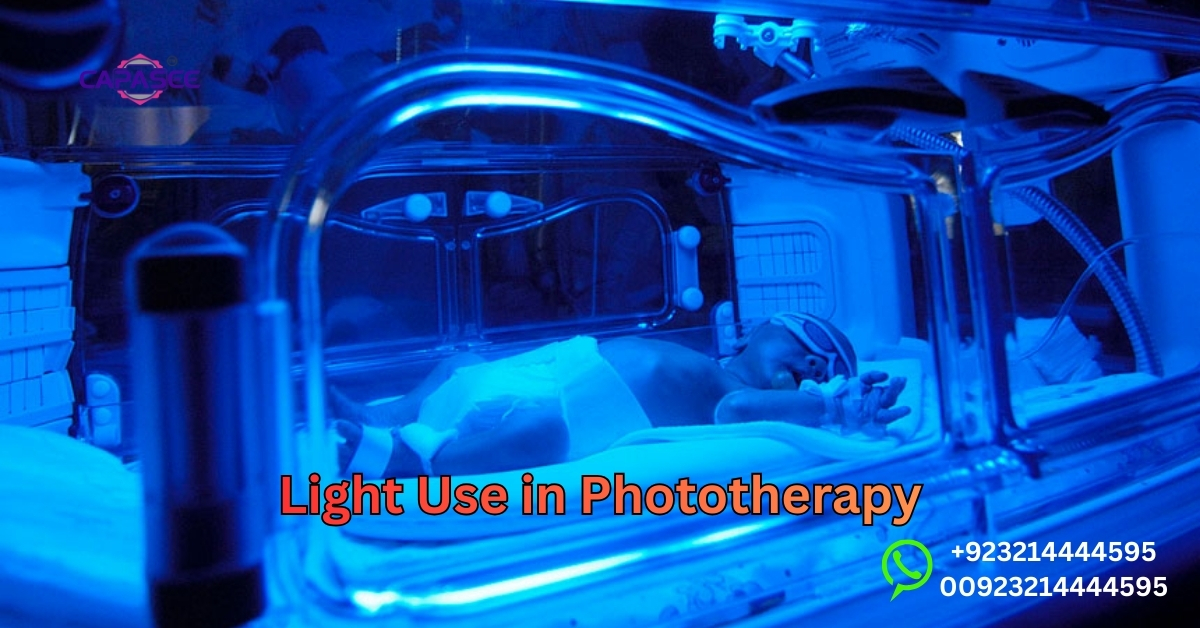
Blue light phototherapy is very effective in the management of hyperbilirubinemia. This light aids in breaking down the unconjugated bilirubin so that the liver of the baby can easily process it. One of the most widespread and least harmful treatments to neonates with high bilirubin levels is phototherapy for jaundice, but it’s important to consider that light is best for phototherapy to ensure safe and efficient bilirubin reduction.
Types of Lights Used in Phototherapy – Which One is More Effective?
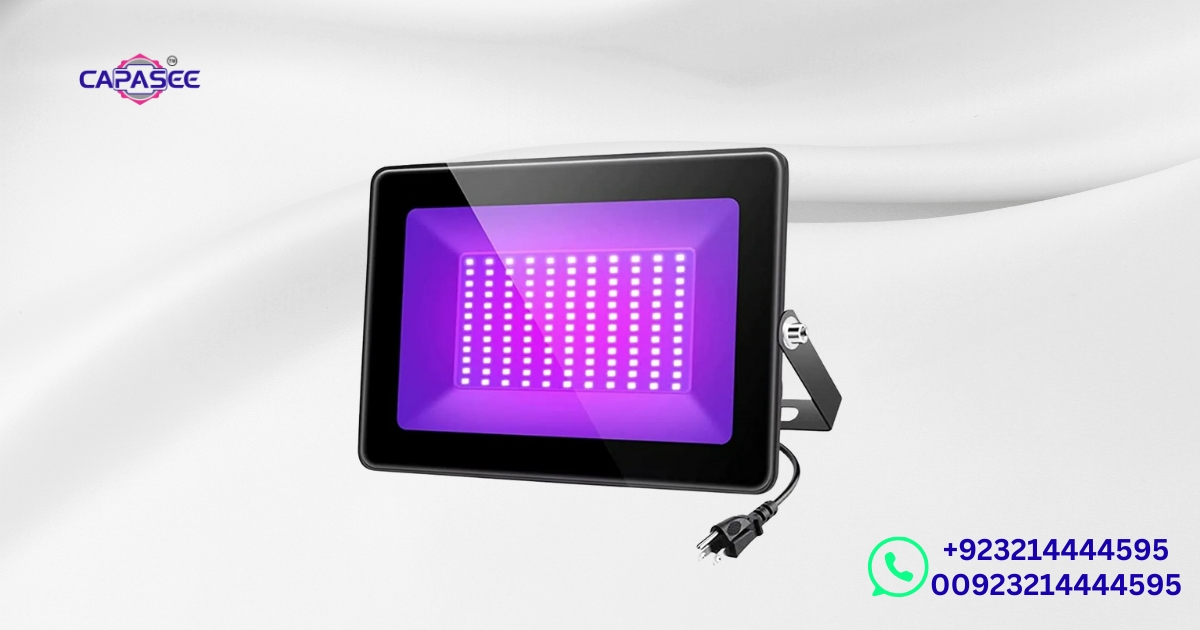
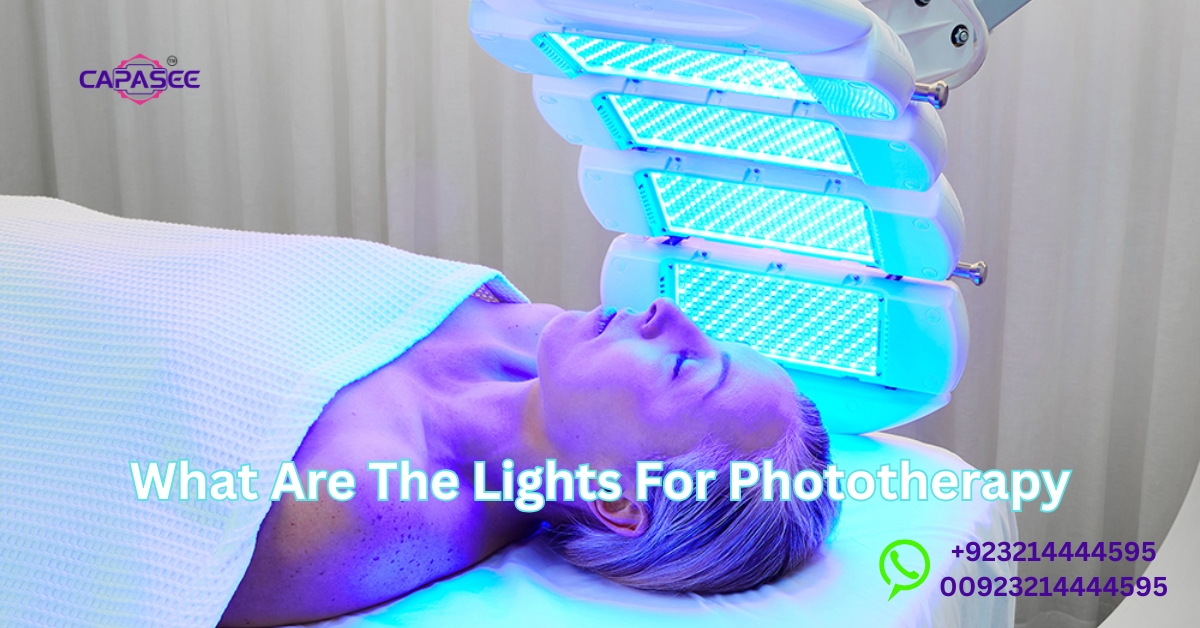
Phototherapy has various types of lights. The most popular are the fluorescent phototherapy and LED phototherapy. Understanding light is best for phototherapy depends on treatment goals and patient needs. LED phototherapy is also more effective as it produces light at certain wavelengths, such as the blue light 460 to 490 nm, which is most effective in treating neonatal jaundice. Conversely, fluorescent phototherapy emits light that is more diffused and uses bulbs, which may not be effective in some cases.
The type of light one should use varies depending on the condition the person wants to fix. One such example is intensive phototherapy, where increased light exposure needs, such as LED phototherapy lamps, can more effectively lower bilirubin levels. Comparison of phototherapy lamps may be used to help in making decisions regarding treatments and the use of the most appropriate source of light.
LED Phototherapy vs. Fluorescent Phototherapy
Compared to fluorescent phototherapy, LED phototherapy has a high energy efficiency and wavelength precision. It is especially useful in pediatric phototherapy, as in the case of unconjugated neonatal jaundice. Phototherapy safety profile is improved with fewer side effects, such as hypocalcaemia or hemolysis, with the phototherapy devices being LED based.
Fluorescent phototherapy is rather popular, but not as effective as LEDs. It is more likely to produce a larger spectrum of light and may not be as specific as a way of reducing bilirubin. Hence, the use of LED phototherapy is emerging as the choice of hyperbilirubinemia treatment.
Blue Light Phototherapy for Jaundice – Why Doctors Prefer It
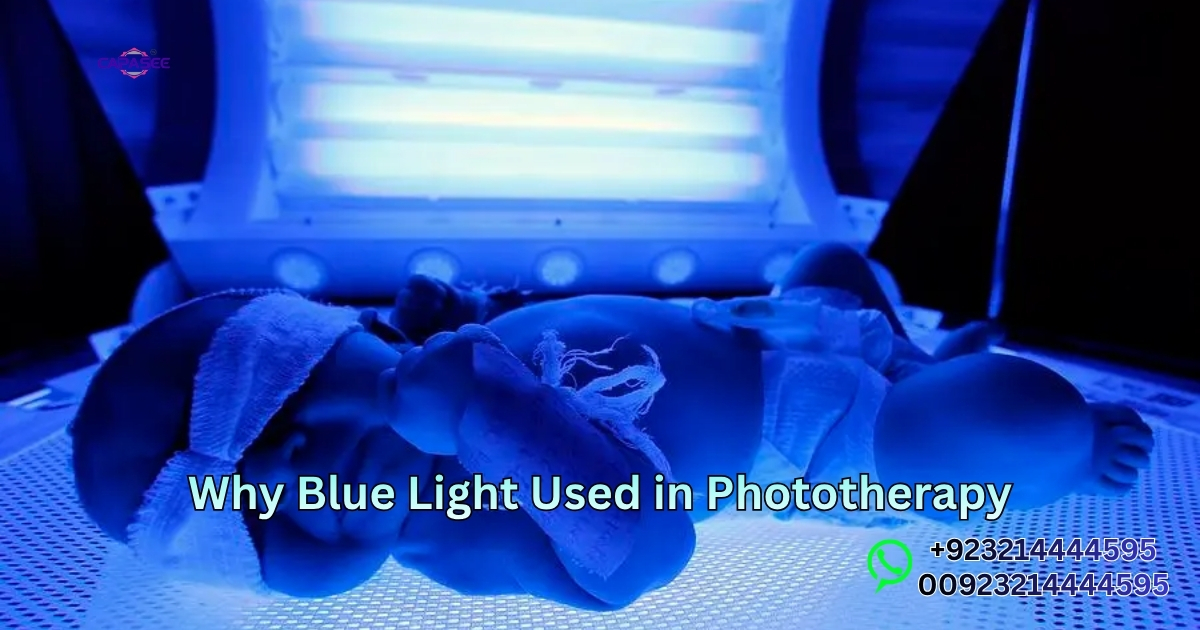
The most desirable treatment of neonatal jaundice is blue light phototherapy. Doctors prefer this as the light wave, which is usually 460490 nm, is very efficient in breaking bilirubin in the blood. This type of infant phototherapy light is known to reduce bilirubin levels more quickly than other forms of light, giving faster relief to the newborns.
This is not only safe but also quite successful in the reduction of bilirubin. The wavelength, blue light phototherapy, is specific to the bilirubin molecule and thus efficient in the treatment of jaundice. This method has the lowest rate of phototherapy failure, so it is a preferred choice in the treatment of neonatal hyperbilirubinemia.
Intensive Phototherapy
Cases that cannot be treated adequately are those that require intensive phototherapy. It is an extended and intensive light therapy to lower bilirubin levels in infants. The intensive phototherapy instructions state that such treatment is to be applied to infants who have dangerously high bilirubin levels or to those whose phototherapy efficacy must be higher. For such cases, knowing that light is best for phototherapy under intensive conditions is crucial.
This is done by using very high blue light phototherapy or various sources of light to produce quick bilirubin lowering. The length of treatment is variable, but this is usually longer than standard phototherapy. Close observation of intensive phototherapy is required to prevent side effects of hyperthermia or skin damage.
Wavelength and Effectiveness
The wavelength of the phototherapy light is also important in the treatment. The appropriate wavelength can be used to better reduce bilirubin levels and address issues such as jaundice in neonates. Neonatal jaundice is commonly treated with blue light 450 to 470 nm due to its capacity to decompose unconjugated bilirubin.
Light that is emitted at certain wavelengths, like blue light, provides meaningful phototherapy effectiveness. Various phototherapy machines differ in strengths based on their wavelength, which is directly related to the rate at which the body can process the excess bilirubin and improve the situation.
Ideal Phototherapy Light Wavelength for Maximum Results
To ensure optimum effects in the reduction of bilirubin, the optimal phototherapy light wavelength lies within the blue light 450 to 470 nm range. It is used to decompose bilirubin, particularly in the treatment of neonatal jaundice. The wavelength cell is imperative in enhancing the highest rate of treatment efficacy and minimizing the bilirubin decrease rate. Knowing that light is best for phototherapy is essential in achieving these results.
Applying the appropriate blue light wavelength will make the best use of the energy available and will give quick results when used to treat such conditions as unconjugated neonatal jaundice. These targeted wavelengths are the safest phototherapy, and they lower the chances of side effects such as hypocalcemia or hemolysis.
Comparing Different Phototherapy Units in Pakistan
In Pakistan, phototherapy equipment is available, such as LED phototherapy equipment and compact fluorescent lamp phototherapy (CFL). The effectiveness of phototherapy by the LED phototherapy units is because they use a lot of energy and also the wavelength is specific. They are more effective at reducing bilirubin than conventional CFL phototherapy units.
Comparing the phototherapy units in Pakistan, we should take into consideration the safety profile of phototherapy. In the treatment of such conditions as jaundice in neonates, LED phototherapy units are considered to be safer and more effective, providing a lower rate of phototherapy failure and overall improved outcomes. This clearly identifies that light is best for phototherapy in such contexts.
Safety, Complications, and Precautions in Phototherapy Treatment
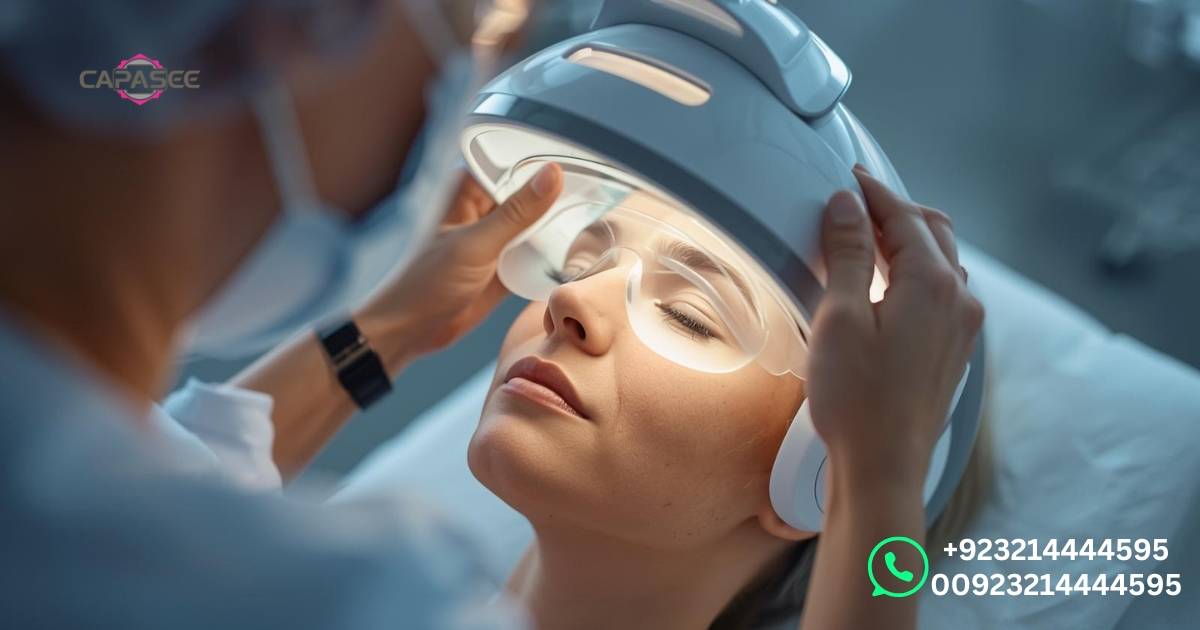
Although phototherapy is not harmful to most people, both infants and adults may develop complications. It is important to note that phototherapy may have certain side effects like hypocalcemia, hemolysis and thrombocytopenia. These are uncommon side effects that have to be observed, particularly when administering vigorous treatment patterns.
Safety precautions are to be observed in both the treatment of neonatal jaundice and pediatric phototherapy. Close attention to the time of treatment is necessary to prevent the occurrence of hyperthermia and maintain effective and harmless treatment.
Possible Complications of Phototherapy in Infants & Adults
Phototherapy is considered to be safe, but there are certain possible phototherapy complications. Hypocalcemia and hemolysis could develop in cases of infants, particularly after prolonged exposure. Sometimes, extended sessions result in skin irritation and dehydration in adults.
Risks of side effects can be reduced based on the intensive phototherapy guidelines and regular checks of the bilirubin level. The safety profile of phototherapy should also be monitored by doctors and caregivers to make the treatment useful. Proper attention to light is best for phototherapy, which can improve both outcomes and safety.
Expert Recommendations Based on Latest Research
Professionals suggest that to achieve a higher level of bilirubin reduction and minimize the occurrence of side effects, it is better to use the LED phototherapy units. It has been proposed that blue light (450 to 470 nm) should be used in the intensive phototherapy of unconjugated neonatal jaundice. These are the recommendations supported by the recent studies on the management of hyperbilirubinemia, offering clear insight into the fact that light is best for phototherapy.
It is also indicated in research that constant monitoring in phototherapy sessions is important to prevent complications. Careful light wavelength and time of daylight enhance general phototherapy levels and decrease bilirubin in newborns.
Choosing the Right Phototherapy Device for Home & Hospital Use
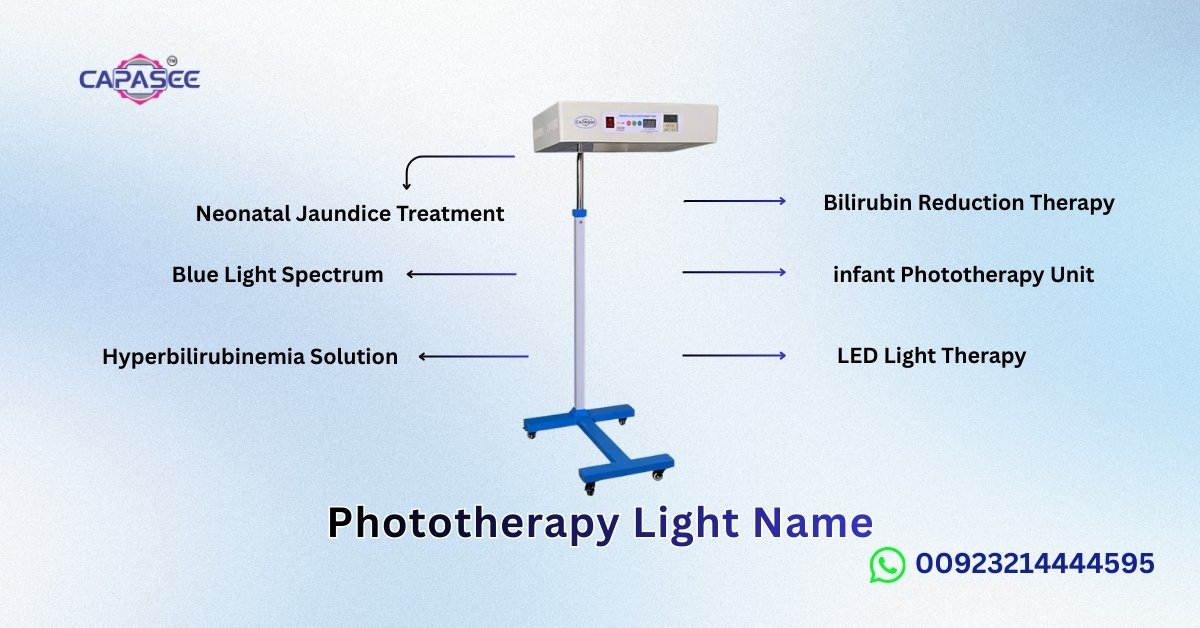
The type of phototherapy unit that one should purchase, either at home or in a hospital, should focus on the LED phototherapy unit rather than the traditional lamps. LED phototherapy units are more energy efficient and more phototherapy effective. They offer a safety profile phototherapy that reduces risks and is associated with faster results.
In home care, portable LED phototherapy lamps are also available and are useful in the treatment of conditions like neonatal jaundice. In more serious cases, however, intensive phototherapy may be necessary on a hospital grade device.
Frequently Asked Questions
Which type of light is most effective for phototherapy?
The wavelengths best used in phototherapy, especially in baby jaundice, are the phototherapy wavelengths of 450 to 470 nm.
What kind of light is good for jaundice?
The jaundice is better treated with blue light because it dissolves bilirubin in the blood.
Can LED light be used for phototherapy?
Yes, LED light is being actively utilized in phototherapy because it is energy efficient and has a specific wavelength that can be successfully used in treatment.
What type of UV light is used for jaundice?
In phototherapy, UV-A is used in the treatment of jaundice, particularly in the treatment of neonatal jaundice.
Why is blue light used in phototherapy?
Blue light assists in the breakdown of bilirubin in the blood and is therefore very effective in the treatment of neonatal jaundice.
Final Thoughts
The selection of which light is best for phototherapy depends on the disease under treatment. To treat neonatal jaundice, blue light with a wavelength of 450 to 470 nm is the most effective because it is efficient at dismantling bilirubin. LED phototherapy is another alternative because it uses energy and has the correct wavelength. The other consideration that may be of importance is the safety profile and the nature of light required during the selection of a phototherapy device. You need to visit a medical practitioner and make sure he or she administers the correct treatment.